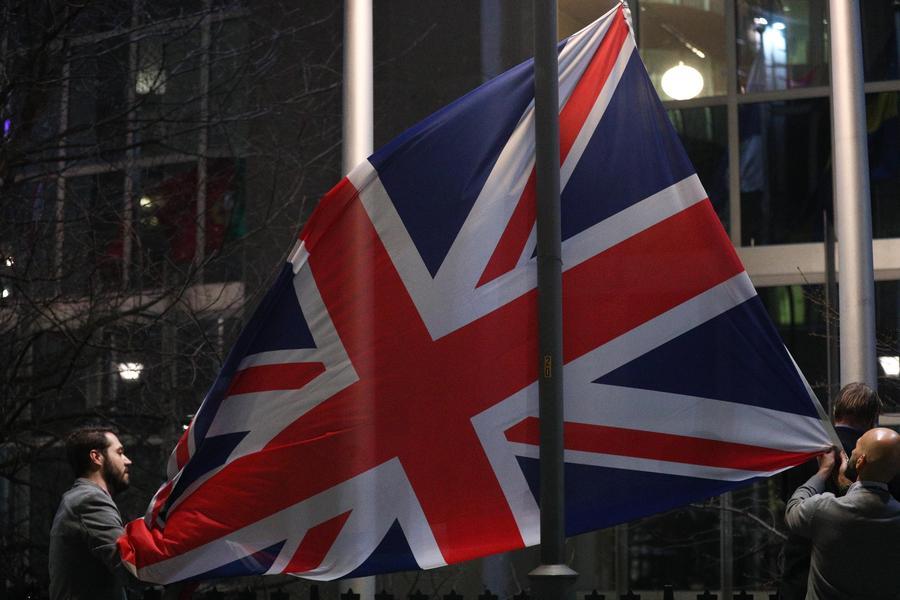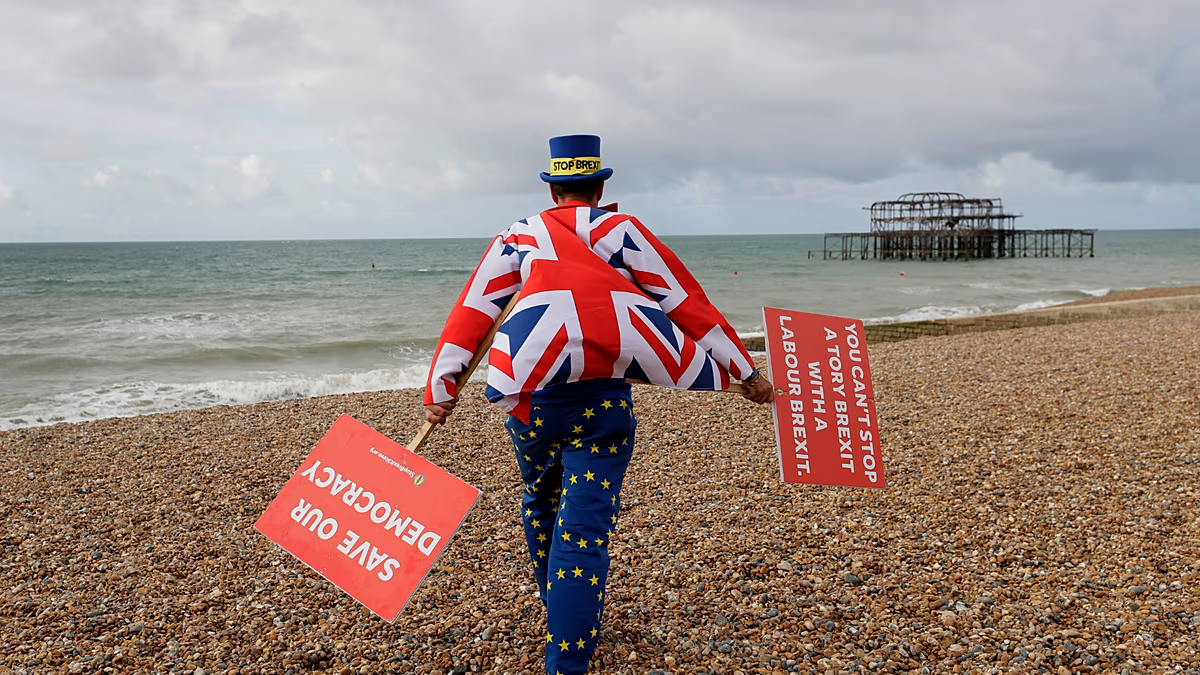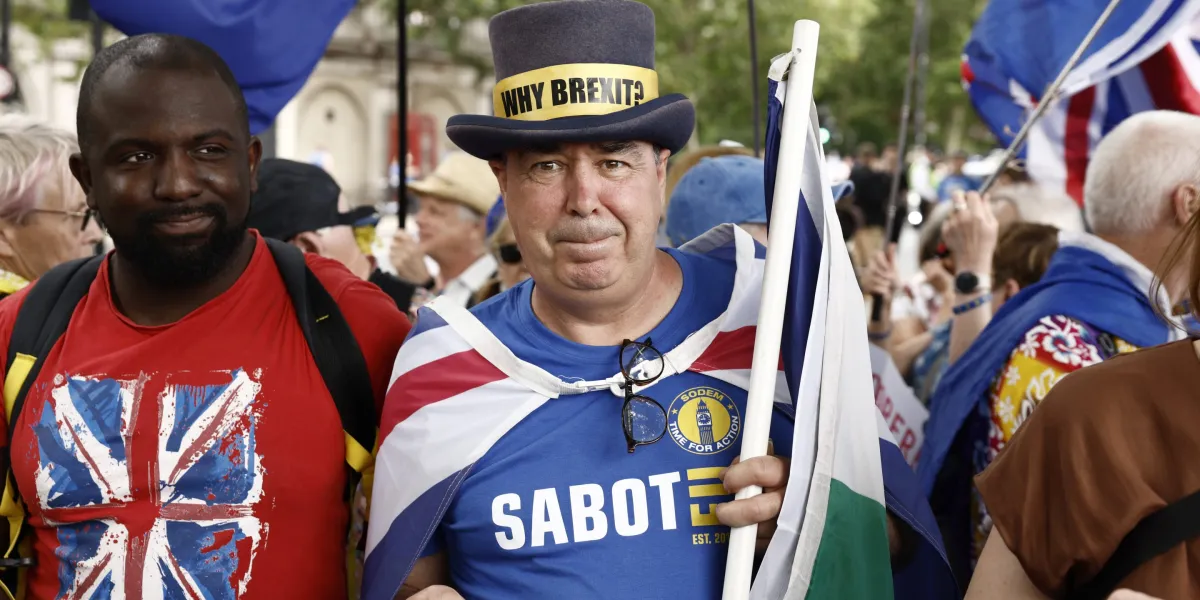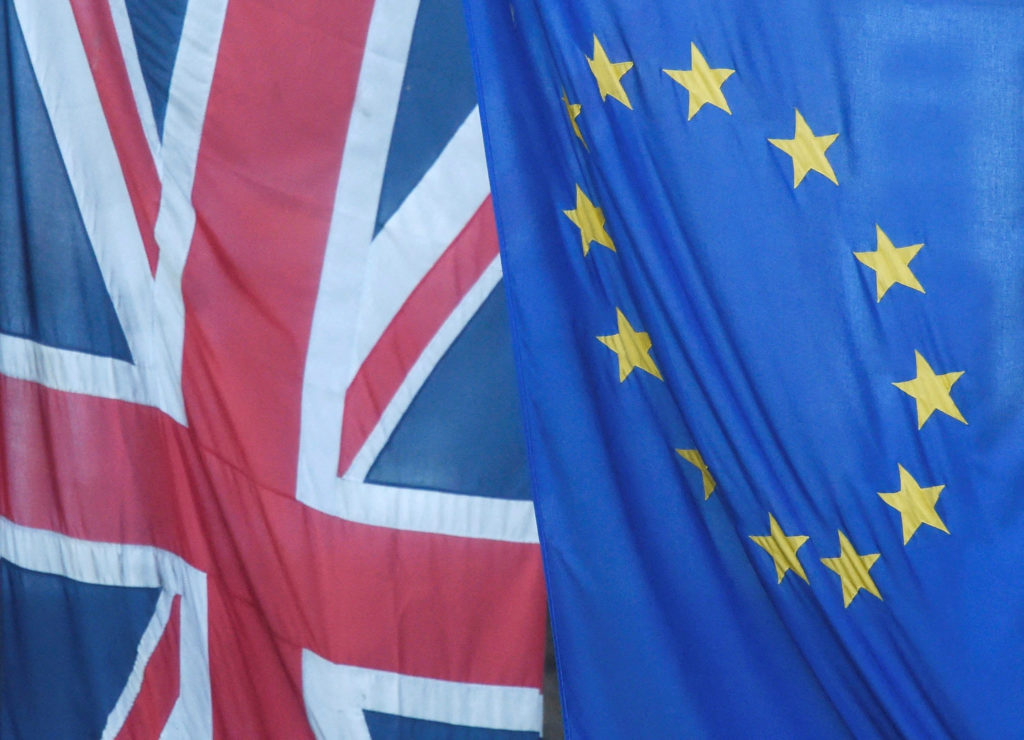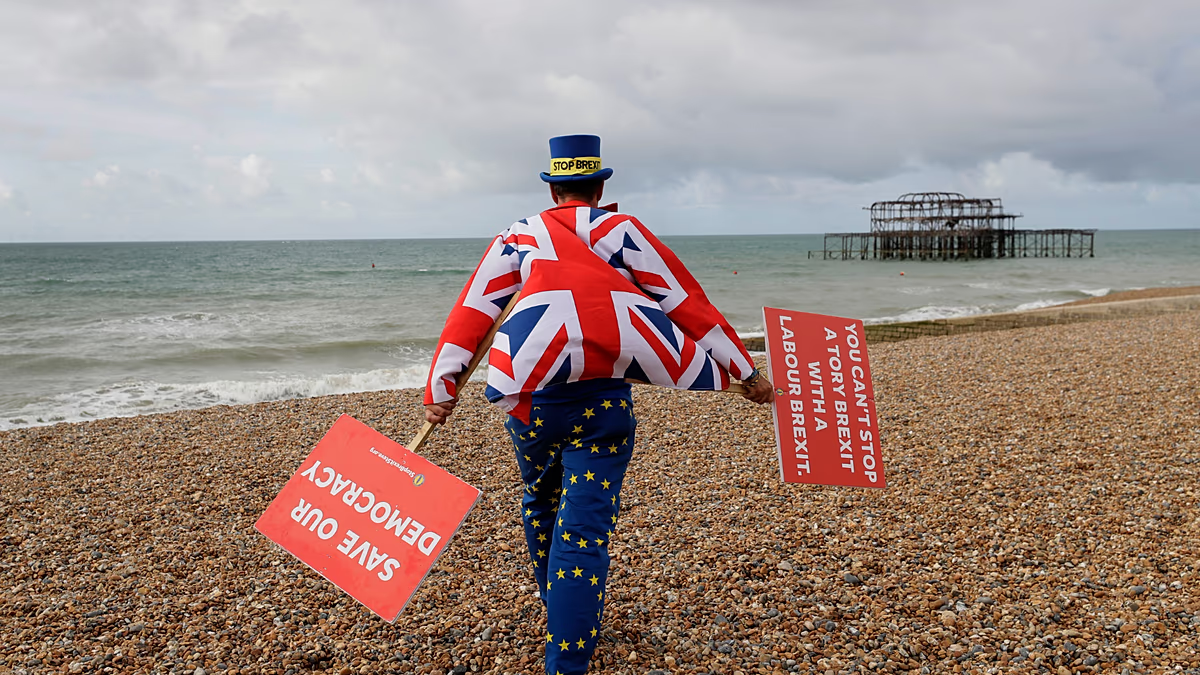
The vote of 23 June 2016 was meant to settle a question. A decade on, it has settled remarkably little.
In particular, the economic verdict on Brexit remains one of the most contested in modern Britain, entangled with a pandemic, an energy shock and the steepest monetary tightening in over a generation.
Two detailed assessments published this week, from Allianz Research and Deutsche Bank, reach a strikingly similar judgement: the doom was overstated, but so was the dividend. Allianz captures it in three words: "resilience without revival".
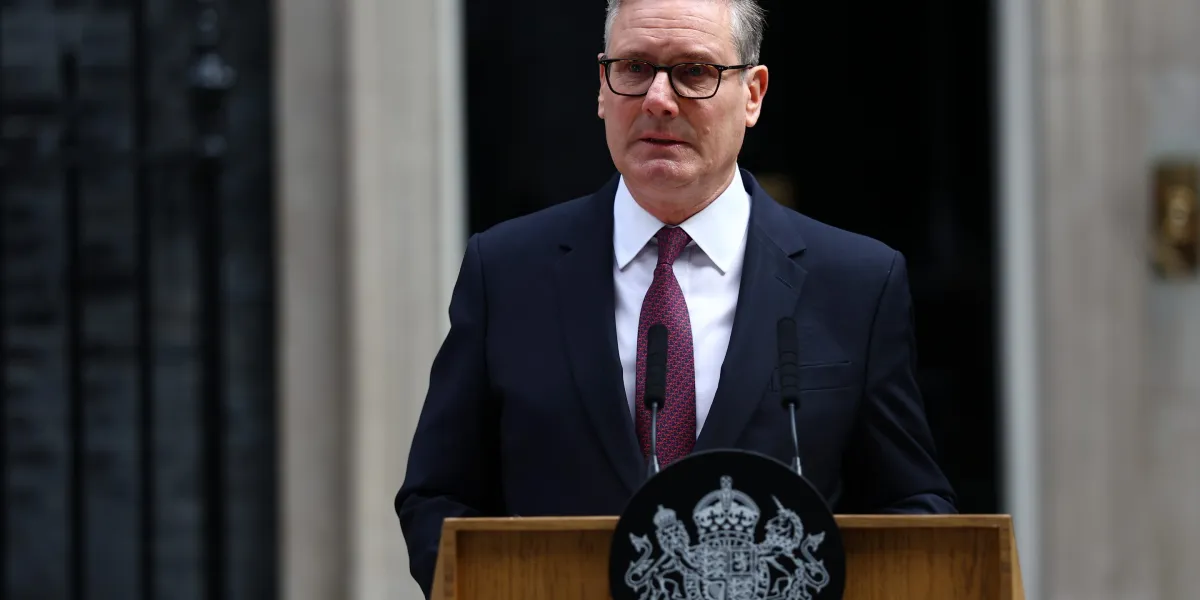
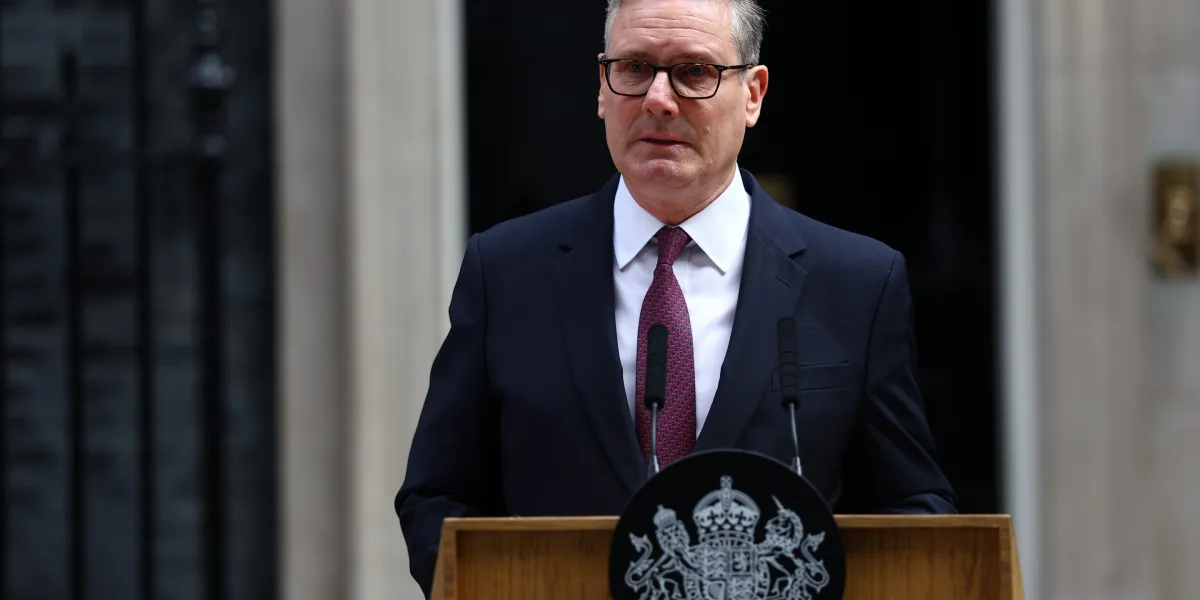
The timing could hardly be sharper. On Monday, the day before the Brexit anniversary, Starmer announced his resignation outside Downing Street, telling supporters he had heard his party's answer on whether he should lead it into the next election and accepted it "with good grace".
Starmer's departure, triggered by a collapse in Labour support and the rapid rise of the hard-right Reform UK, clears the way for what will be Britain's seventh prime minister in ten years, most likely former Greater Manchester mayor Andy Burnham.