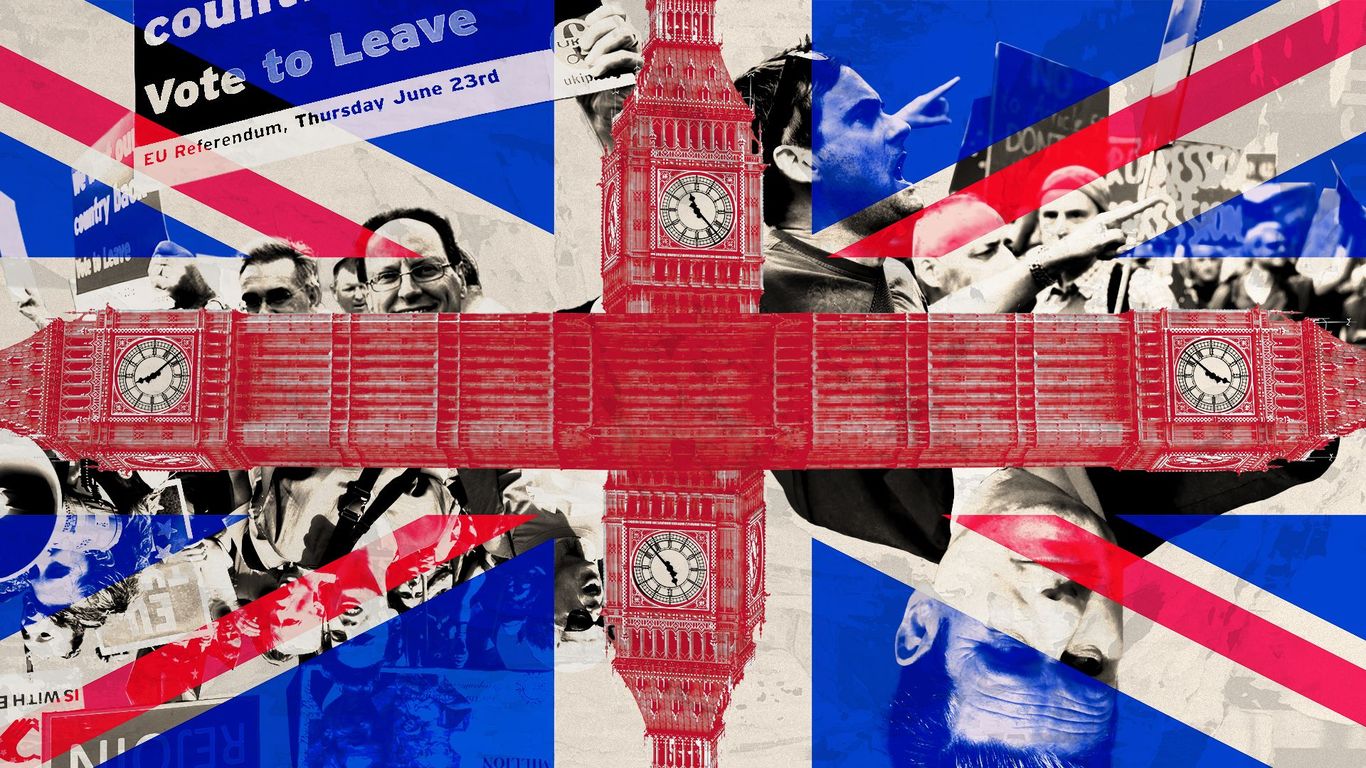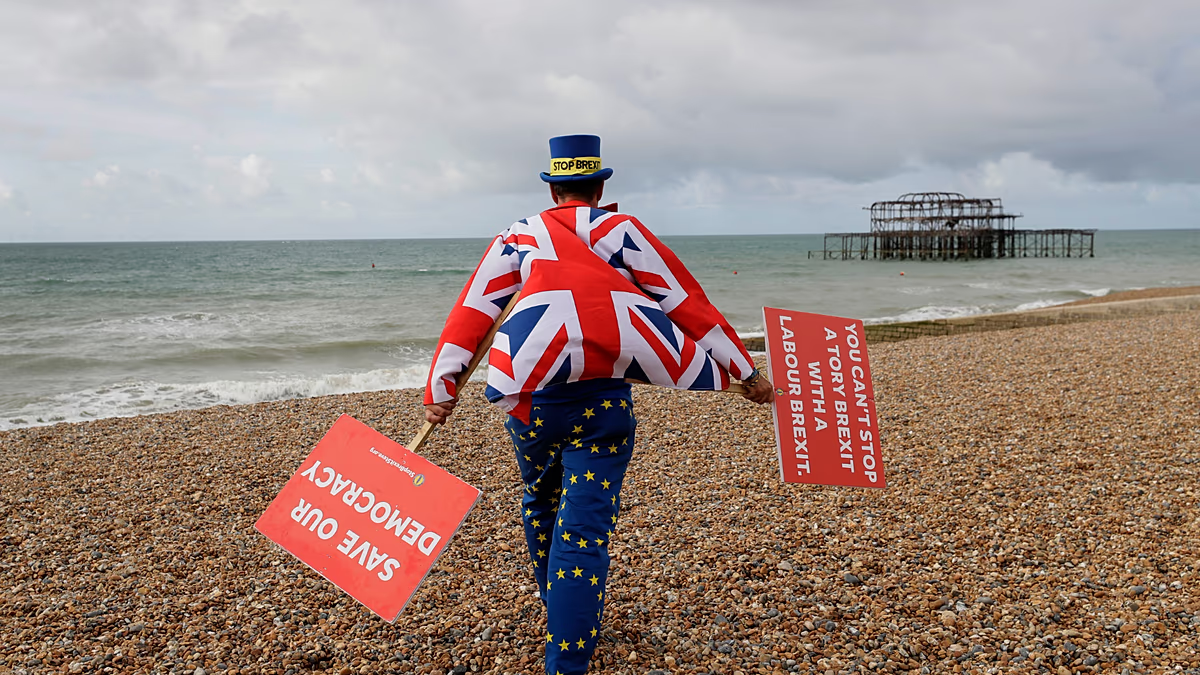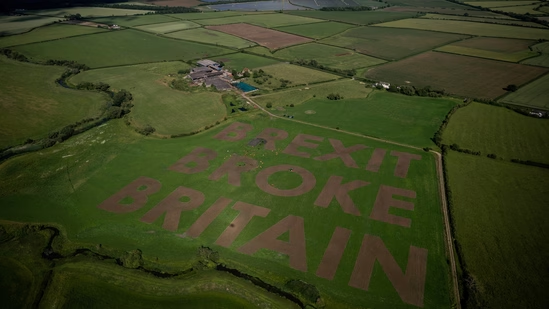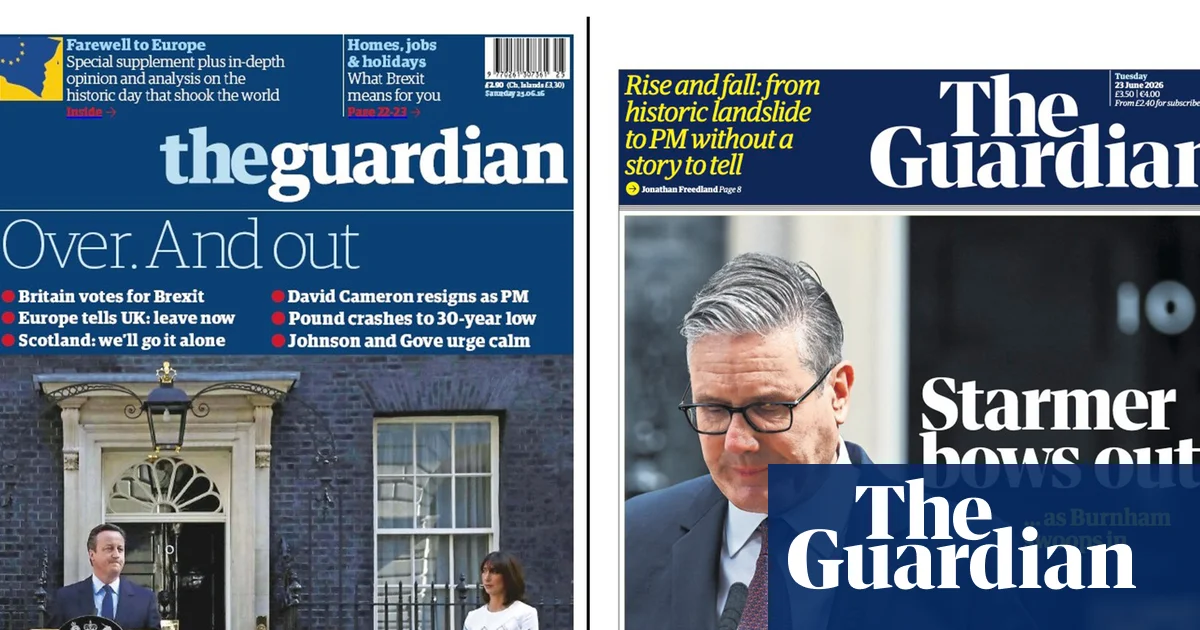
A decade ago today, June 23rd, 2016, 52% of the British electorate voted to leave the European Union. It was a massively consequential moment for the U.K.’s economy and political scene, and kicked off one of the most tumultuous decades in the country’s recent history.
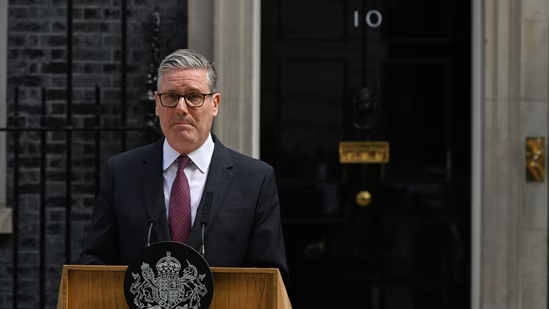
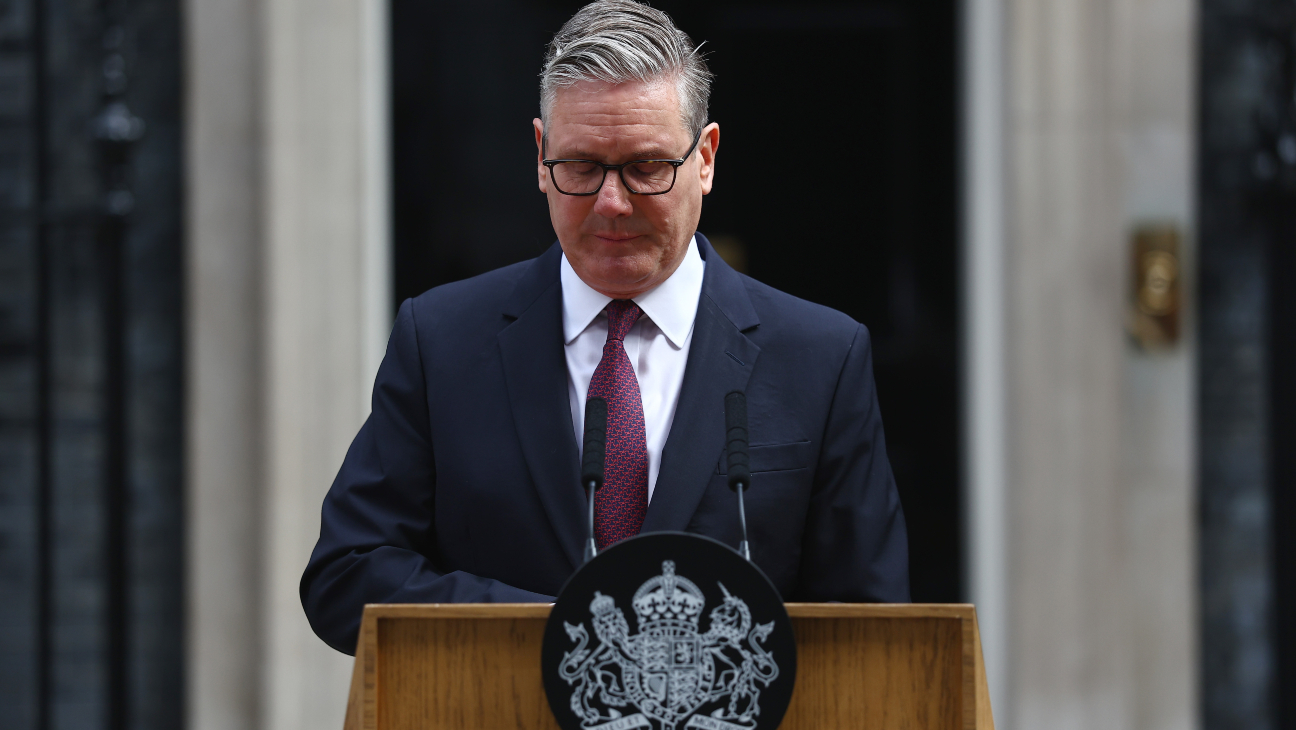
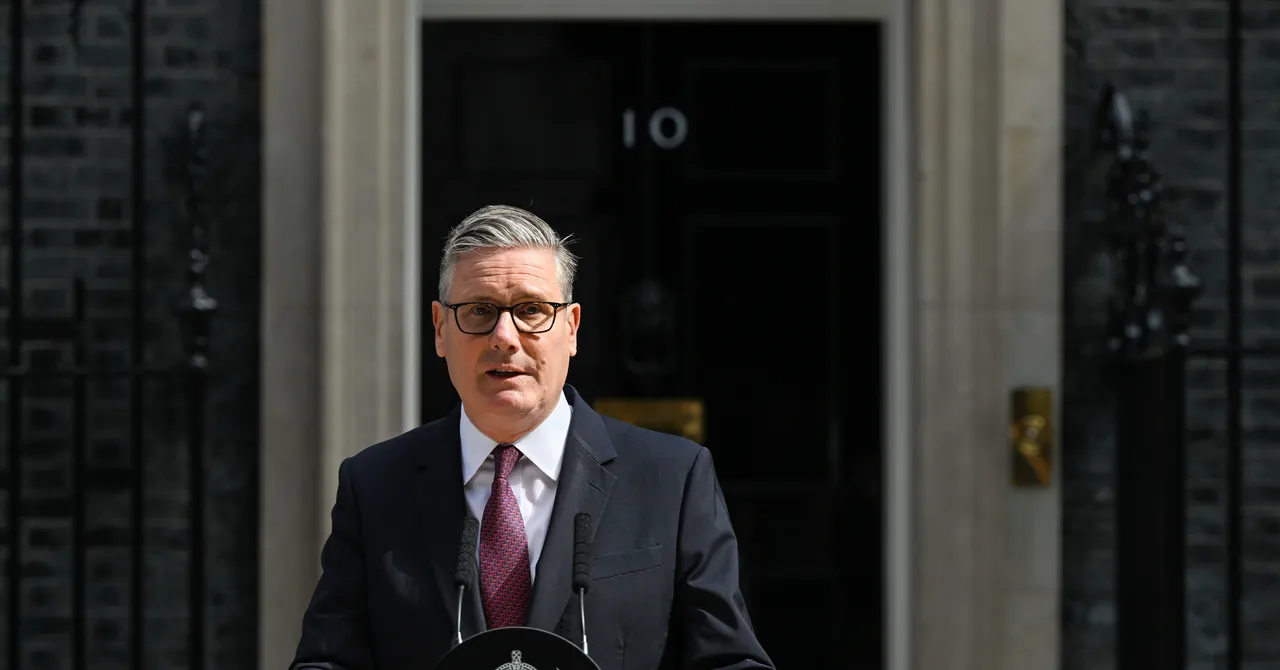
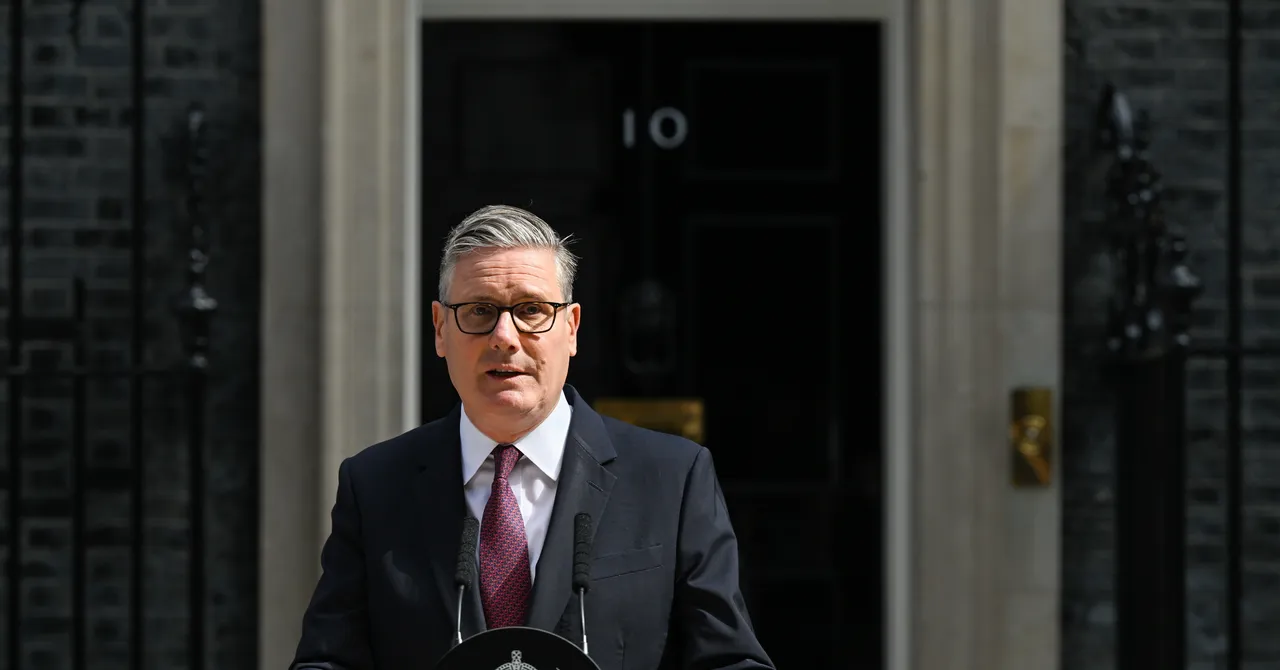
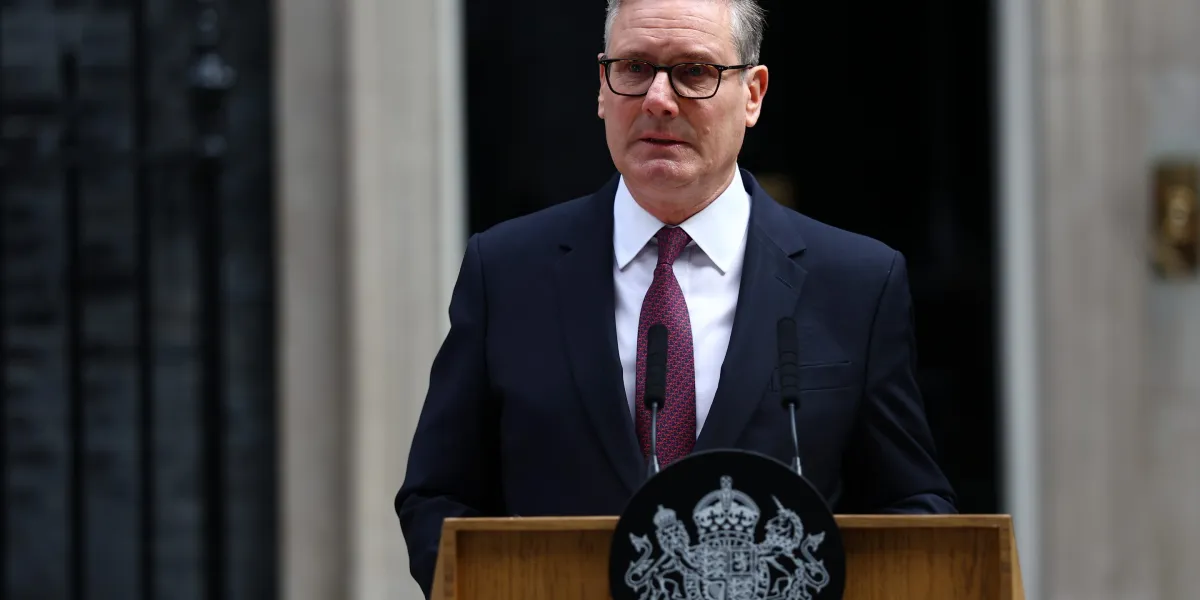
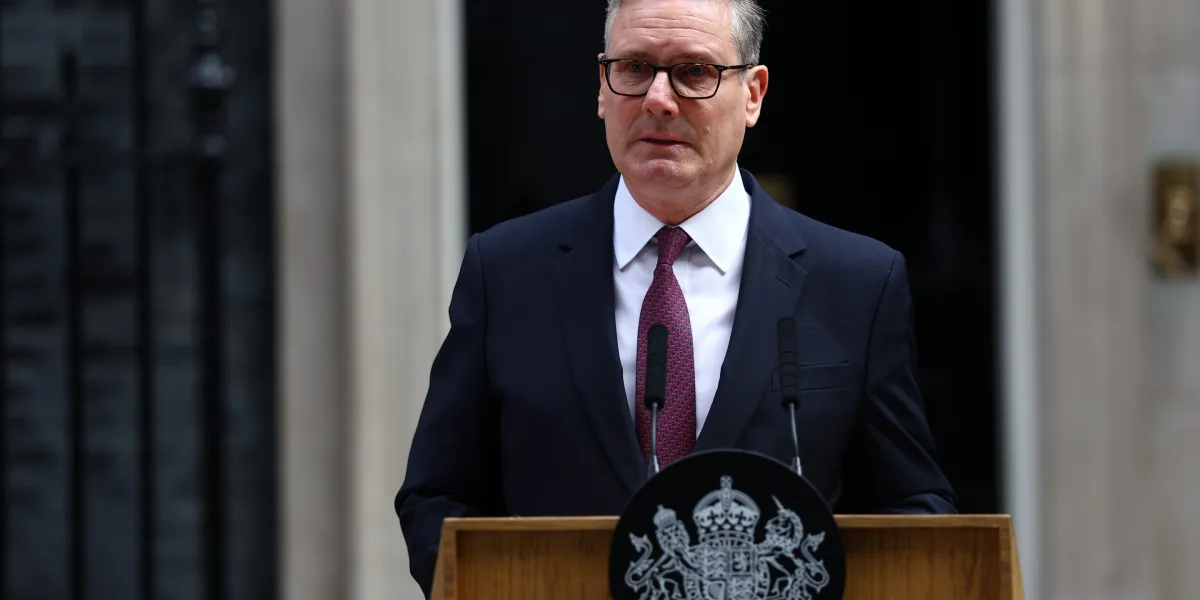
On Monday, Keir Starmer announced he would resign as prime minister after two years in seat—something that may seem short for leaders of some countries, but for the U.K., ranks as one of the longer tenures in recent years. Nominations for a successor will open next month and a next party leader is likely to be decided soon after, at which point Starmer’s resignation will mark the end of a chaotic period filled with political whiplash that saw his Labour Party suffer devastating losses in local elections last month.
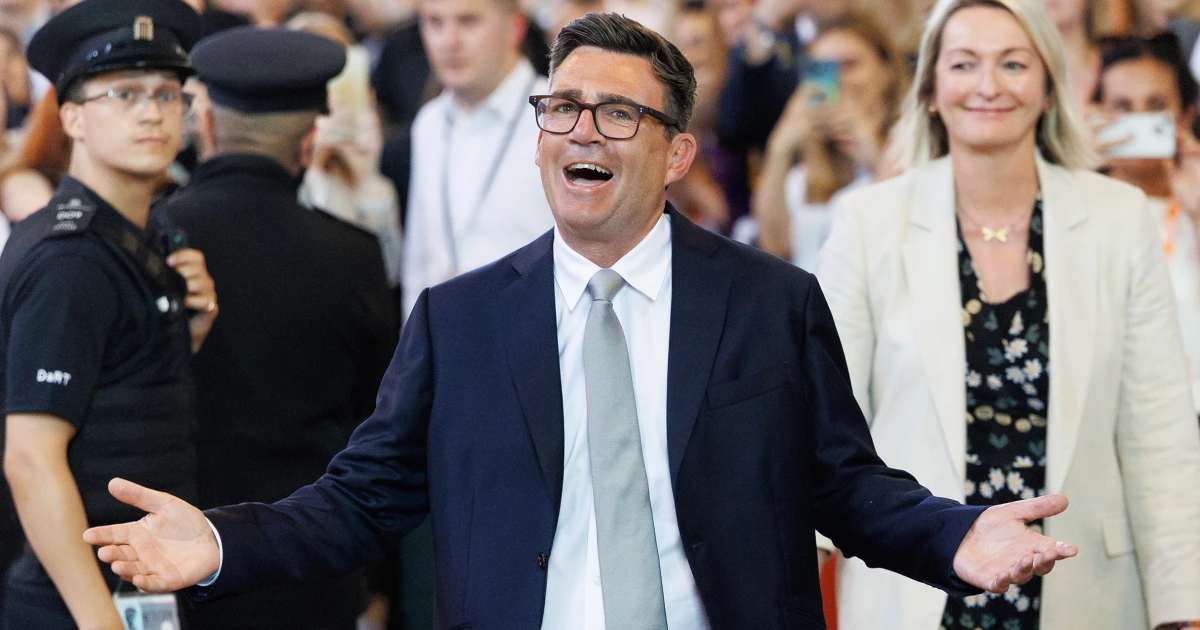
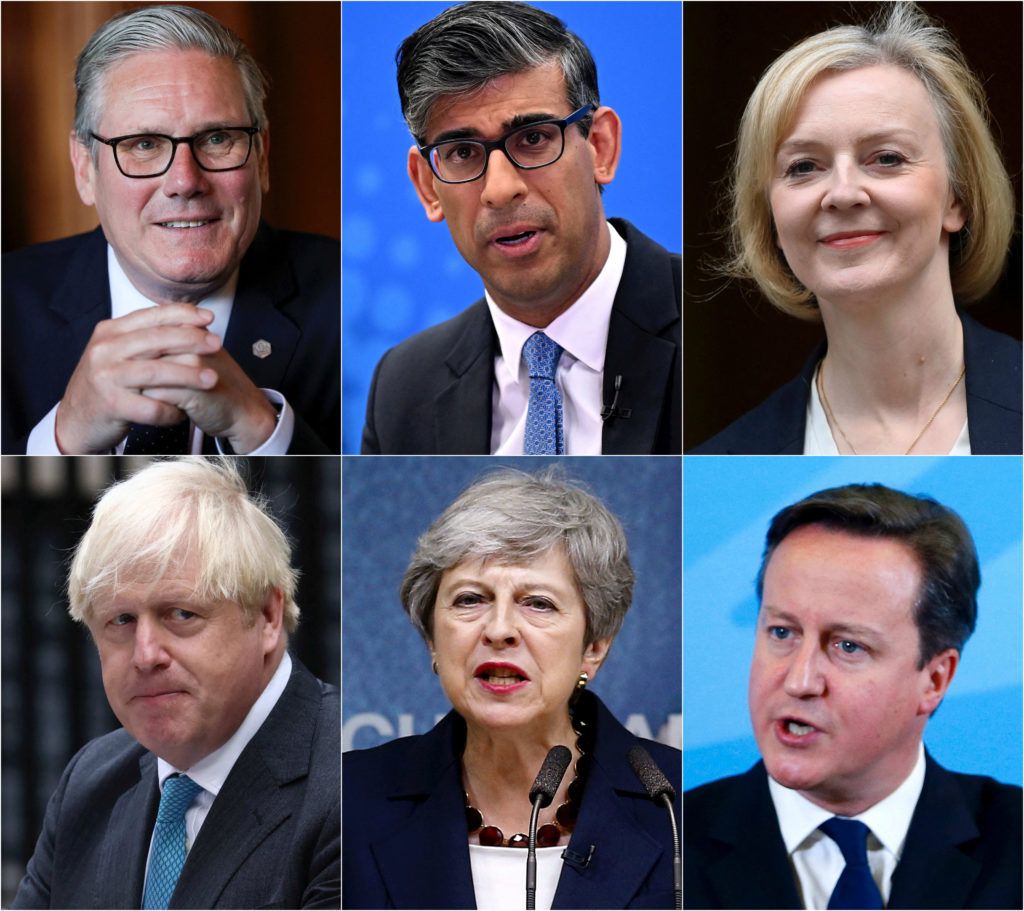
Starmer’s resignation paves the way to the premiership for Andy Burnham, the former mayor of Greater Manchester. If chosen by Labour, Burnham will become the U.K.’s seventh prime minister to have held office in the decade since Britons voted on the country’s new trajectory.
The years since have been a time of volatility unmatched in the U.K.’s recent political history, compounded by economic malaise and deep-rooted societal changes that will likely hold repercussions deep into the next decade and beyond.