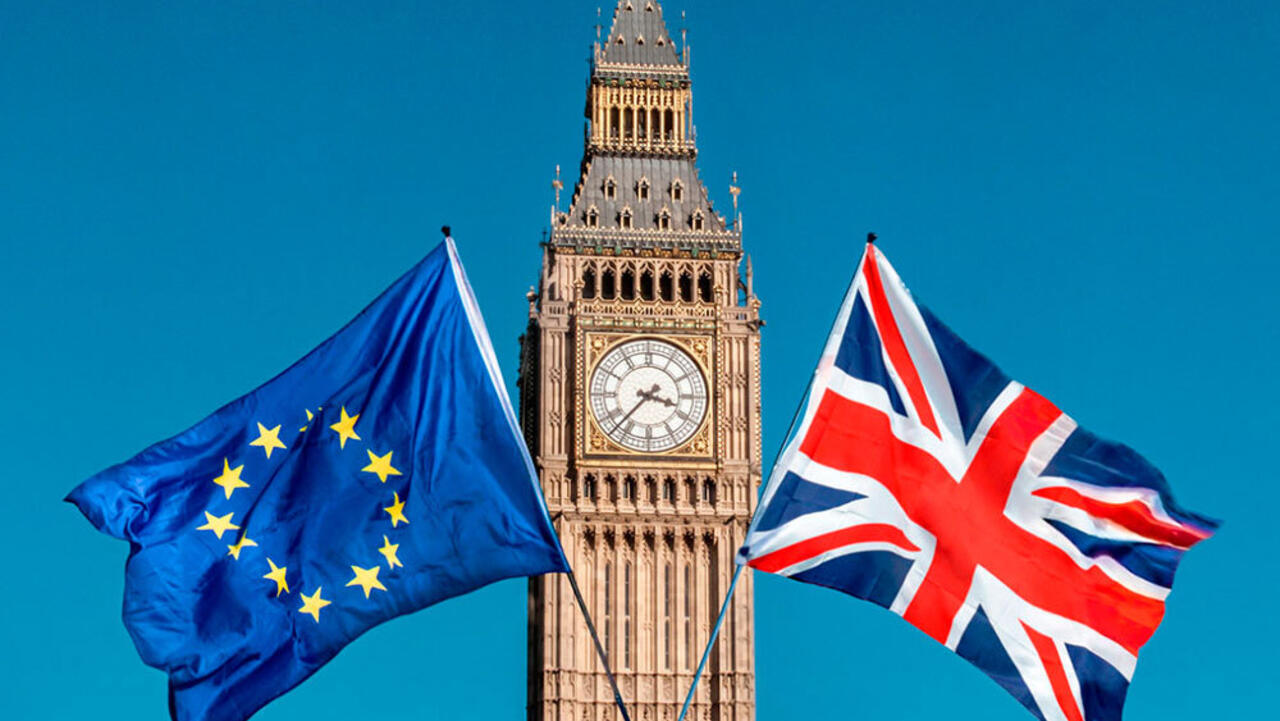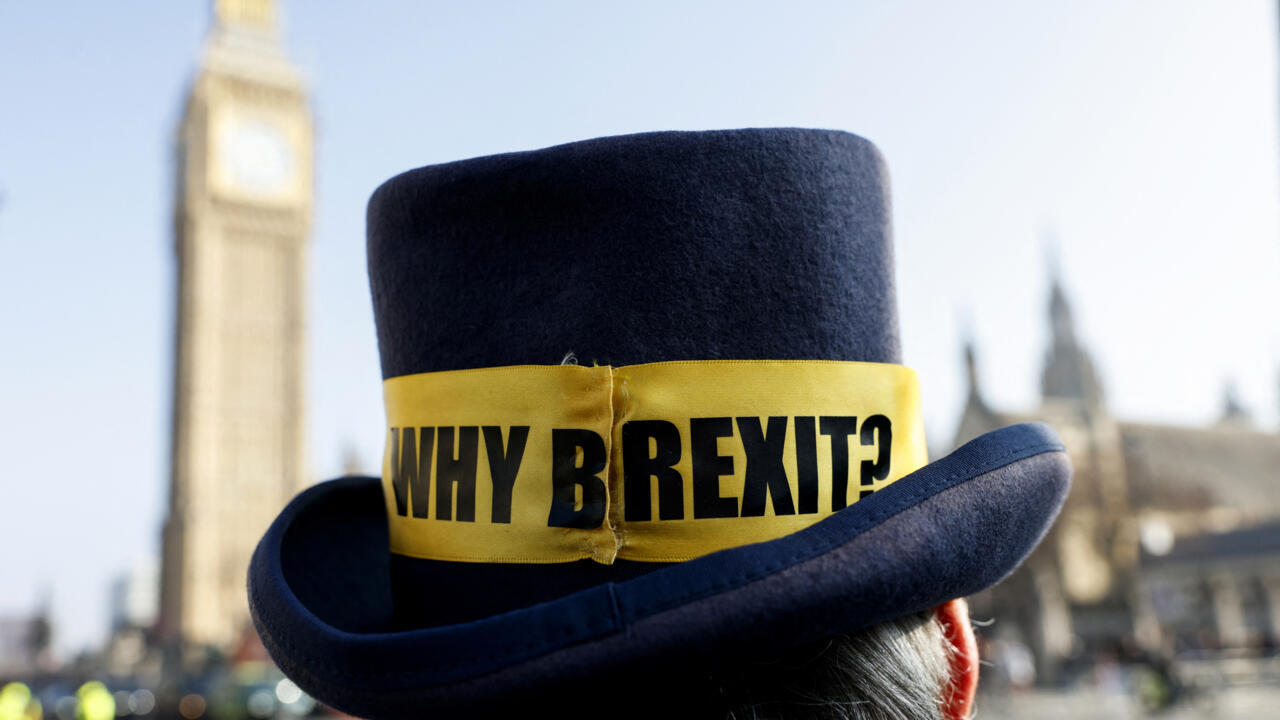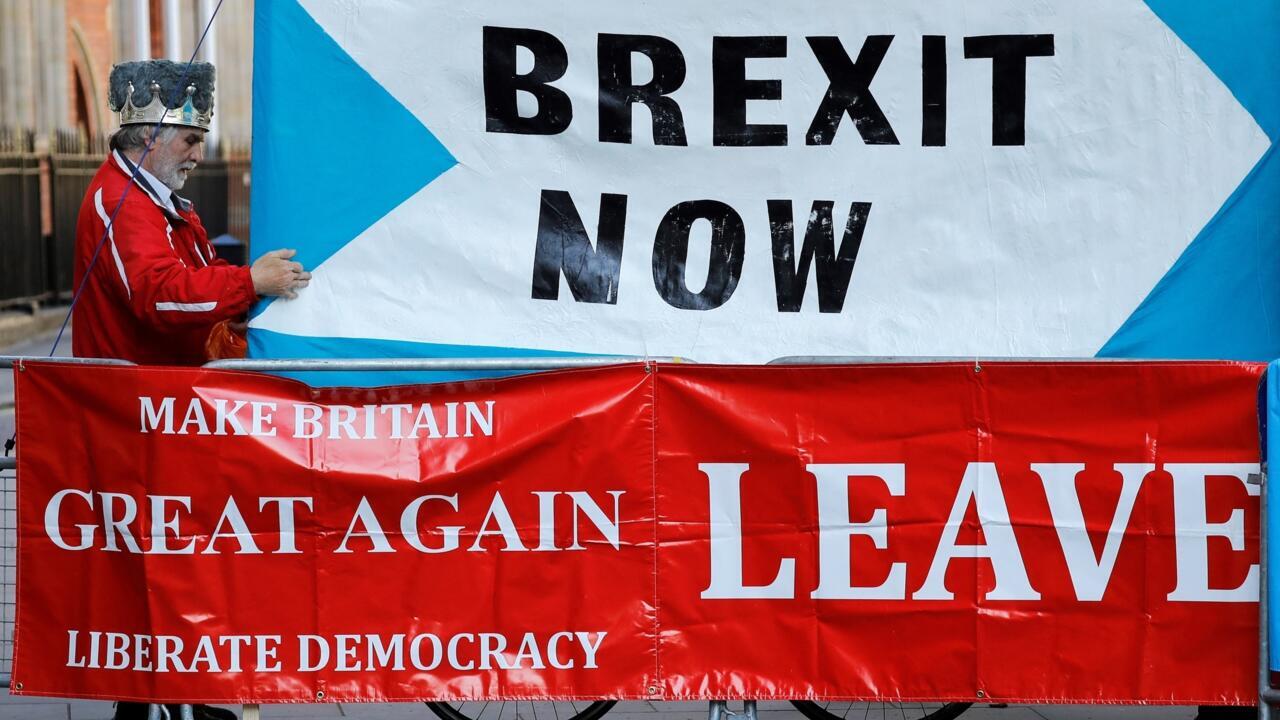
Ten years after the United Kingdom voted to leave the European Union, Brexit remains one of the most contested political decisions in recent British history. While its economic and political effects continue to be debated, its legacy is increasingly shaped by diverging interpretations of sovereignty, trade and Britain’s place in the world. RFI spoke to a Brexit supporter Robert Oulds, director of the Bruges Group about what has changed.
According to its website, the Bruges Group "spearheaded the intellectual battle to win a vote to leave the European Union and, above all, against the emergence of a centralised EU state" has long been a vocal proponent of Brexit. Robert Oulds, director of the group, reflects on what he sees as the enduring benefits of leaving the bloc, addresses criticisms of the project, and offers his perspective on how Britain has changed over the past decade. This interview is part of a series of articles and conversations published by RFI to mark the tenth anniversary of the Brexit referendum. RFI: Looking back over 10 years since the referendum in 2016, what do you think Brexit has most clearly changed for Britain? Robert Oulds: Essentially, Britain is now outside of the European Union. That means it's a sovereign country and the buck stops with our own politicians. [They] are fully accountable to the people, and they can't just say, ‘this is a European Union rule, we have to just do this because a bureaucracy or a foreign court, maybe the European Court of Justice has told us to do that.’ RFI: What is the strongest case for Brexit today, if you had to make it in one minute? RO: The enormous financial cost of the European Union. Since we've left, countries have had to pay more to the European Union. There was a cap at around 1 percent of GDP of a member state paying into the European Union's financial finances. That has now gone up. So we'd be paying more.