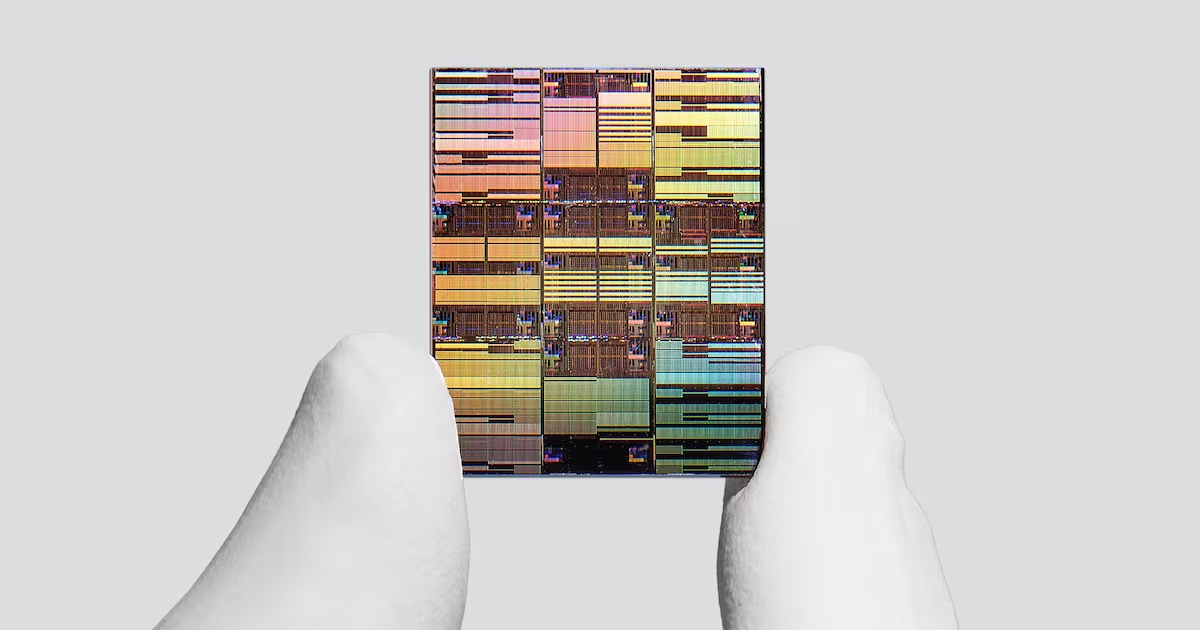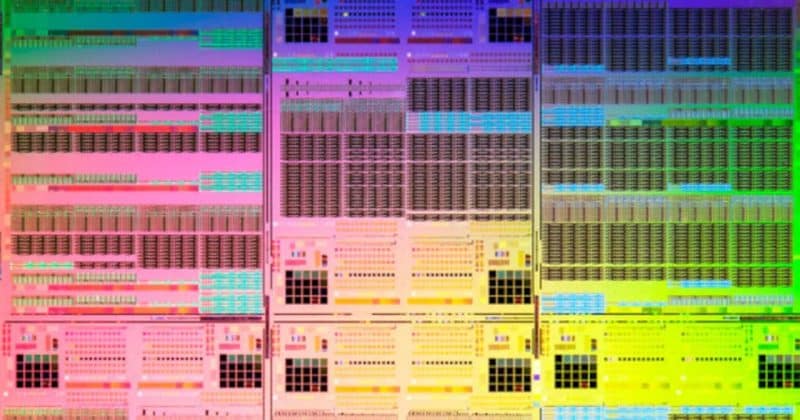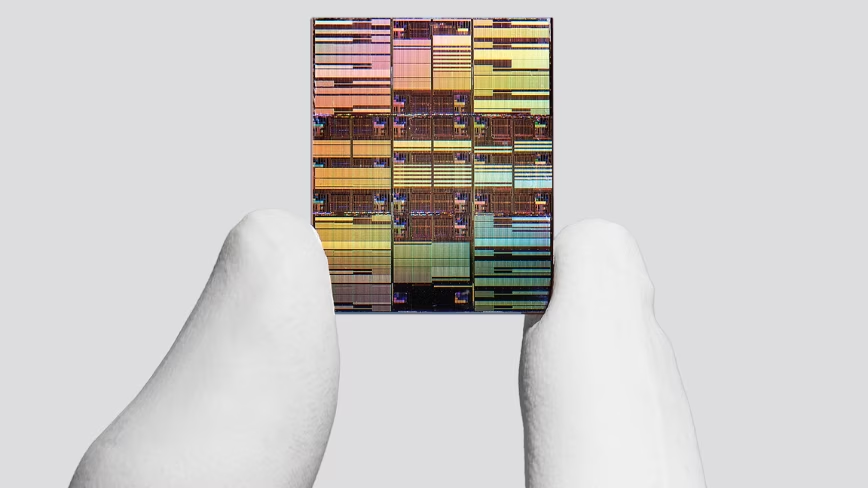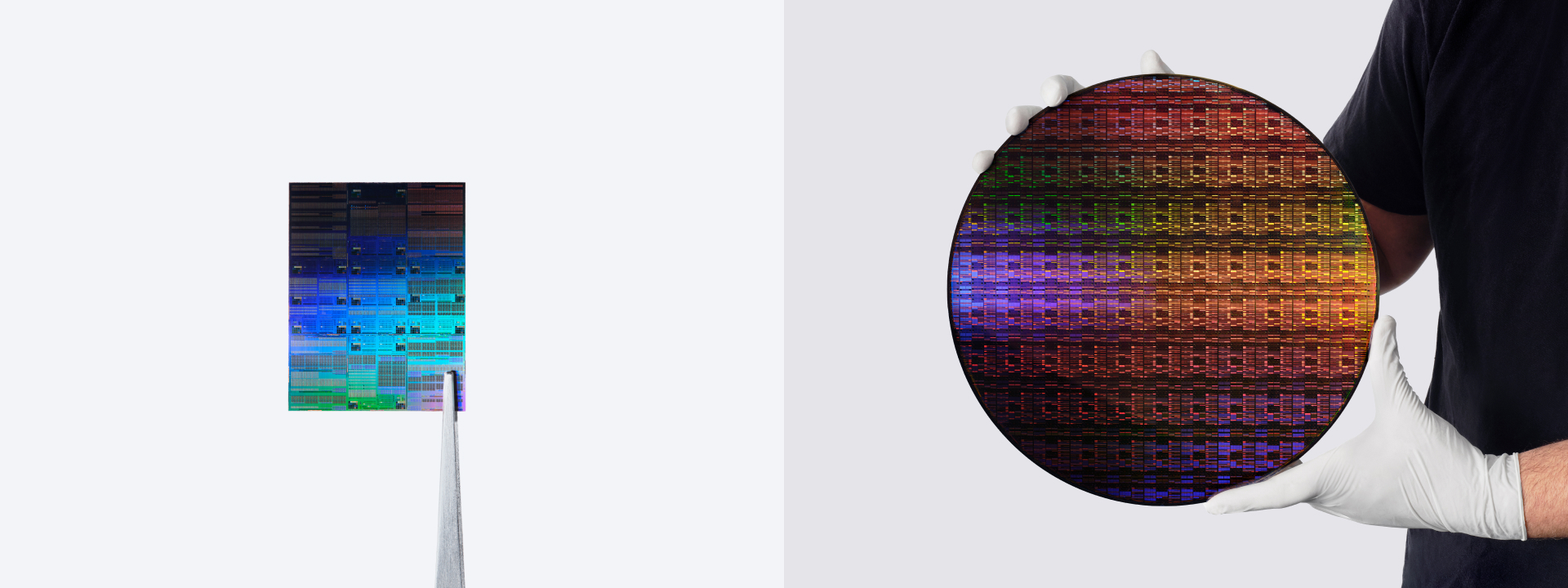
Almost everything that makes the modern world hum, from the phone in your pocket to the sensor on a factory floor, traces back to a single quiet afternoon in a nearly empty laboratory in Dallas. In the summer of 1958, a newly hired engineer named Jack Kilby built the first working integrated circuit at Texas Instruments. It was a crude little thing, a sliver of germanium with a few components and some fine gold wires, but it carried an idea that would reshape electronics: that an entire circuit could be made from one piece of semiconductor material. Every microcontroller and connected device we build today is a descendant of that prototype.
The engineer who was left behind
Kilby had only just joined Texas Instruments and had not yet earned any vacation time. So when the company shut down for its traditional summer break in July 1958 and most of his colleagues left, he found himself nearly alone in the lab with time to think. The problem on his mind was one the whole industry called the "tyranny of numbers." Circuits were getting more capable, which meant more transistors, resistors, and capacitors, each one a separate part that had to be wired together by hand. Every added component meant more connections, more soldering, and more chances for something to fail. The complexity was becoming a wall.