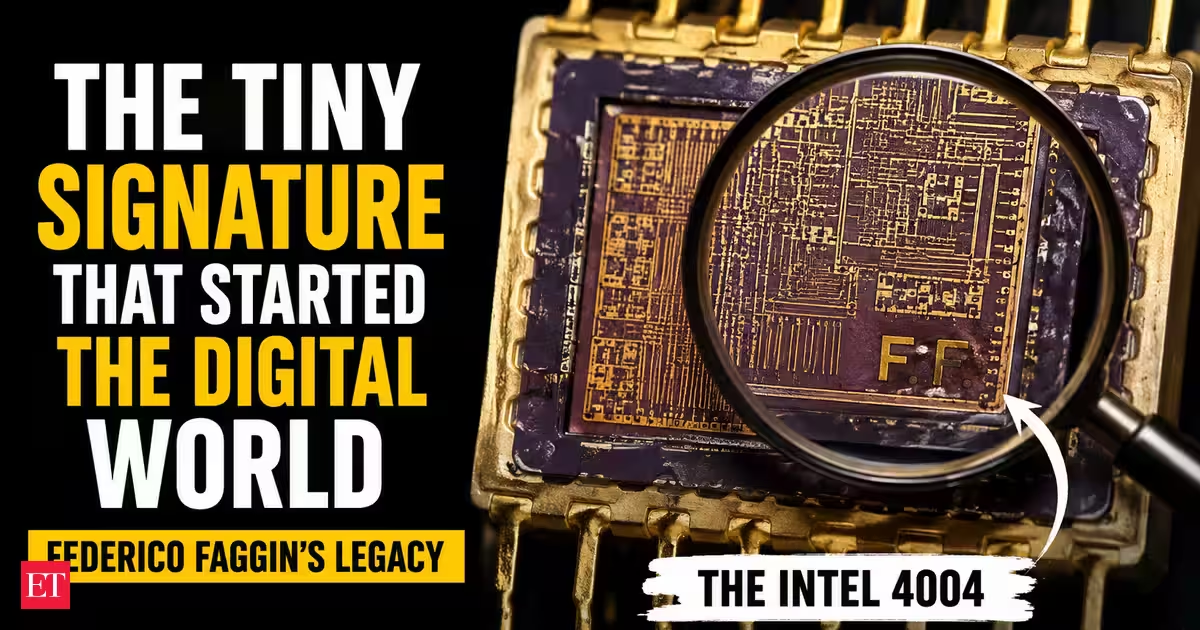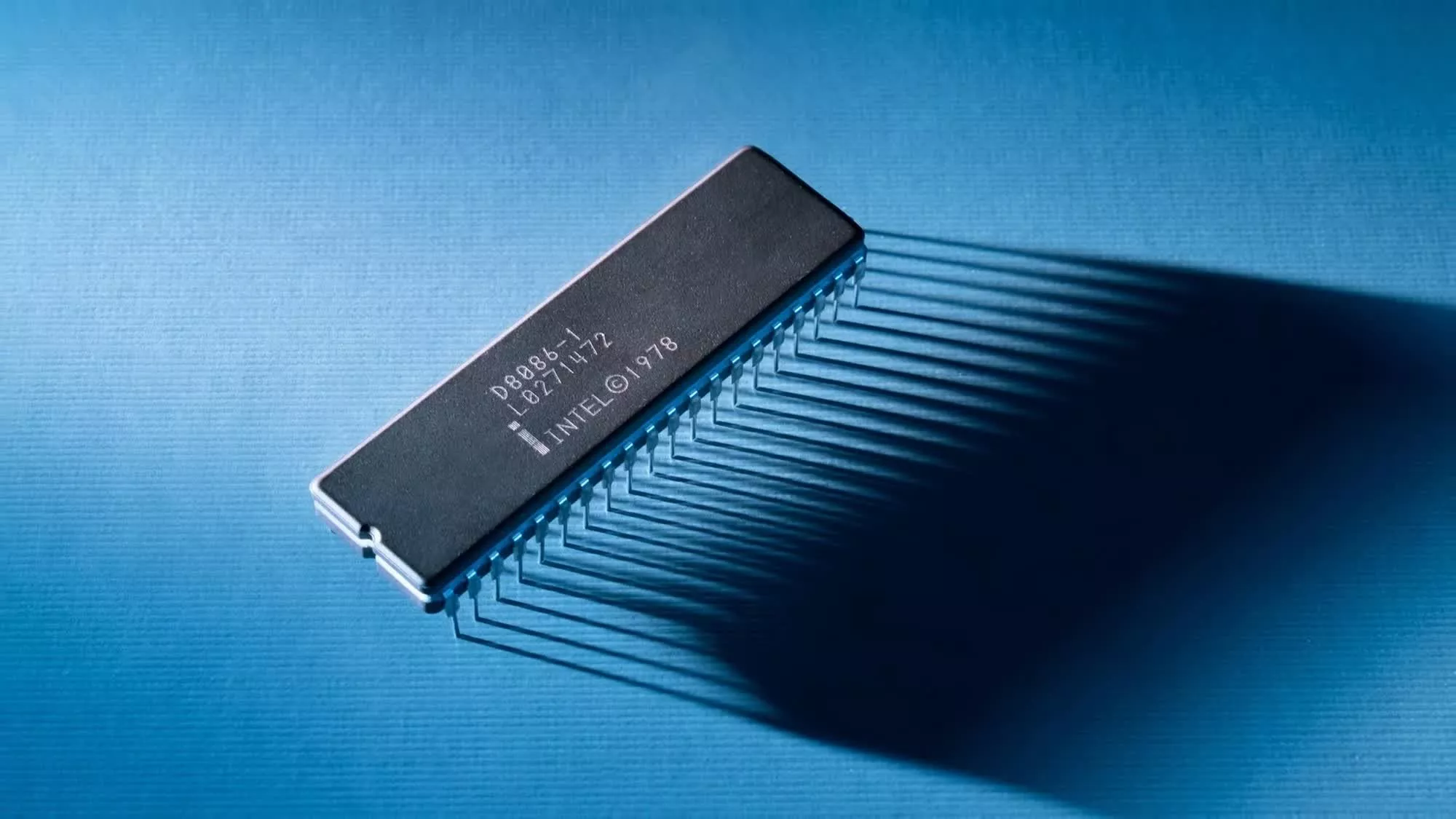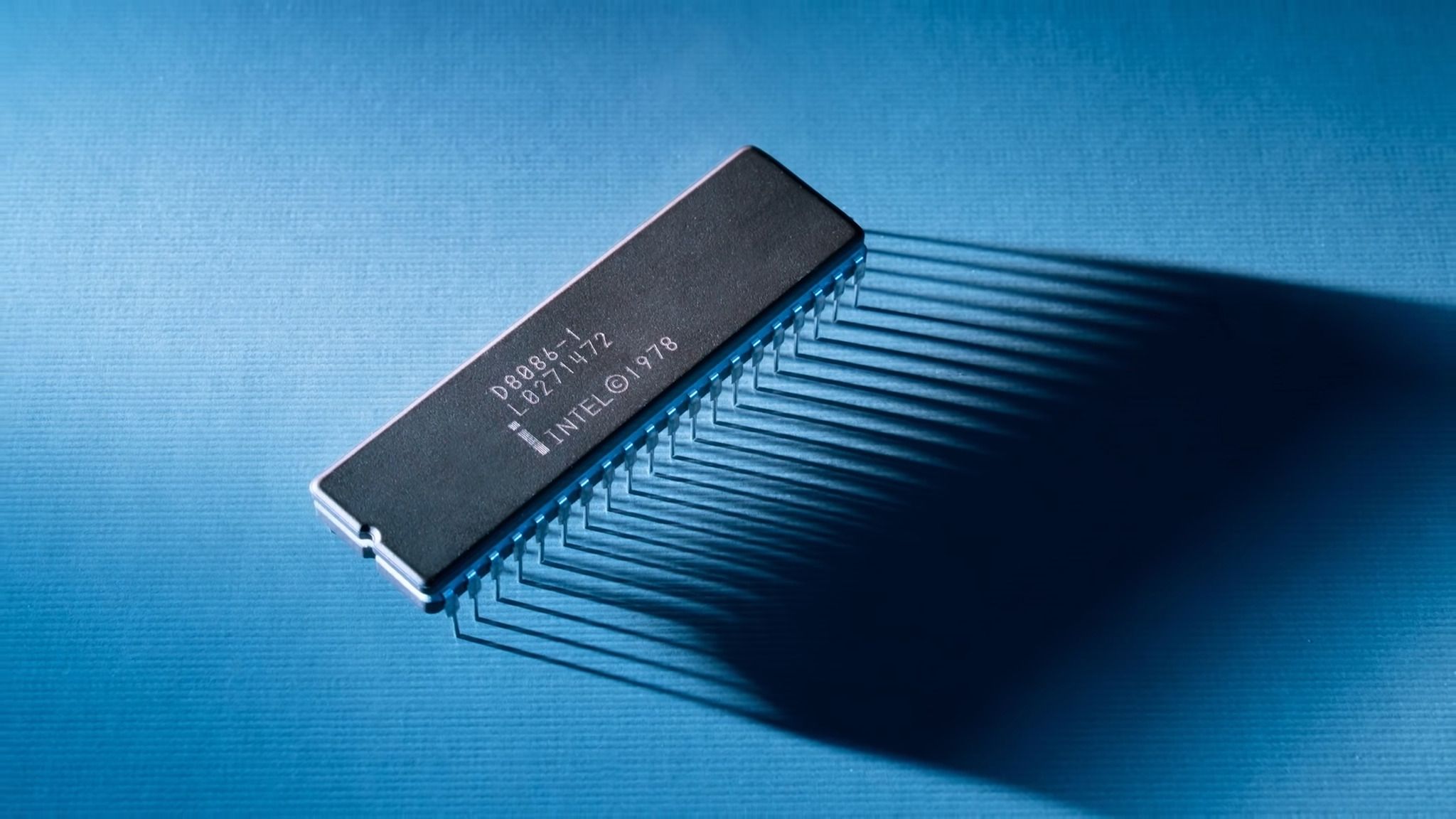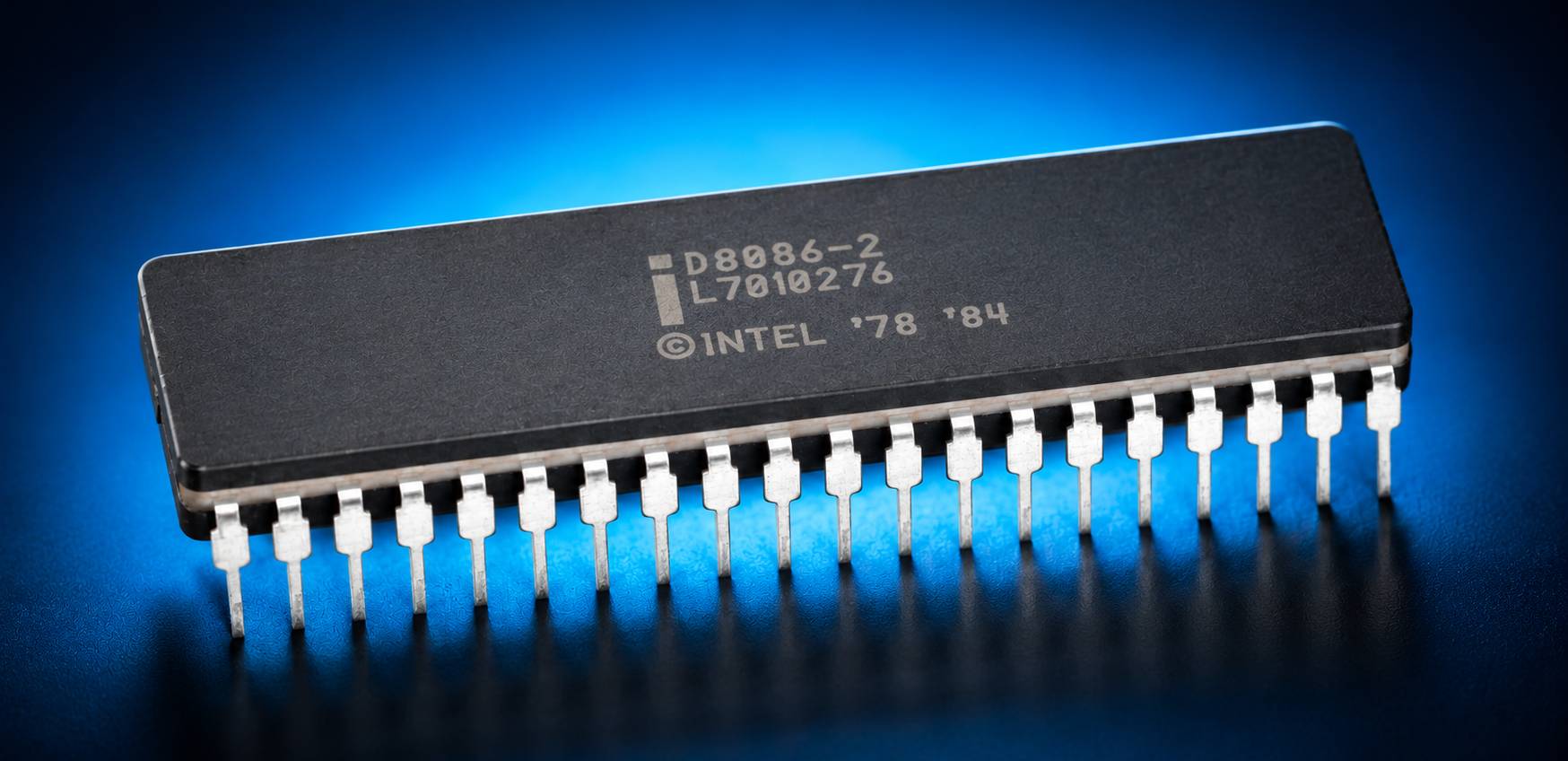
Every connected device you build today, from an ESP32 blinking on a breadboard to an industrial gateway pushing sensor data to the cloud, is a descendant of one small chip released in 1971: the Intel 4004. It was the first commercially available microprocessor, and it proved a radical idea, that the entire logic of a computer's central processor could live on a single piece of silicon. That idea is the foundation of the whole embedded and IoT industry.
A calculator contract that changed computing
The 4004 was not born from a grand plan to reinvent computing. In 1969 a Japanese calculator company, Busicom, asked Intel to design a set of chips for a line of desktop calculators. The original request called for around a dozen custom chips. Intel engineer Ted Hoff proposed a different approach: instead of hard-wiring the logic for one calculator, design a single general-purpose processor that could be programmed to do the job, and reuse it across many products.
Federico Faggin led the design work that turned the concept into working silicon, with Stanley Mazor and Busicom's Masatoshi Shima contributing to the architecture. The result, shipped in November 1971, packed about 2,300 transistors onto a 4-bit chip running at 740 kHz. By the standards of a modern microcontroller it is almost comically small, yet it did something no chip had done before: it separated the hardware from the task. Change the program, change what the machine does.