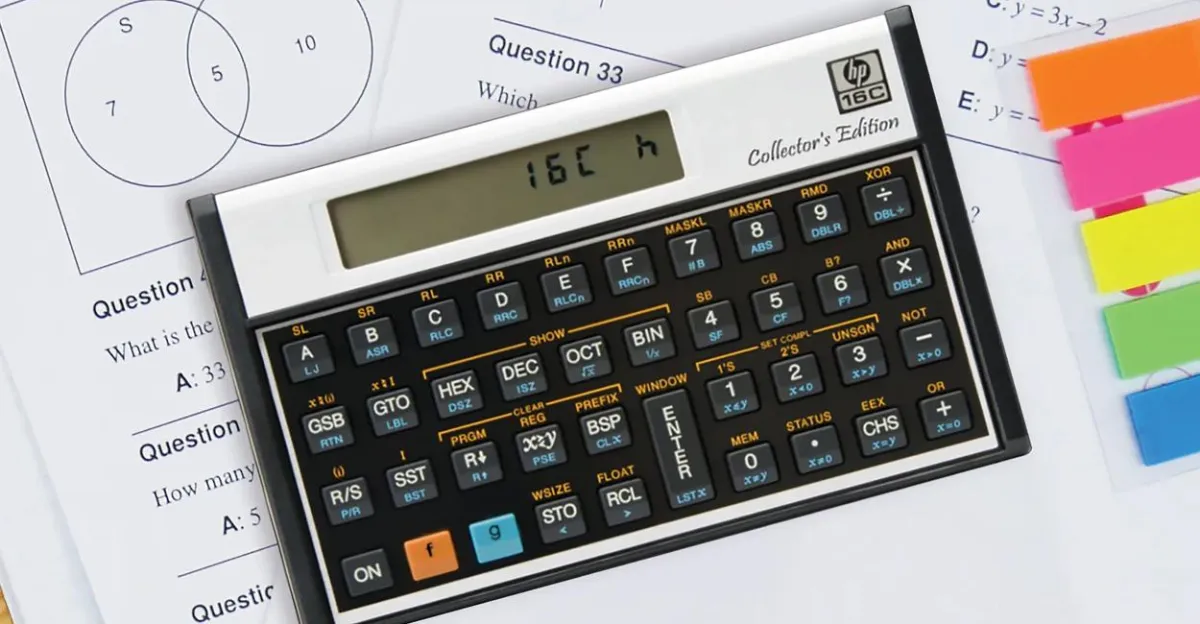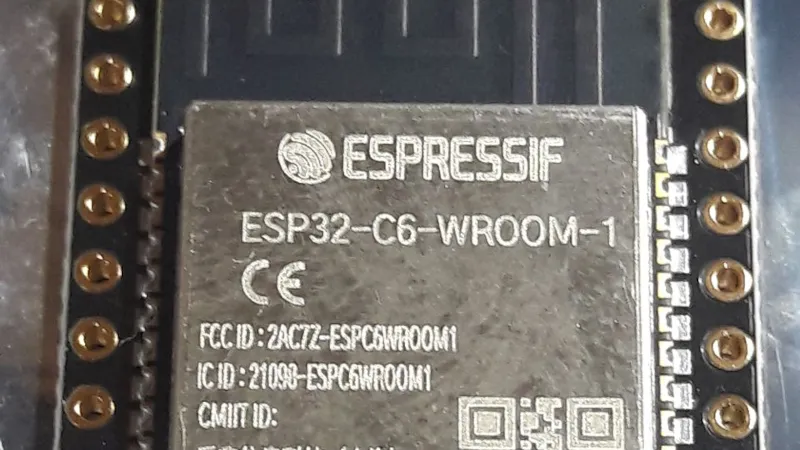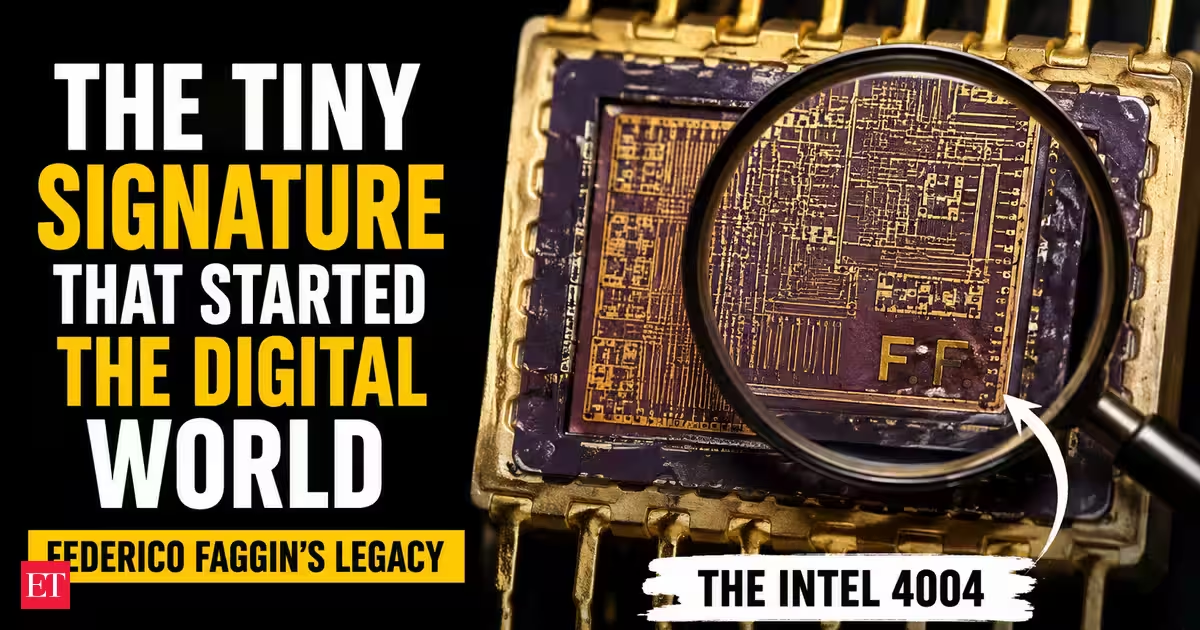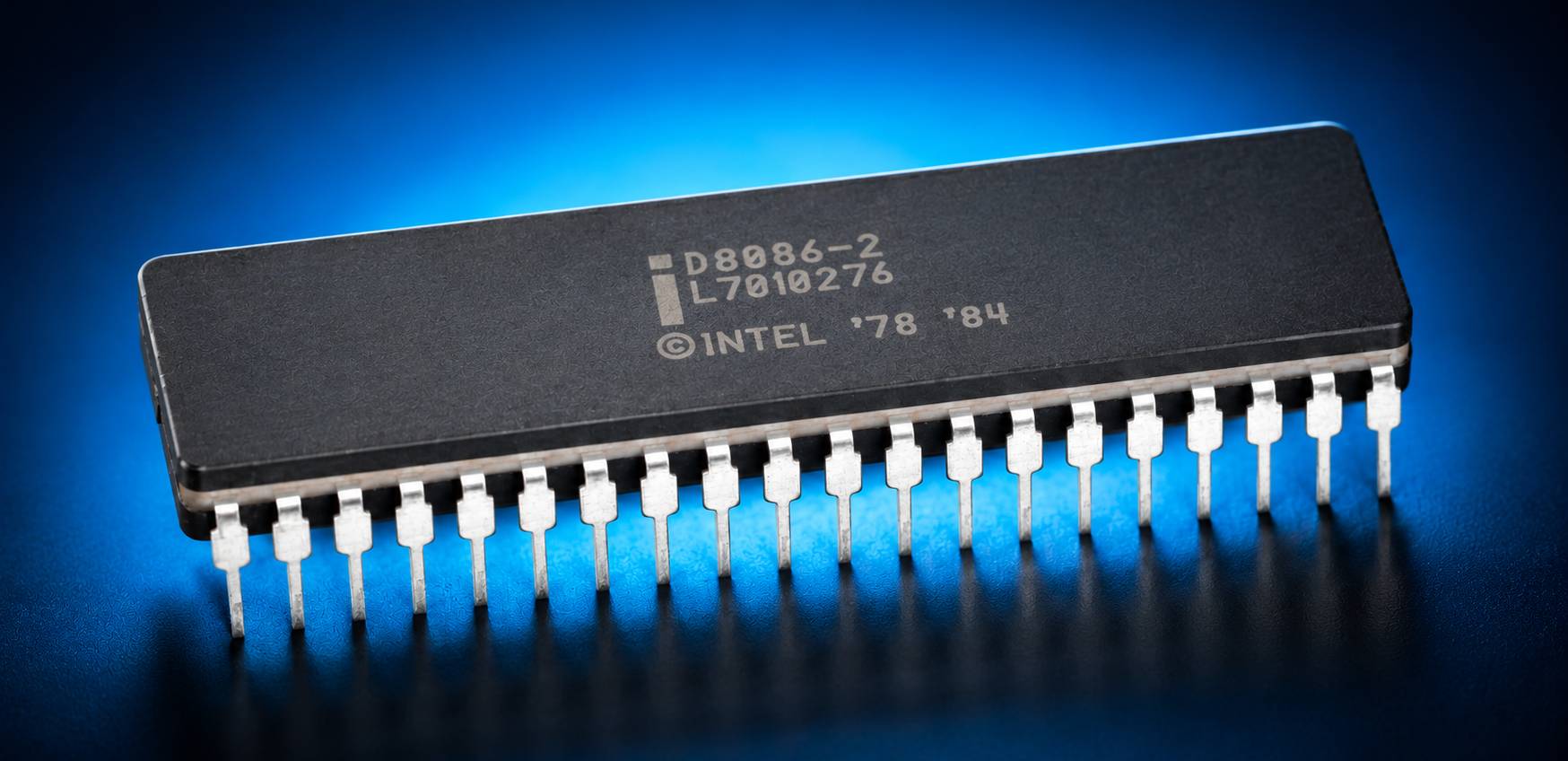
Every connected device on your desk, from a smart plug to a fitness band to a hobbyist ESP32 board, runs on a descendant of one tiny chip that was never meant to change the world. In 1971, Intel released the 4004, the first commercially available microprocessor. It was not built for computers, robots, or the internet. It was built to run a desk calculator. The story of how a calculator chip became the foundation of modern IoT is one of the most instructive in all of electronics.
A calculator contract that got out of hand
The 4004 began as a job for hire. A Japanese calculator company called Busicom approached Intel in 1969 wanting a set of custom chips for a new line of printing calculators. The original plan called for around a dozen separate, purpose-built integrated circuits, each wired to do one fixed task. It was the standard approach of the era: if you wanted a device to do something, you designed silicon that did exactly that and nothing else.
Intel engineer Ted Hoff looked at the sprawling design and proposed something radical. Instead of a pile of single-purpose chips, why not build one general-purpose processor that could be told what to do through software? A program stored in memory could make the same chip behave like a calculator today and something else entirely tomorrow. Stanley Mazor helped shape the architecture, and a newly arrived engineer named Federico Faggin turned the concept into a working device, inventing the silicon-gate design techniques that made it physically possible. Masatoshi Shima, Busicom's representative, worked alongside them on the logic.