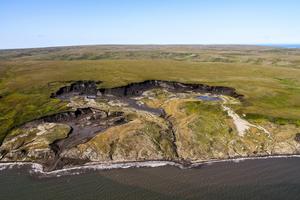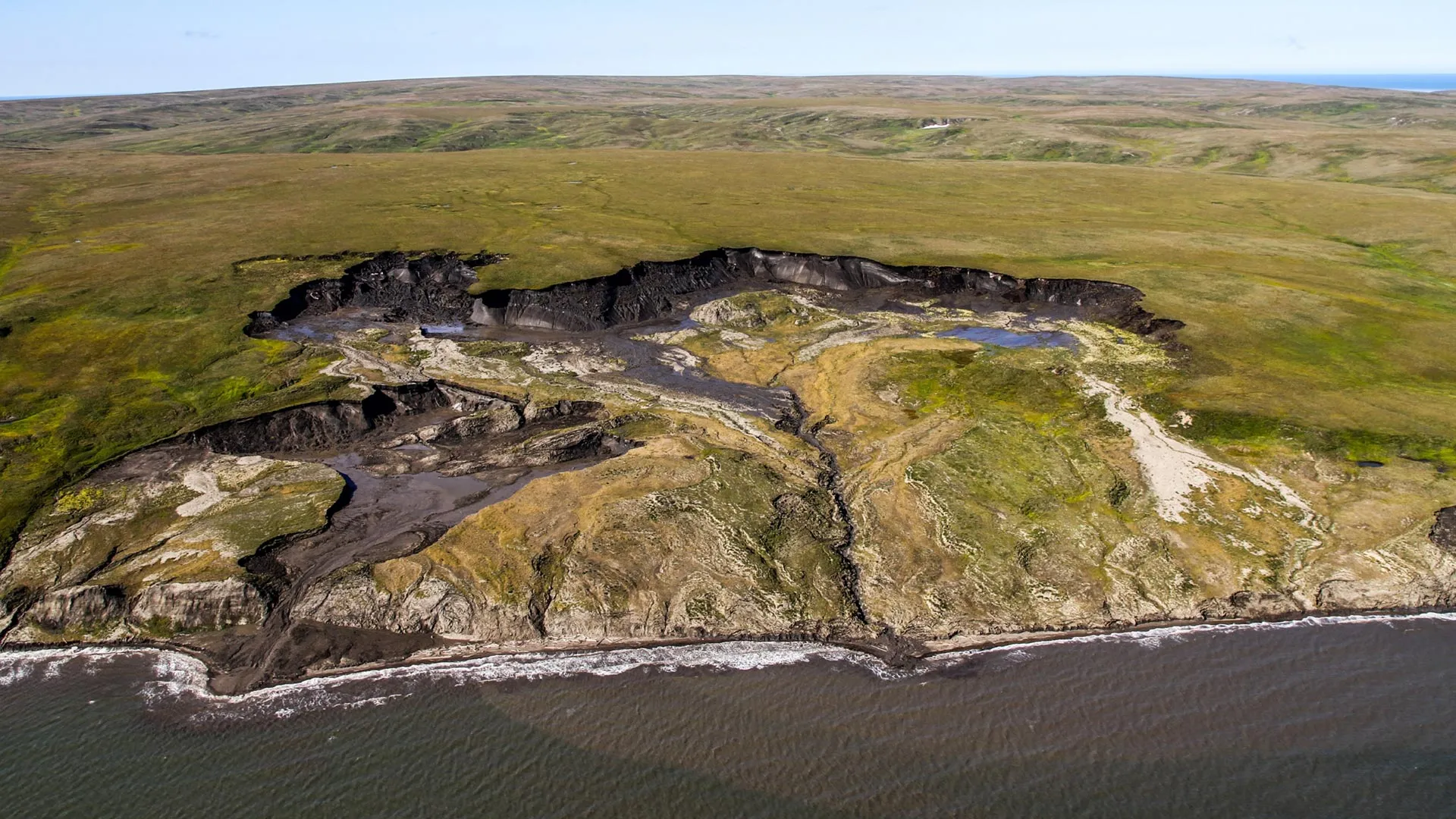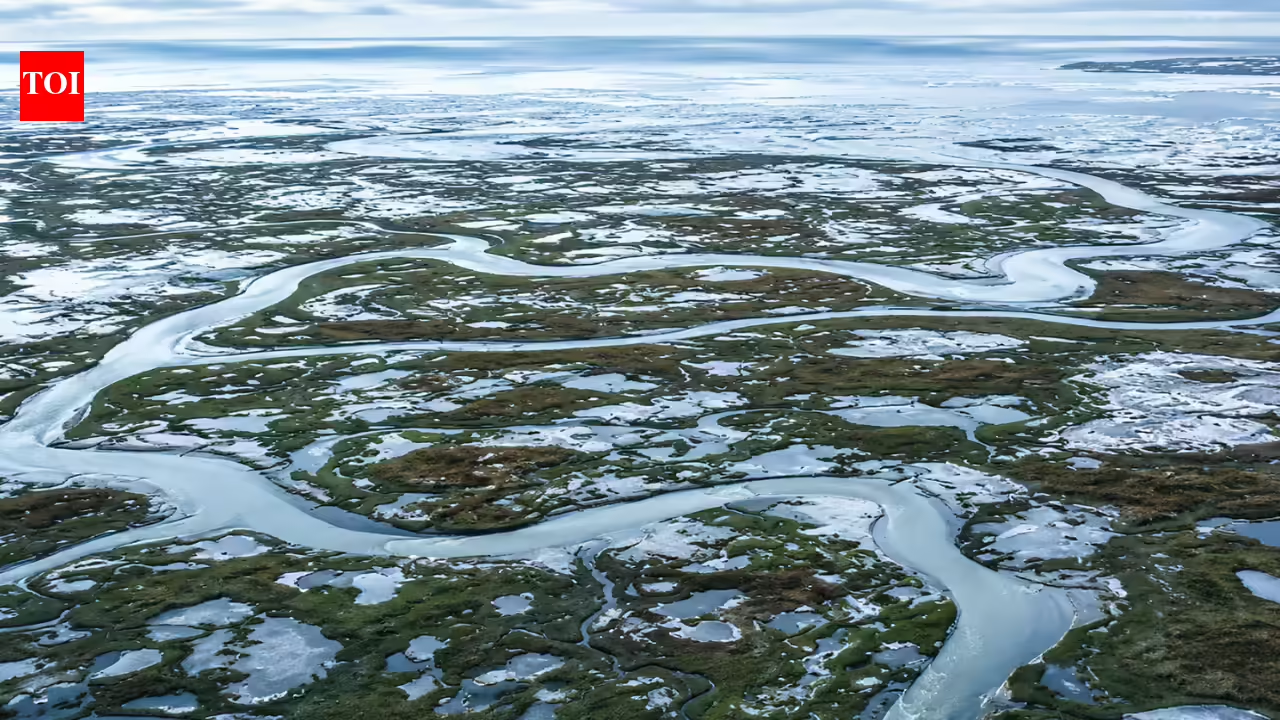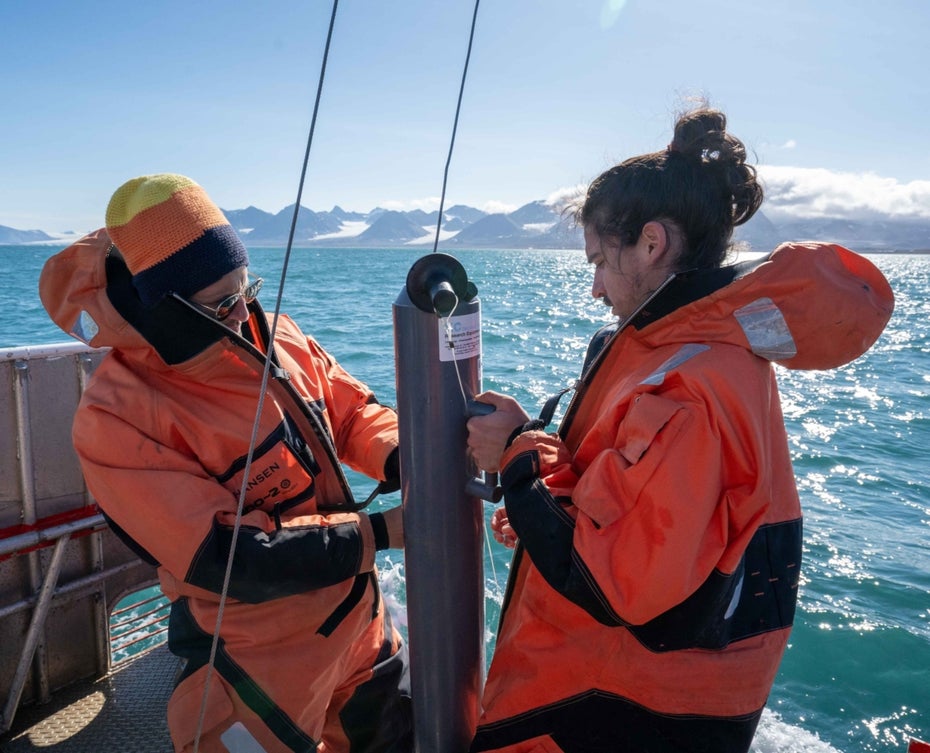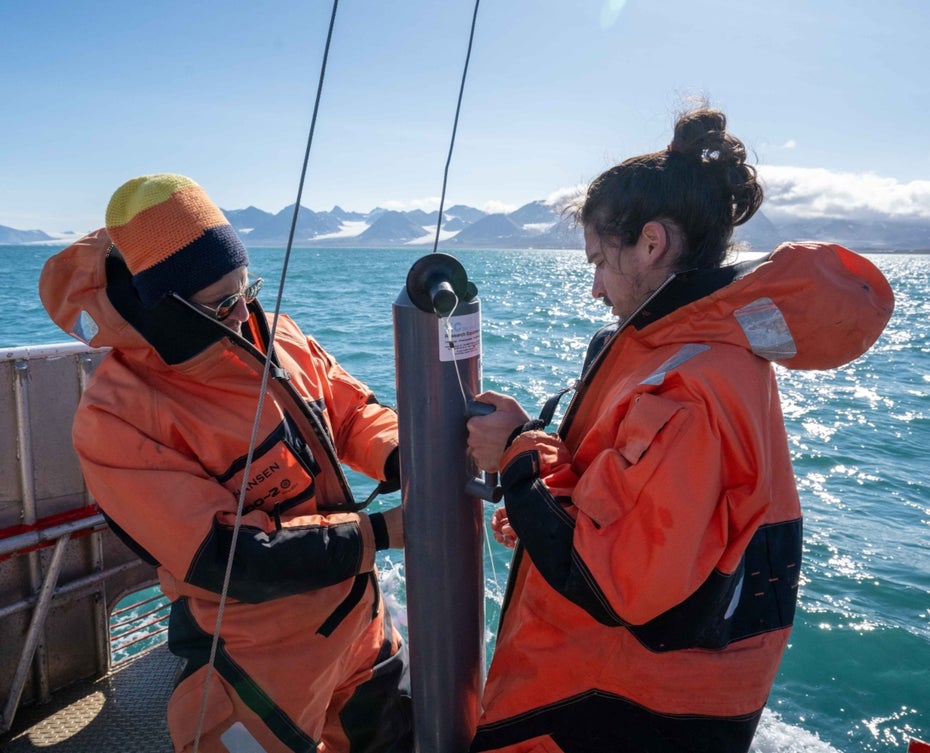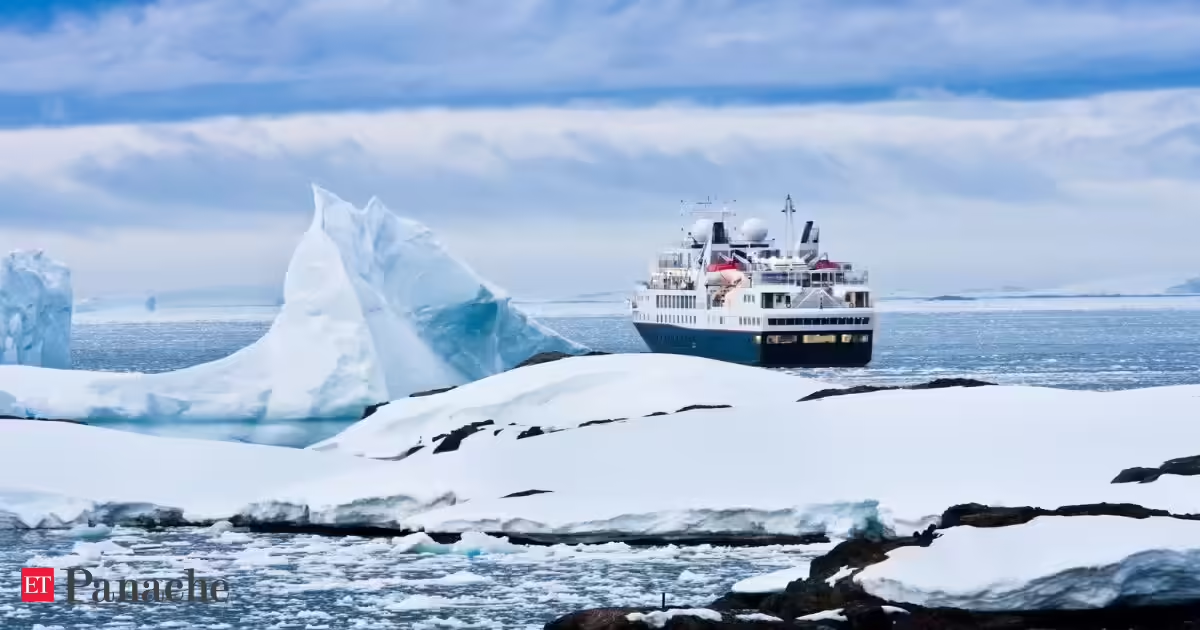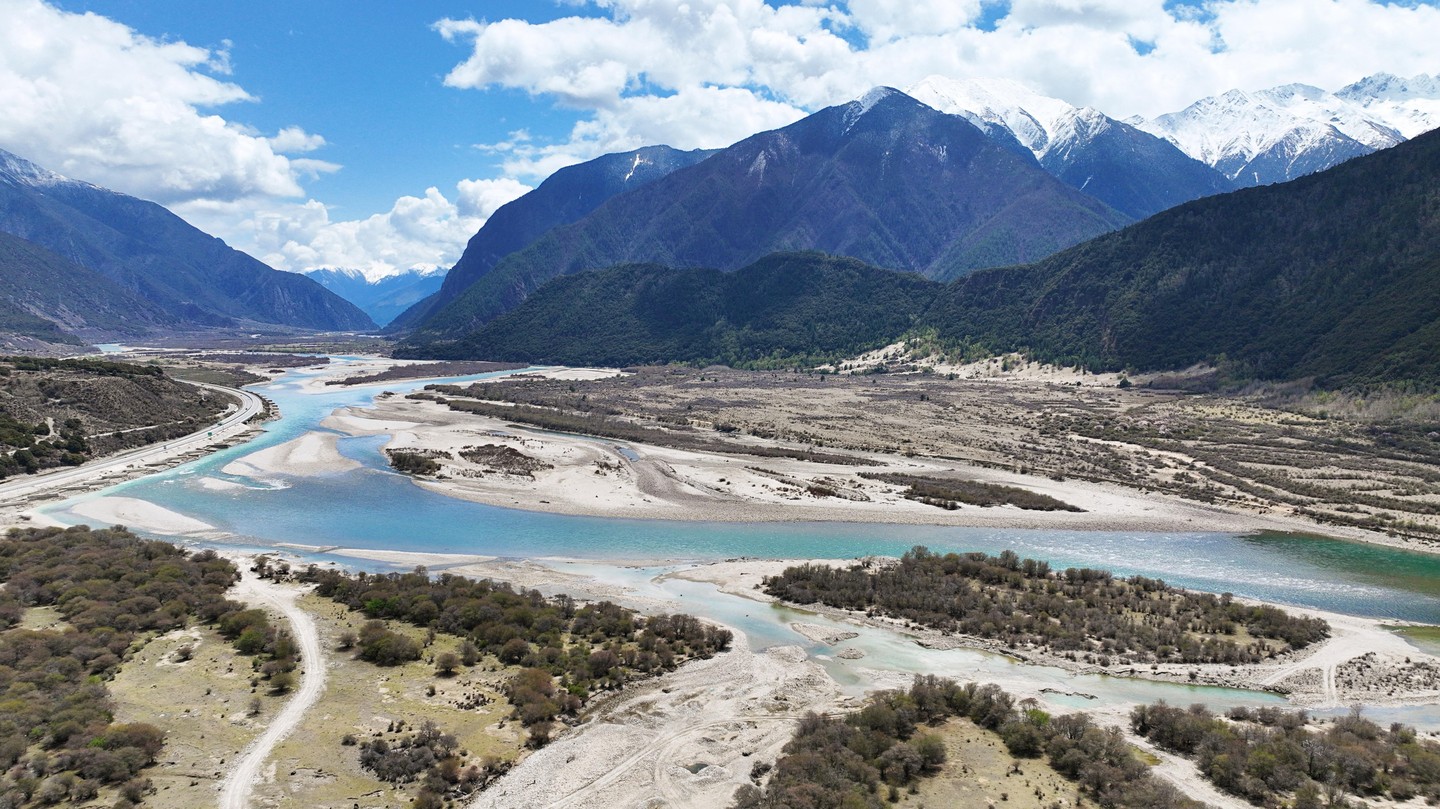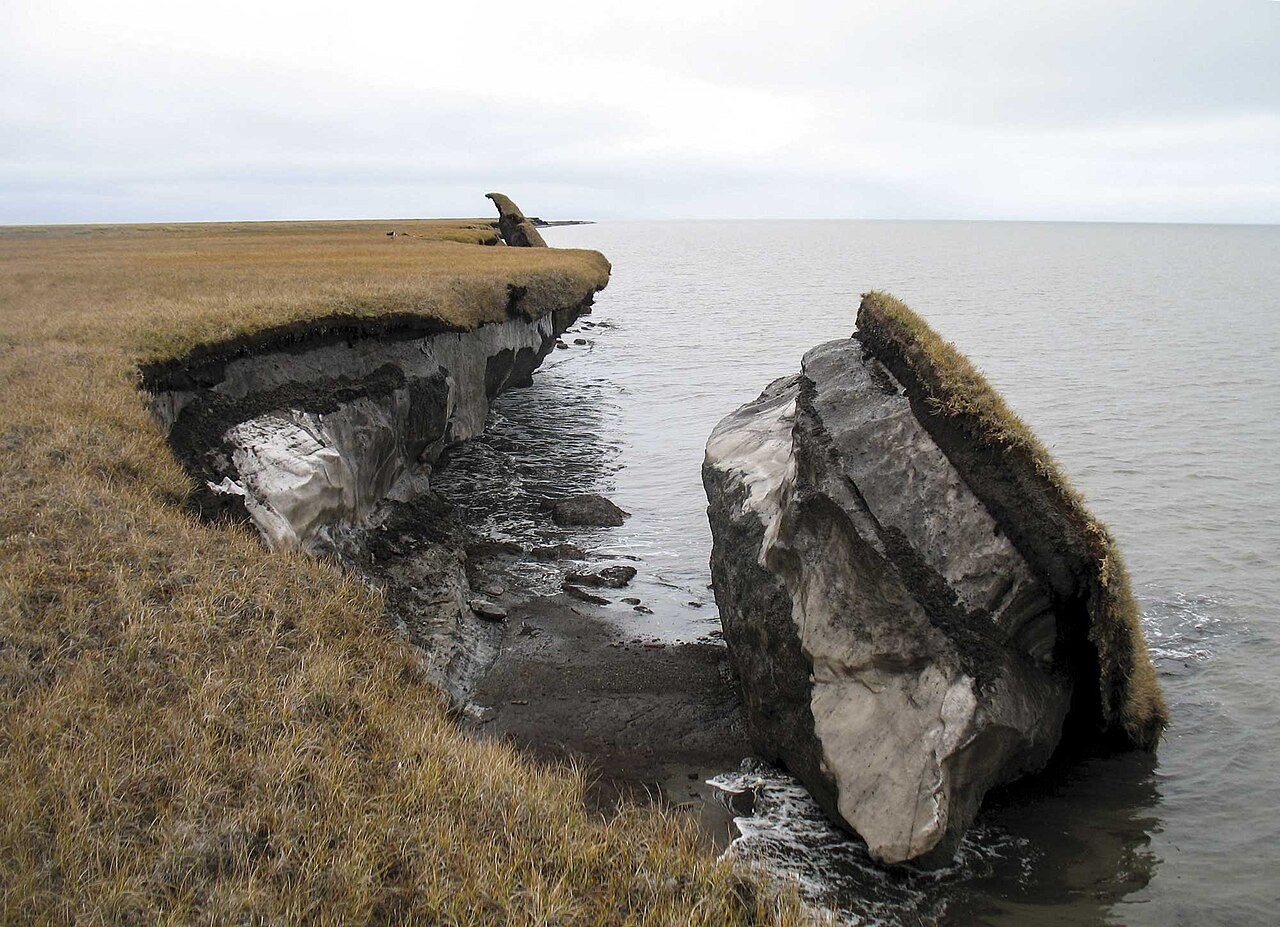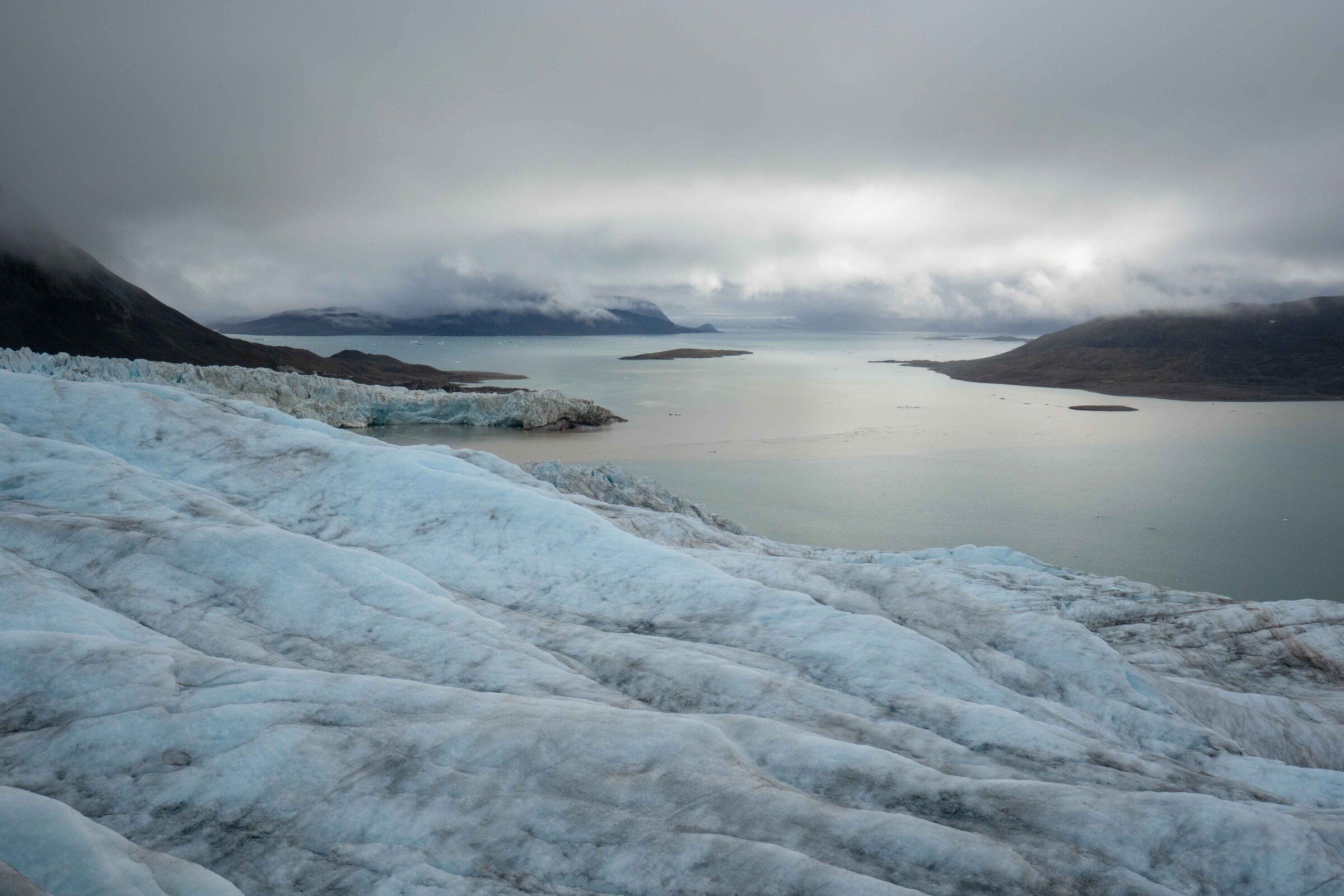
The study area: Kongsfjord and its glacier in the northwest of Spitsbergen. Credit: James Bradley
Arctic fjords are among the most efficient natural systems for absorbing and storing carbon long term. However, as the Arctic is warming about four times faster than the global average, fjord ecosystems are changing rapidly. Against this backdrop, understanding the biological processes that regulate carbon storage is becoming increasingly important. Yet the microbial mechanisms that control whether carbon is stored in sediments or returned to the environment are still not fully understood.
A new study led by Professor William Orsi of the Department of Earth and Environmental Sciences shows that fungi may play a surprisingly important role in keeping carbon locked into the seafloor. Working in Kongsfjorden, Svalbard, an international team of researchers found that marine fungi living in sediments efficiently assimilate dissolved organic matter and retain it as microbial biomass, rather than allowing it to be rapidly remineralized. The study is published in PLOS Biology.
A poorly understood part of the marine carbon cycle
Fungi are known to play important roles in how carbon is processed, retained and stored in terrestrial soils, yet their contribution to carbon cycling in marine sediments has remained largely unknown. Understanding this role is particularly important in Arctic fjords, where microbial activity at the sediment surface influences whether dissolved organic matter (DOM) is converted into microbial biomass, remineralized to CO2, or ultimately buried and sequestered as organic carbon in the sediments.