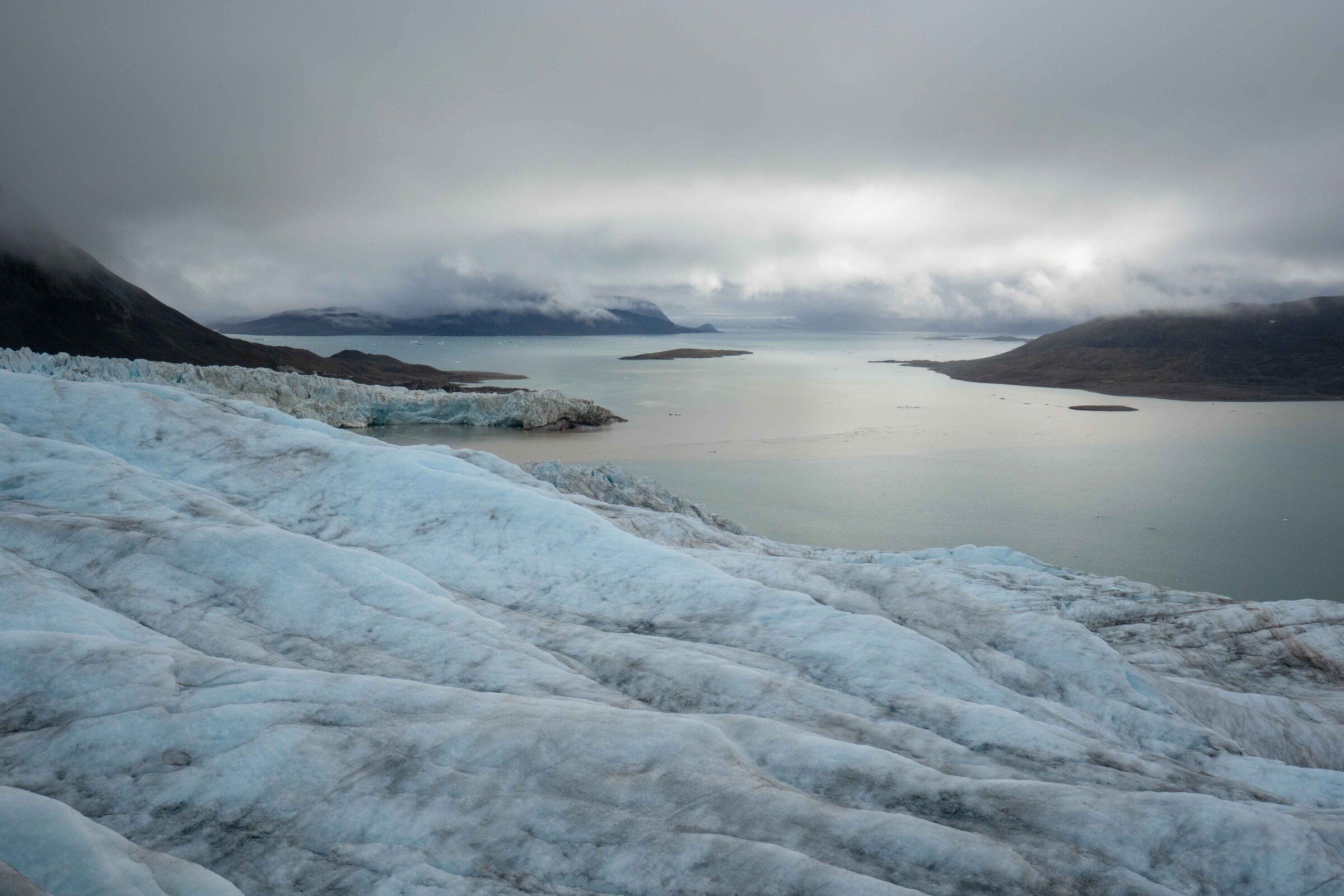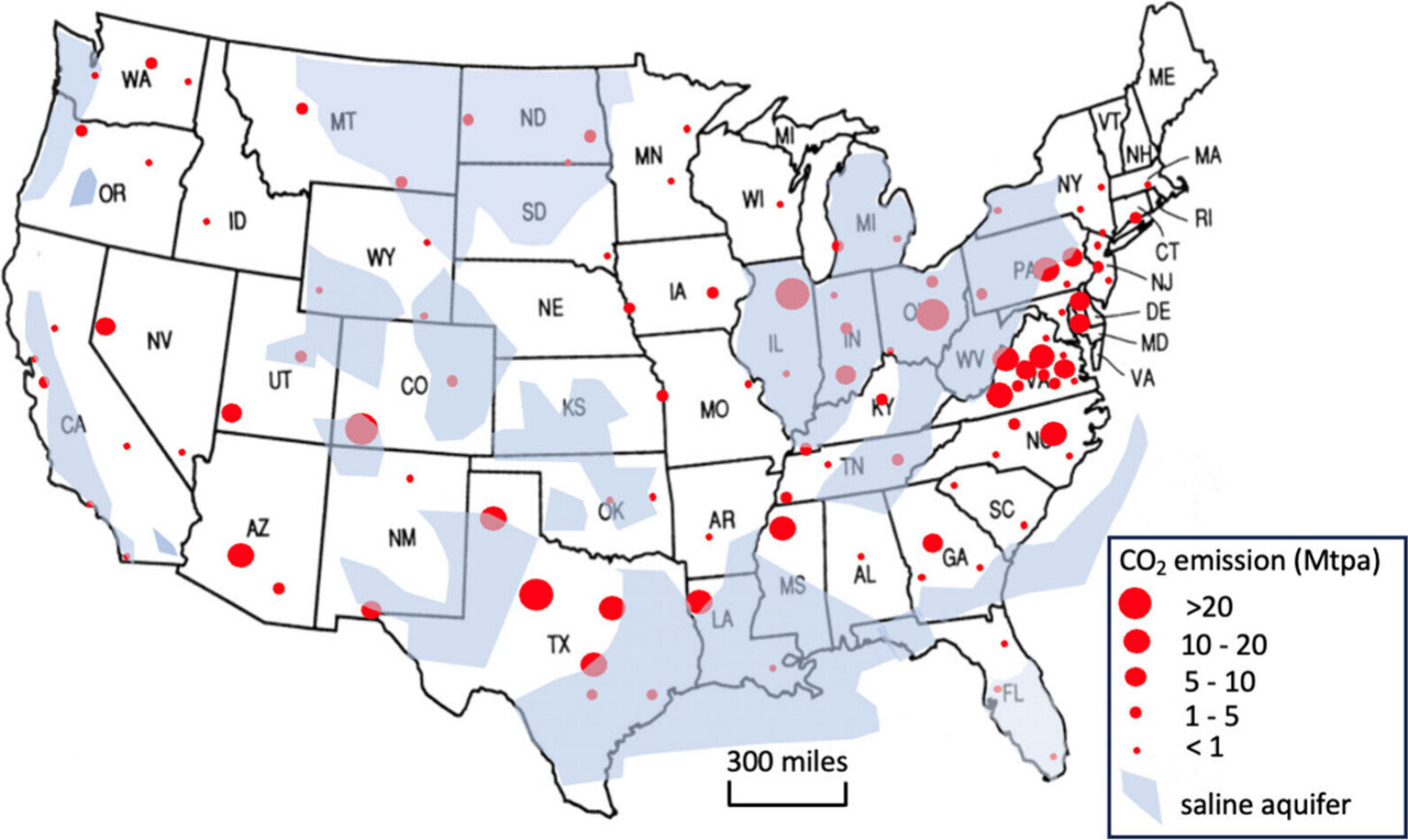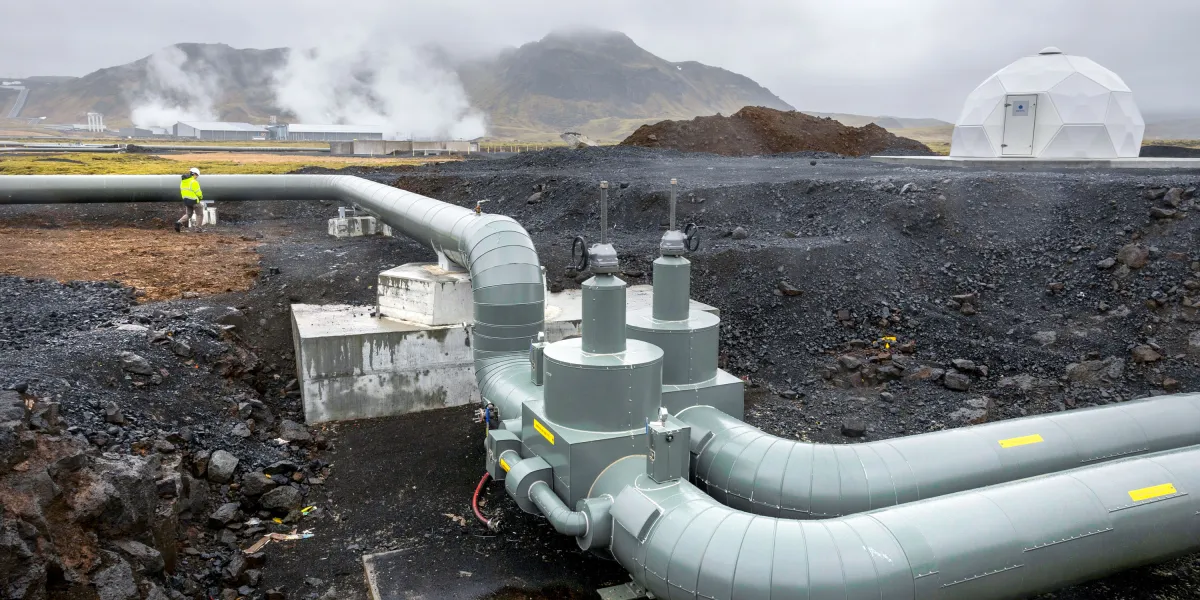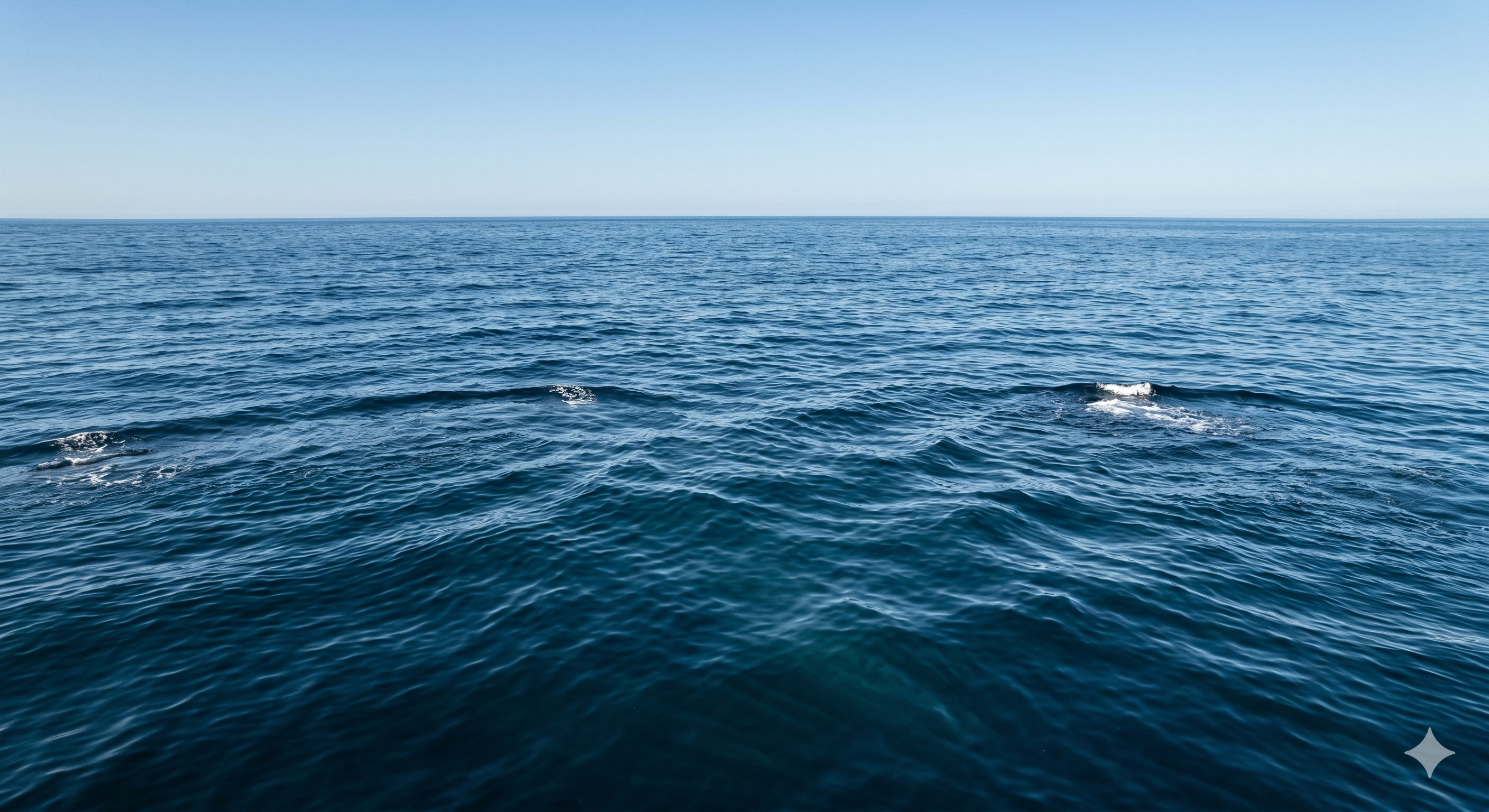
So far this season, we’ve talked about controversial efforts to dim the sun and control the weather — interventions that could buy us time as we decarbonize. But a lot of experts say we can't avoid catastrophic warming without also capturing and storing carbon dioxide — both the carbon we've already emitted and the carbon we continue to emit through industries that are tough to decarbonize, like steel, petrochemicals, and cement.Europe is a leader in Carbon Capture and Storage (CCS), with a goal of storing at least 50 million tons of captured CO2 a year by the end of this decade. So for this episode, we team up with Germany-based reporter Sam Baker from the DW podcast “Living Planet.” We follow carbon dioxide from its source, all the way to its final resting place under the North Sea. And we look beyond the hype to see if Carbon Capture and Storage could be a real climate solution, or just another way for the fossil fuel industry to keep on drilling.We visit a cement plant in Southern Norway that has figured out how to capture the CO2 generated from cracking open the limestone that is used to make cement. The CO2 is then shipped across Norway to the Northern Lights facility in Øygarden, where it’s pumped under the ocean floor.The LARC, or Lighter Amphibious Resupply Cargo vessel, used by researchers to monitor a marine carbon removal project in Duck, North Carolina.Amy Scott/MarketplaceAlso this episode, Host Amy Scott boards an unusual boat on wheels in North Carolina’s Outer Banks to learn about a promising new climate solution called marine carbon dioxide removal. It’s basically an antacid for the ocean, allowing it to suck up even more carbon dioxide than it already does, while potentially mitigating the ocean acidification caused by the burning of fossil fuels.
A Carbon Burial at Sea
We dive into the ocean’s vast potential to store carbon.
303 words~1 min read