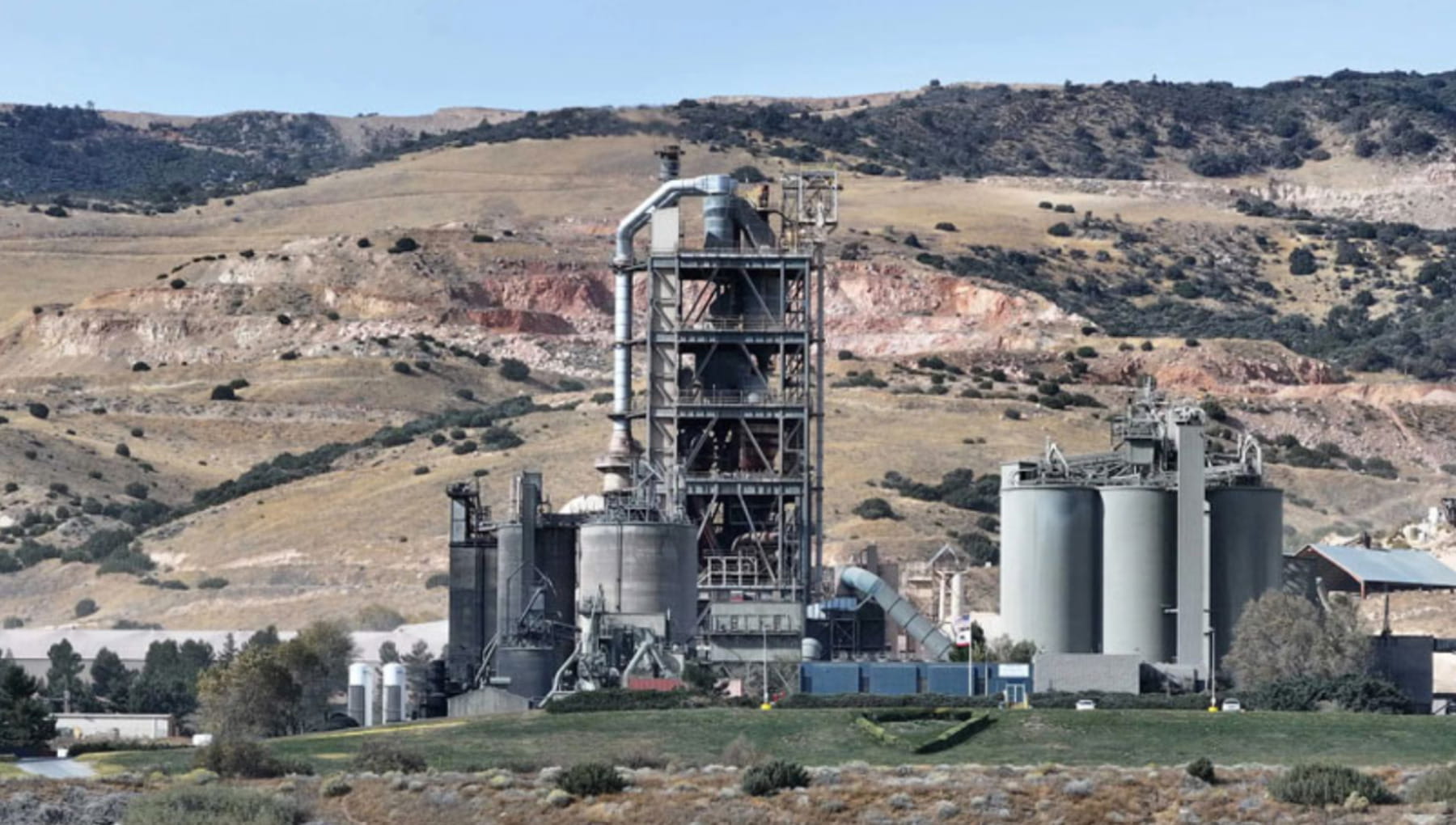
Nearly four years ago, California lawmakers ordered state regulators to prepare for an industry that promised a new way to fight climate change: permanently burying carbon dioxide underground.The law called for rules governing how companies would monitor stored carbon and respond if something failed. It set a January 2025 deadline to address how companies would prove they could pay for cleanup and other costs, and to establish a single application coordinating permits across agencies.More than 19 months after that deadline, California has not adopted its carbon storage rules.In May, California’s largest oil producer, California Resources Corp., began burying carbon at Elk Hills, a vast, century-old oil field in rural Kern County. With its injections, the project became an important test run: the U.S. Environmental Protection Agency, which approved the injections, could point to no other project like it in the United States.
Without its own rules in place, California can’t hold companies like CRC to a tougher standard than the federal government, or make sure for itself that the carbon — a gas that suffocates people in high concentrations and drives climate change — stays in the ground.“If something does go wrong, there are a lot of really important questions about who would actually address those concerns and impacts,” said Michelle Ghafar, an Earthjustice attorney representing groups suing to stop the project. “And we have a history of oil companies not taking responsibility for cleaning up their messes.”