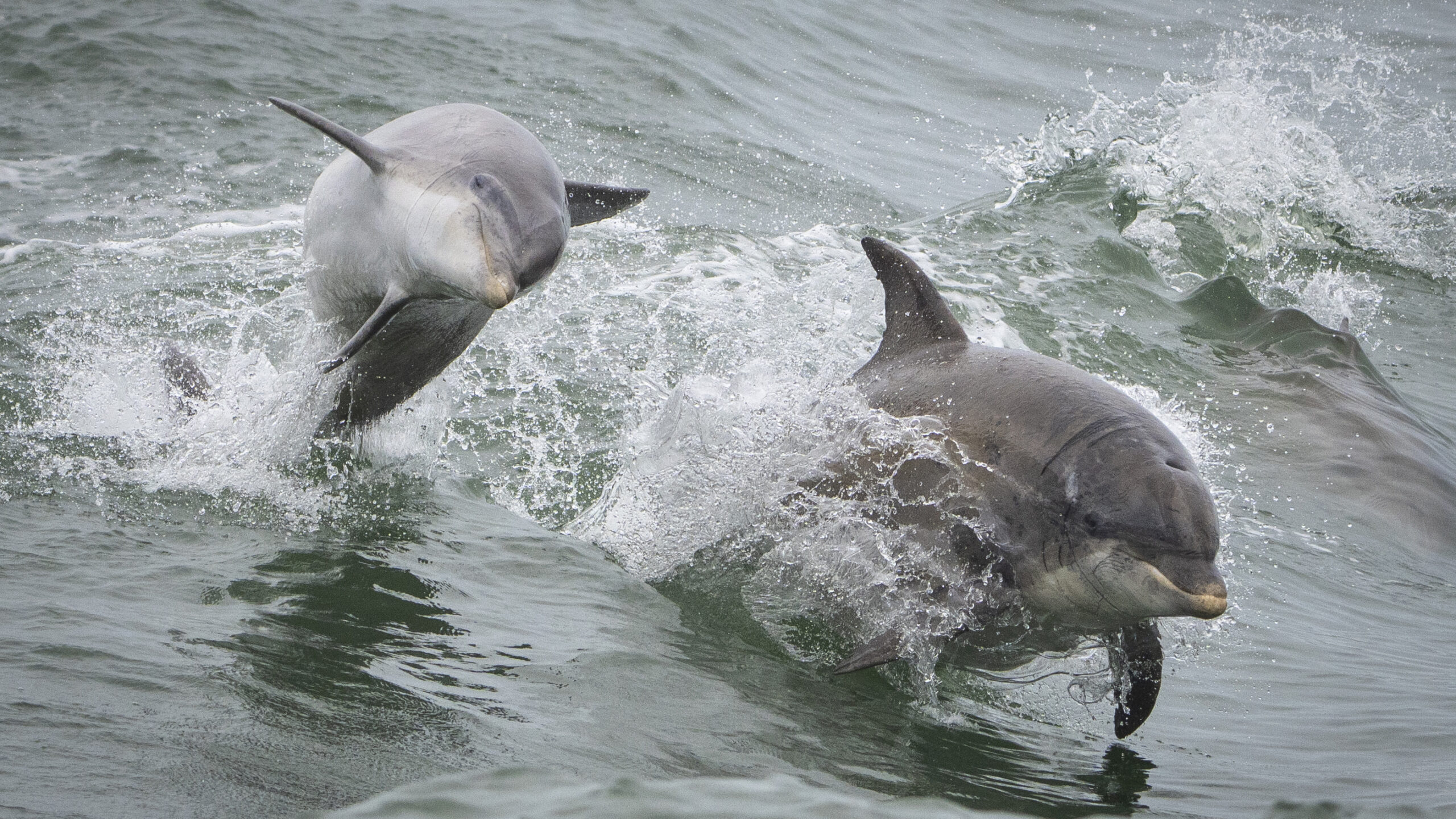
On World Oceans Day, celebrated on 8 June each year, it's important to recognise that the ocean does extraordinary work
We have crossed a carbon-climate threshold. The global average temperature is breaching 1.5°C of warming above pre-industrial levels as a sustained reality. The Paris Agreement‘s most ambitious guardrail, once described as a target to strive towards, is now a line we are crossing.
The question is no longer how to avoid overshoot but how to minimise it and whether we can chart a credible climate-restoration course that will involve clawing back CO2 emitted beyond the 1.5°C threshold, regionally and globally.
The physics of climate change is unforgiving. Every fraction of human-linked CO2 emissions leads to additional warming, which amplifies climate risks — more frequent and lethal winds, heatwaves, droughts and floods, accelerated ice loss, deeper coral bleaching and ocean acidification (the ocean becoming more acidic as it absorbs excess carbon dioxide from the atmosphere). The remaining carbon budget to limit warming to 1.5°C has effectively been exhausted, which means that reaching net-zero emissions, while essential, is no longer sufficient on its own.
To stabilise and ultimately bring climate systems out of the danger zone, we must make deep cuts to CO2 emissions and scale up carbon dioxide removal (CDR) — actively drawing CO2 out of the atmosphere and storing it durably. It is an urgent scientific problem and a governance and policy imperative.