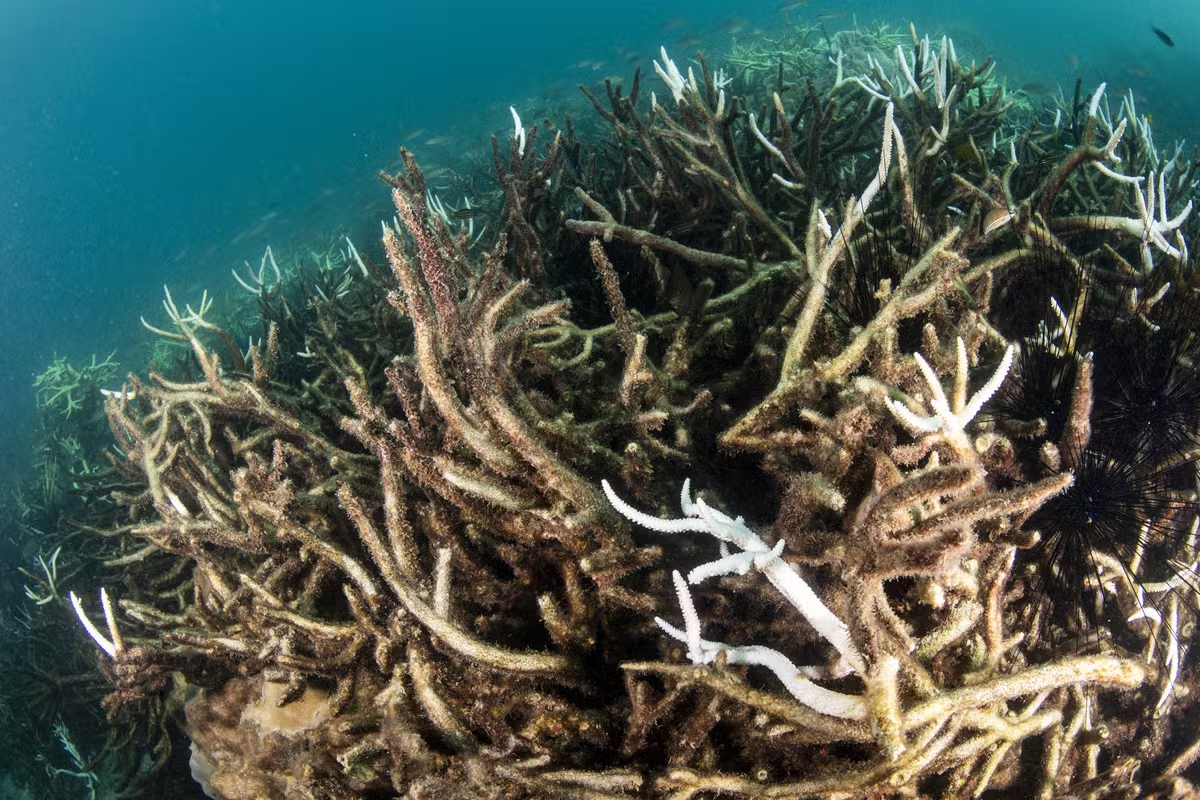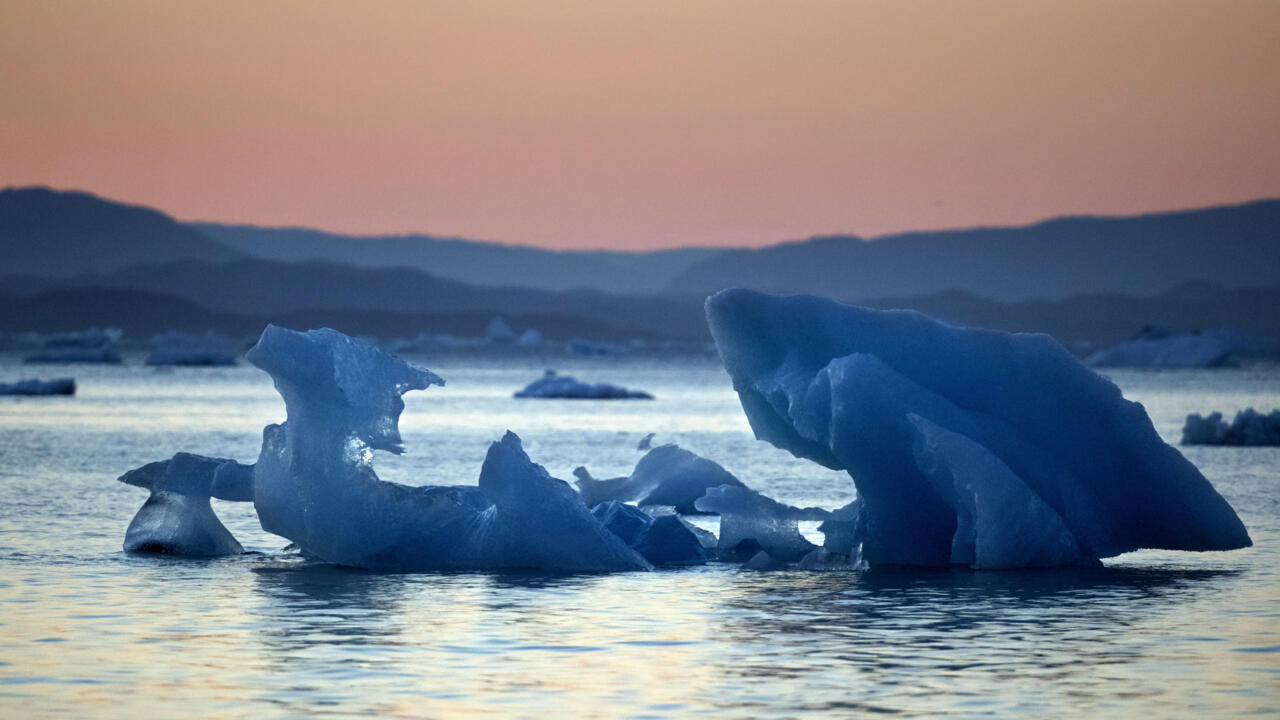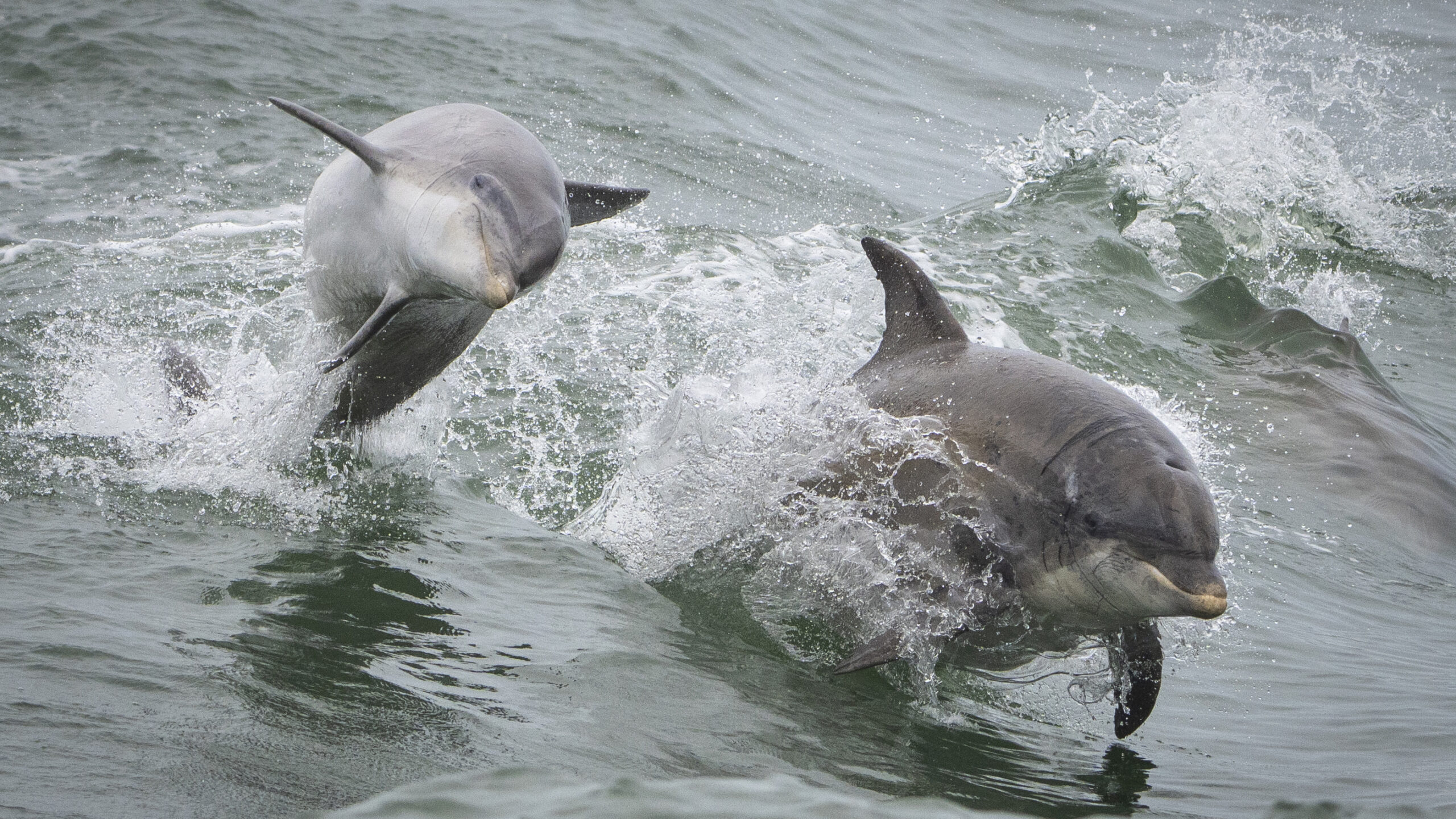
On June 8, the U.N. released its third World Ocean Assessment, a comprehensive report on the state of the global ocean between 2021 and 2025, compiled by around 600 experts from 86 countries.The report highlights a deepening crisis for the global ocean, as human pressures, including pollution, overfishing and climate change, strain marine ecosystems already under extreme pressure.It notes that ocean governance is improving, and that models that incorporate Indigenous, traditional owner and local community knowledge are likely to achieve better outcomes.However, it also warns that ocean governance remains “fragmented” and insufficient to address the scale of the challenges facing the world’s oceans.
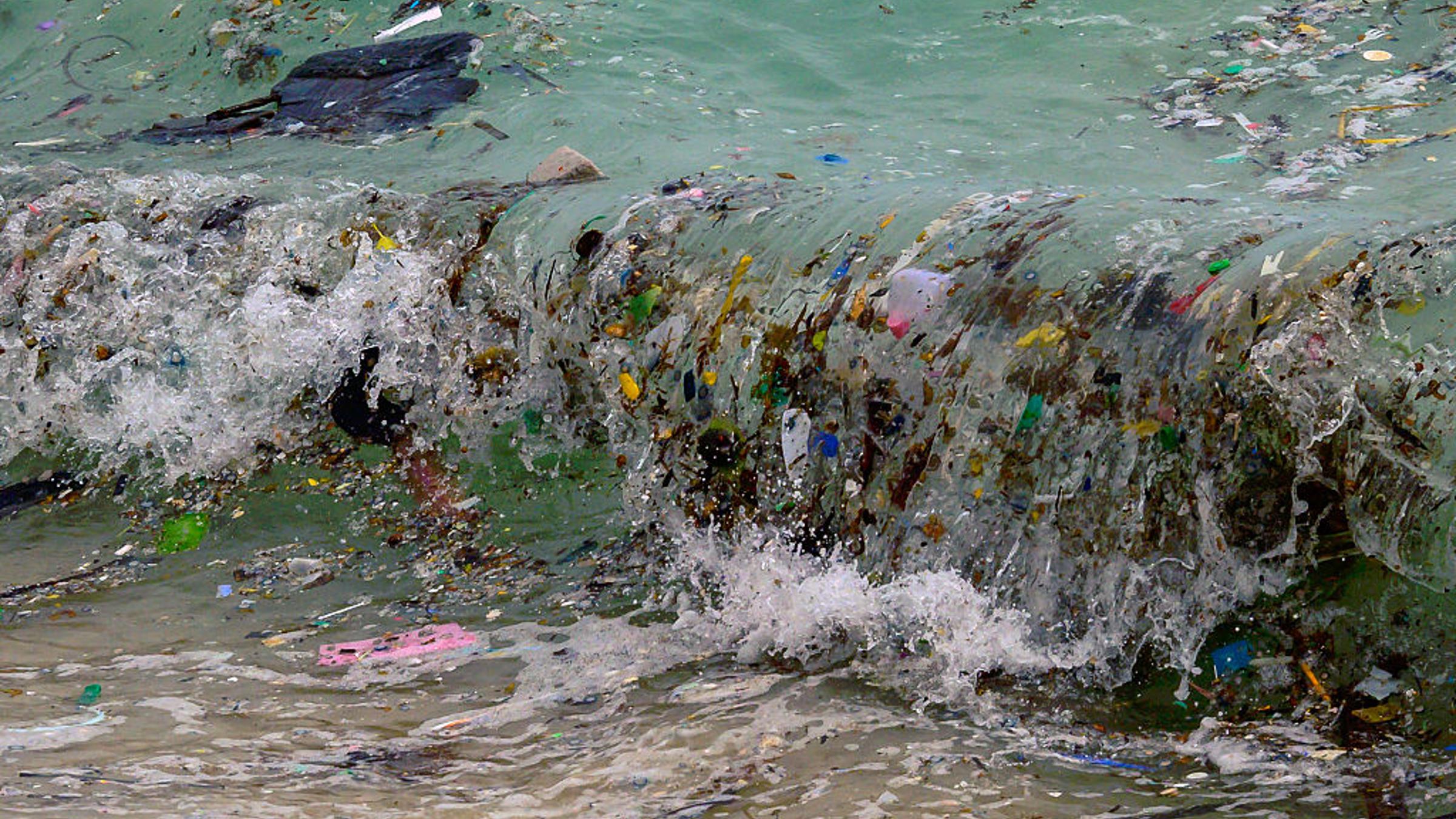
From pollution to overfishing to the escalating effects of climate change, human activities are placing mounting pressure on the world ocean, fueling what U.N. Secretary-General António Guterres describes as a “deepening crisis.”
Those warnings are detailed in the third U.N. World Ocean Assessment, released June 8 and authored by approximately 600 experts from 86 countries. Covering the period between 2021 and 2025, the report echoes concerns raised in the U.N.’s earlier World Ocean Assessments, published in 2015 and 2021, which describe a global ocean under immense strain due to human-driven pressures.