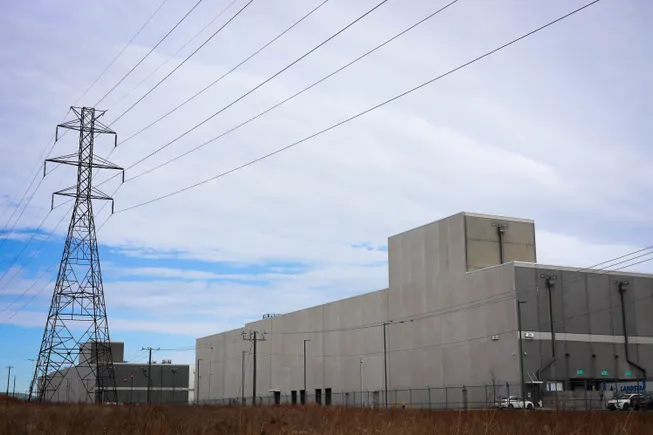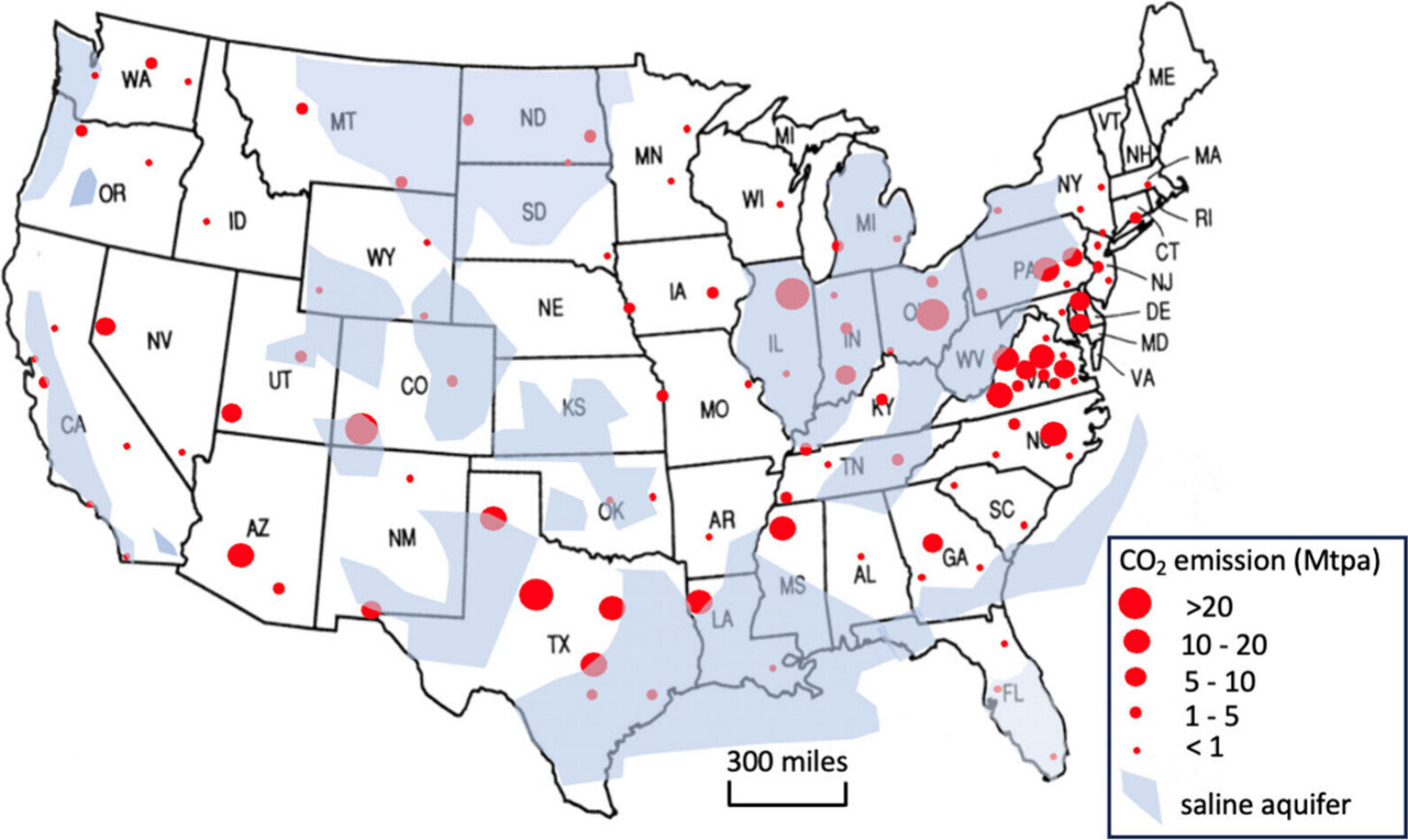
Locations of saline aquifers relative to CO2 emission clusters in the lower 48 states of the U.S. in 2030 (source: authors). Credit: Energy & Fuels (2026). DOI: 10.1021/acs.energyfuels.6c01309
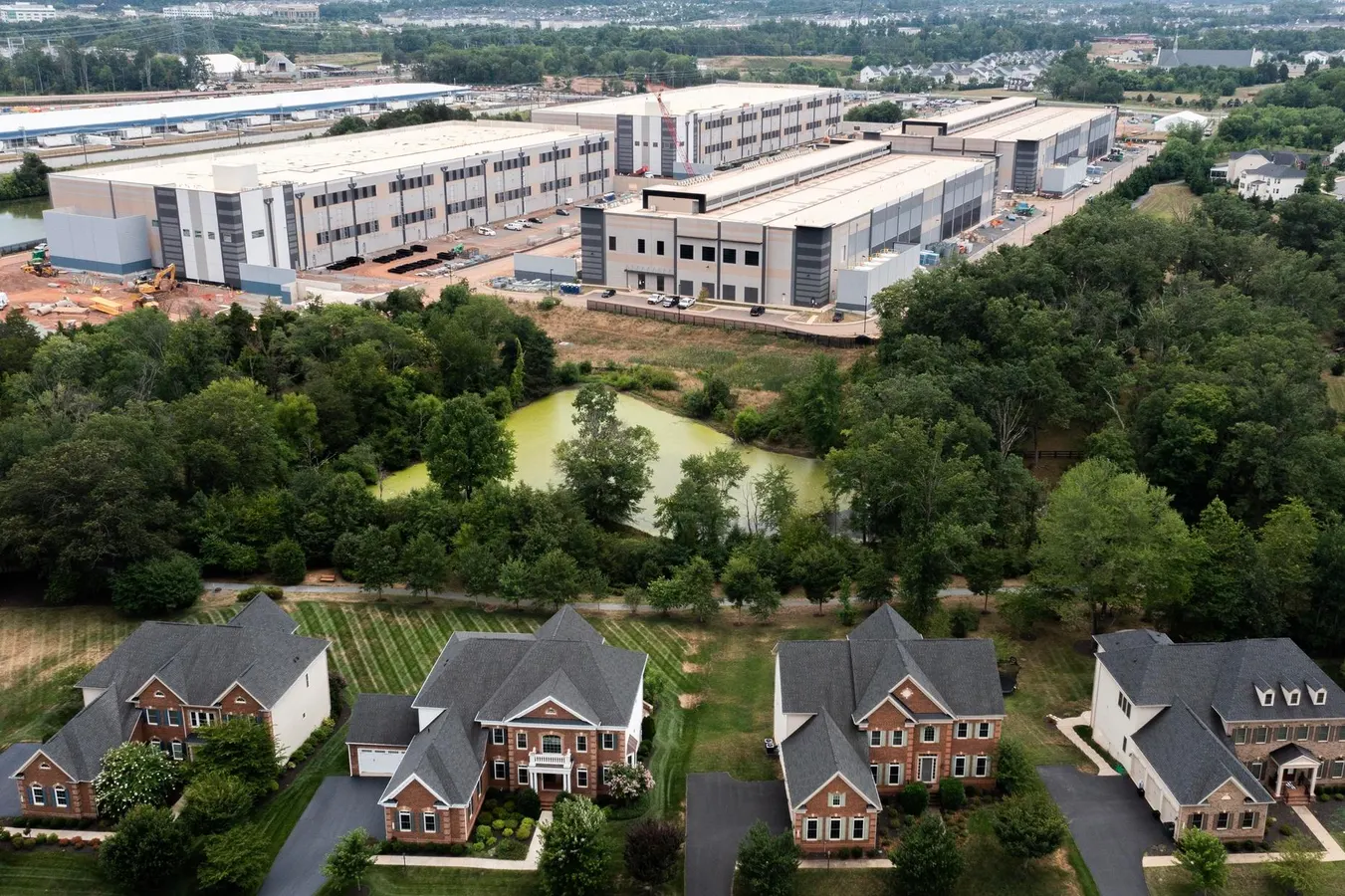
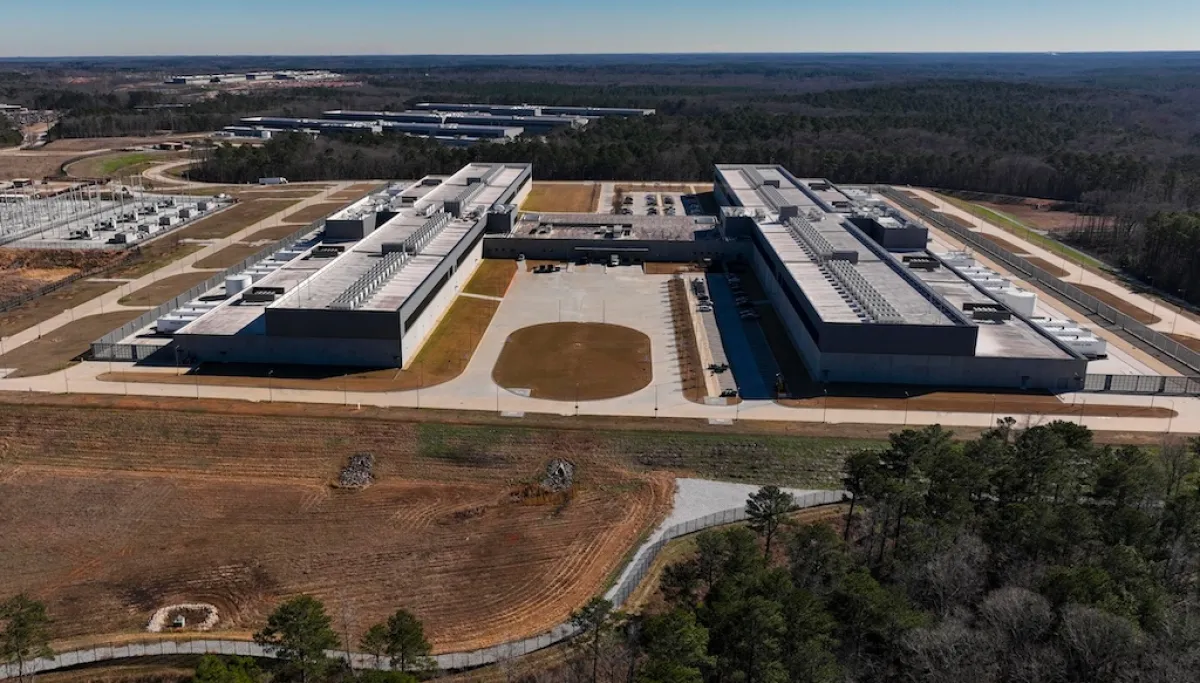
Over the last two decades, annual carbon dioxide emissions in the U.S. have declined significantly. In recent years, however, this trend has slightly reversed, likely due to the explosive growth of data centers. As energy-intensive data centers proliferate, their emissions could undo years of decarbonization efforts. According to an analysis of data in the public domain, capturing and storing emissions in underground reservoirs could halt this reversal, researchers report in Energy & Fuels.
More data centers are needed to keep up with the rapidly growing demand for computational power, particularly to support emerging artificial intelligence models. Study authors Hon Chung Lau and Steve C. Tsai project that the power requirement of data centers in the U.S. will more than quadruple, going from 40 gigawatts (GW) in 2025 to an estimated 169 GW in 2030.
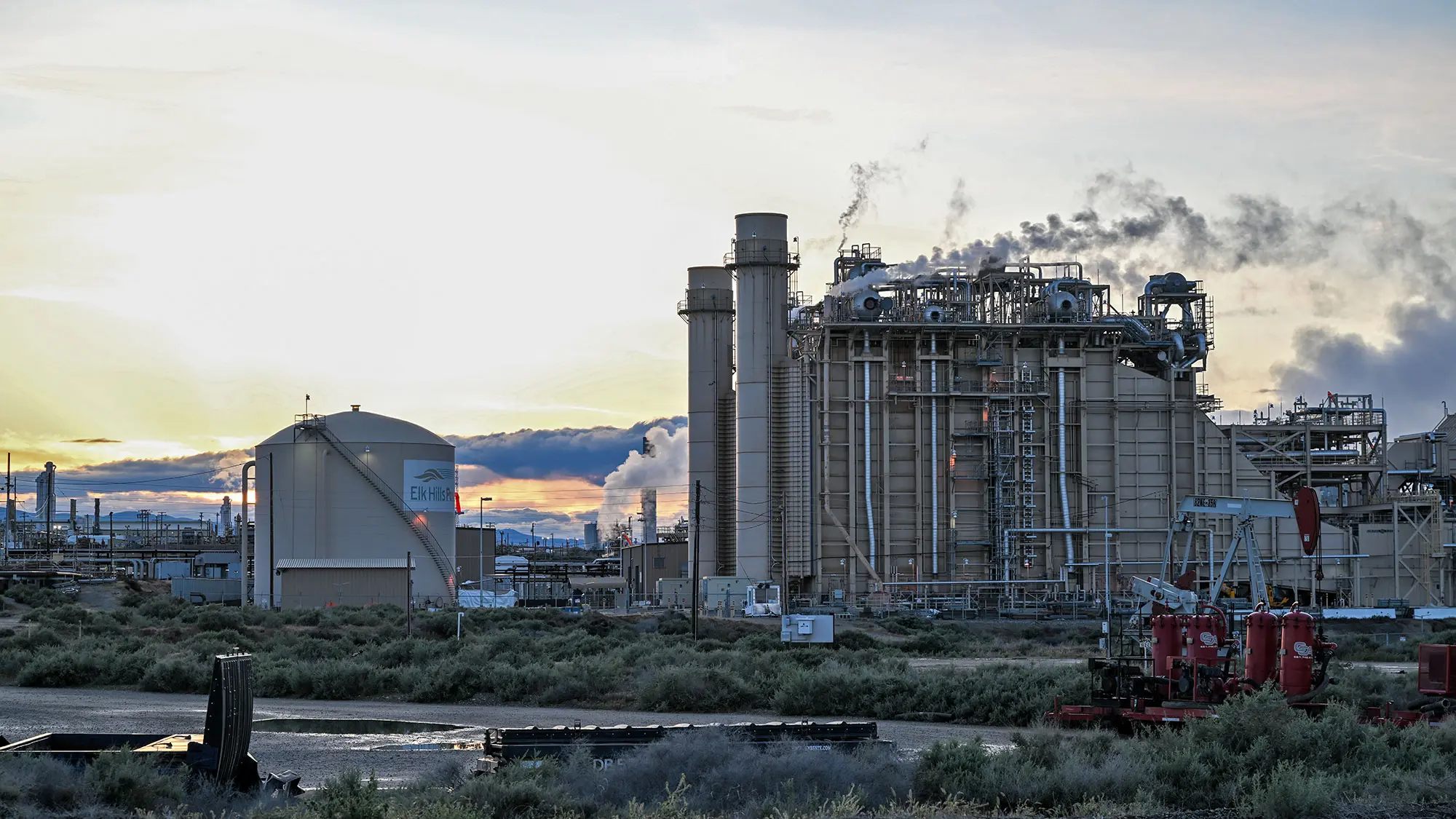
Meeting this demand will require greatly expanding energy production. Fossil fuels—particularly natural gas, which is more abundant and relatively cleaner-burning than coal—are the most reliable solution. "Natural gas combined cycle [NGCC] power plants equipped with carbon capture and storage technologies [CCS] will be the best way to provide power to these data centers and prevent carbon dioxide from being emitted to the atmosphere," Lau says.