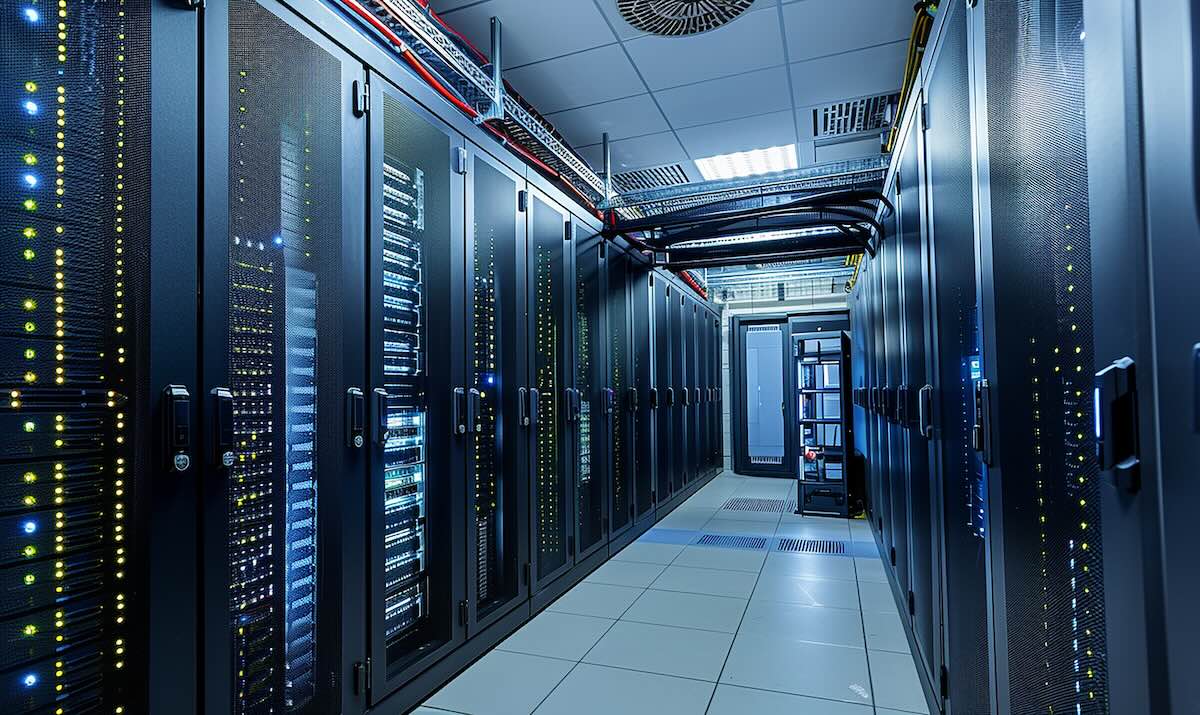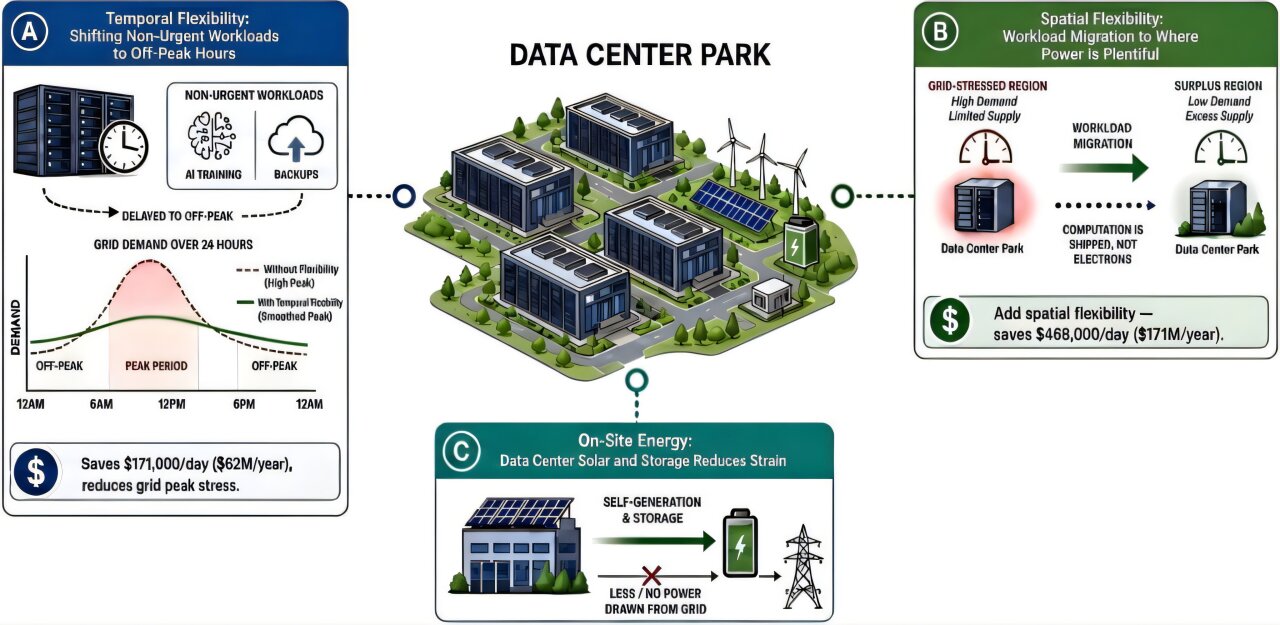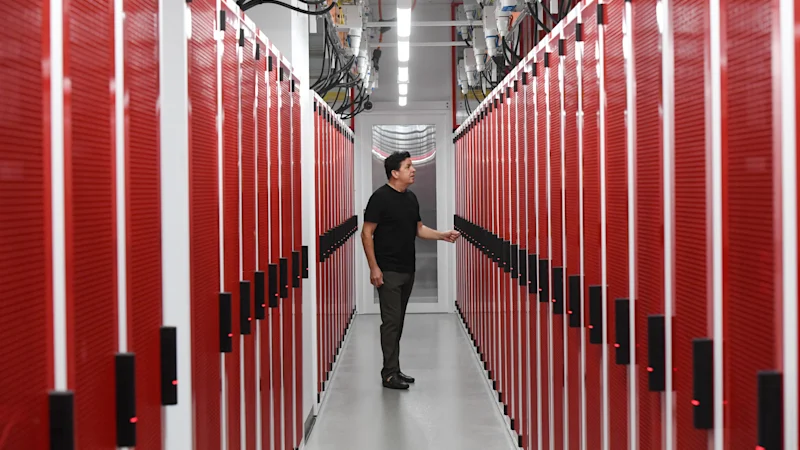
Underneath that buildout sits a problem that almost nobody is talking about. Every one of those data centres needs power, and not just any power: AI training clusters run at near-100% utilisation, 24 hours a day, seven days a week, for weeks at a time. That is not a load you can run on intermittent solar. Without something firm sitting behind it, you default to gas. In markets like India and Indonesia, you default to coal.
At ArkTerra Partners, we ran the modelling. On a business-as-usual grid, that 24.2GW pipeline is tracking toward 166 million tonnes of CO2-equivalent per year by 2030. That is equivalent to nearly a fifth of the global aviation industry’s annual emissions, generated by data centres alone.
Not just an emissions problem
I want to be careful about how I frame this, because framing it as an emissions problem makes it sound abstract. It is not abstract. It is a stranded asset problem. It is a regulatory risk problem. And it is a water security problem, all of which affect project returns directly.
These data centres are essentially being financed today on coal and gas grids that assume a 25-year operational life. Projects financed today could be non-compliant or physically constrained by regulatory standards that come online after investment decisions are made.