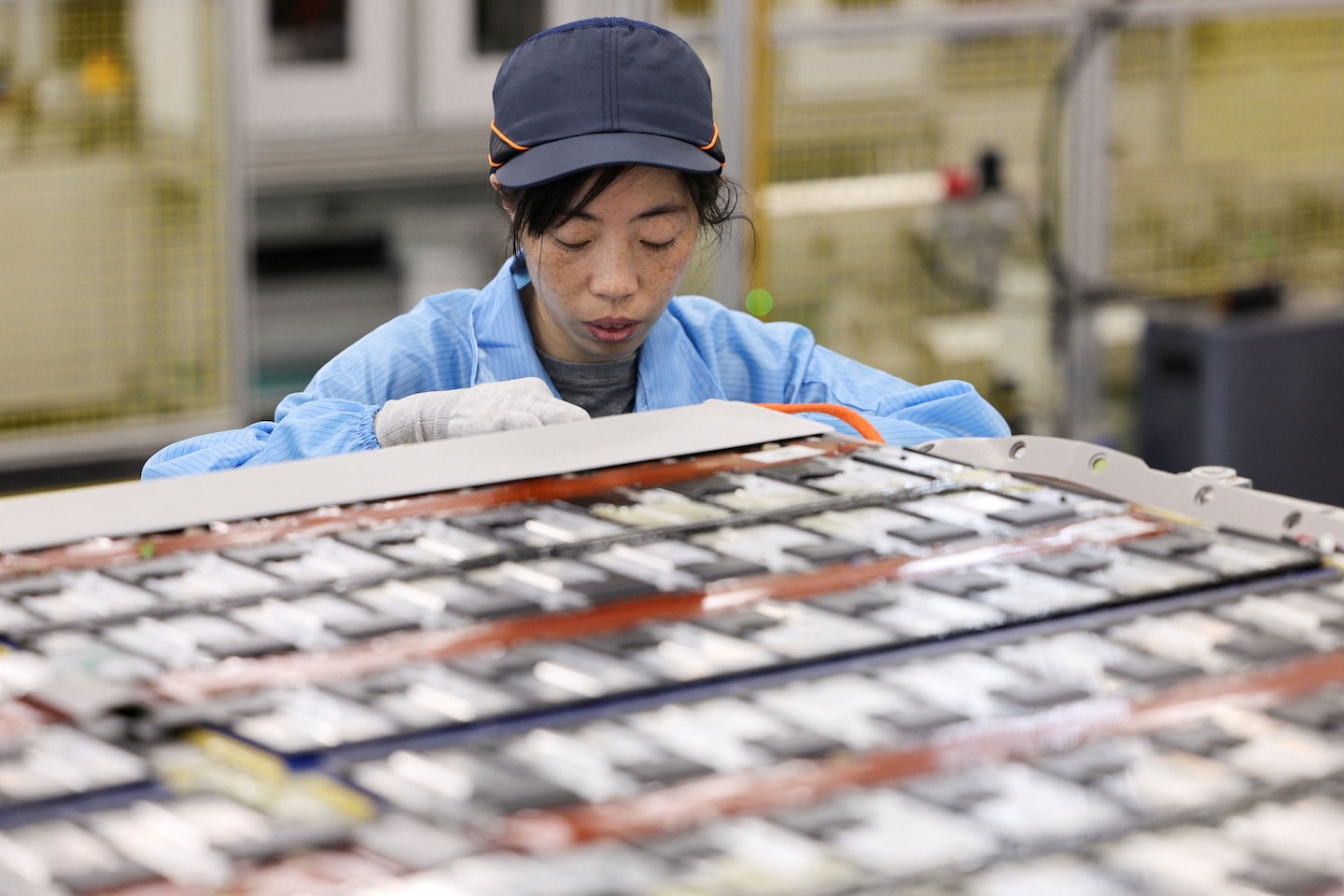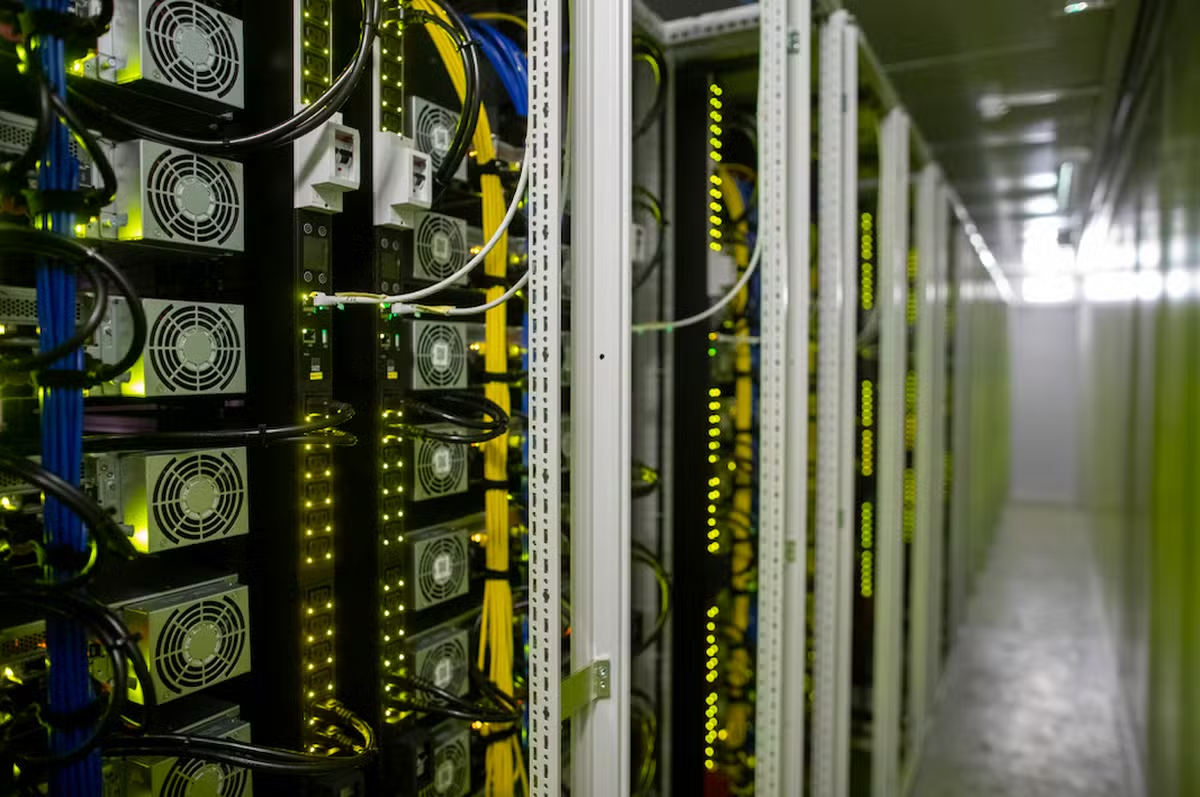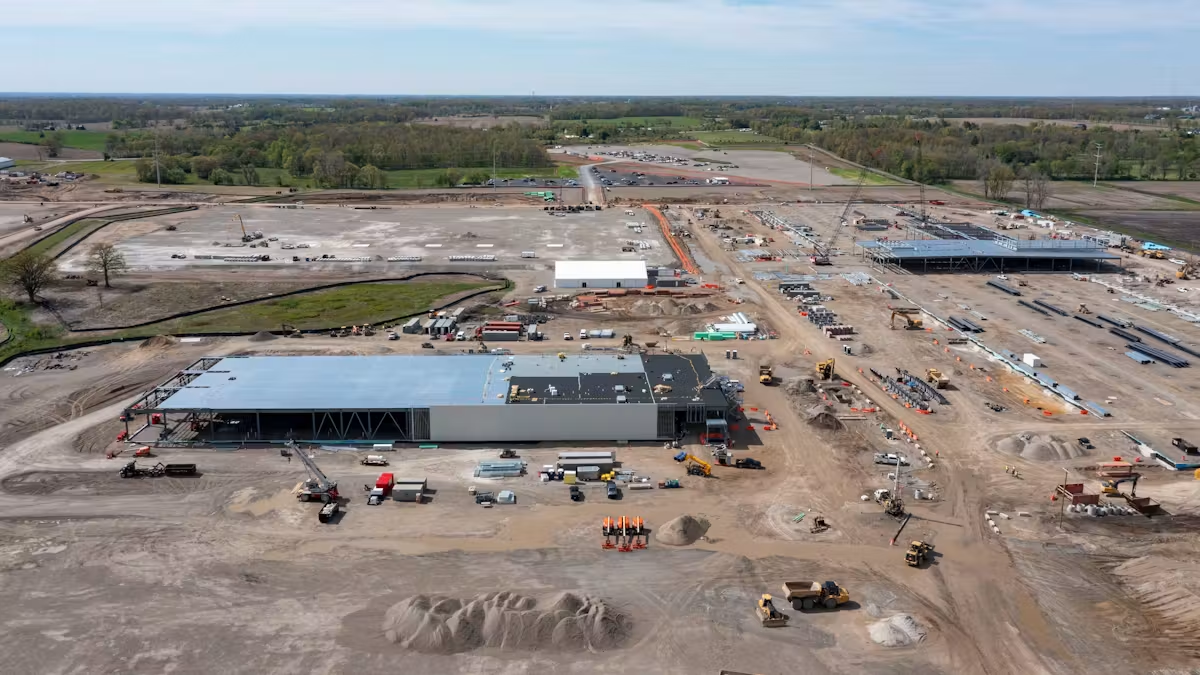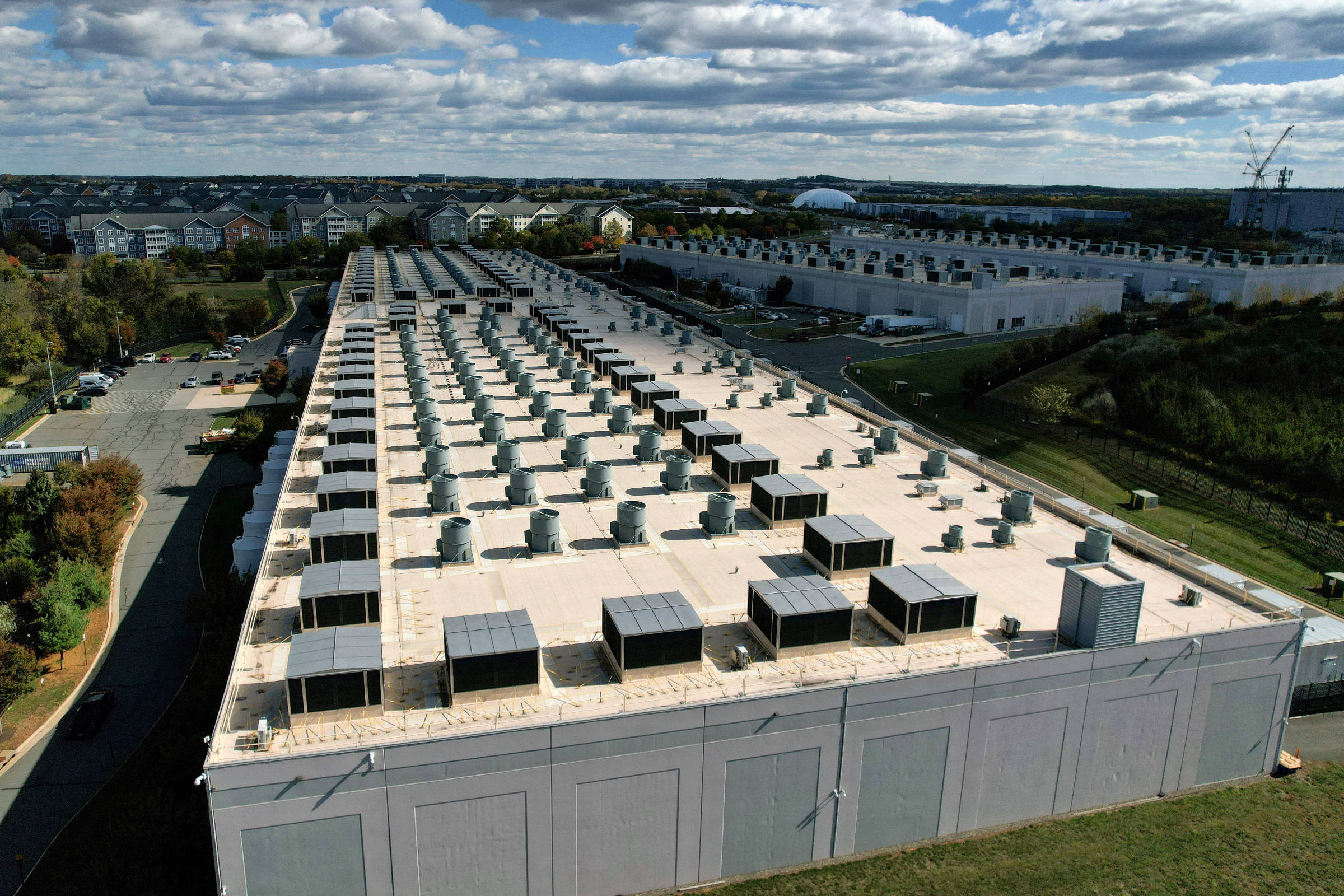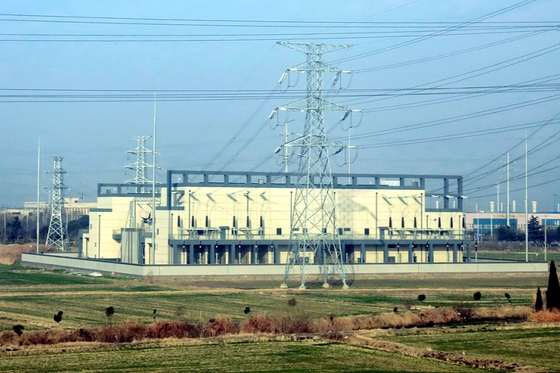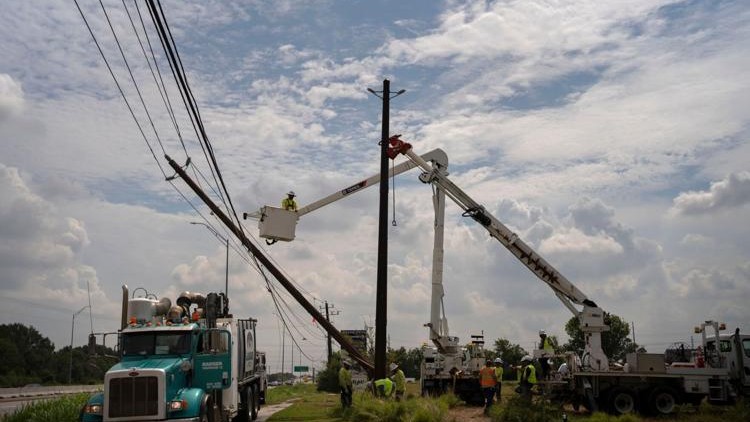
Battery storage firms in the U.S. are seeing surging interest from power-hungry AI data centers, but lengthy queues to connect to the grid and a supply chain heavily dependent on China are hampering the industry's ability to rapidly scale.Battery energy storage systems, which absorb power when supply is abundant and discharge it back to the grid when needed, have been increasingly deployed in renewable-heavy regions like California, where they help meet demand in the evening, when solar power starts to wane.Now, they are emerging as a promising solution for data centers. When installed in front of the meter, they can smooth power demand and optimize transmission-line capacity. Behind the meter, they can manage demand spikes, reduce power consumption when the grid is strained, cover temporary power outages and lower dependence on backup diesel generators.Experts say, however, that the industry still faces bottlenecks."Supply chain constraints and interconnection queues are two of the most important barriers," said Harvest-Time Obadire, senior power and renewables analyst with BMI, a unit of Fitch Solutions.While data centers can be built in 18 to 24 months, connecting to the grid can take three to seven years in parts of the US, he added.POWER DEMAND FROM DATA CENTERS COULD RISE SHARPLYPower demand from data centers could reach 9% to 17% of U.S. electricity supply by 2030, or up to 790 terawatt-hours (TWh), compared with around 4% today, according to the Electric Power Research Institute.Meanwhile, the U.S. added a record 57.6 GWh of new battery energy storage capacity in 2025, according to the Solar Energy Industries Association (SEIA), bringing total deployed capacity to 166.1 GWh.The group projects that by 2030, annual battery storage deployments will reach 110 GWh, with a significant share driven by data center demand.These systems also pair well with natural gas-fired generation, which is emerging as a key solution for energy-intensive data centers."Batteries will be an essential resource at data centers reliant on onsite gas generation, as gas generators are not fast enough to follow volatile AI data center demand," said Ben Hertz-Shargel, global head of grid transformation at Wood Mackenzie.That demand is driving a wave of deals. Energy storage company Fluence is engaged in over 30 GWh of data center-related projects globally, with a meaningful portion in the U.S., said CEO Julian Nebreda.Tesla saw $430 million in revenue last year from selling its storage systems to Elon Musk's xAi, and Calibrant Energy has agreed to provide a 31 MW/62 MWh battery energy storage system at an Aligned data center campus in the Pacific Northwest.Battery storage companies, meanwhile, are doubling down on efforts to expand domestic manufacturing and calibrating offerings specifically for hyperscalers.Fluence, which had been establishing a domestic manufacturing footprint prior to the AI boom, views that as a key strategic advantage, said Nebreda, and intends to continue growing and investing in it.SUPPLY CHAIN, INTERCONNECTION CHALLENGESHowever, there are challenges for bringing on new battery capacity quickly.For instance, while the U.S. is scaling domestic lithium ion phosphate battery manufacturing capacity, the supply chain for key materials remains heavily dependent on China, creating near-term bottlenecks as tax credit rules increasingly require non-China sourcing."This is an opportunity to scale US manufacturing which otherwise would have been priced out of the market, but sourcing materials from outside of China still needs to be developed further," said RBC Capital Markets analyst Chris Dendrinos.Interconnection queues to the grid continue to pose bottlenecks for front-of-the-meter battery projects, that are connected to the grid, and can delay projects in markets across the country for multiple years.PJM Interconnection, the largest grid operator in the country, effectively paused processing new applications to connect to the grid in 2022 after becoming overloaded with projects, before beginning to accept new applications several months ago."Were it not for multi-year interconnection queues, we could deploy a utility-scale battery storage system in under a year to meet the needs of the electric grid," Nebreda said.
Battery storage firms eye AI demand but face grid, supply hurdles - The Economic Times
American battery storage companies are experiencing high demand from AI data centers. However, long waits to connect to the power grid and reliance on China for supplies are slowing down growth. Data centers need stable power, and batteries can help manage this. Experts highlight these challenges as major hurdles for the industry's expansion.
645 words~3 min read