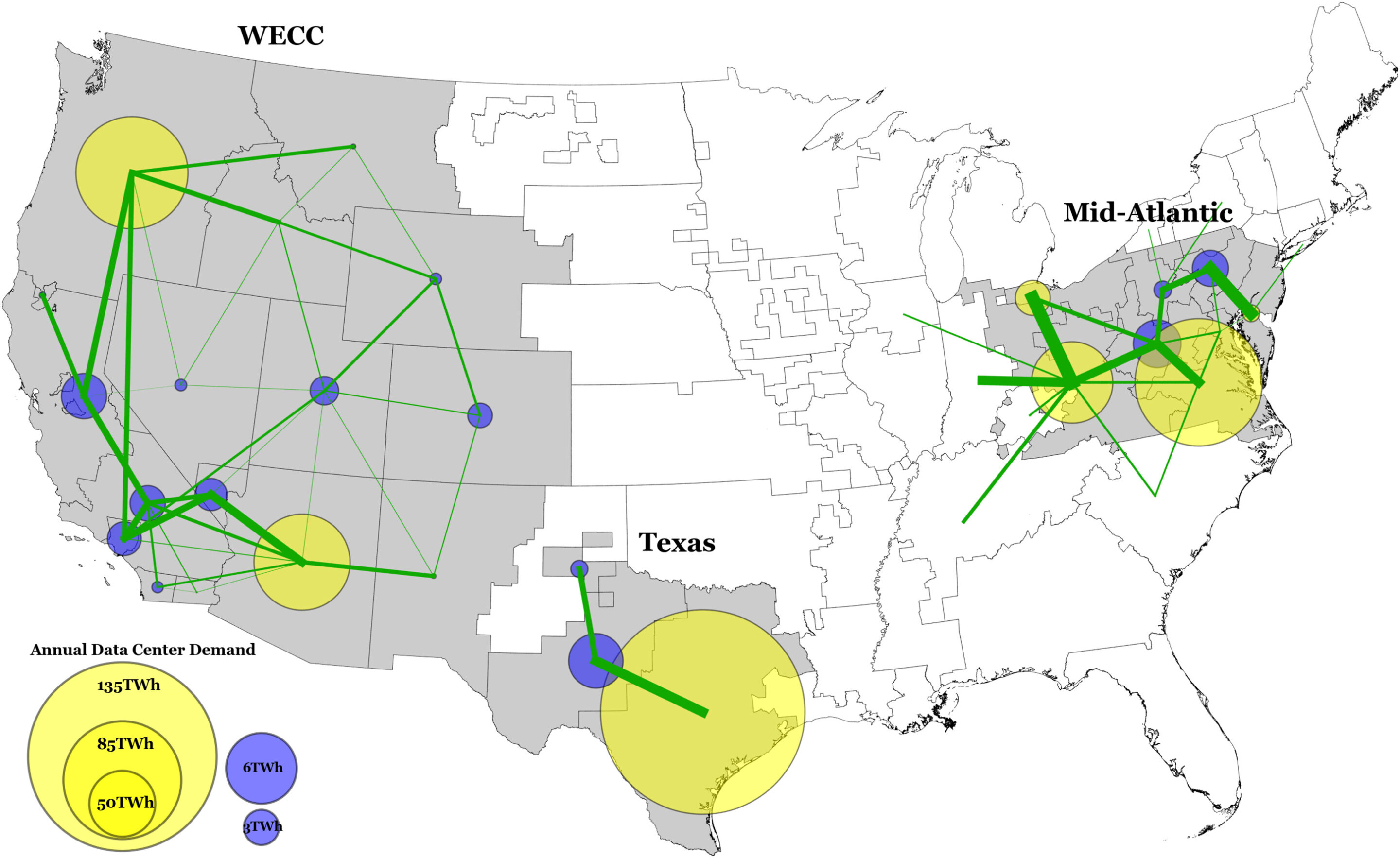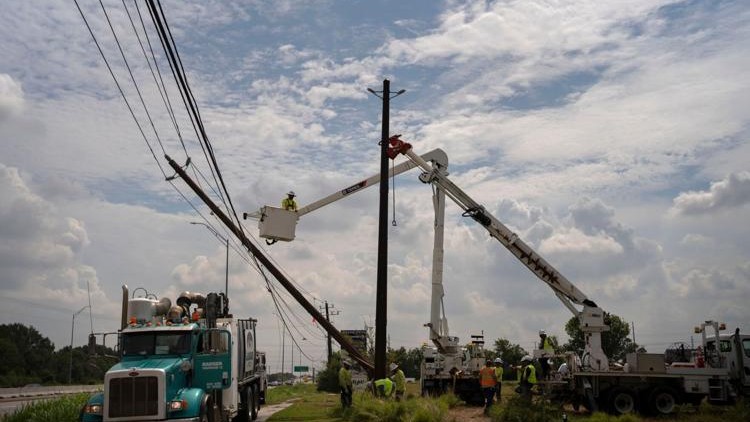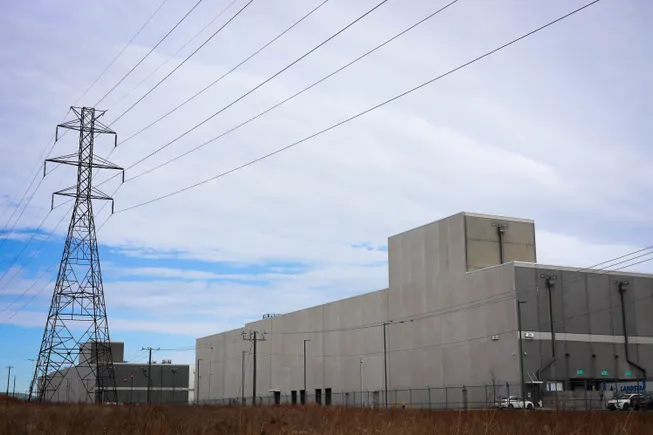
Data centers are among the fastest-growing sources of electricity demand, with some now consuming as much power as entire cities to generate the computing power needed to support the expanding use of artificial intelligence. But unlike factories or hospitals, data center workloads are flexible.
WESTMAP.AI, a new tool developed by researchers at the University of Utah's John and Marcia Price College of Engineering, models and quantifies what happens when data center flexibility supports the power grid rather than straining it.
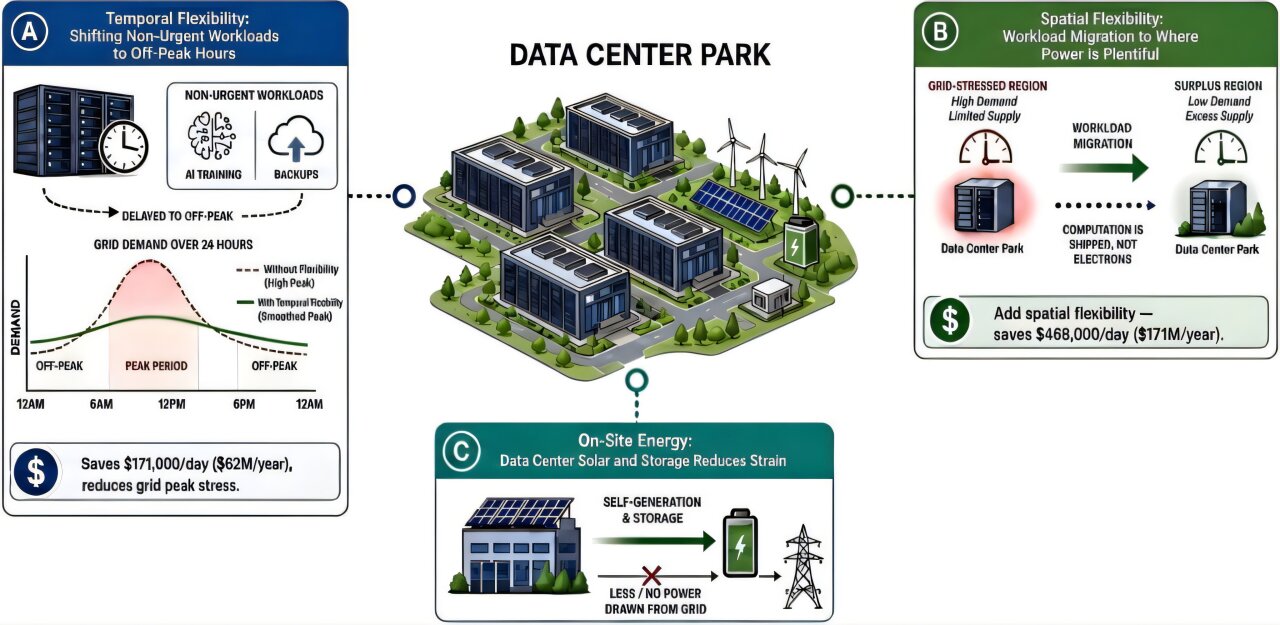
Three ways data centers can lessen their impact
The WESTMAP.AI tool models and visualizes how data centers interconnect and operate within the Western Interconnection, the power grid that serves more than 80 million people across 11 U.S. states, two Canadian provinces, and parts of Mexico. Its key findings demonstrate the impact of three approaches data centers can begin to take immediately: temporal flexibility, spatial flexibility and deploying onsite energy resources. The model behind WESTMAP.AI was presented as a peer-reviewed paper in January at the 2026 Hawaii International Conference on System Sciences.
Depending on how these approaches are implemented, data centers could save between $62 million and $590 million a year.