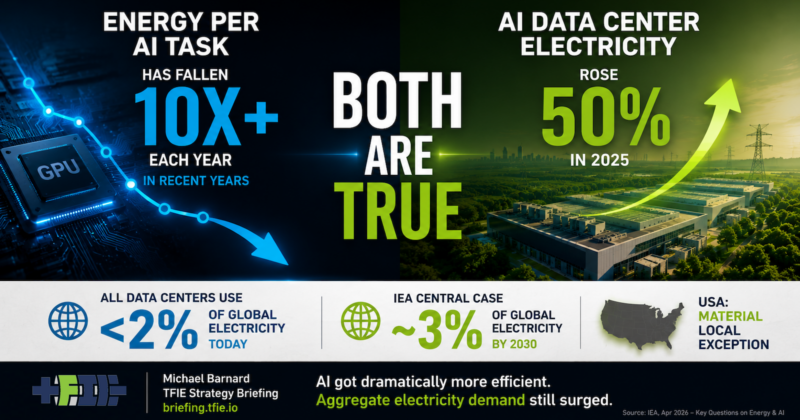
AI is reshaping the US grid. According to S&P Global’s 451 Research, power demand from US data centers will almost double, from 366 TWh in 2025 to 728 TWh by 2030. EPRI estimated that up to 17 percent of total US electricity demand will come from data centers by 2030, a 60 percent upward revision from their 2024 forecast, driven by the accelerated pace of AI infrastructure development over the past year.
Despite that growth trajectory, nearly half of all US data centers planned for 2026 are expected to be either delayed or cancelled, according to Bloomberg. Transmission bottlenecks and interconnection queue delays have dampened data center deployments. Concurrently, domestic manufacturers of critical electrical equipment have struggled to keep pace with rising demand driven by data center build, grid expansion, electric vehicles, and heat pumps. Developers have become reliant on foreign imports for transformers, switchgear, and other essential grid components.
Sourcing hardware is only part of the challenge. Deciding where to site facilities is becoming just as fraught. Data center-driven power demand is geographically concentrated. As of 2026, 87 percent of existing data centers are located in urban areas, but ballooning costs are driving a geographic shift. In search of cheaper land, 67 percent of planned data center projects are now situated in rural areas. This strategy, while working to reduce land costs for developers, has not remedied a different obstacle: community opposition.