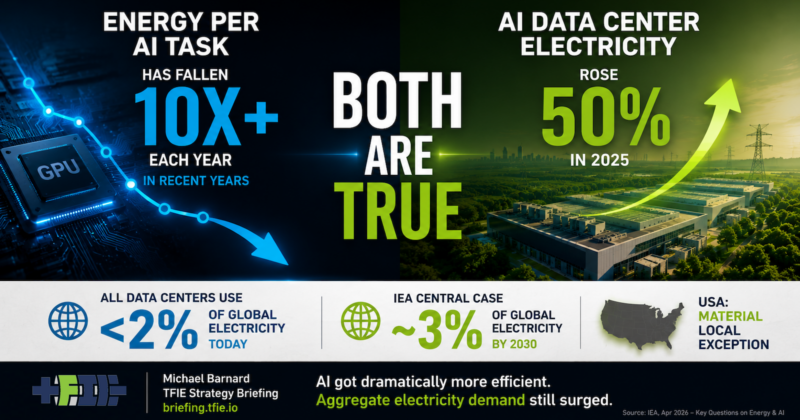
AI power demand is growing quickly, but the global electricity denominator remains large.
Support CleanTechnica's work through a Substack subscription, on Patreon, or on Stripe. Help us produce all of the high-quality, original content we publish week after week despite the challenges of content-scraping AI, antisocial media, inflation, and other hurdles.
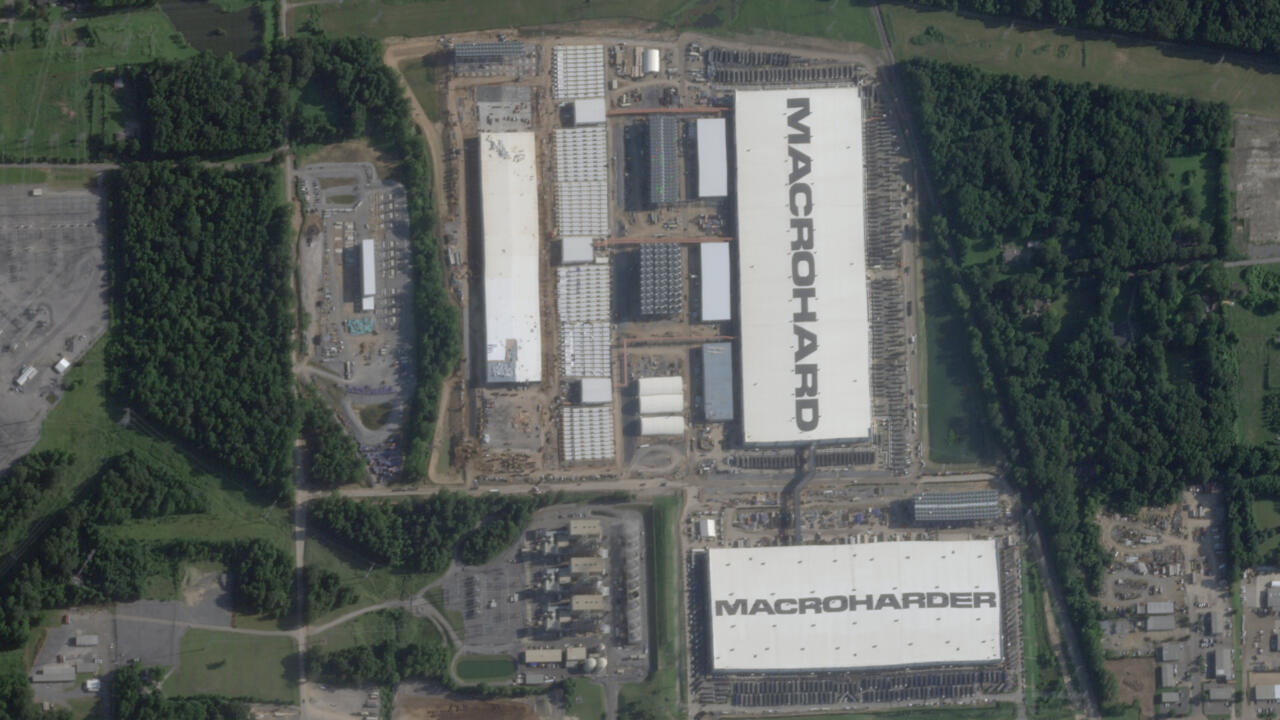
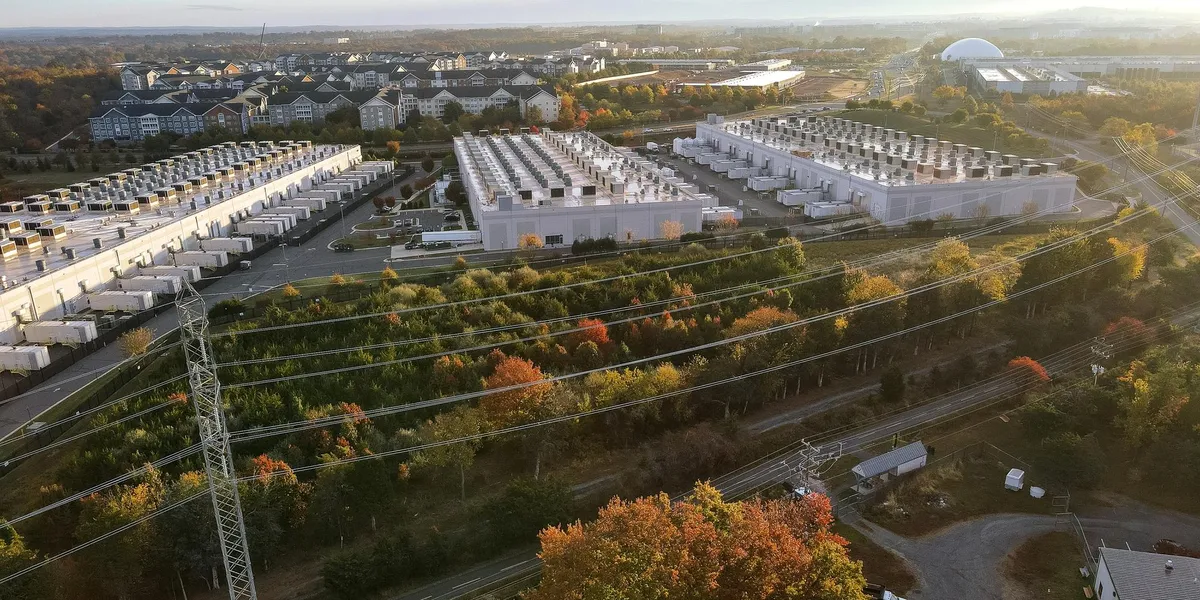
AI has changed the data-center electricity story. Demand is rising much faster than it did through much of the 2000s and 2010s, hyperscale facilities are being proposed and built at extraordinary scale, and utilities in several US regions are confronting loads large enough to affect generation planning, substations, transformers and transmission. Anyone still arguing that AI will have little effect on electricity demand has missed what has happened over the past few years.
The harder question is how much confidence to place in forecasts that extend today’s growth rates through 2030. That requires separating two claims that are often bundled together. The first is that AI is already creating a significant new electricity load, especially in the United States and especially in a handful of concentrated data-center regions. The evidence supports that. The second is that today’s relationships among workloads, chips, models, cooling systems, facility utilization and electricity consumption can be projected forward for another four or five years with only modest change. The history of computing gives much less reason for confidence in that assumption.