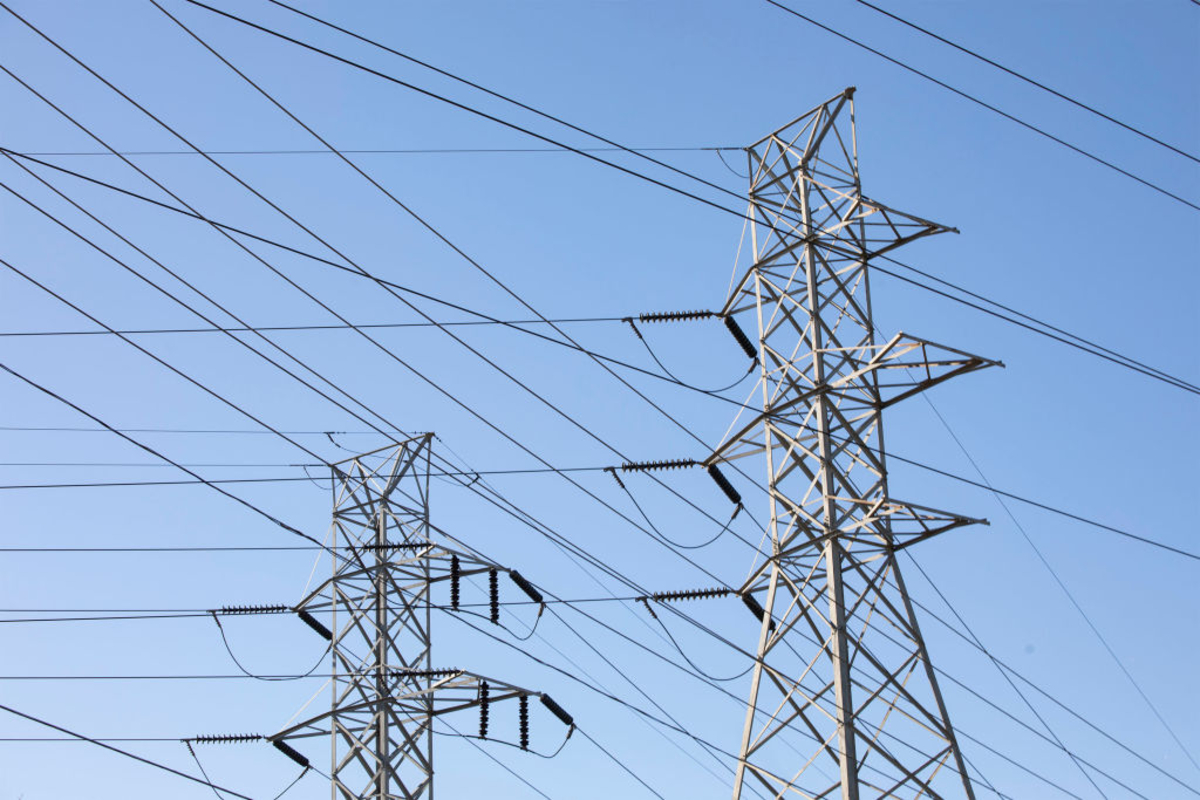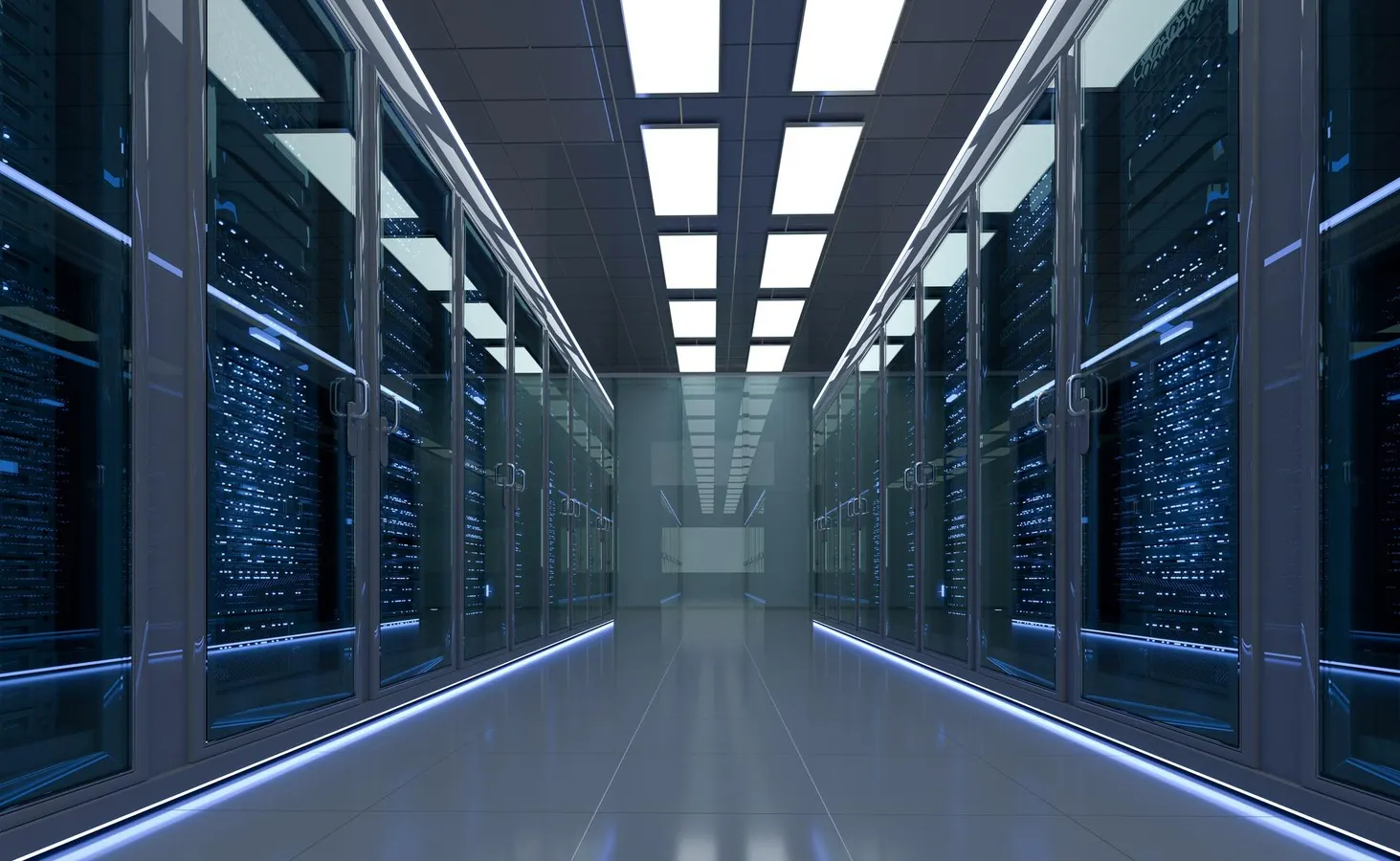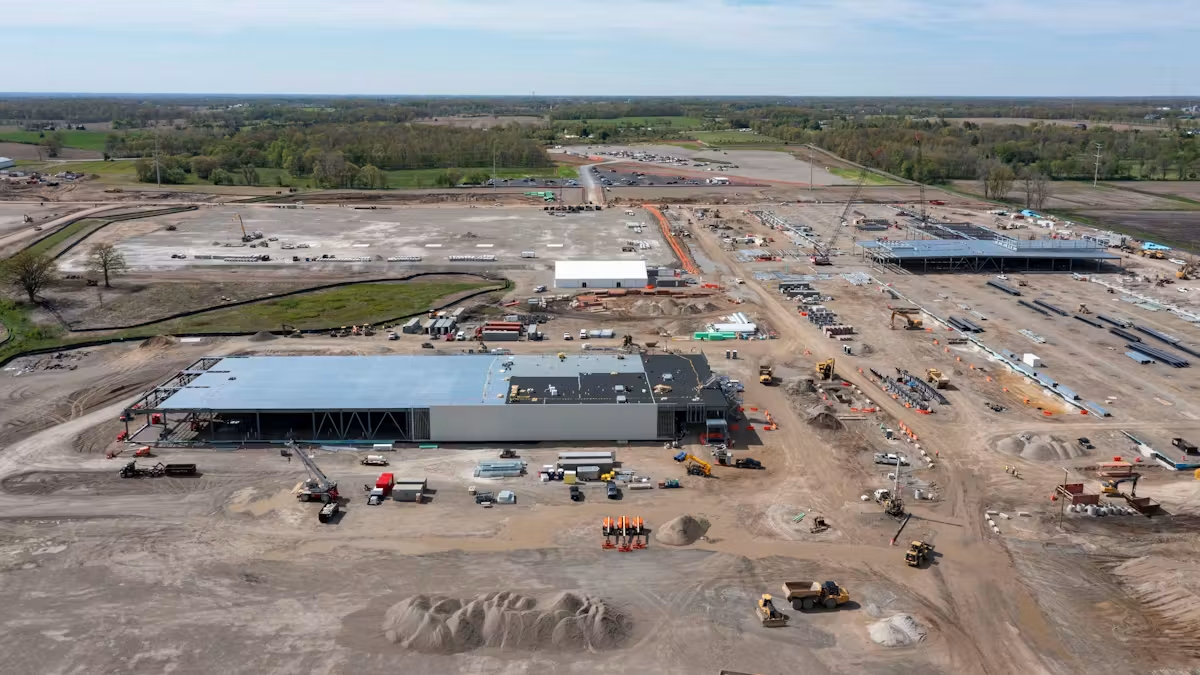
Data centers requiring nearly 100GW of additional power capacity will be added to the market by 2030. As infrastructure races to scale and evolve so it can power AI and the digital economy, delivering stable and reliable electricity is becoming a far greater challenge.
AI workloads and energy-intensive GPUs are driving unprecedented electricity demand, with hyperscale campuses now drawing hundreds of megawatts, roughly equivalent to the power usage of a small city of around 300,000 people.
At the same time, the grids supporting these facilities are undergoing fundamental change. As wind and solar replace conventional power generation, networks are losing the natural inertia and fault strength that historically maintained stable voltage. The result is a growing challenge: how to address surging demand through a less stable grid?
In trying to find an answer to this challenge, data center operators are rethinking how they secure reliable power. Once confined to transmission networks, synchronous condensers are now being deployed at data center grid connection points to strengthen local networks, enable grid access, and optimize microgrid performance, making them an increasingly critical enabler of reliable hyperscale expansion.