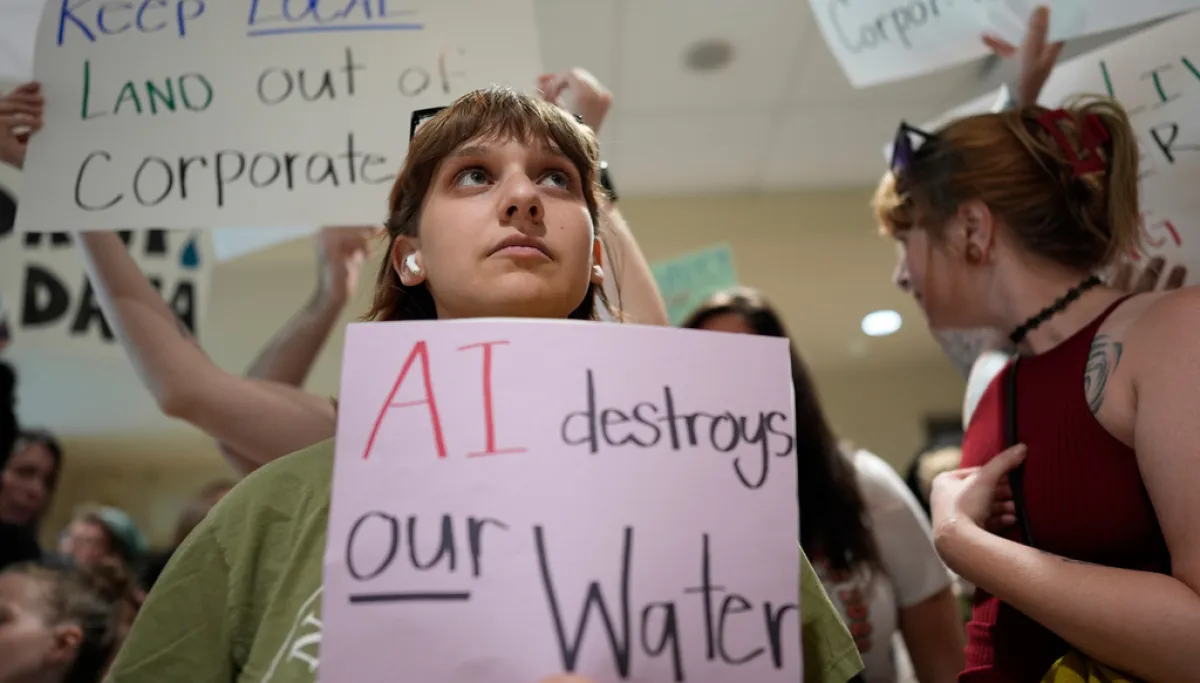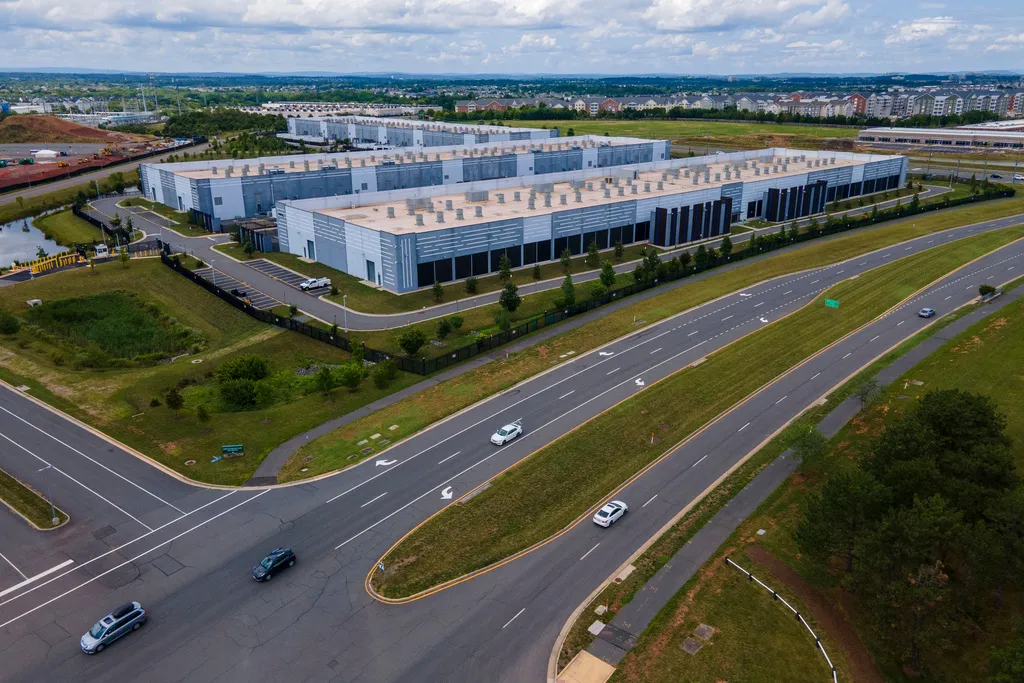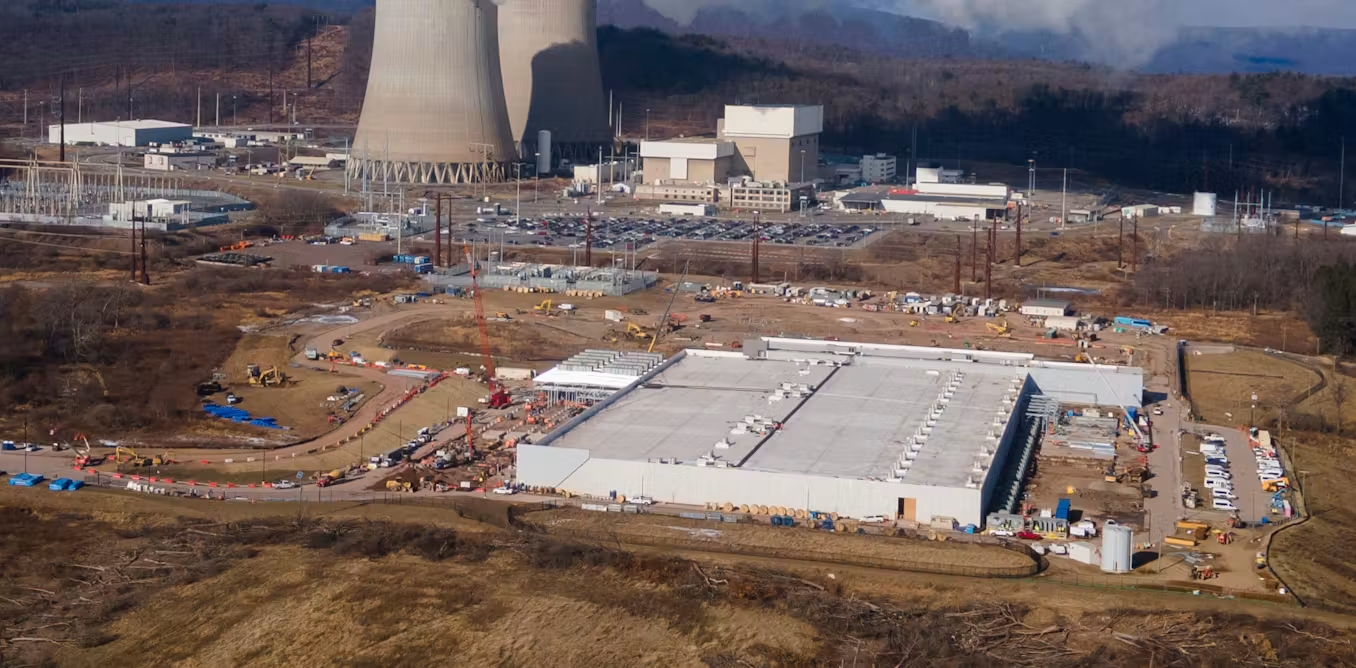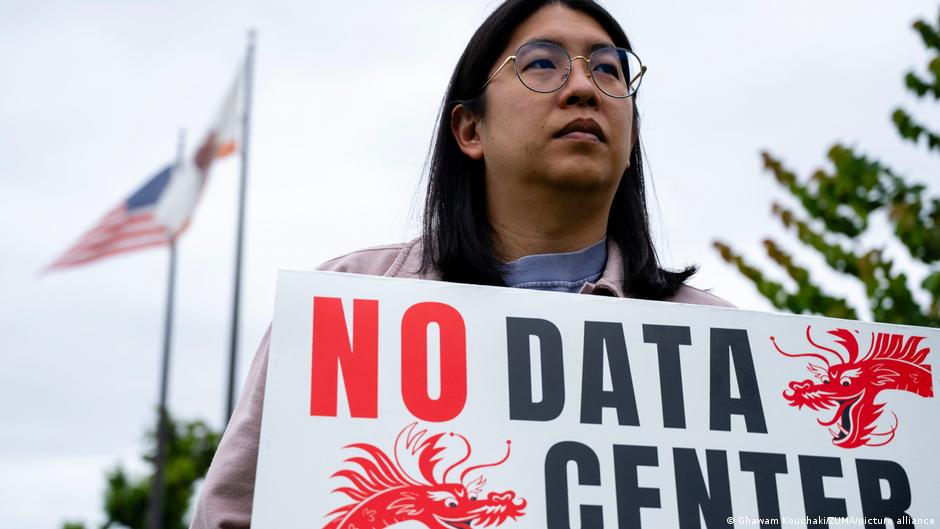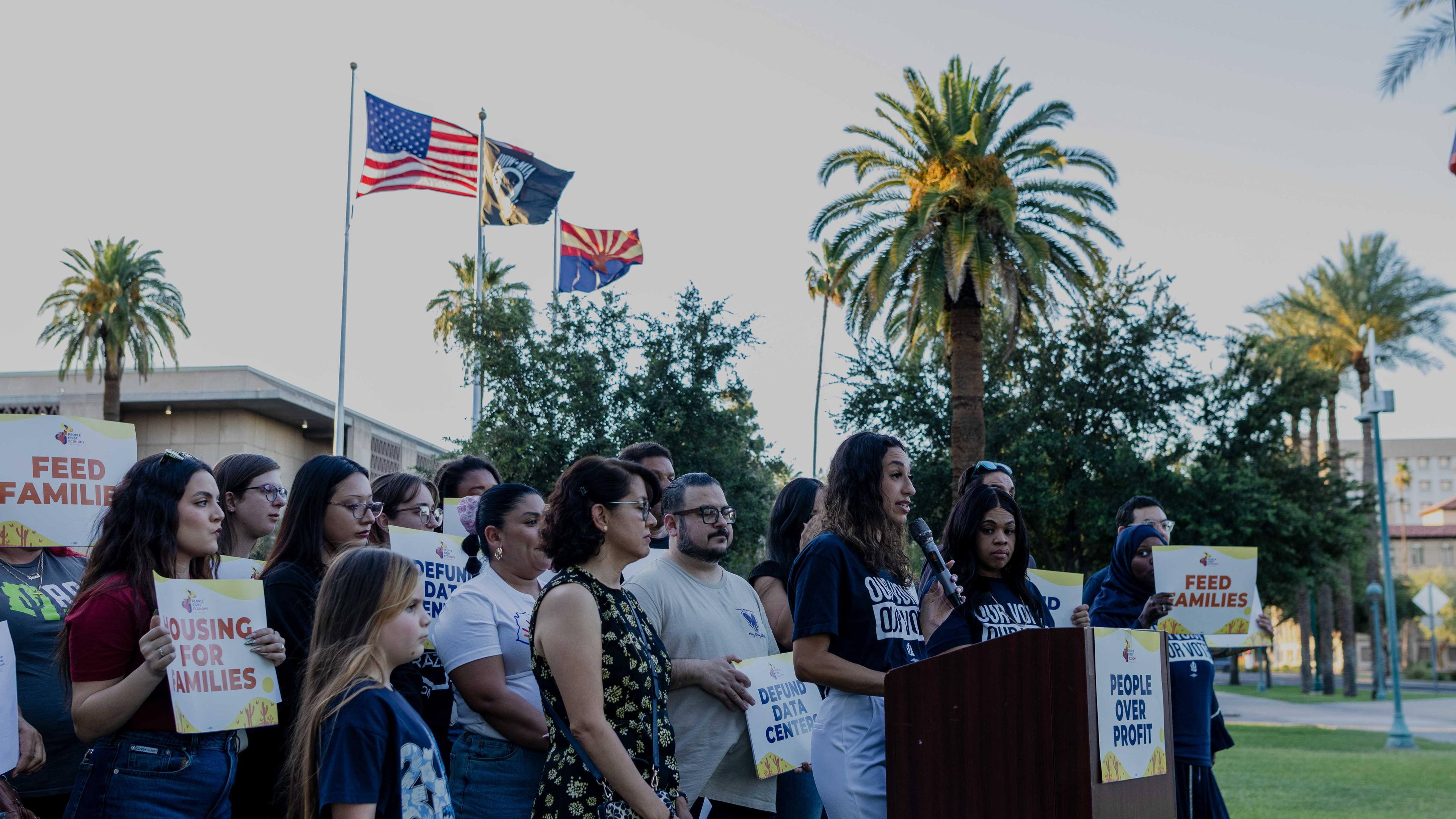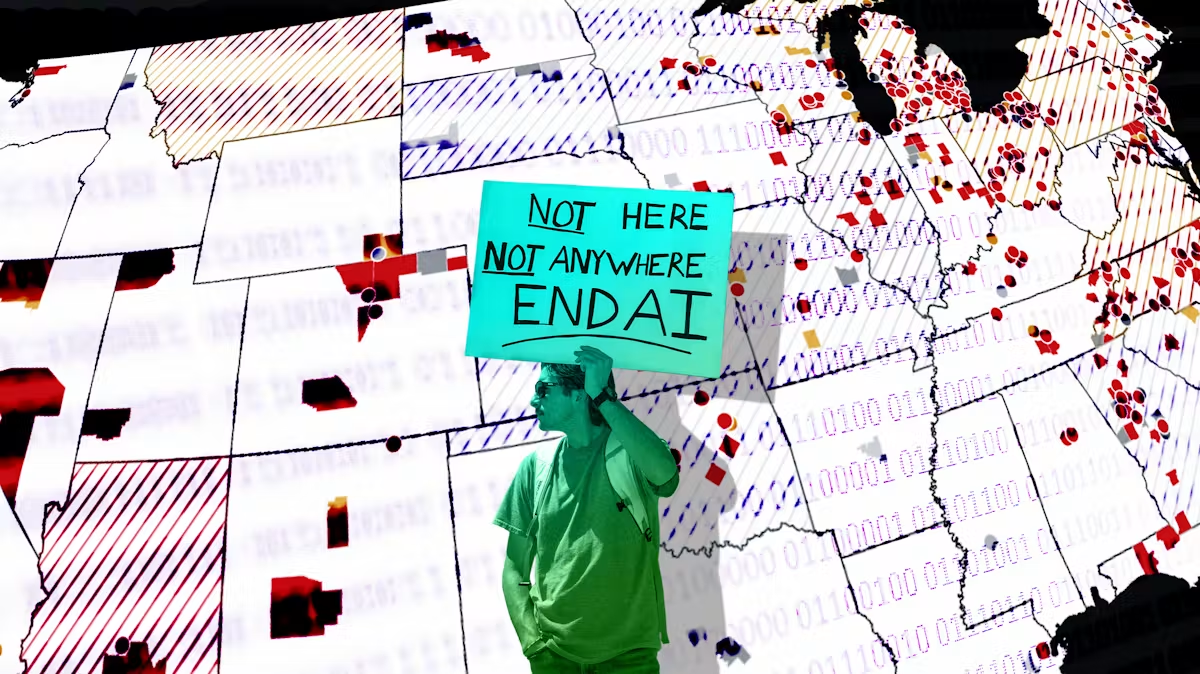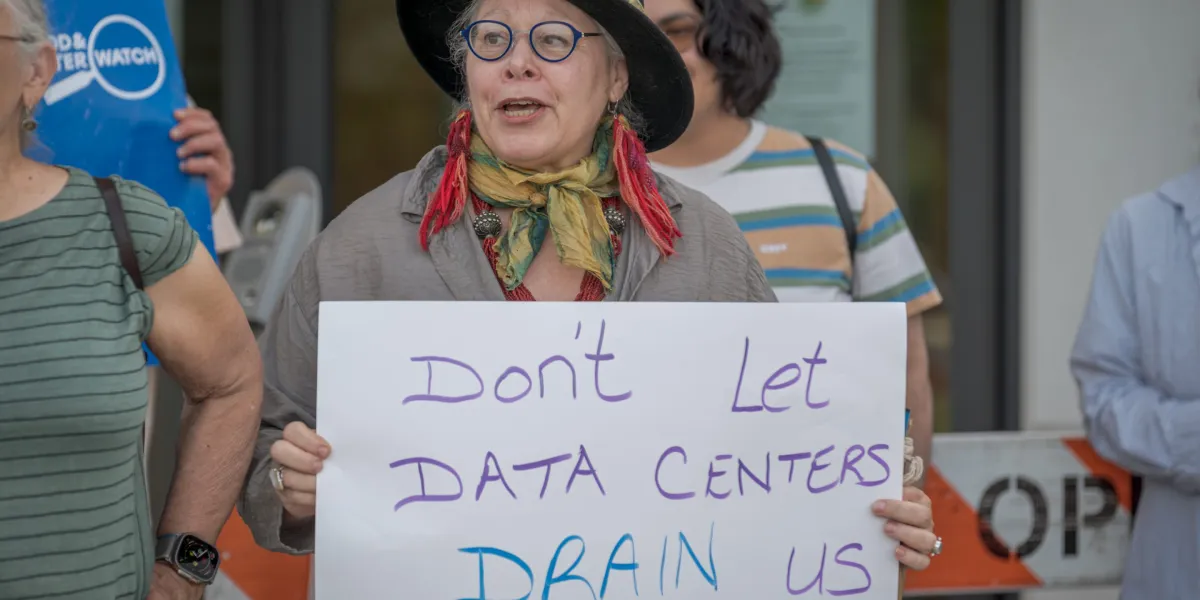
Several U.S. states are concerned about the rapid expansion of data centres, as consumers pressure legislators to address rising utility bills and other energy concerns. Data centres are expected to be a major consumer of U.S. power by 2030 and beyond, as several tech companies expand their network, which is growing consumer concerns around the country’s power supply and demand. This has led several states to halt or even ban data centre development.Globally, data centres are expected to consume twice as much power and water by 2030, according to a UN report published in June. In 2025, data centres consumed 448 terawatt-hours of electricity globally, with artificial intelligence accounting for a fifth of the total. Meanwhile, these types of facilities consumed 4.5 trillion litres of water and generated 189 million tons of carbon dioxide emissions.In the United States, the power demand of major data centres rose by around 11.3 GW in 2025, to 61.8 GW. In 2025, power demand for IT equipment, cooling, lighting, and other uses is expected to reach 75.8 GW, then expand to 108 GW in 2028, and 134.4 GW in 2030, according to a 451 Research report. Those figures do not account for data centre development by non-tech majors.Several states have discovered the downsides of data centre development, as some consider the facilities loud, costly, and wasteful. More than 4,300 data centres have been constructed in the United States to date, according to the Data Centre Map database. As more companies look to accelerate data centre deployment, several states are introducing harsher development restrictions. Consumers also overwhelmingly oppose data centre development, with a recent Gallup poll showing that 70 per cent of Americans oppose the construction of data centres in their communities, with over half strongly opposing development.While at least 38 states offer tax incentives to attract data centre development, at least 14 states are considering legislation to temporarily halt the construction of new data centres, according to the National Conference of State Legislatures. However, due to differing opinions on data centre development and investment, most of those bills have not advanced.Those 14 states include Georgia, Maine, Maryland, Michigan, Minnesota, New Hampshire, New York, Oklahoma, Pennsylvania, South Carolina, South Dakota, Vermont, Virginia, and Wisconsin.Maine was expected to become the first state to impose a ban on new data centre development until Governor Janet Mills vetoed the bill in April. However, similar legislation is still awaiting a final decision in Georgia, Michigan, New York, Pennsylvania, South Carolina, and Vermont. North Carolina has also proposed setting stricter rules for data centres. Meanwhile, some regions are already advancing data centre bans.Monterey Park in Los Angeles, California, became the first U.S. city to place a permanent ban on data centre development, following widespread pressure from residents. Some other cities have passed temporary or indefinite moratoriums, but Monterey Park is the first to do so via a ballot initiative. In early June, preliminary election results showed that almost 90 per cent of residents voted in favour of the ban, after many complained about data centres driving up utility costs, draining water resources, and polluting nearby communities.City councilmember Jose Sanchez said, “[This] shows unequivocally that residents in Monterey Park do not want data centres in their community… We hope that other communities will use the model set by residents here in Monterey Park as inspiration to stop data centres from encroaching in their backyard.”Meanwhile, in Port Washington, Wisconsin, voters approved a measure requiring local officials to get voter approval before offering tax incentives to data centre developers. In November, residents of Janesville, Wisconsin, are expected to vote on a measure requiring the city to seek voters’ approval for any new data centre valued at over $450 million.In June, New York edged closer to becoming the first U.S. state to enact a moratorium on large data centres when the state legislature approved a one-year ban on the facilities. Governor Kathy Hochul must now decide whether to sign the moratorium into law.“Big tech has been used to writing their own rules or not having rules that they have to play by, when it comes to new technology,” explained New York state senator Kristen Gonzalez, who co-authored a bill that would temporarily ban “hyperscale” data centres over 20 MW. “This is one of the first times that we’re really drawing a line in the sand and saying that as a state legislature, we have the responsibility to make sure that New Yorkers are in the driver’s seat,” she added. The moratorium mainly targets tech majors developing giant data centres, with at least 28 large data centres and a total energy demand of 9.7 GW currently under consideration. “We should not have to sacrifice our water, our energy, our green space and local communities for big tech and specifically for generative AI, which is oftentimes used for things like AI slop,” Gonzalez stated.Several states are expected to follow suit, as consumers put greater pressure on legislators to limit data centre development to address their concerns over future energy demand and rising utility bills. While some states are still welcoming the heavy investment that comes with data centre development, others are taking greater care to evaluate the potential energy and environmental impacts.By Felicity Bradstock for Oilprice.comMore Top Reads From Oilprice.comECB: Iran Peace Deal Won't Erase Europe's Energy Price ShockFalling Murban and Dubai Prices Open Arbitrage to U.S. and EuropePoland Moves to Tax Fuel Windfalls Earned During Iran War
The U.S. States Leading the Backlash Against Data Centers | OilPrice.com
Growing concerns over energy use, water consumption, and rising utility bills are prompting states and communities across the United States to restrict or oppose new data center development.
901 words~4 min read