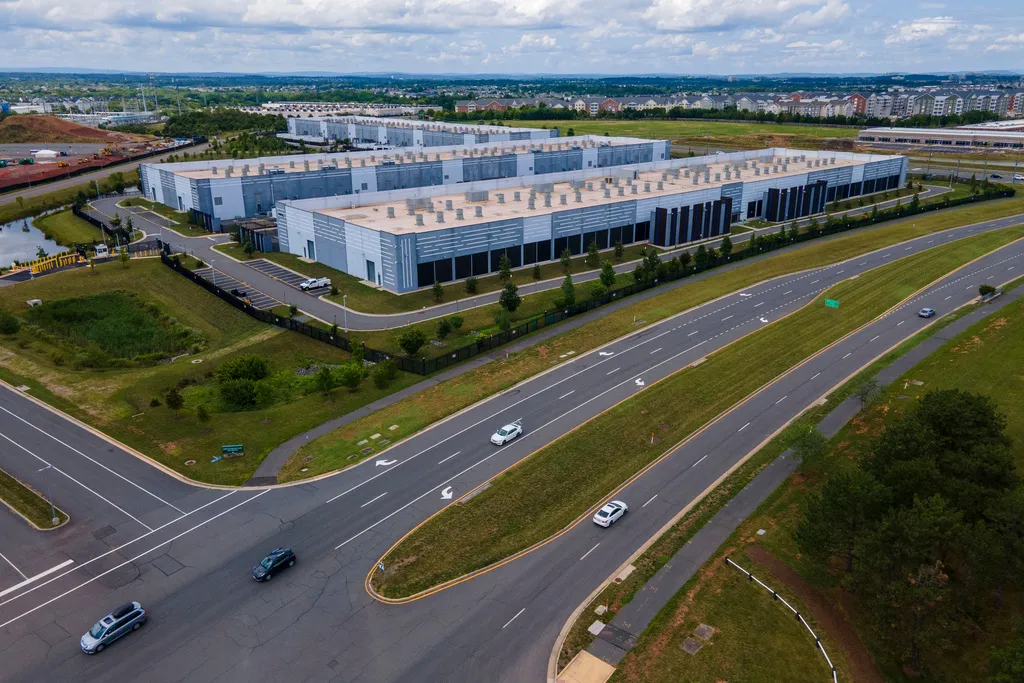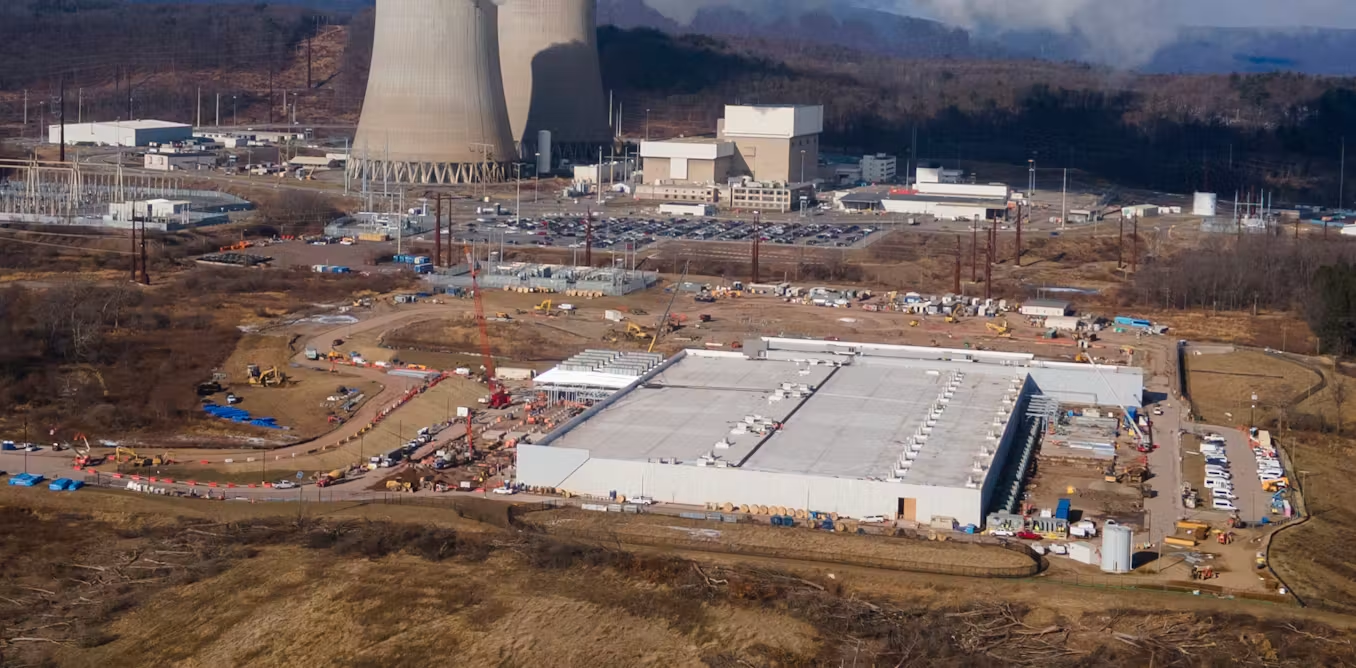
The fierce backlash against data centers shows no sign of easing up.
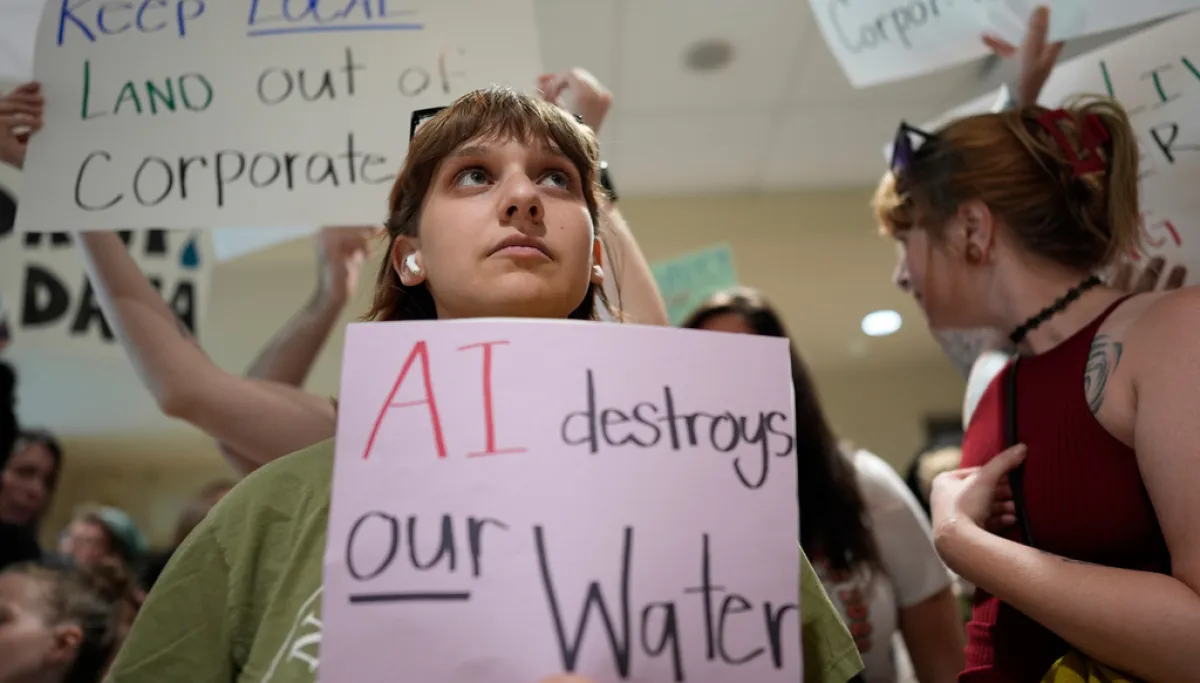
Since early 2024, more than 1,200 public actions – including zoning fights, public campaigns and temporary moratoriums – have been logged by the Data Center Tracker, a public U.S. database of community responses to data center site selection. Among the concerns, grid capacity, water use and transparency around siting appear most often.
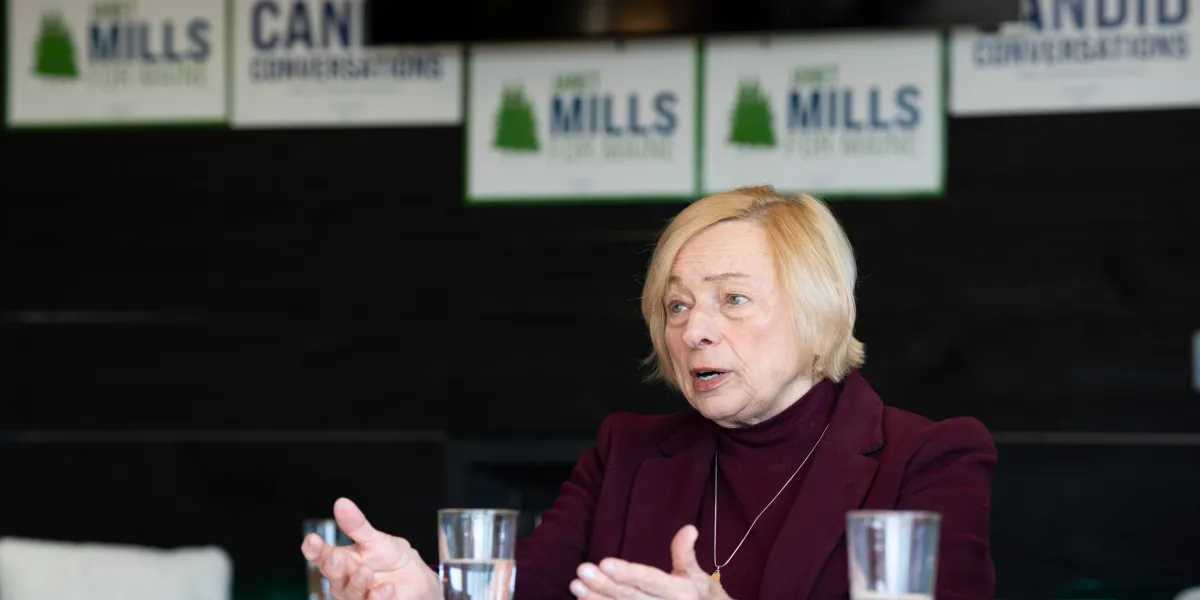
This momentum is leading to political action. In Maine, lawmakers passed a contested bill in spring 2026 that would have imposed the nation’s first statewide moratorium on new data centers. Gov. Janet Mills ultimately vetoed the measure on grounds that it would scuttle a US$550 million conversion of the closed Androscoggin Mill in the town of Jay into a data center.
But in a nod to the political climate, Mills said she supported in principle a pause in development and signed separate legislation barring state tax incentives going to data centers. She also pledged to create a council to study the industry statewide.
Maine’s dispute shows how statewide decisions on whether to promote or curb data centers can come down to one local case. It was no isolated example: Up to 10 other states are considering similar measures to contain their expansion.