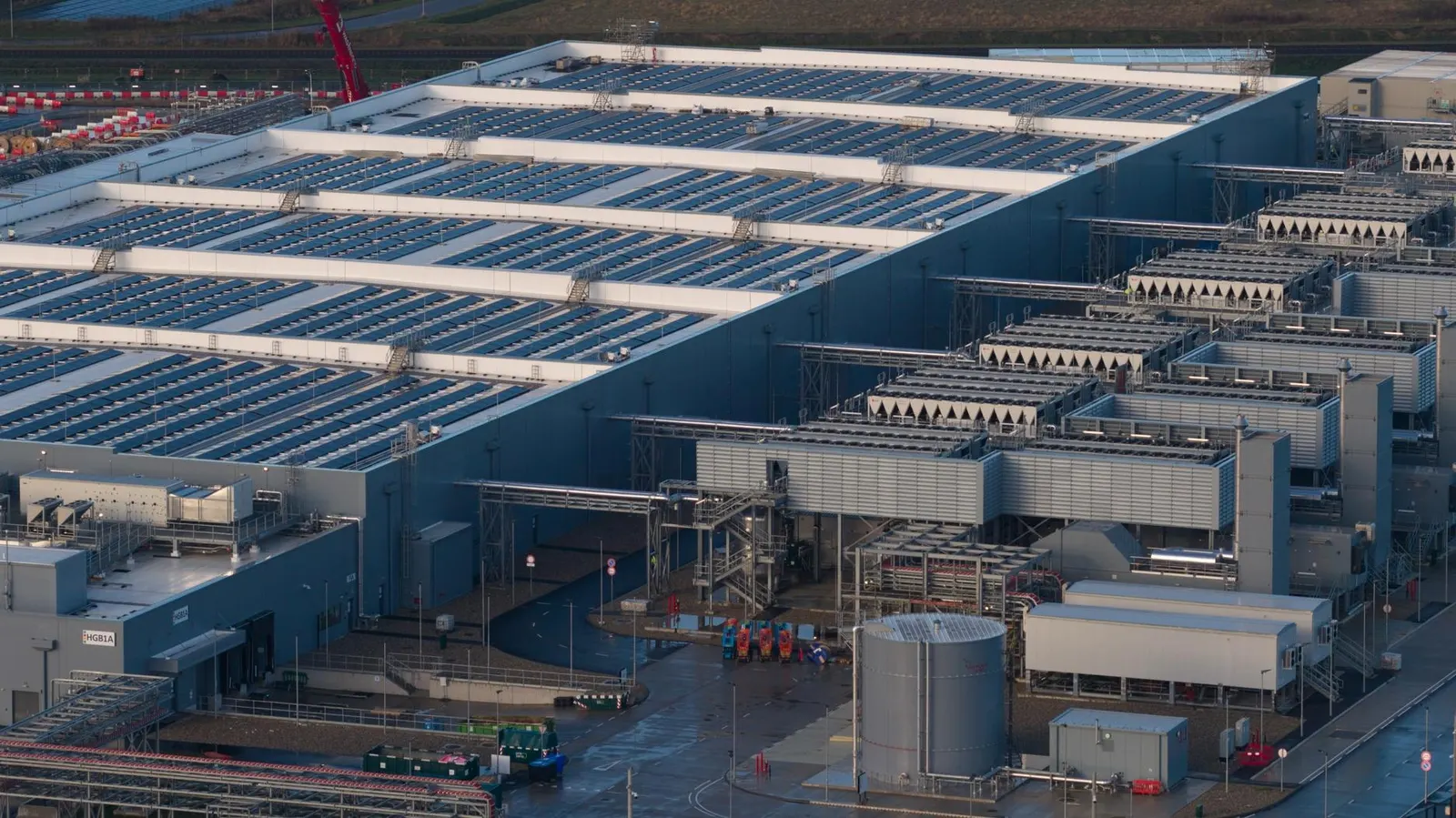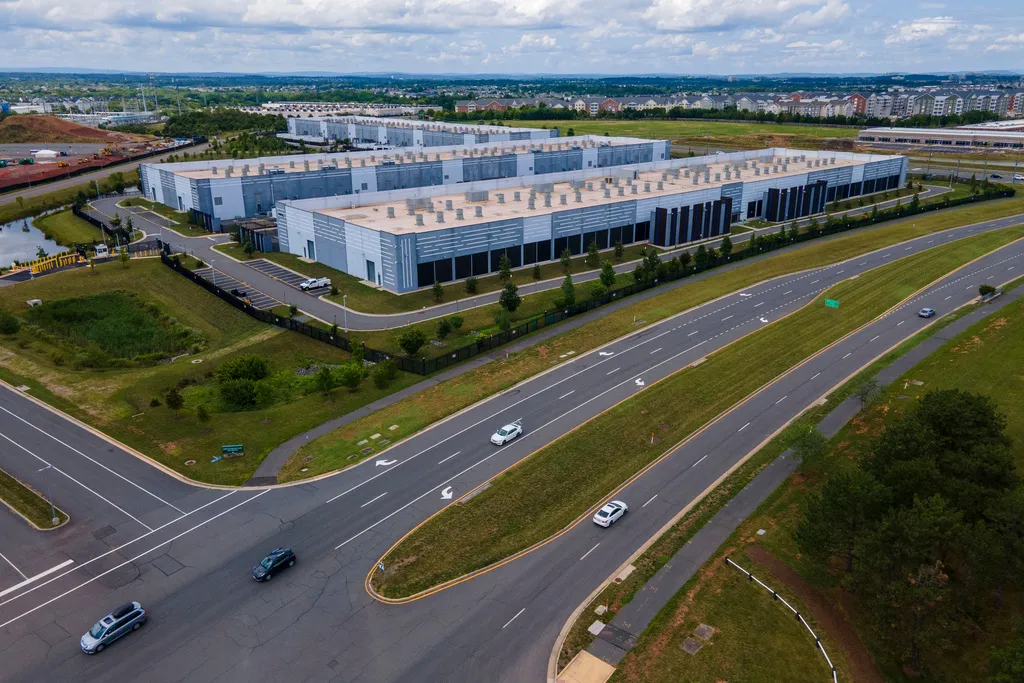
Data centers, which house computer systems that help train AI models, are blanketing the country, a boom fueled by surging interest in AI and state tax breaks.
More than 4,000 are already in operation, mostly in Virginia, Texas, and California, and 3,000 more are being planned or under construction.
Data center developers and tech giants argue the projects benefit communities by creating new jobs and boosting local economic development through increased property tax revenue and future business opportunities. They also note that infrastructure must grow if the nation wants to remain a global AI power.
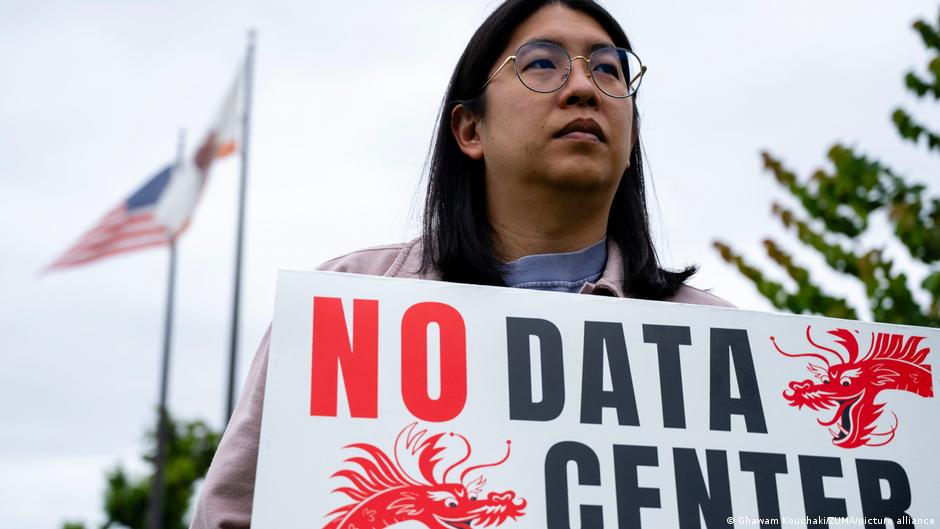
But public opposition is mounting over the large water and electricity demands and other strains that data centers, often the size of warehouses, place on communities, according to a recent poll by the Pew Research Center.
In this interview, which has been edited for length and clarity, Ben Green, assistant professor in the University of Michigan School of Information and Public Policy and a faculty associate at the Berkman Klein Center for Internet & Society, discusses the impact of data centers on communities, the factors behind their rapid expansion, and the potential for regulation.