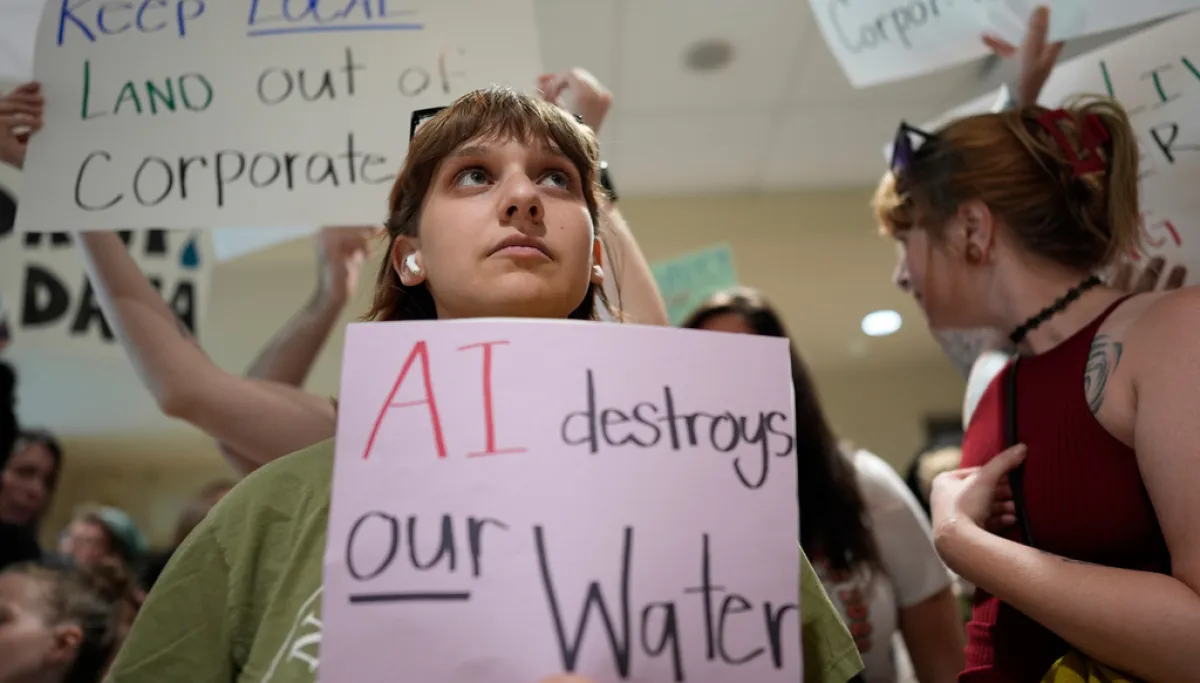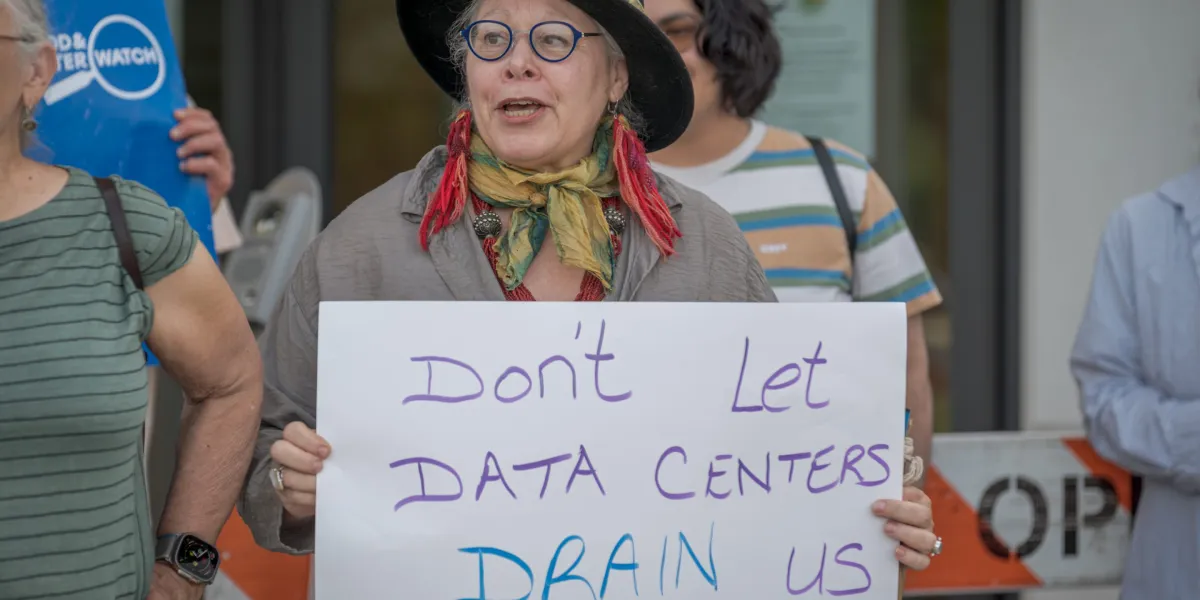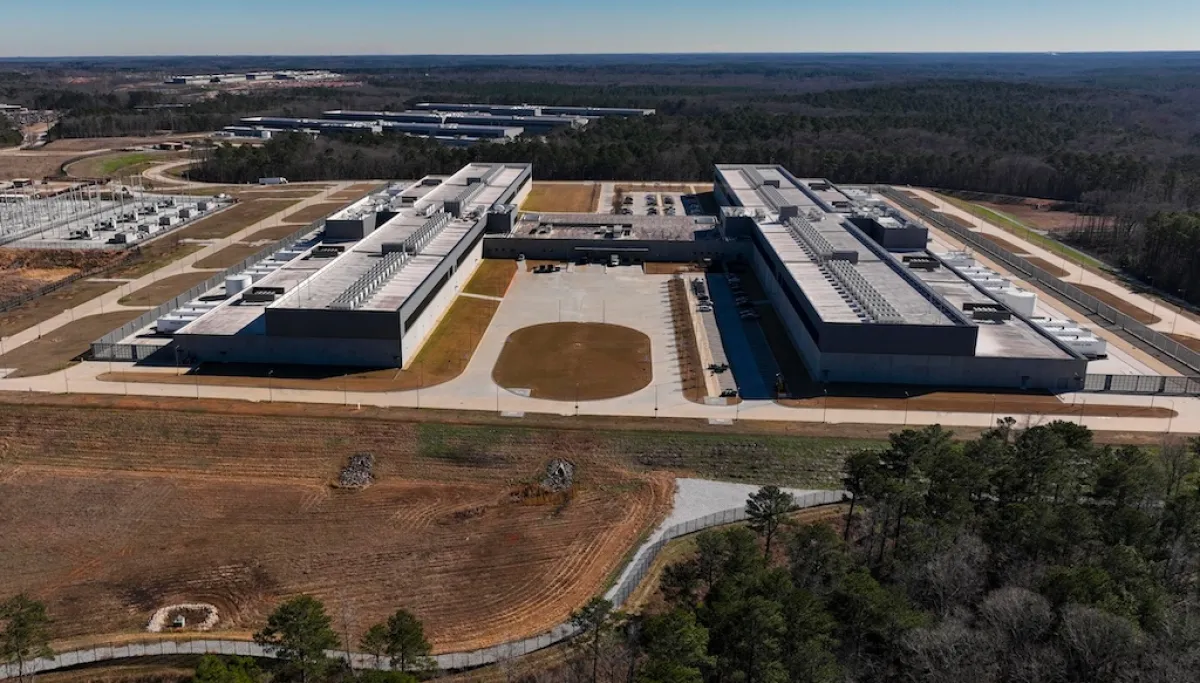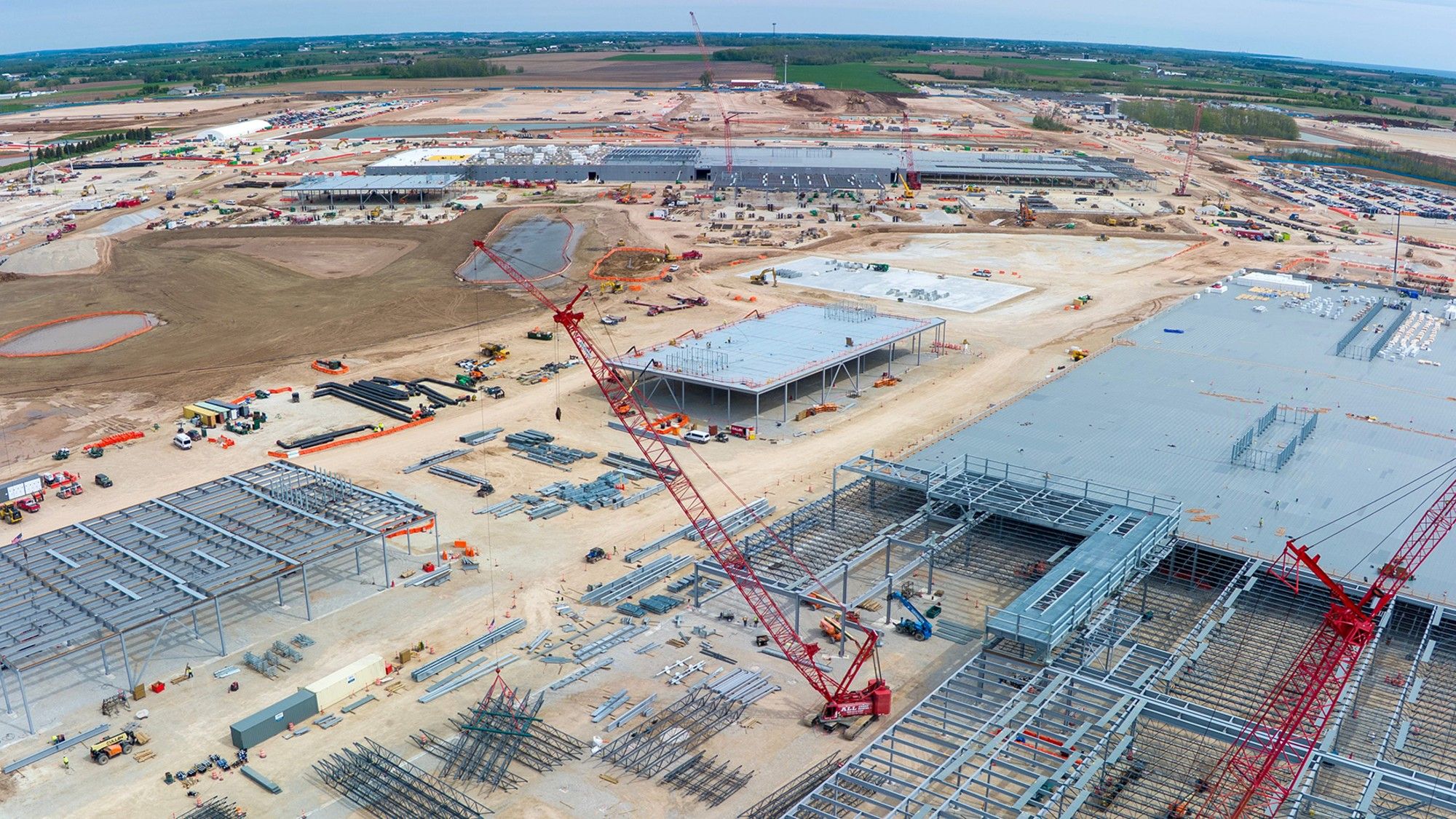
Most Americans loathe data centers. Recent polling found that Democrats and Republicans alike would oppose having one in their neighborhood, and hundreds of communities across the country have fought against them, citing fears about noise, water contamination, and energy bills. After years spent courting tech companies, many politicians are now vowing to protect their constituents from their development. In just the past month, policymakers in New York, Texas, Pennsylvania, and Utah have proposed limits on the facilities. For the AI startups and others racing to secure more computing power, the question seems to be not which projects will face opposition, but which won’t.
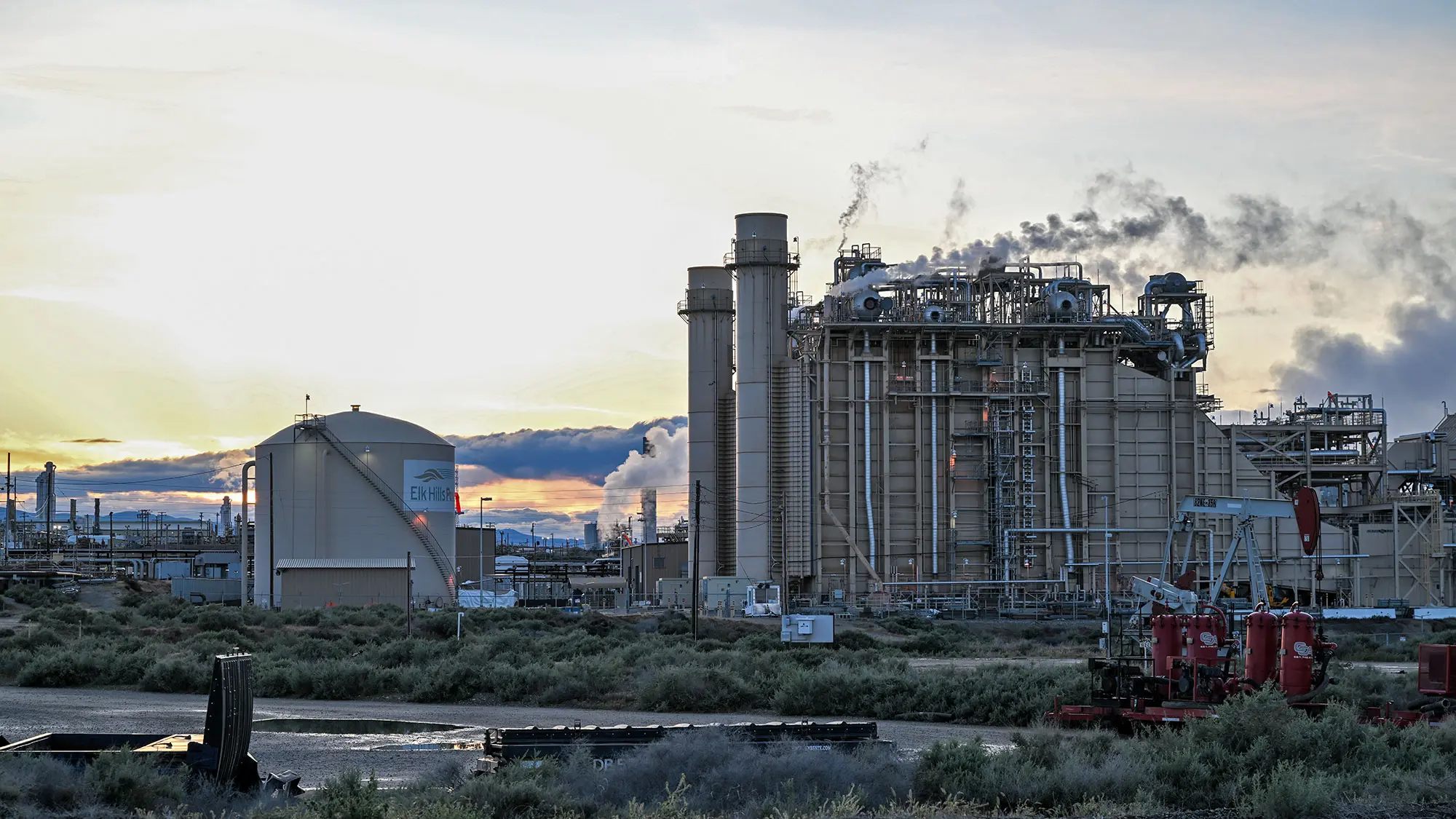
A project unveiled this week in California’s Central Valley suggests a potential answer. California Resources Corporation, the state’s largest oil company, wants to build a 600,000-square-foot data center in the Elk Hills oil field about two hours north of Los Angeles. It hopes to avoid the nationwide backlash from communities that have watched the outfits developing these sprawling operations swallow up farmland or install diesel generators near residential neighborhoods.
It’s part of a new trend in the AI boom. More developers are building data centers in or near active oil and gas fields, which tend to sit far from densely populated areas and boast ready access to power. Projects are being planned in Texas, where the prolific Permian Basin oil patch has an abundance of natural gas, which can be used to generate electricity, and in Pennsylvania, which is already the country’s leading producer of natural gas from shale. These projects are seen as a way of juicing revenues for legacy producers, even as the California project is unfolding in a state that has been trying to phase out fossil fuels.