Climate change is often framed as a story of ecological loss, but scientists have uncovered an unexpected consequence unfolding nearly 2,500 metres beneath the Arctic Ocean.
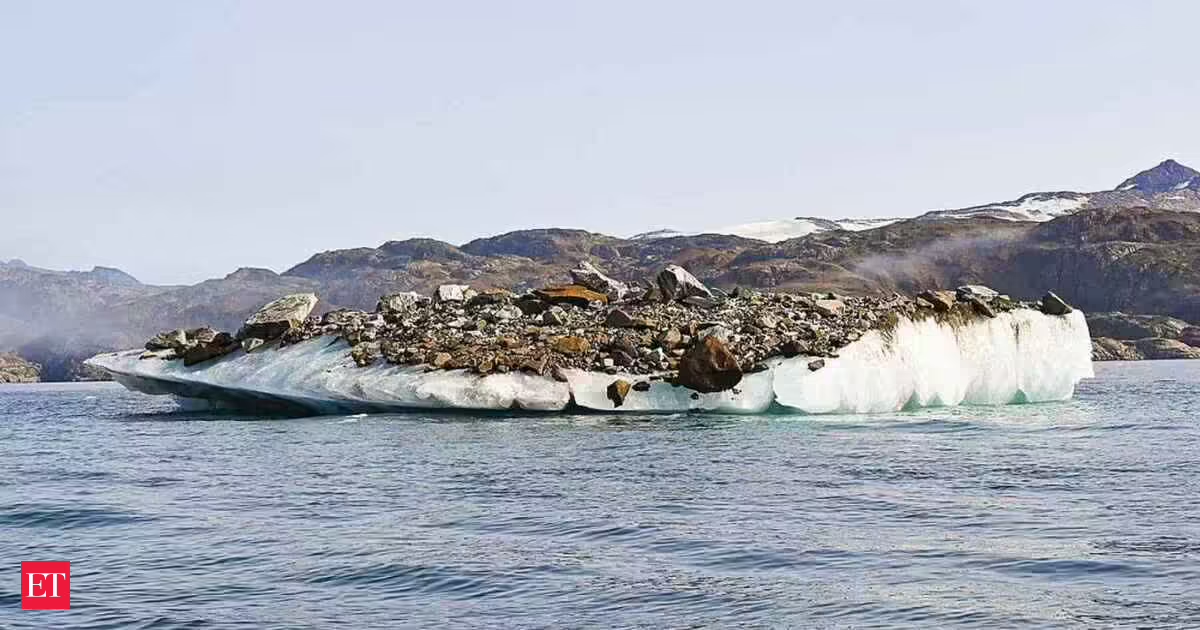
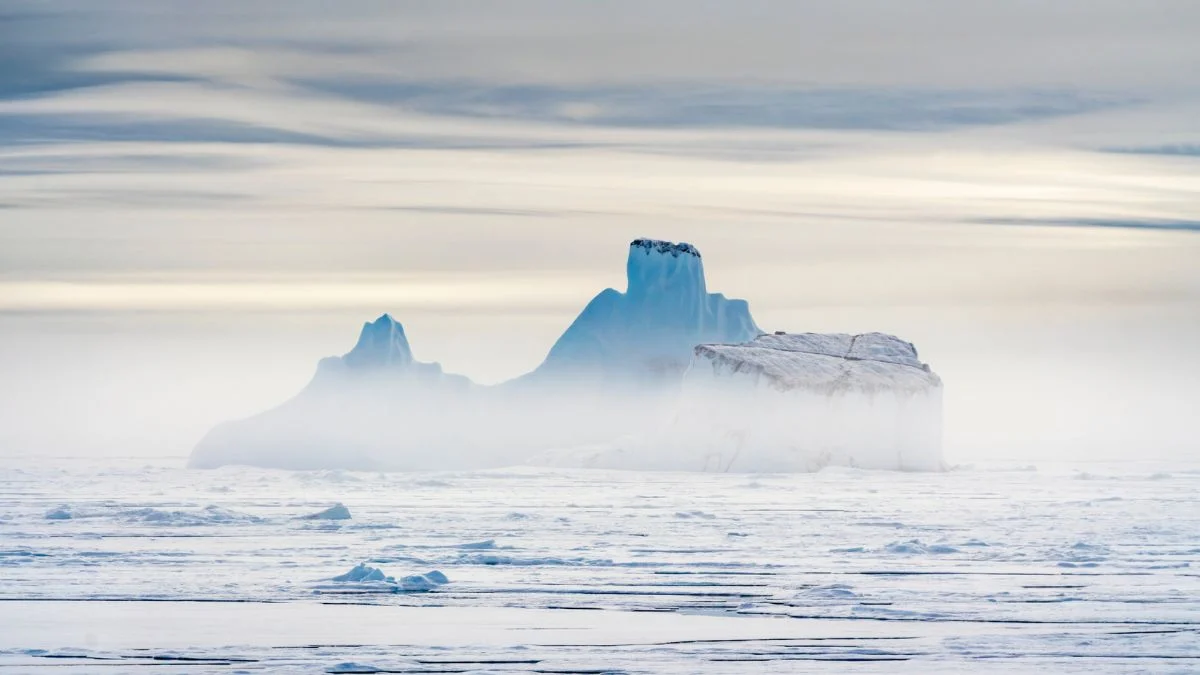
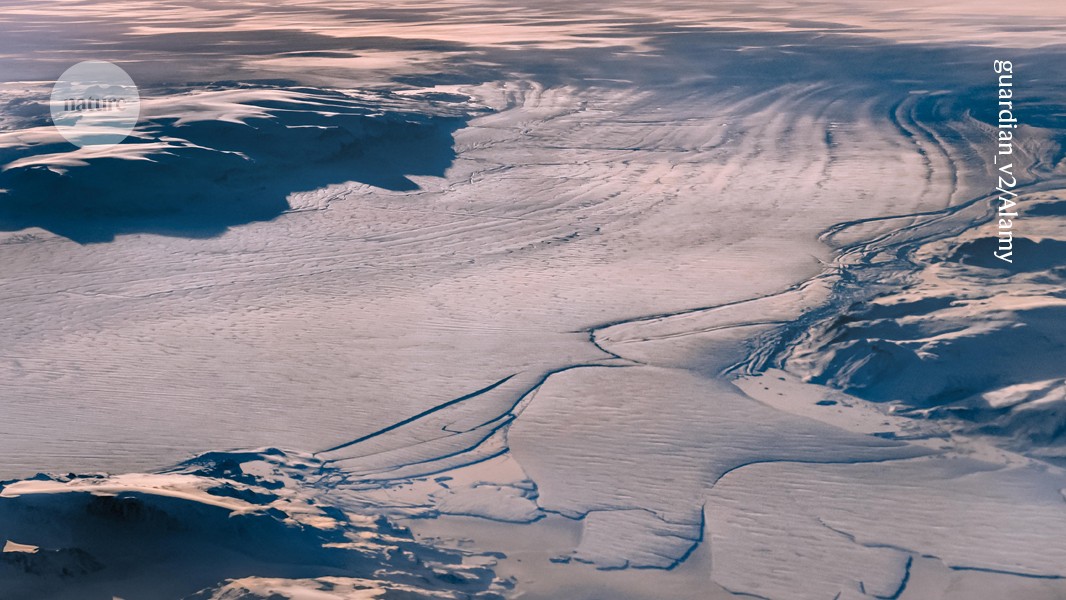
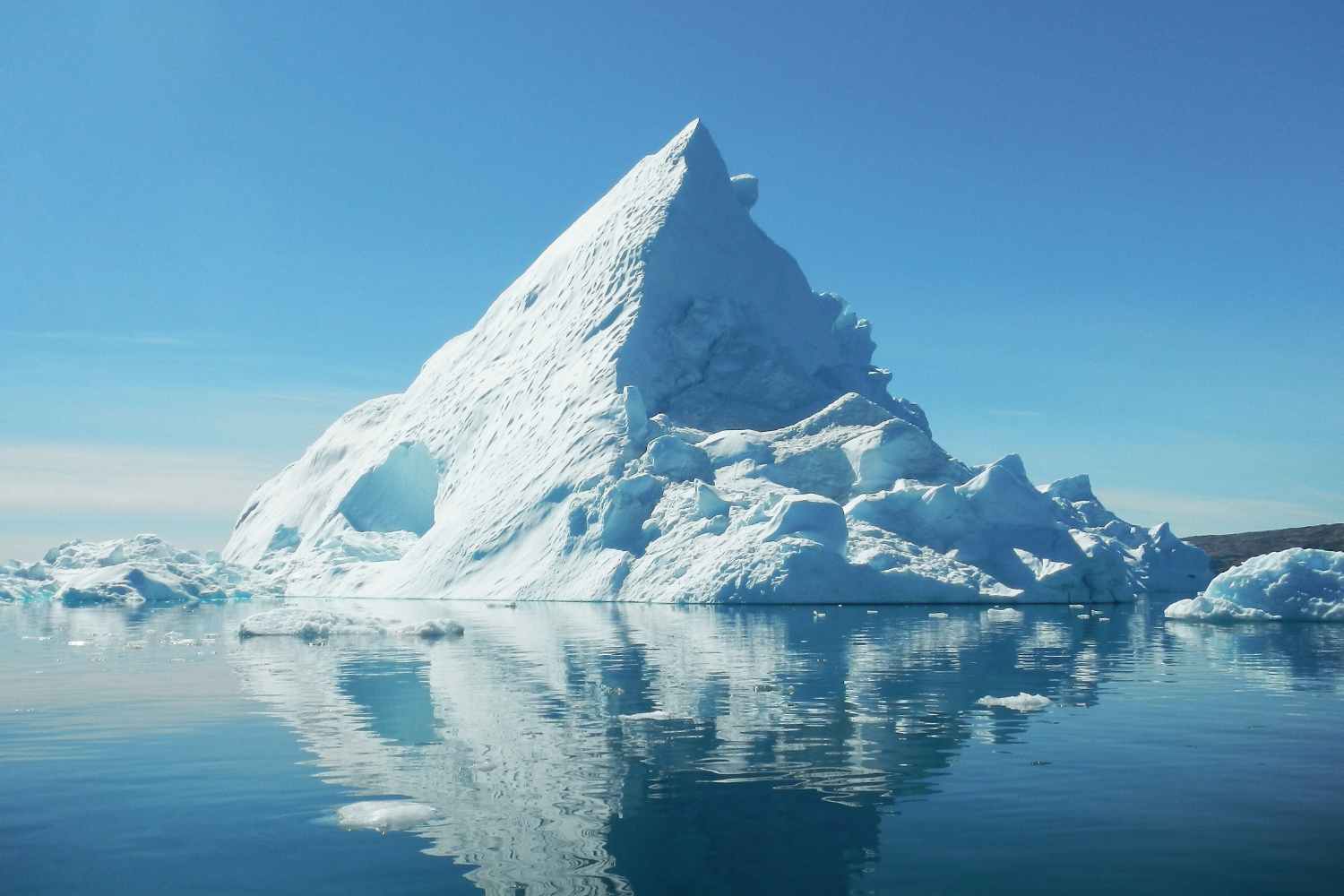
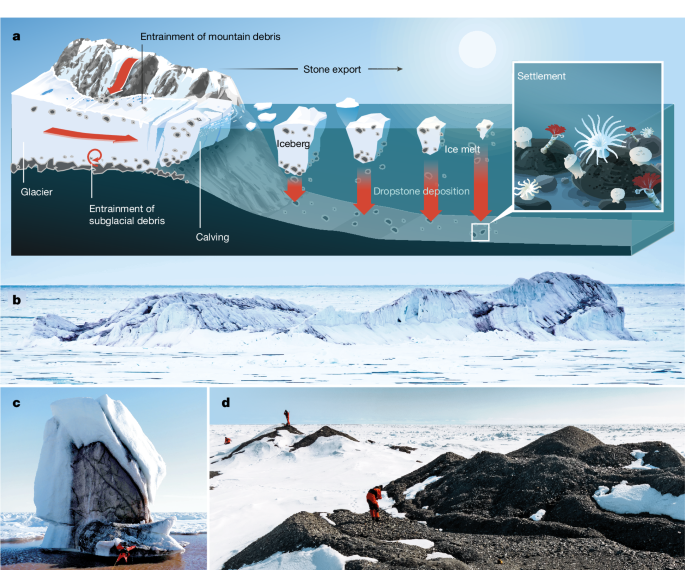
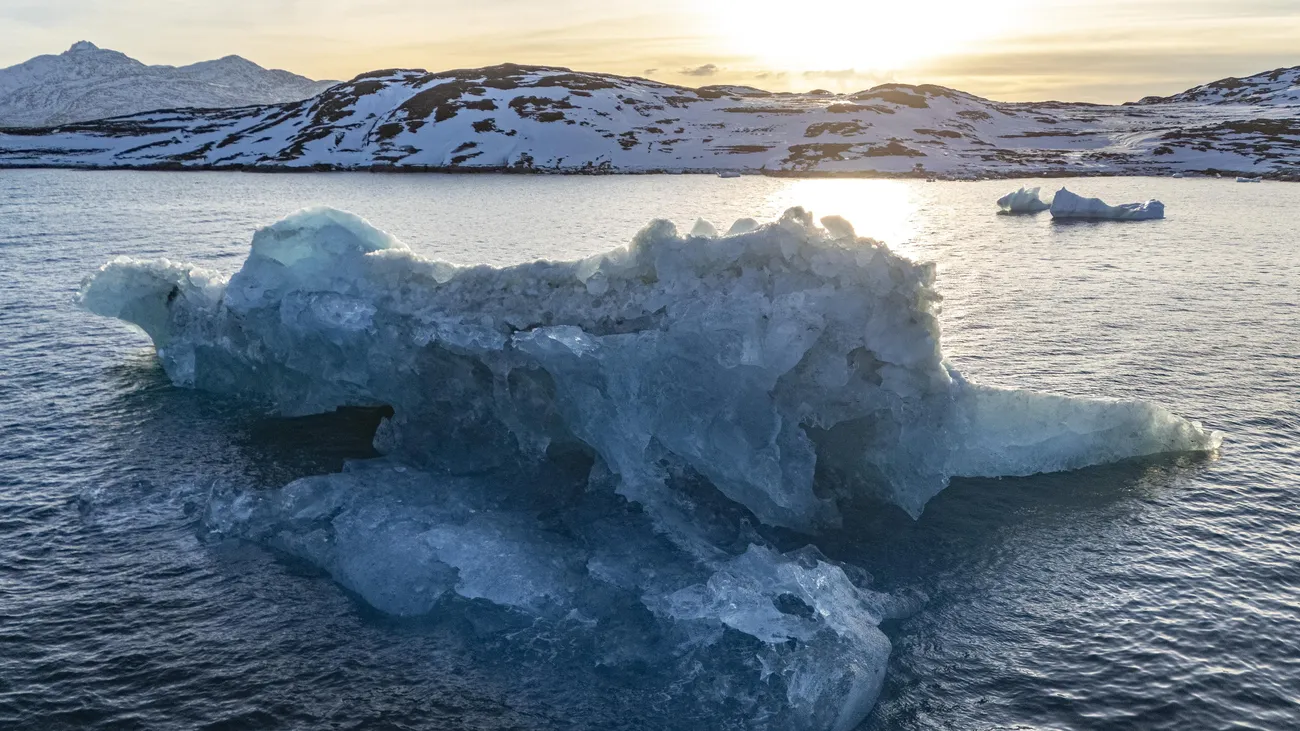
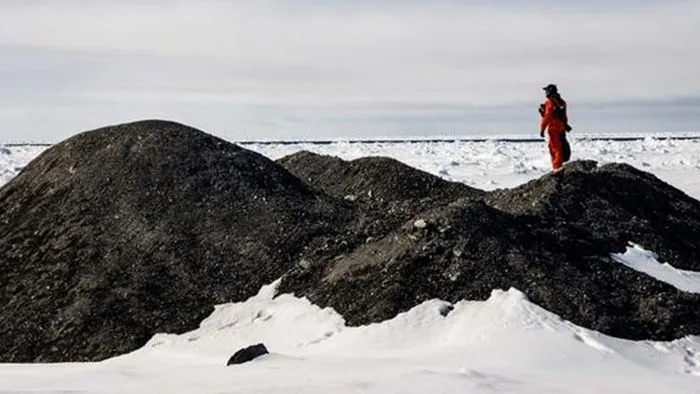
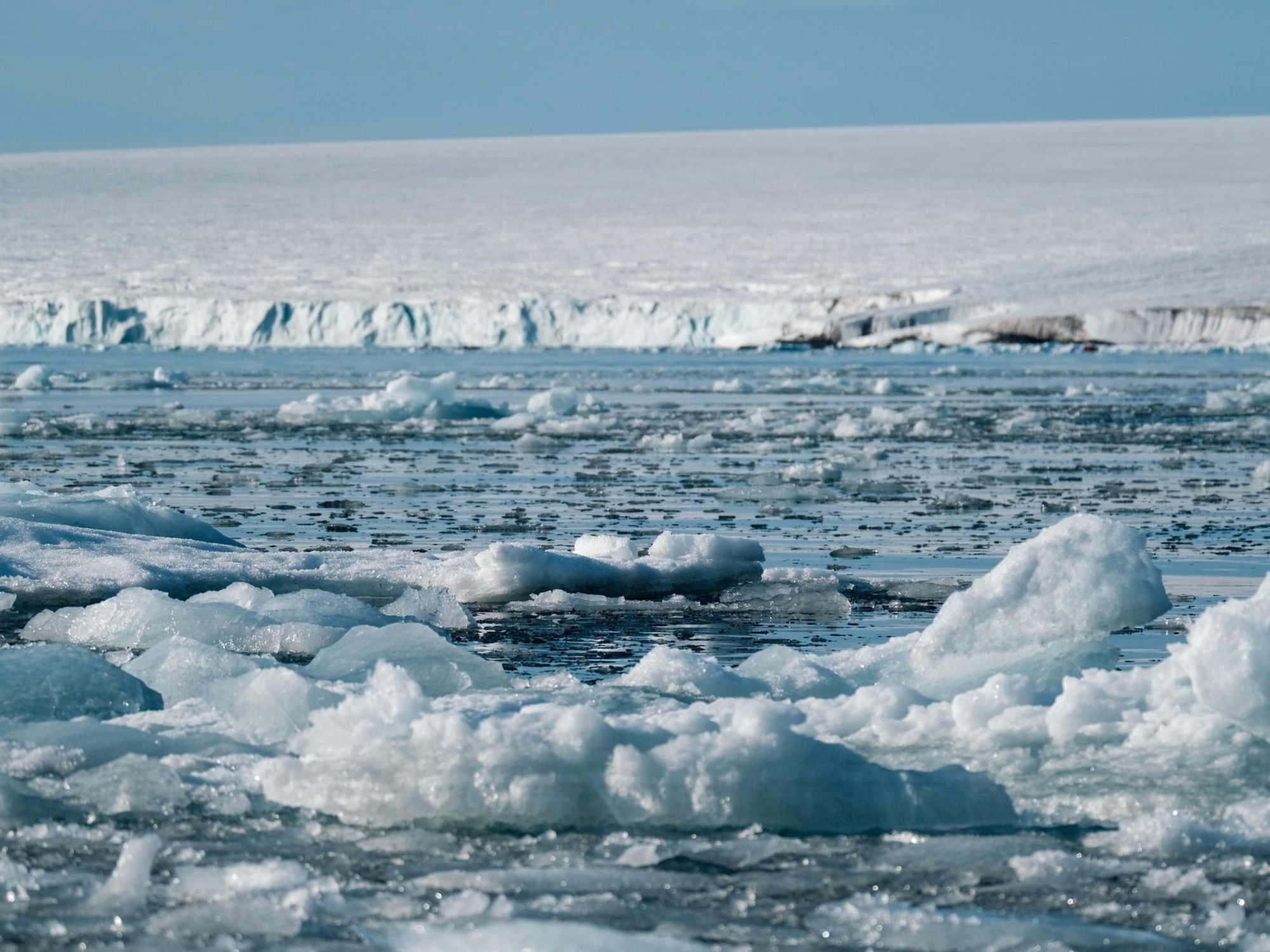
As glaciers in Greenland and parts of the Russian Arctic destabilise, increasing numbers of debris-laden icebergs are drifting through the Fram Strait before melting and releasing vast quantities of rock onto the seafloor.
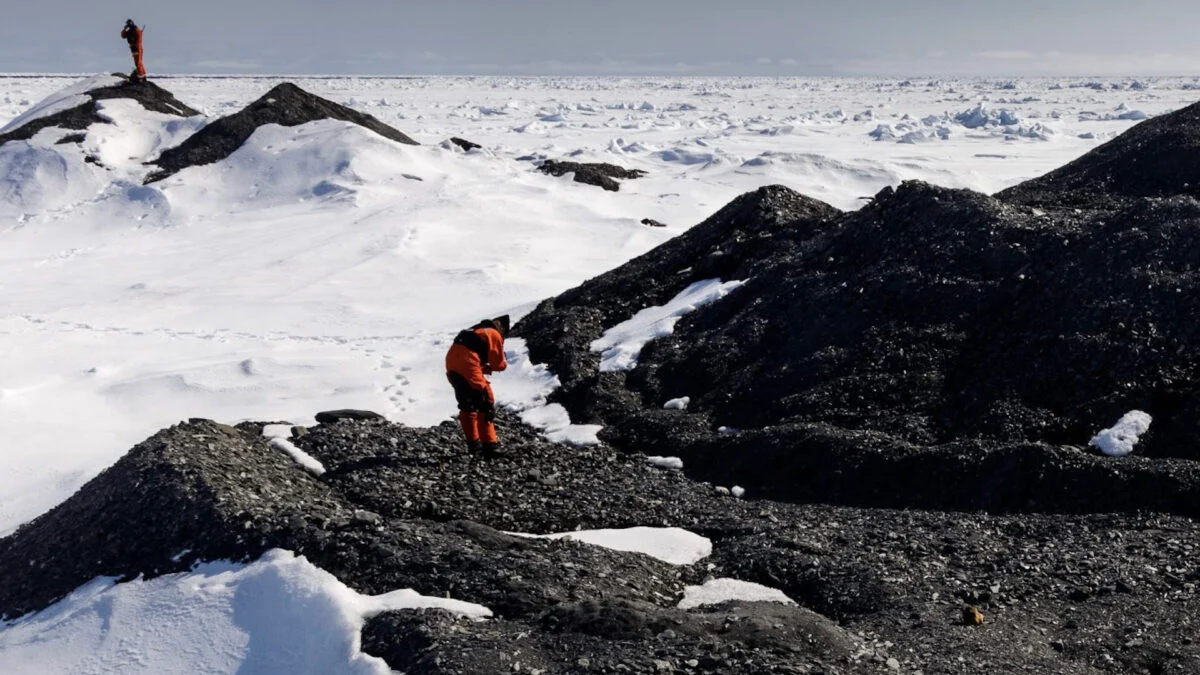
These stones, known as dropstones, are creating rare hard surfaces across an otherwise muddy deep-sea landscape.
Researchers have found that the newly deposited rocks are becoming settlement sites for sponges, sea anemones, corals and other marine organisms that require solid ground to survive.
The discovery offers a striking example of how global warming is reshaping ecosystems in complex and often unexpected ways, altering where life can exist in one of Earth's fastest-changing regions.Arctic icebergs are transporting tonnes of rock across the ocean floorThe findings come from a study, ‘Amplified Arctic iceberg traffic reshapes benthic biodiversity,’ by researchers from the Alfred Wegener Institute and the Woods Hole Oceanographic Institution.