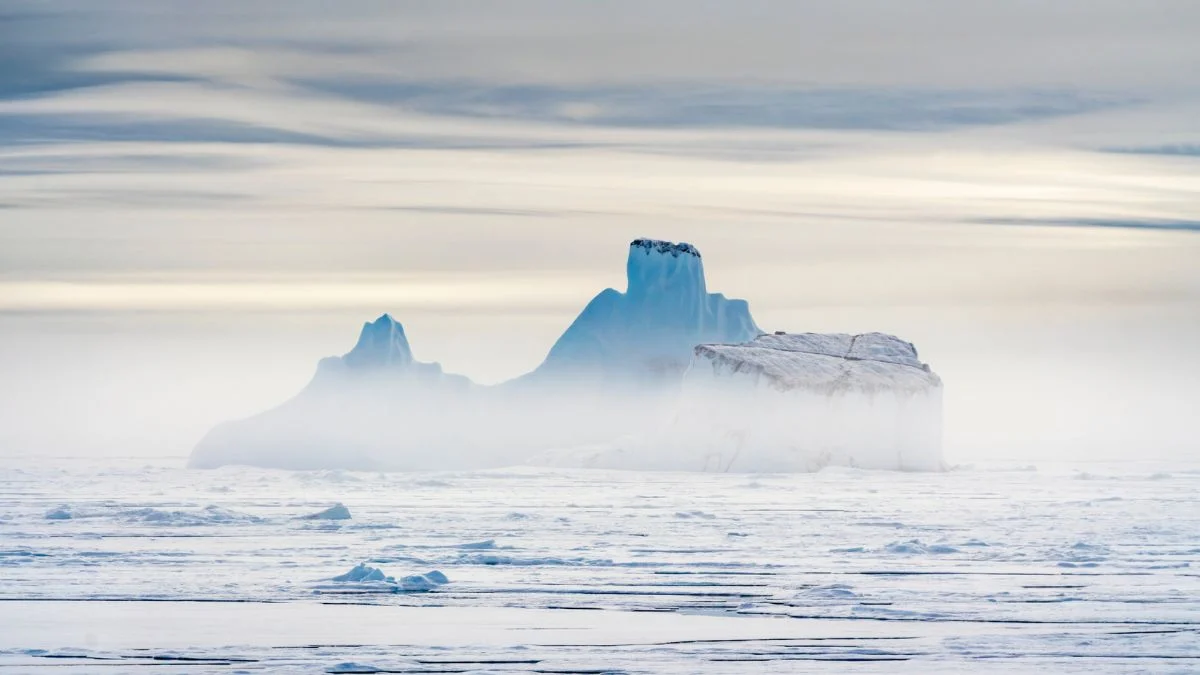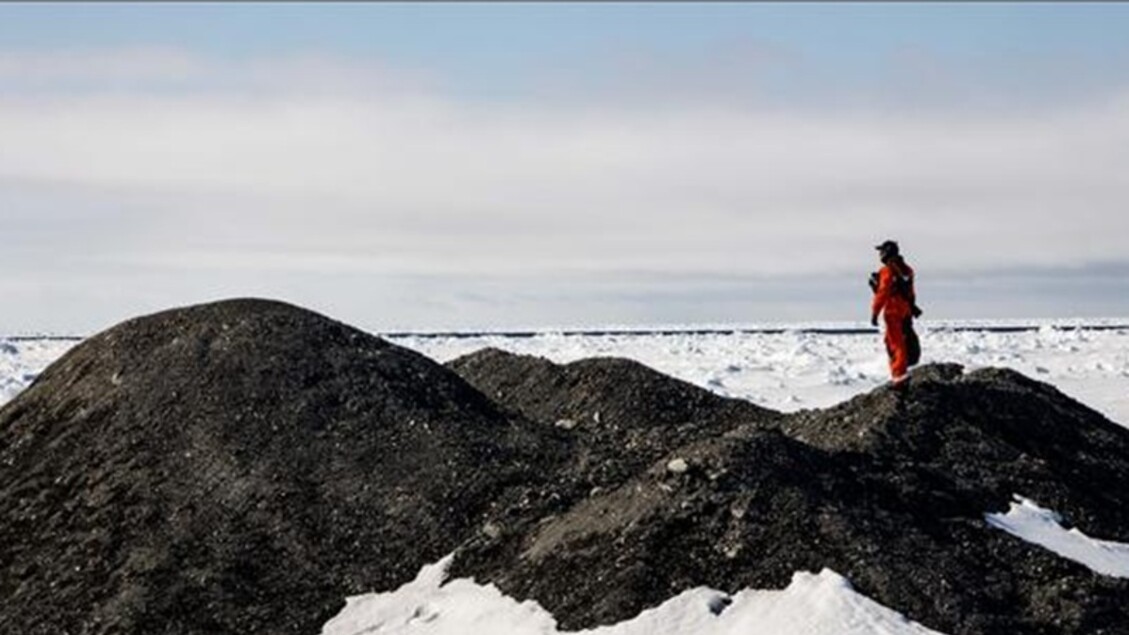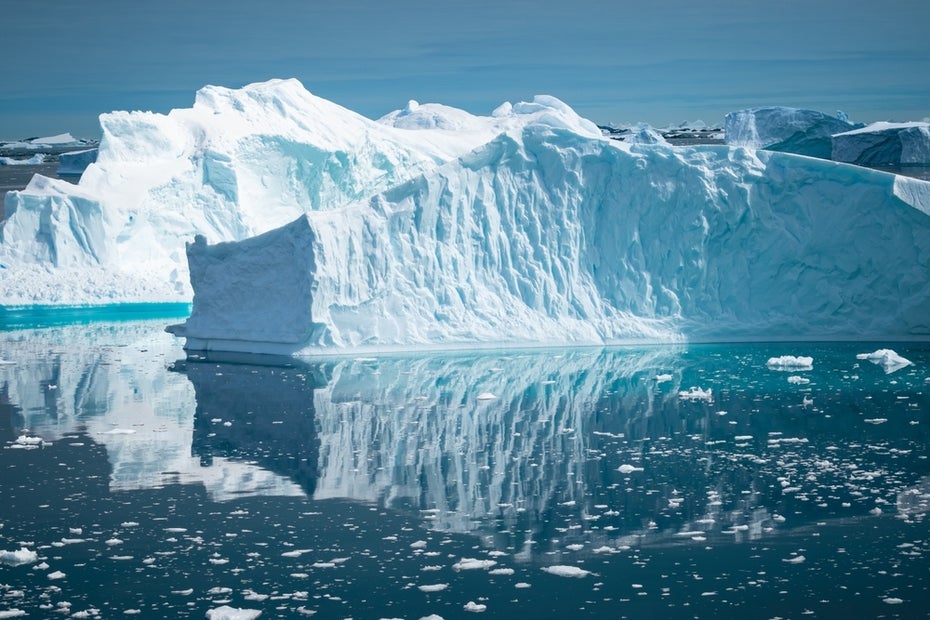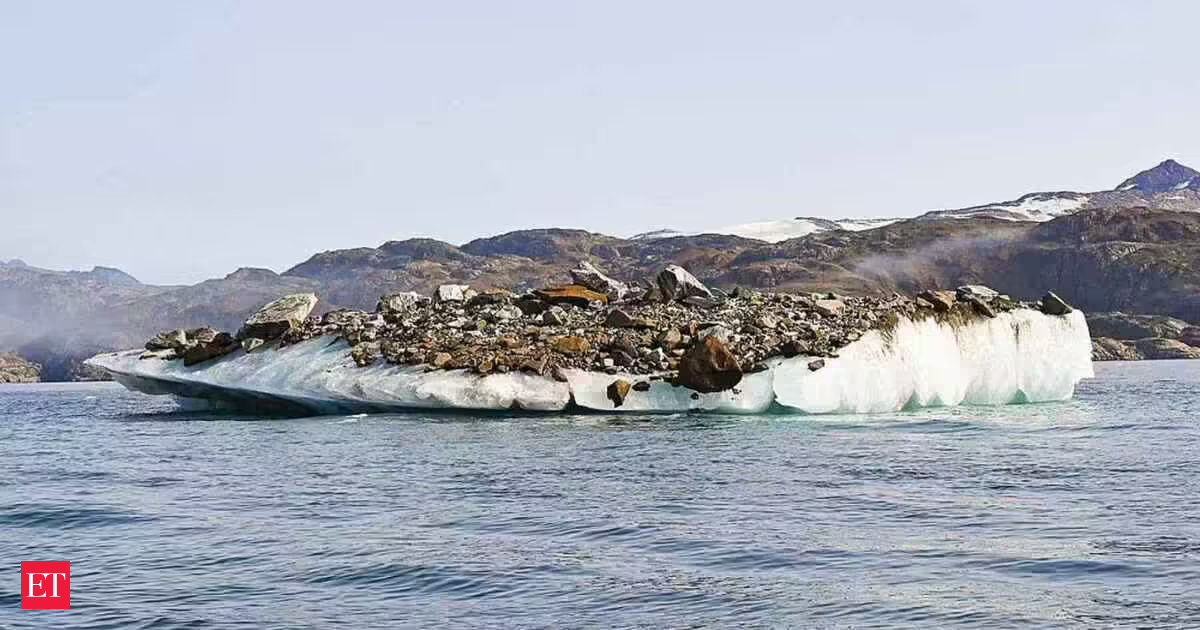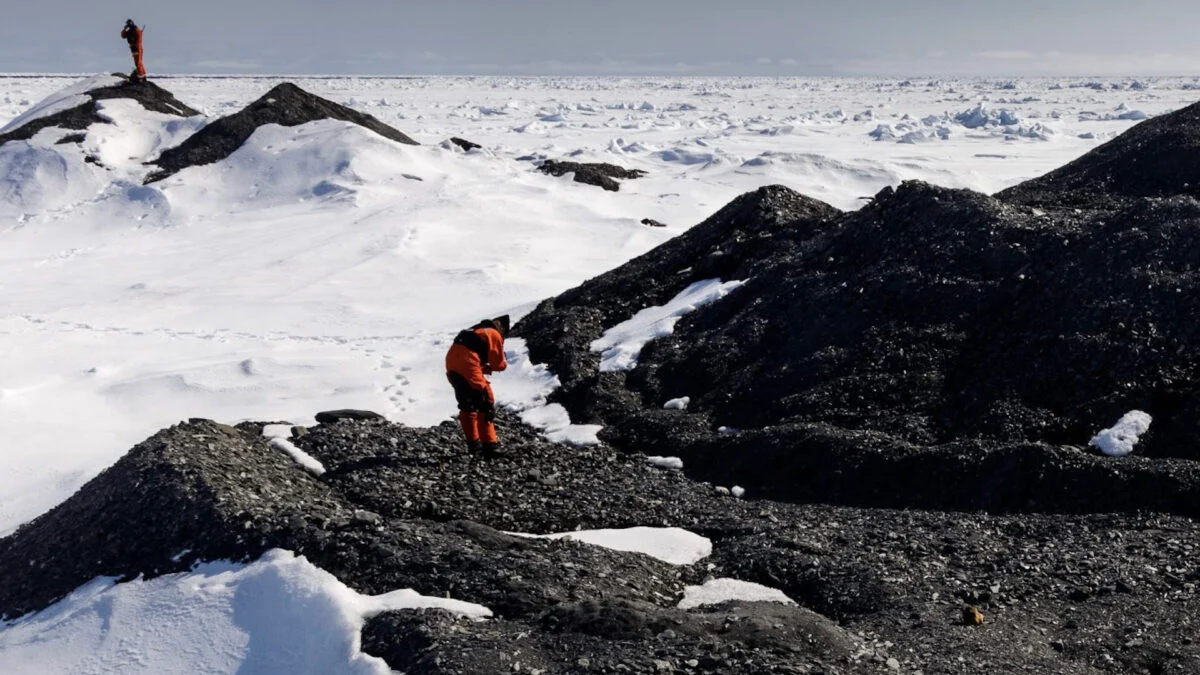
A polar research expedition back in 2021 noticed something weird along the Fram Strait, a marine passage into the Arctic Ocean between Greenland and Svalbard. “Some of the icebergs were carrying unusually large amounts of debris and looked almost black from above,” as one biologist on the team, Melanie Bergmann, recalled in a statement.
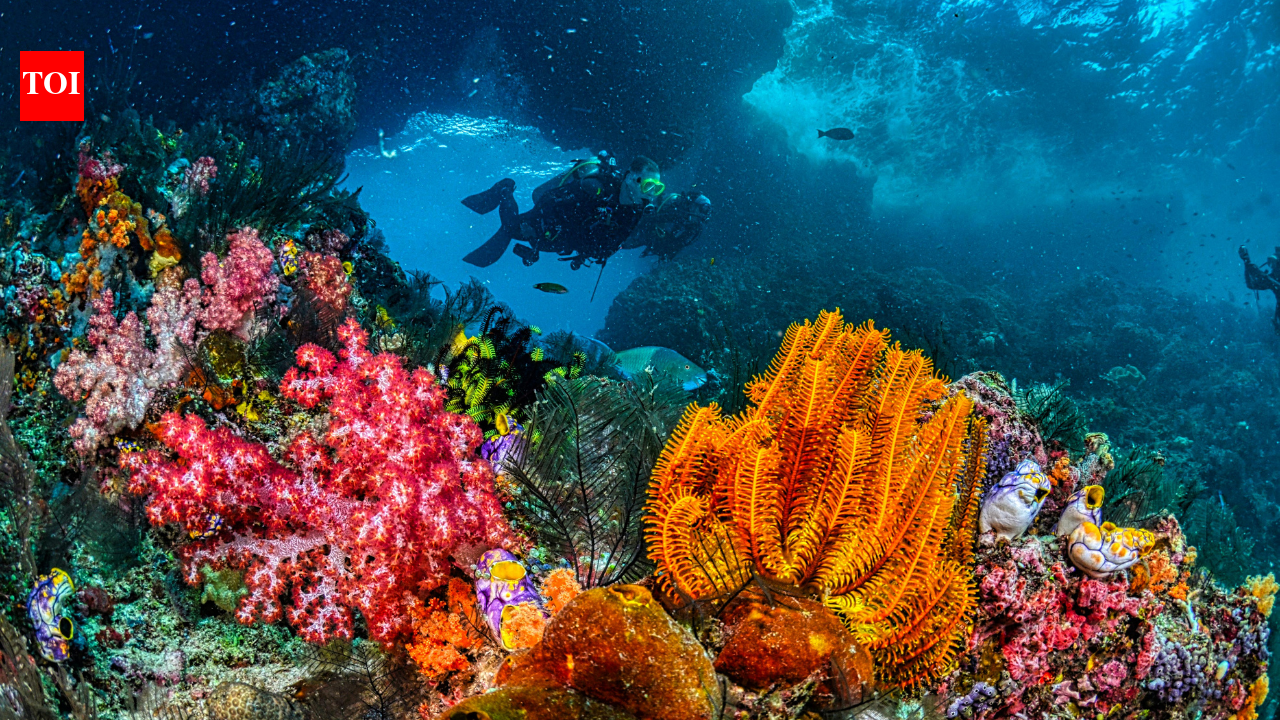
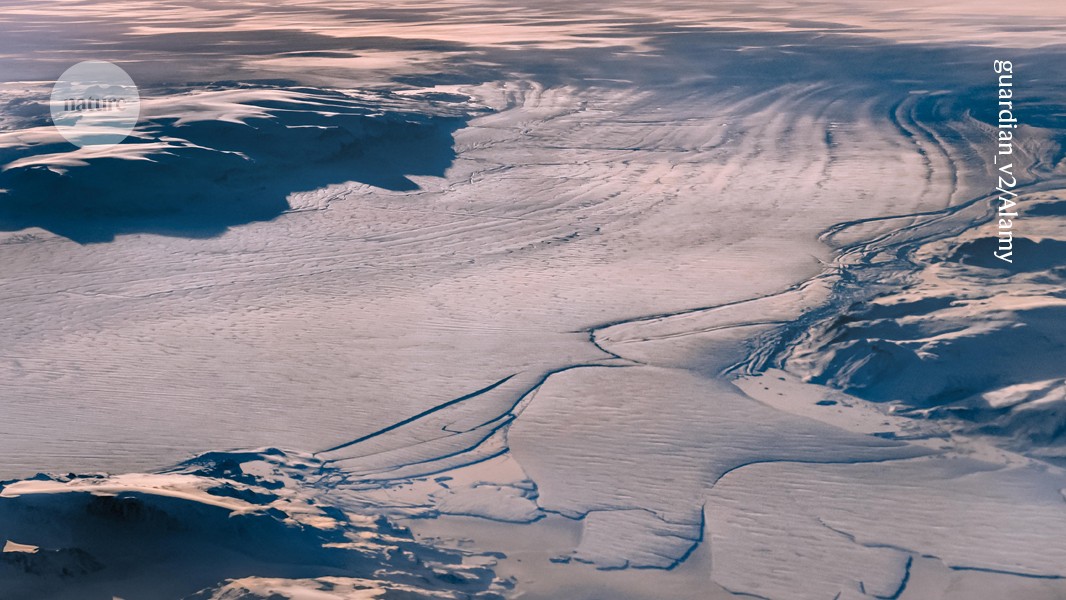
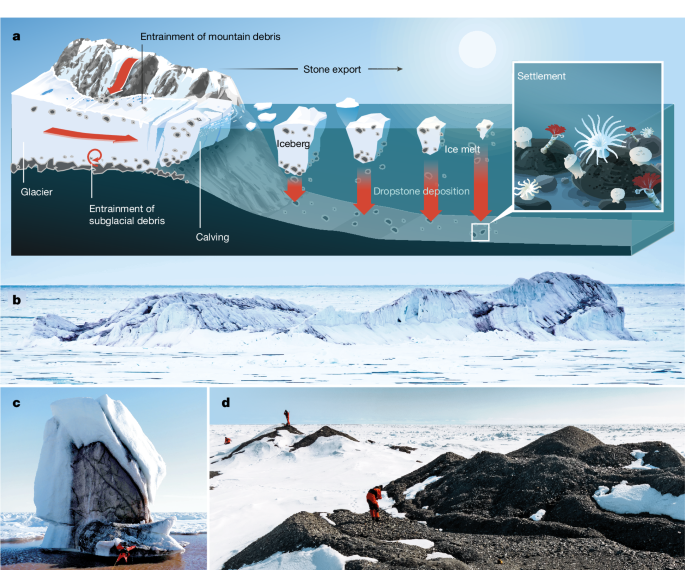
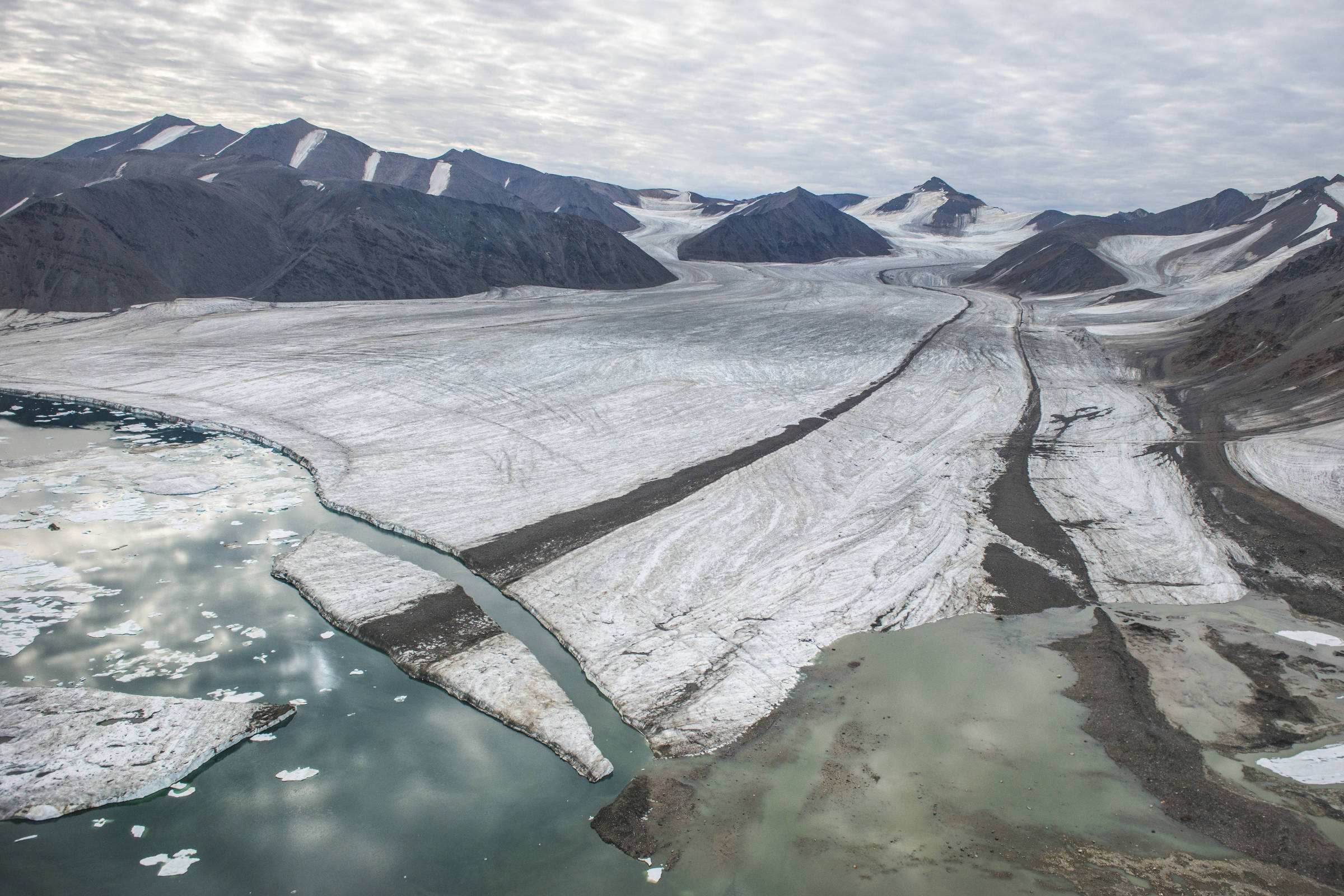
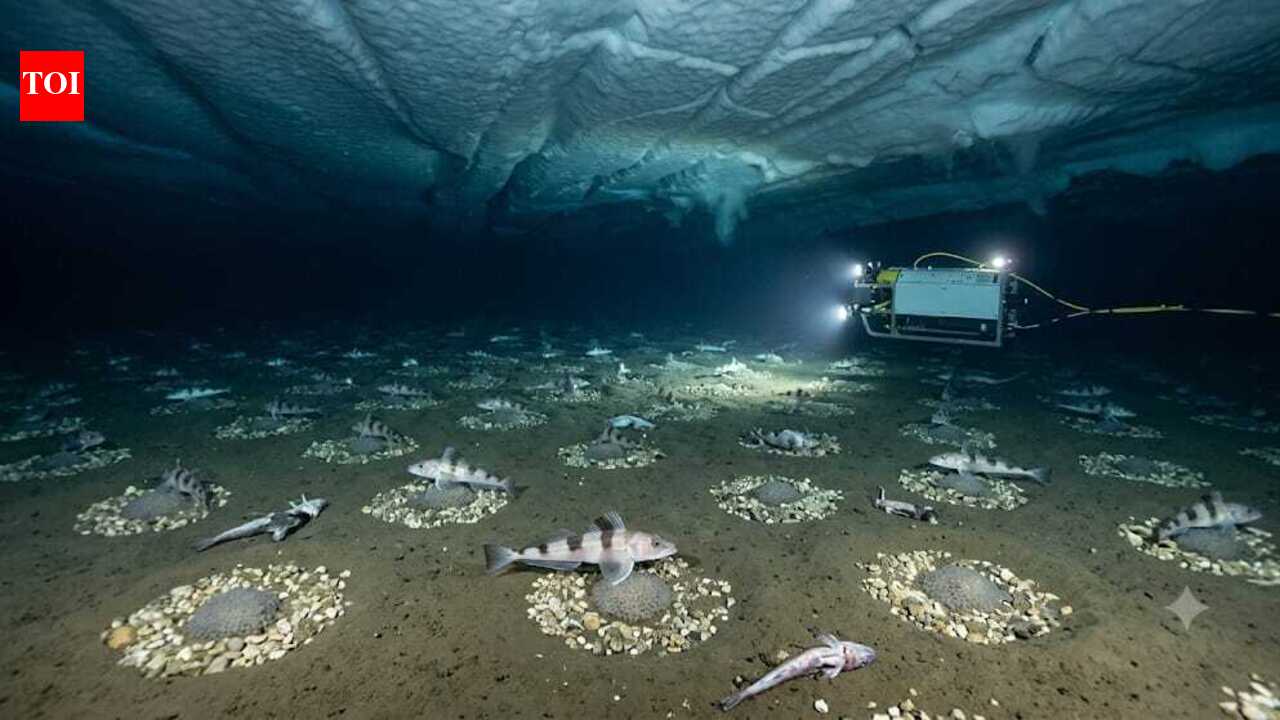
This strange floating mystery has yielded a series of surprising discoveries along this Arctic region’s ocean floor. Researchers led by Germany’s Alfred Wegener Institute (AWI) and the Massachusetts-based Woods Hole Oceanographic Institution have documented thriving and entirely new ecosystems of soft coral, sea stars, “moss animal” bryozoa, anemones, sponges, and more. These emerging habitats on the chilly Arctic seabed, the team argues in its new study, appear to have been seeded by “dropstones” released from those craggy melting icebergs, creating the “hard substrate” surfaces that sedentary marine animals have long adapted to colonize. But the research doesn’t just show how sensitive these Arctic climes have become to the impacts of climate change. Their work may soon also be of use to sea vessels needing better data to navigate around this increasing number of icebergs calved from melting glaciers—as well as from their dropstones, which pose risks in shallow waters if left uncharted.