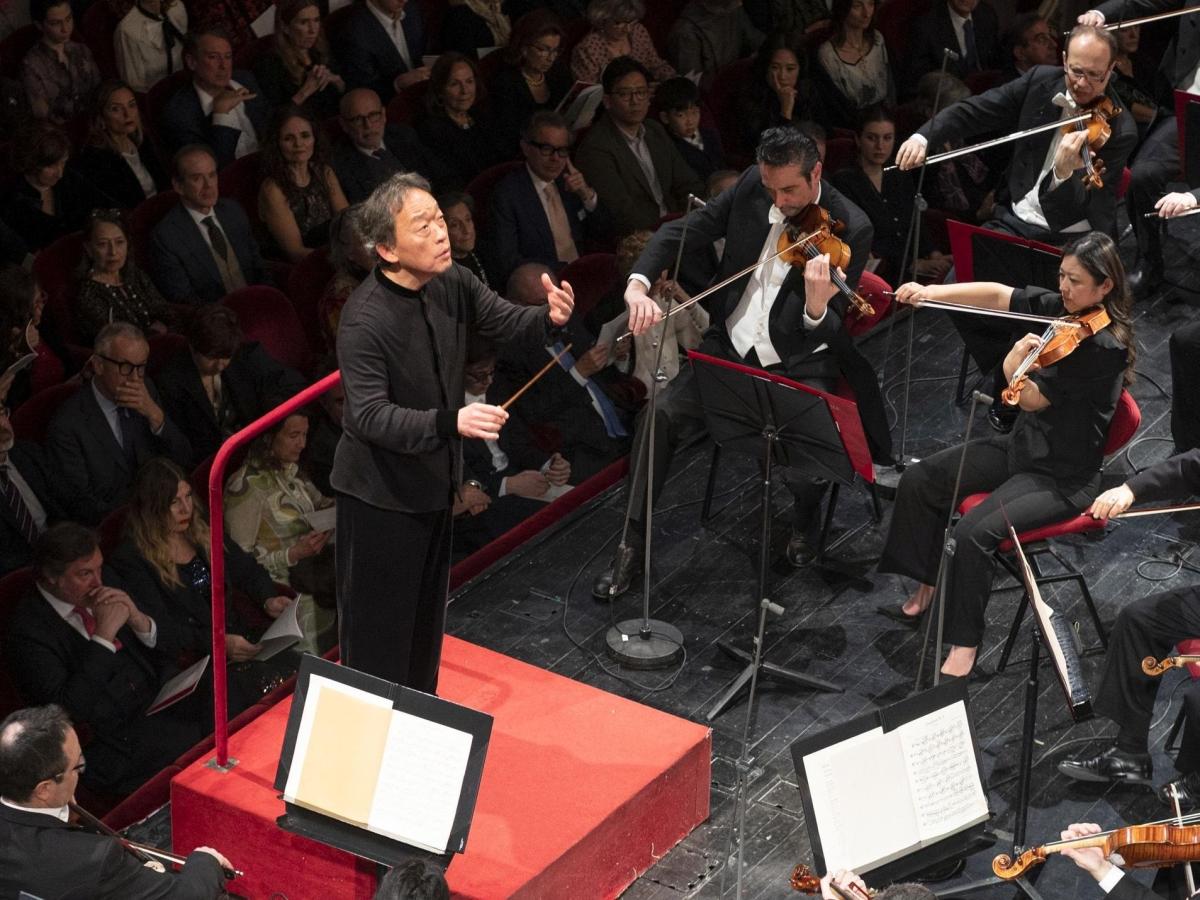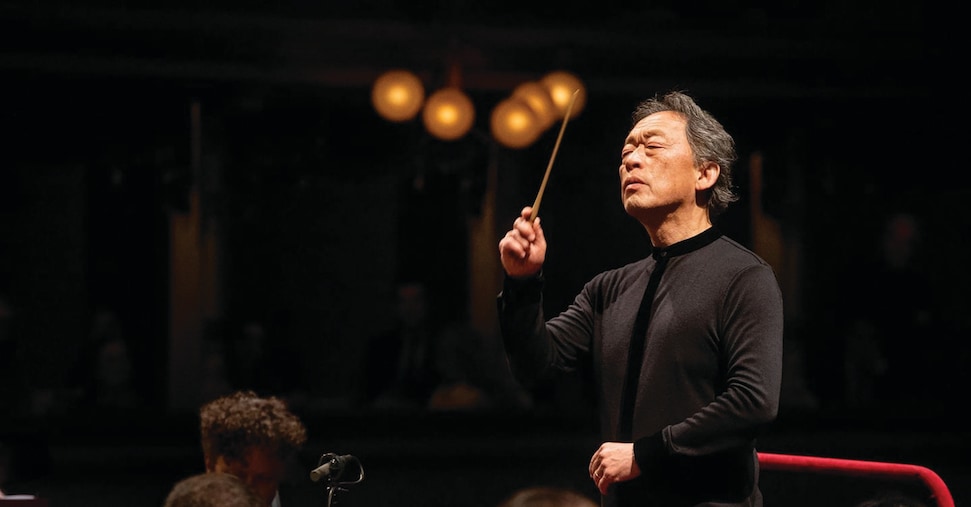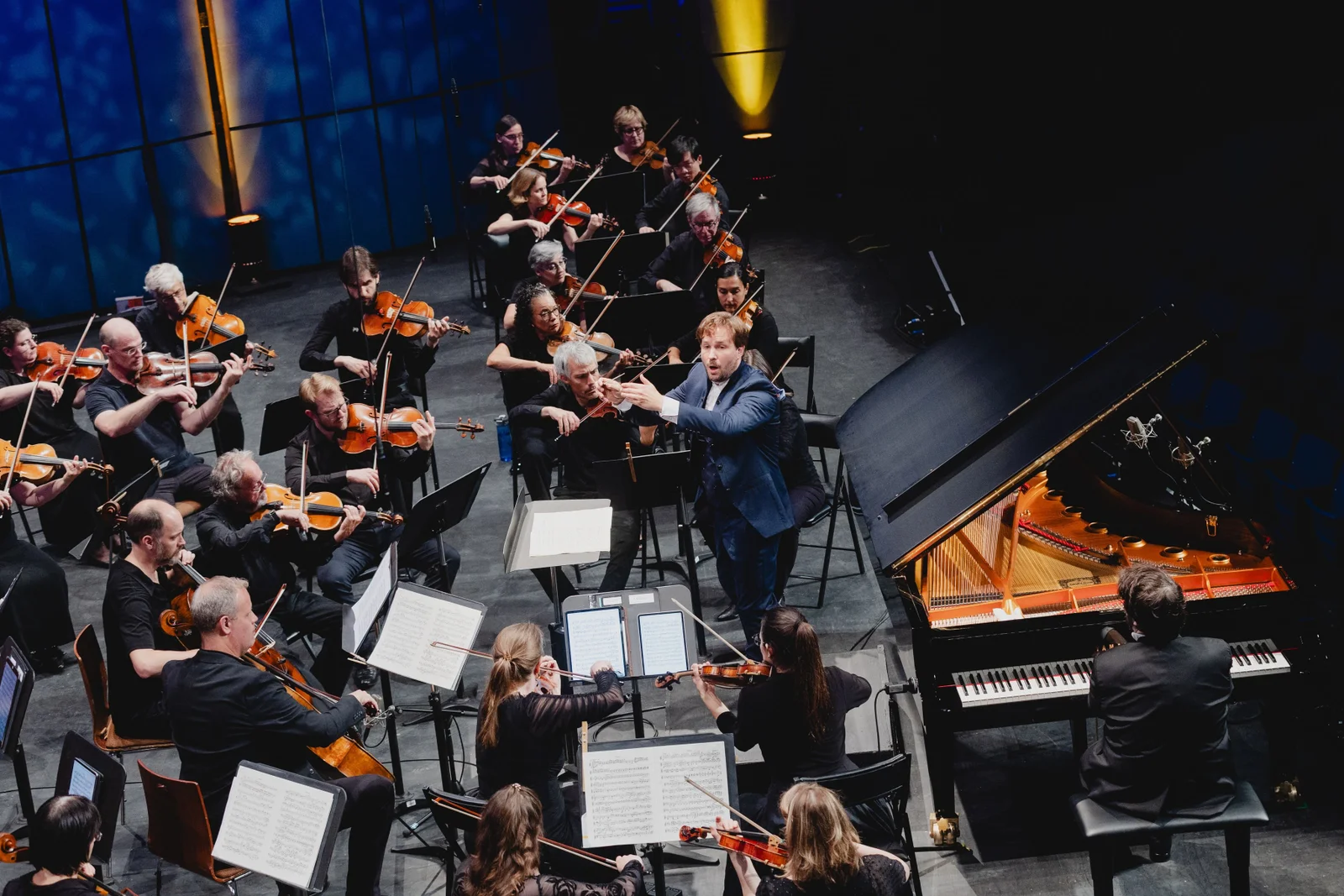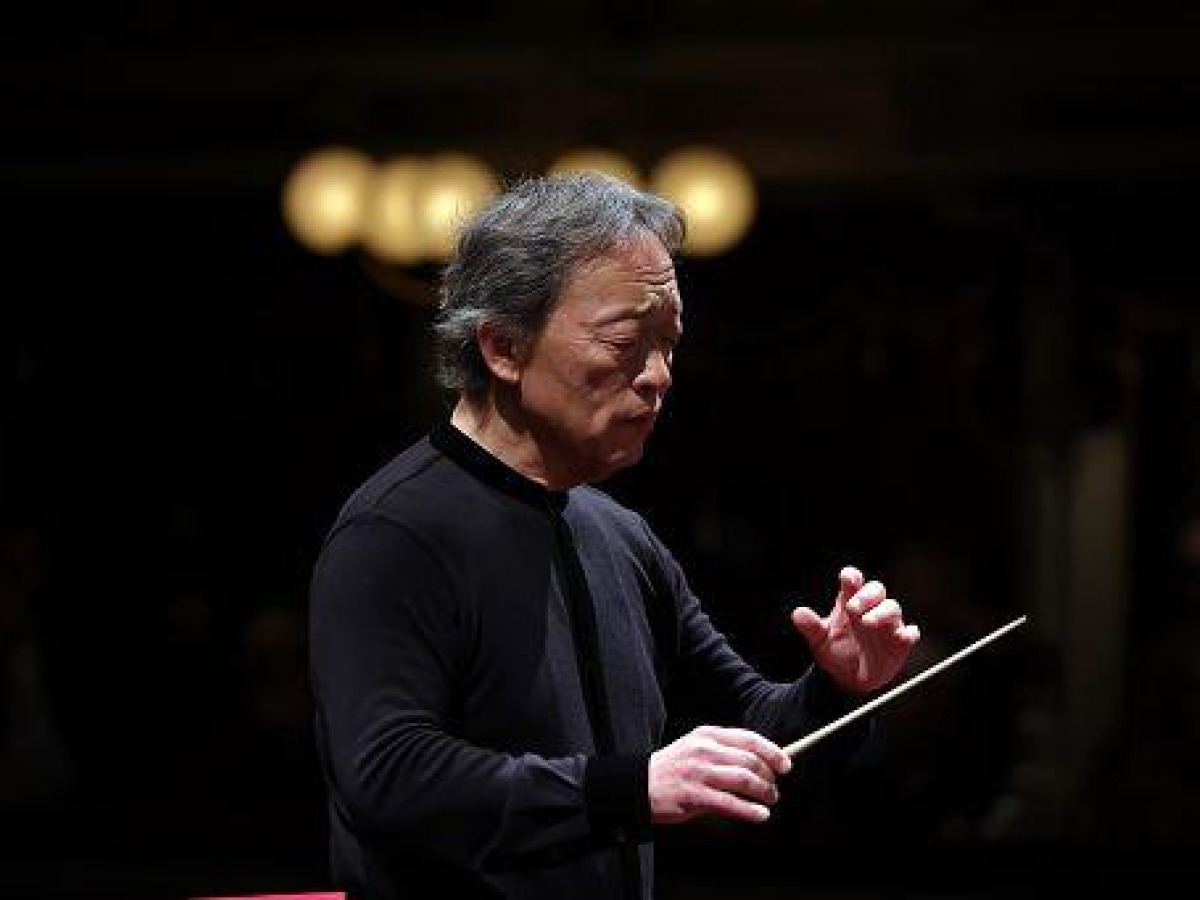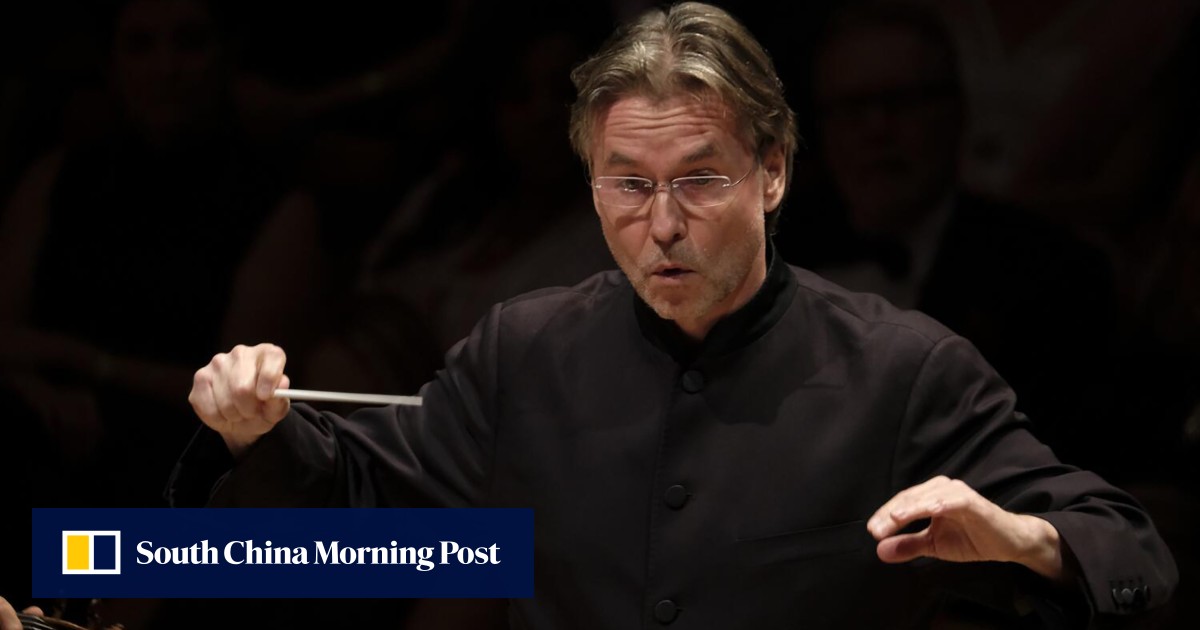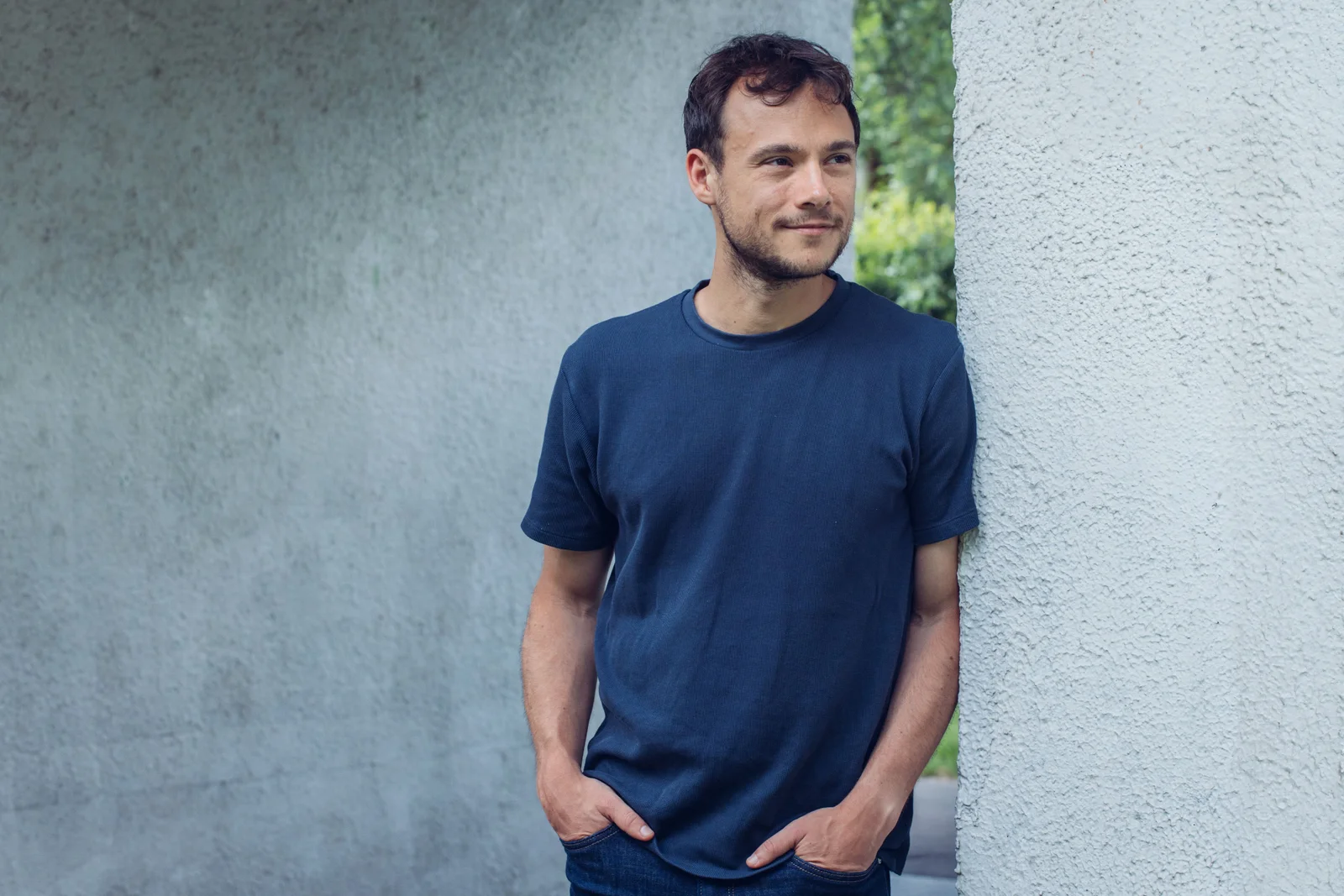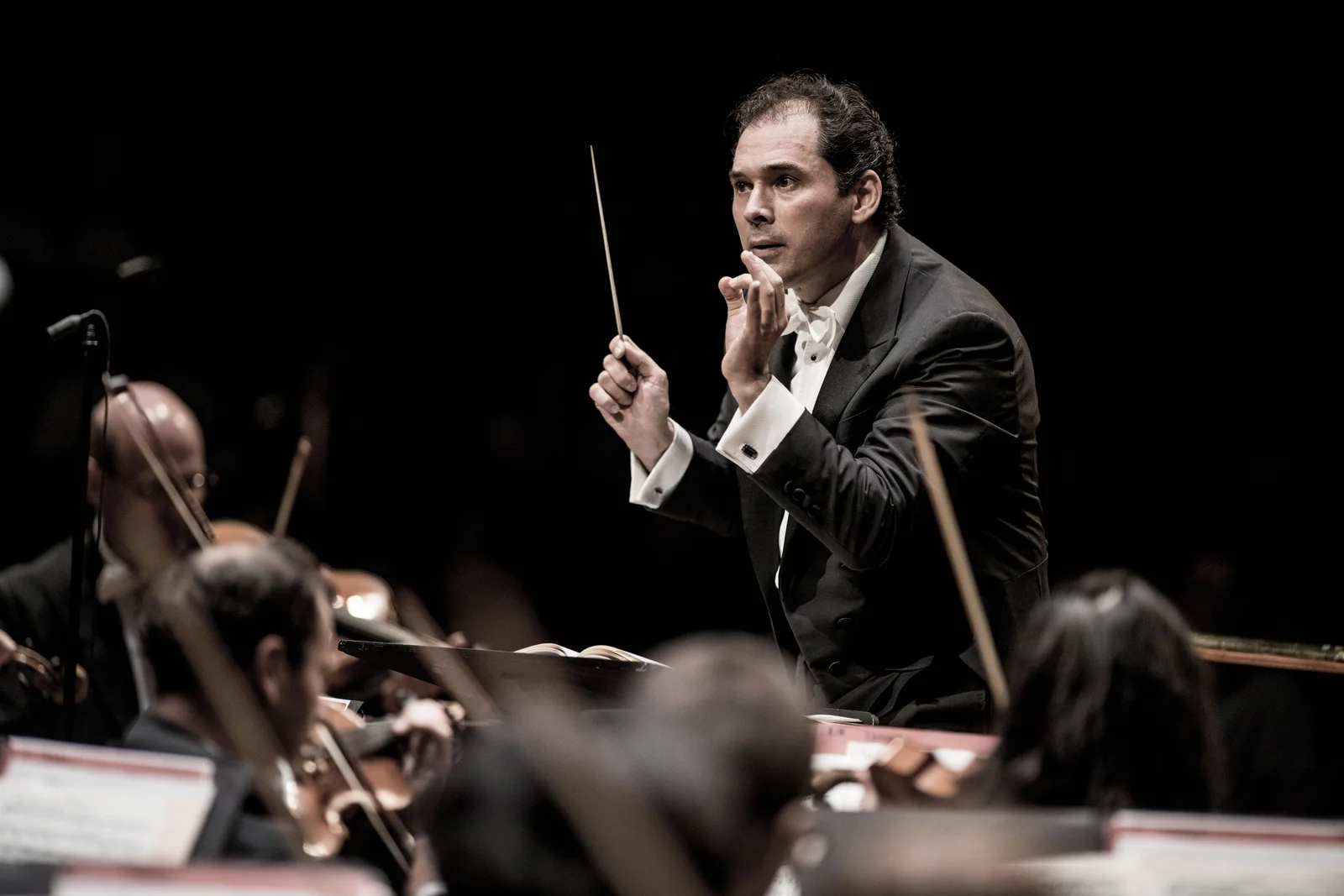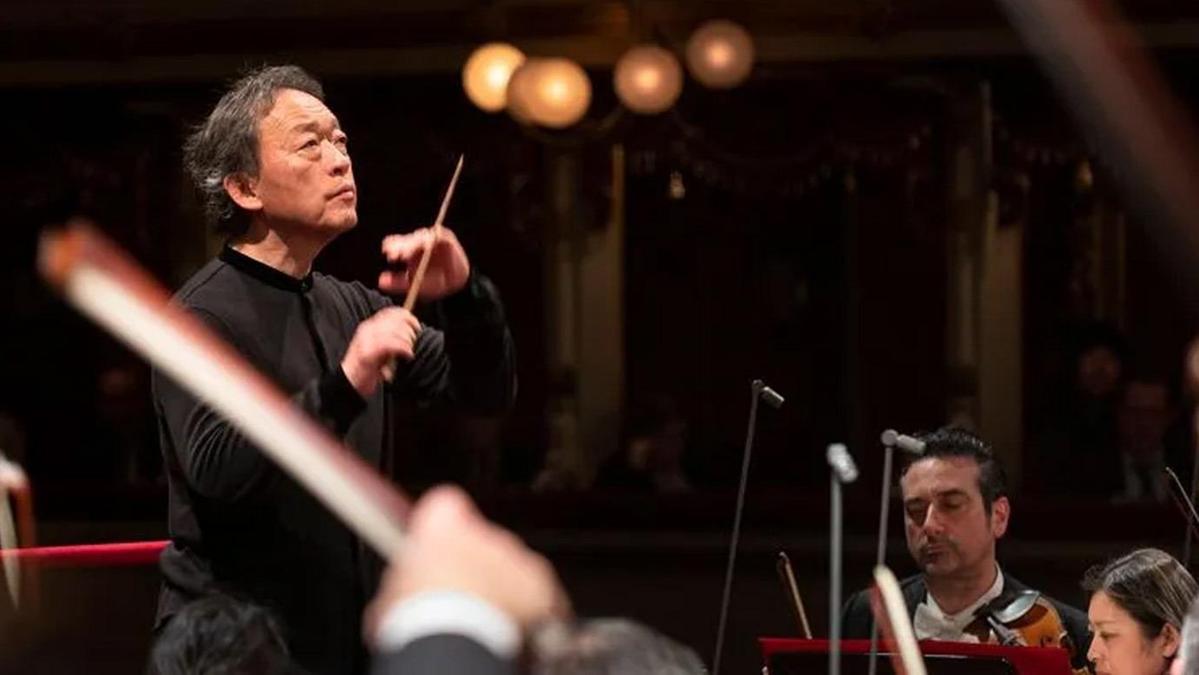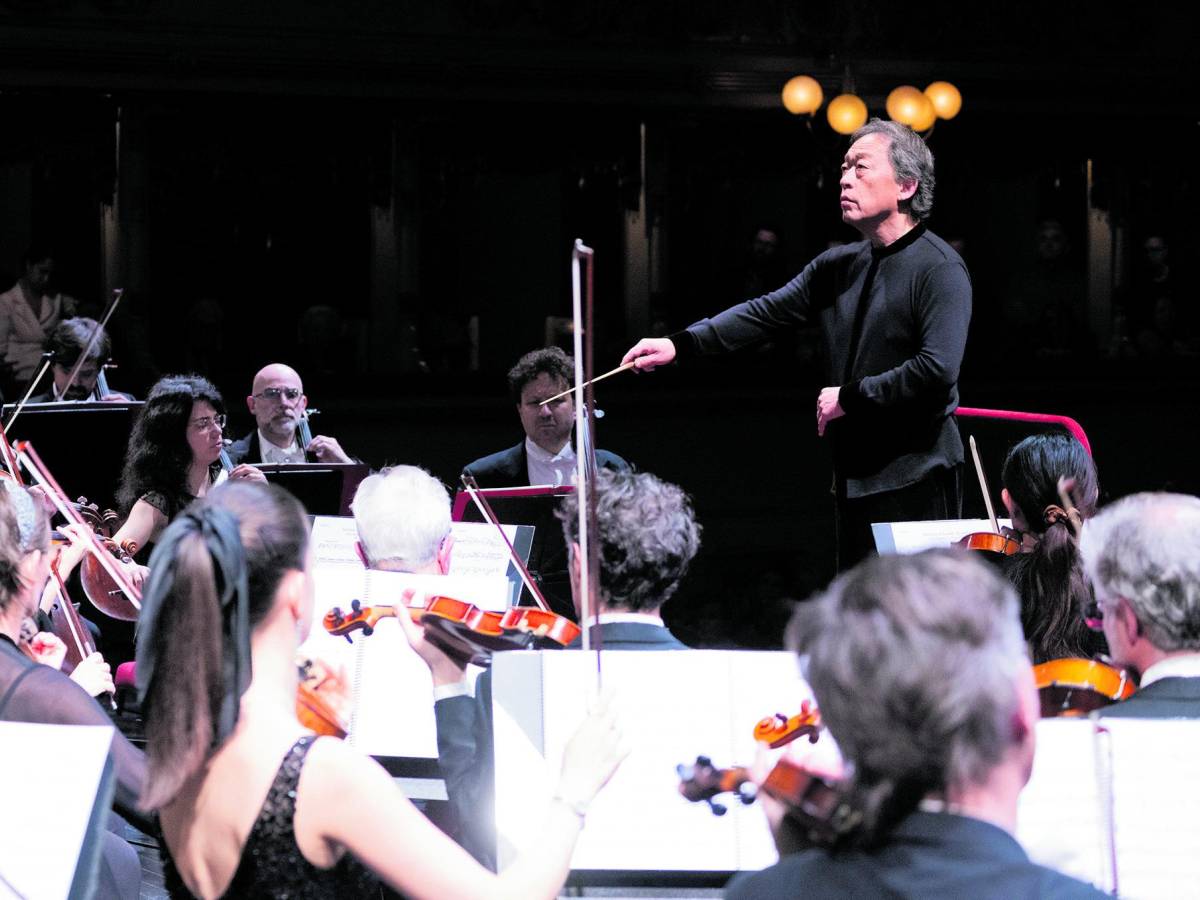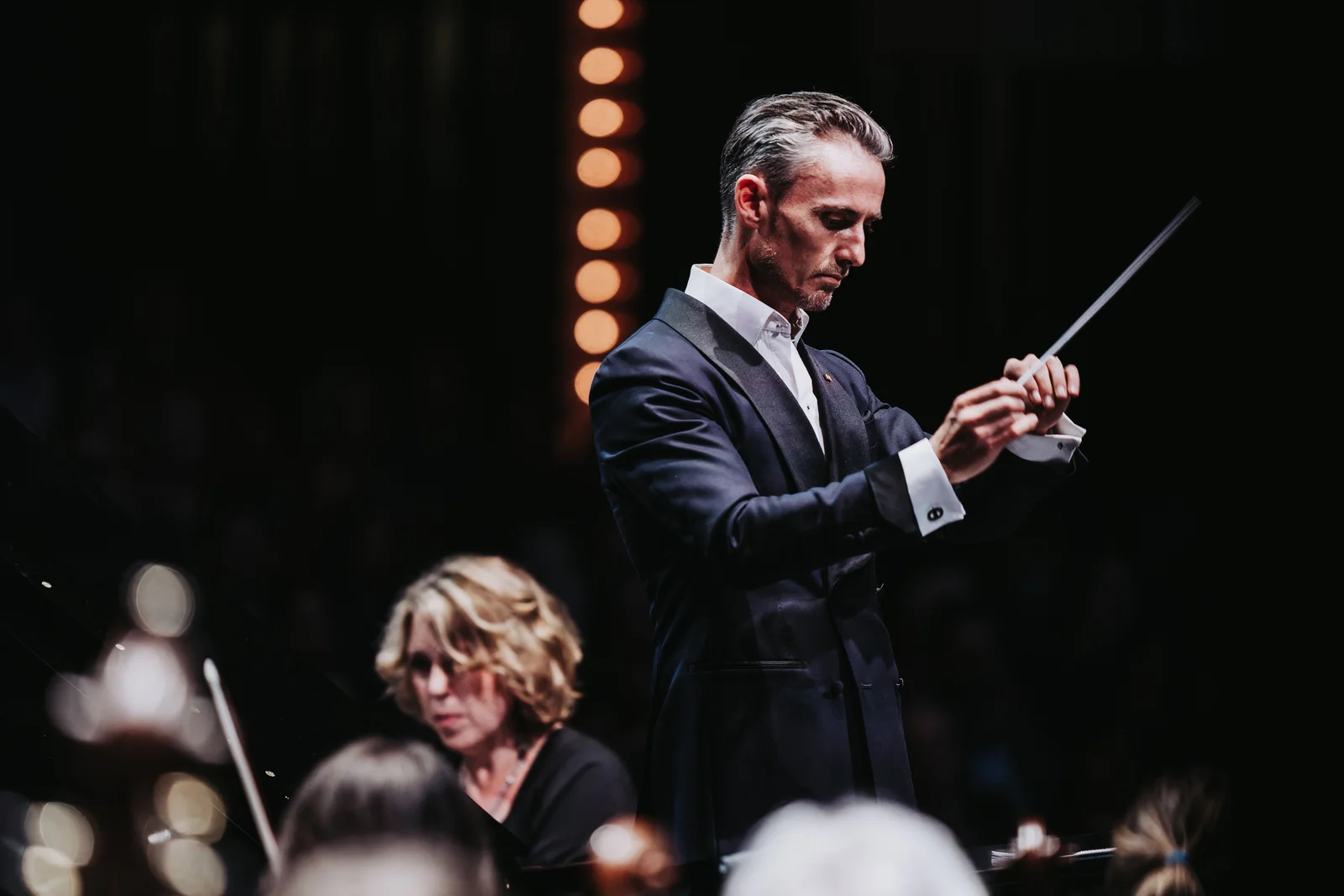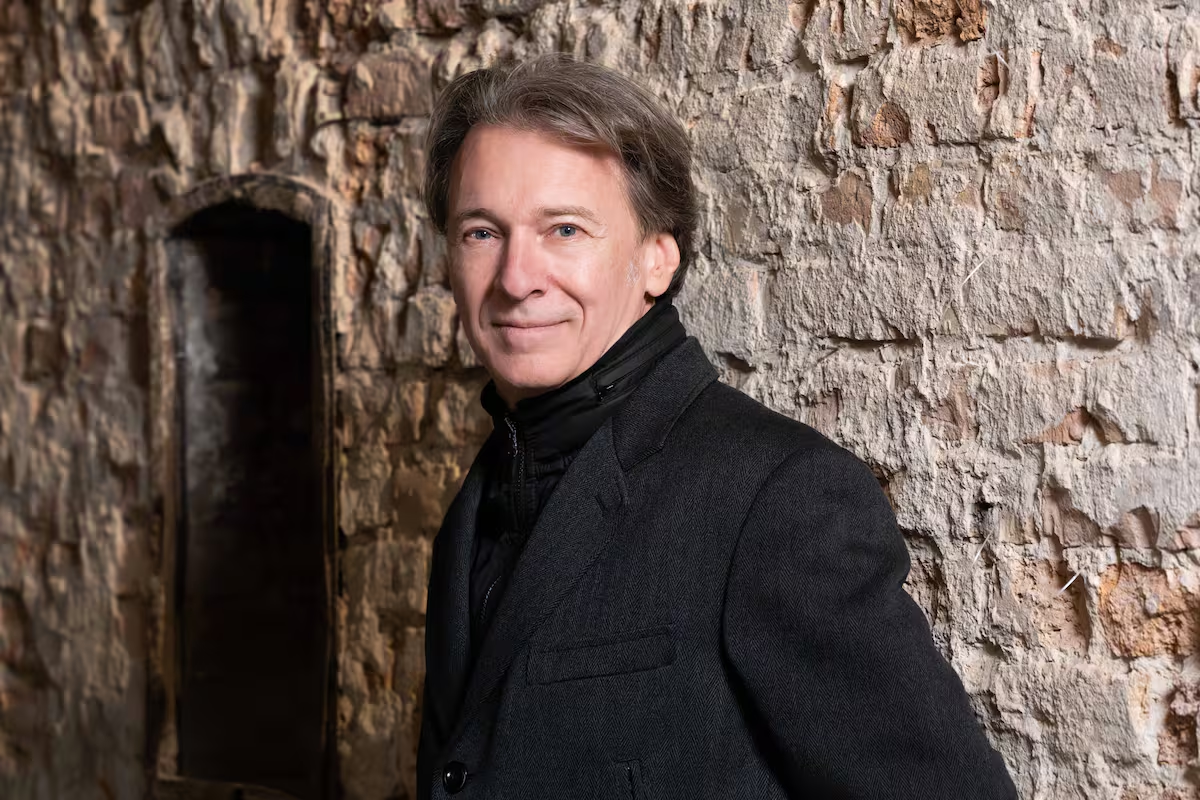
Cellist-turned-conductor returns to Korea for third time with the 220-year-old Lucerne Symphony Orchestra Michael Sanderling (Vincero) When Michael Sanderling returns to South Korea this month with the Lucerne Symphony Orchestra, he will lead the Swiss ensemble from a podium he reached via an unlikely route: nearly two decades as a principal cellist and not a single conducting lesson.The 59-year-old German conductor spent nearly 20 years as a principal cellist with the Leipzig Gewandhaus Orchestra and the Berlin Radio Symphony Orchestra before he turned to conducting full time. Those years in the orchestra, he says, allow him to understand musicians from the inside."When you know what orchestral musicians feel and experience, you may find a connection with them more quickly and efficiently," he said in a written interview with local media. "That is why it is of inestimable value that I spent almost twenty years playing as a solo cellist in an orchestra."Sanderling first took the podium during a concert in 2000 at the urging of the players of the Berlin Chamber Orchestra. He came to understand the craft by watching from within, studying at close range the many conductors he played under.For Sanderling, the son of conductor Kurt Sanderling and double bassist Barbara Wagner, music ran in the family. He said that because of his background, conducting "played an important role in my life from my very first breath."His years as a cellist also shape how he listens to fellow string players, including Han Jae-min, a 20-year-old Korean cellist he first led in Lucerne."Precisely because I was once a cellist myself, I can particularly appreciate, enjoy and support the artistic maturity, instrumental skill and youthful temperament" of the young soloist, he said, calling Han "a truly exceptional artist." Cellist Han Jae-min poses for photos during an interview with The Korea Herald on Feb. 2, 2023. (Park Hae-mook/The Korea Herald) This visit marks Sanderling's third Korean tour with the Lucerne Symphony Orchestra, following stops in 2019 and 2023. The ensemble plays the Daejeon Arts Center on June 30 and the Seoul Arts Center on July 1.With Han, the orchestra presents Elgar's "Cello Concerto" after opening with the Polonaise from "Eugene Onegin." After the intermission, audiences in Daejeon will hear Tchaikovsky's Fourth Symphony, while Seoul listeners will hear Sibelius' Second.Different as the works are, Sanderling sees a single thread running through them. "The key word that connects these programs is: soul," he said. He calls the Tchaikovsky a "fate symphony" and the Sibelius a "nature symphony," works that each carry, in their own way, "profoundly personal emotions and experiences on the part of the composers."Those symphonies are no accident. "Our work together has focused strongly on discovering and developing the great symphonic repertoire," Sanderling said, calling it "both beautiful and natural" to bring Sibelius' Second and Tchaikovsky's Fourth on the Korea tour.The Lucerne Symphony Orchestra, now in its 220th season, is the oldest orchestra in Switzerland. Under Sanderling, its chief conductor since 2021, it has ventured into major late-Romantic works by Mahler, Bruckner and Strauss.Still, Sanderling is wary of letting the scale of the works rob the ensemble of its intimacy. "I remain convinced that chamber music is the nucleus of every orchestra," he said, adding that its traditional repertoire "will continue to be cultivated through chamber-symphonic works as well."In 2024, he extended his contract ahead of schedule, keeping him with the orchestra through 2029.The cello has not slipped into the background for Sanderling. These days, it lives on in his teaching. A cello professor at the Frankfurt University of Music and Performing Arts, Sanderling also works regularly with young players in the Schleswig-Holstein Festival Orchestra. The teaching keeps him "still very close to my instrument," he says, and "repeatedly helps me to stay grounded."He frames the role as a duty: "Who could better convey devotion, love, longing and fulfilment in orchestral playing than someone who voluntarily sat in an orchestra for twenty years?" Passing something to the next generation, he added, is "at least as important as standing on stage myself."On his return to Korea, Sanderling says the devotion runs both ways. "I love Korean musicians, and I love Korean audiences," he said. "Both are deeply devoted to music, and for that reason I feel, in a certain sense, truly at home in Korea." Michael Sanderling (Vincero)
Michael Sanderling finds a common 'soul' in Sibelius, Tchaikovsky
When Michael Sanderling returns to South Korea this month with the Lucerne Symphony Orchestra, he will lead the Swiss ensemble from a podium he reached via an u
717 words~3 min read