SCOTUS falls short of deeming geofence warrants unconstitutional, though.

The Supreme Court is restricting the use of “geofence warrants.”

In a 6-3 ruling, the Supreme Court determined that people have a reasonable right to privacy on their devices. The government had argued “geofence warrants” don’t constitute…
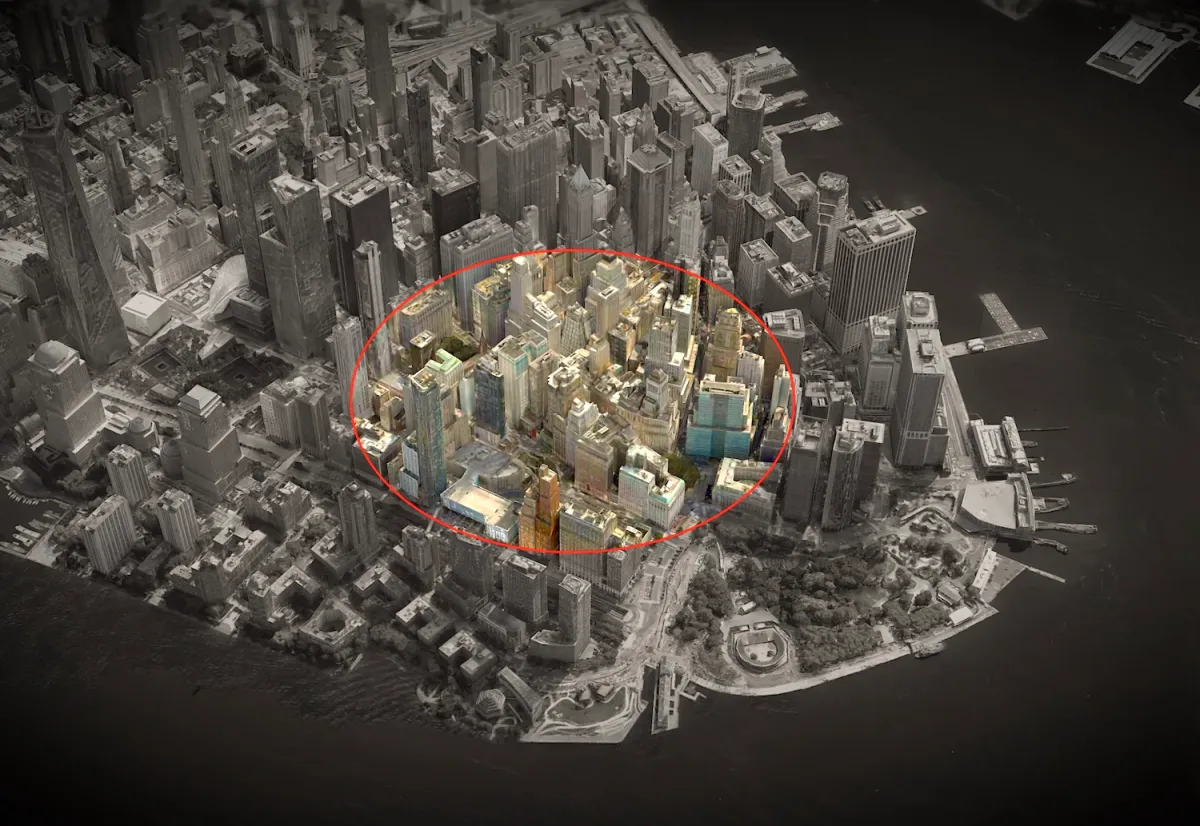
The Supreme Court's decision to limit geofence warrants is a win for privacy advocates, who called their use unconstitutional but sought an outright ban.

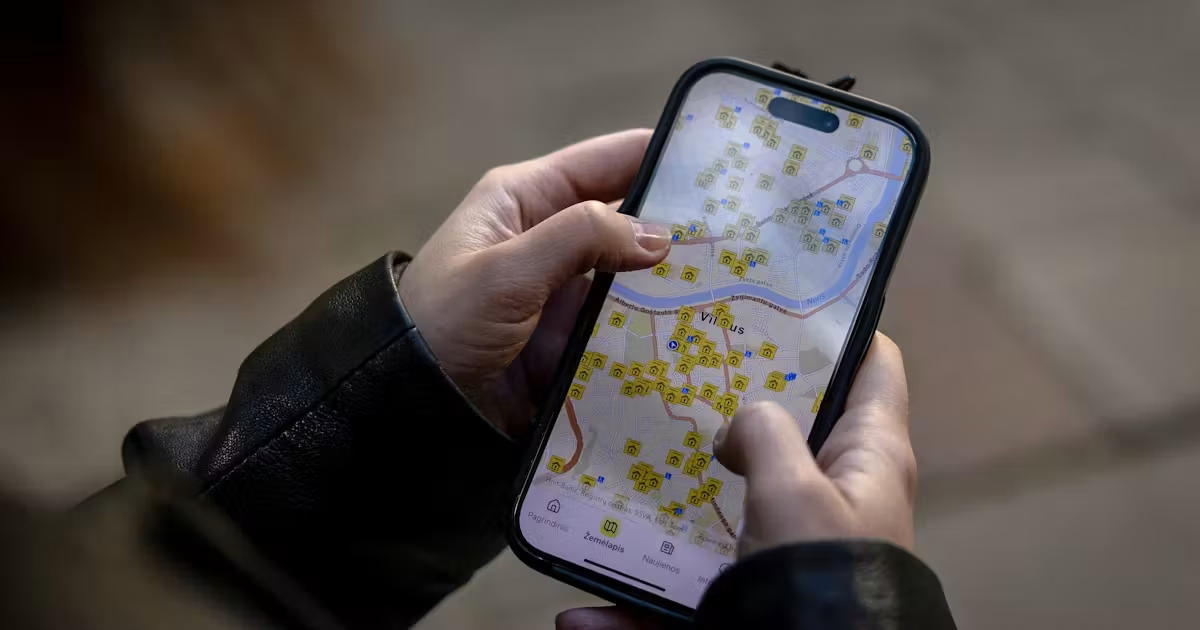
Kagan said location data resembles other private materials such as emails, photographs or documents.

The Supreme Court ruled that geofence warrants are Fourth Amendment searches and revived a Virginia man’s challenge to cellphone location evidence.

The Supreme Court has held that constitutional privacy protections extend to cellphone location information, ruling in the case of a bank robber whose identity was discovered…

The court stopped short of declaring geofence warrants unconstitutional.

The high court on Monday ruled that the use of a “geofence warrant” to capture location data from cell phones in search of a robbery suspect constituted a search for Fourth…

SCOTUS falls short of deeming geofence warrants unconstitutional, though.

The divided Supreme Court ruled that Americans are entitled to privacy protections even if they consent to tech companies tracking their location.

The Supreme Court on Monday ruled that police looking to obtain sweeping data on cellphone users near a crime scene must have a warrant.

Supreme Court rules constitutional privacy protections apply to geofence warrants - SiliconANGLE

The Supreme Court ruled geofence warrants need probable cause, finding people have a reasonable expectation of privacy in their phone location data.

The Supreme Court just made it official

The Supreme Court’s Chatrie ruling limits geofence warrants but dodges the bigger threat: the outdated third-party doctrine exposing your data.