WARPTECHNEWS · LAB
HomeAIBusinessTechArchive
WARPTECH LAB NEWS

Warptech Lab News aggrega le notizie più rilevanti da oltre 700 fonti internazionali, con classificazione AI, TL;DR sintetici e timeline cluster su singole storie.

Navigazione

  • Home
  • Archivio
  • Editor's Brief
  • Cerca
  • Il tuo account
  • Newsletter tech/AI

Informazioni legali

  • Privacy Policy
  • Termini di servizio
  • Cookie Policy

© 2026 Sparktech S.R.L. — Tutti i diritti riservati. Sito gestito e manutenuto da Sparktech S.R.L.

Sede legale: Corso Libertà 55, 13100 Vercelli (VC), Italia · P.IVA / C.F. 02835910023 · Contatti: admin@warptechlab.com

Home
Storia in 13 fonti

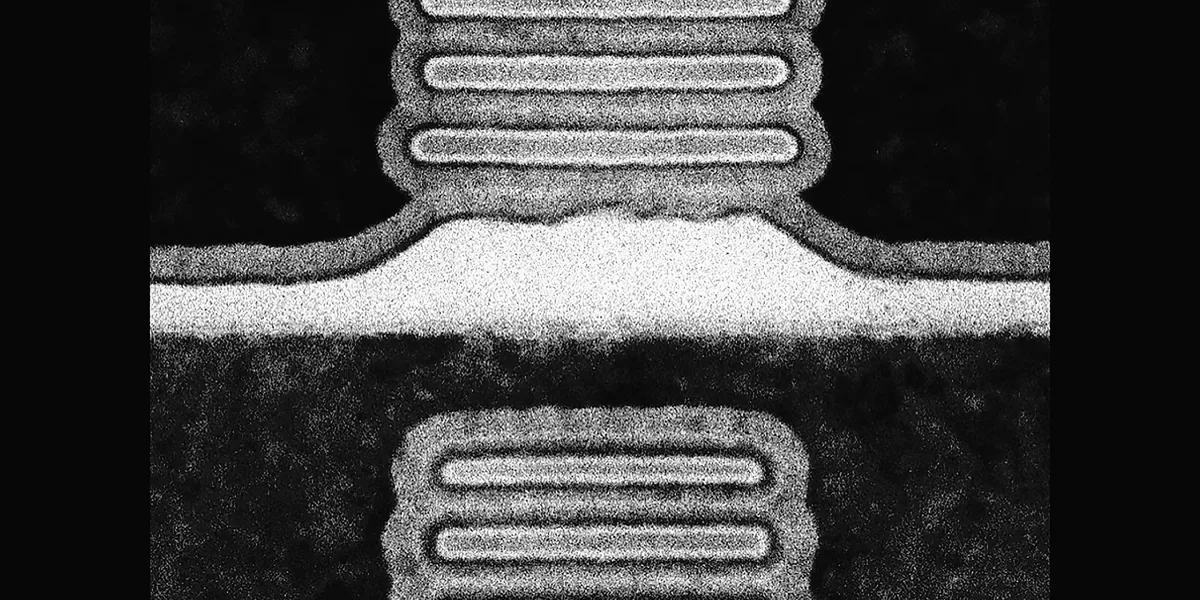
Is This Stacked CFET Architecture The Ultimate CMOS Platform?

IBM chooses a different path from Intel, Samsung, and TSMC

Raccontata dadatacenterdynamics.comforbes.comtechnologyreview.comresearch.ibm.comsiliconangle.comcryptobriefing.comspectrum.ieee.orgneowin.nettheverge.comnews.bitcoin.comsilicon.co.uktechspot.com+1 altre

Confronto fonti

6 prospettive sulla stessa storia
AI · summaries
spectrum.ieee.orgStai leggendo1 g fa

Is This Stacked CFET Architecture The Ultimate CMOS Platform?

IBM chooses a different path from Intel, Samsung, and TSMC

originale
techspot.com9 h fa

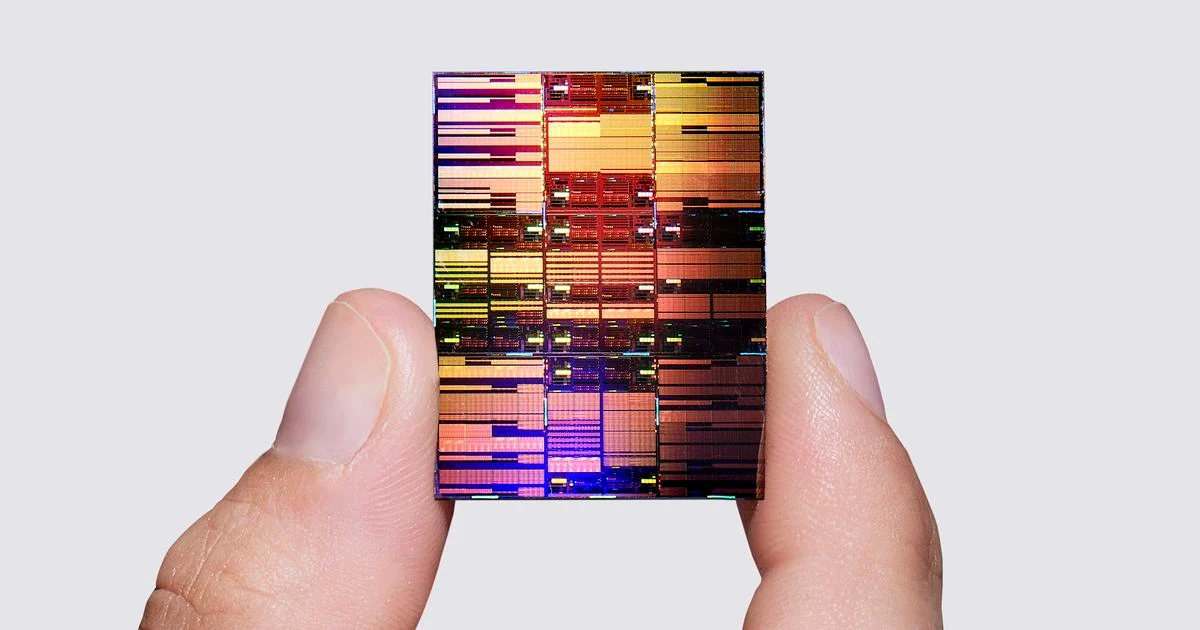
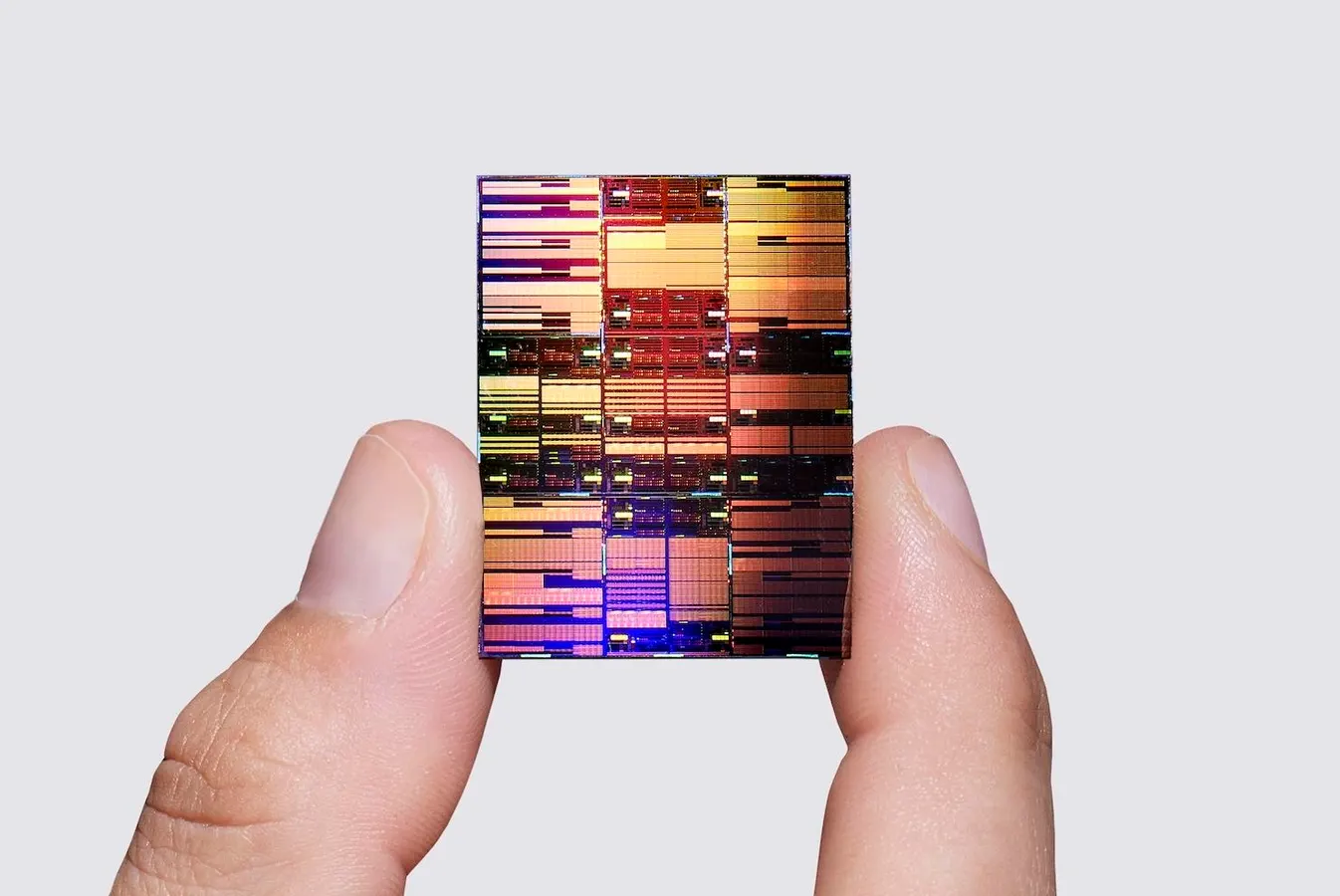
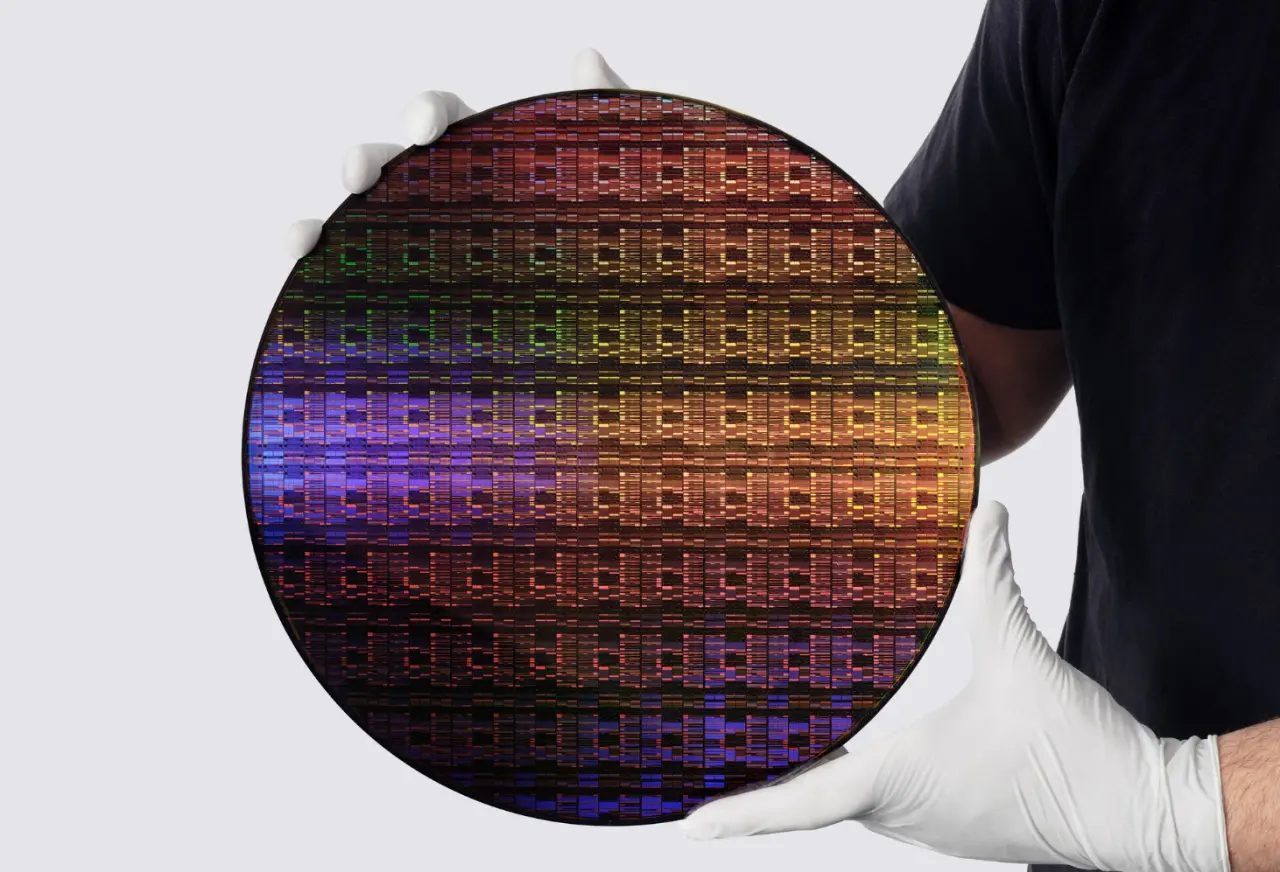
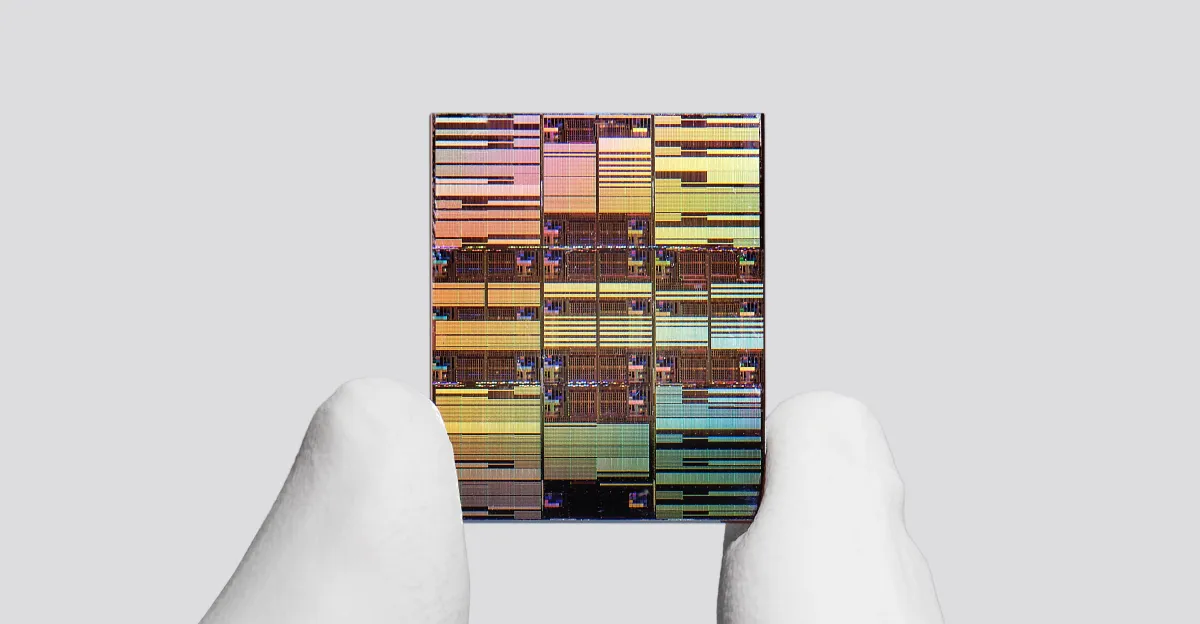
IBM unveils sub-1-nanometer chip architecture that stacks 100 billion transistors onto a fingernail-sized…

Rather than continuing to shrink components along a flat plane, IBM is stacking transistors vertically. That change comes as semiconductor designers run up against the physical limits...

Leggi questa versione → originale
silicon.co.uk14 h fa

IBM Unveils 3D-Stacked .7nm Chip Design | Silicon UK Tech News

IBM says 'nanostack' approach could fit nearly 100 billion transistors into fingernail-sized area, amid soaring demand for processing power

Leggi questa versione → originale
heise.de8 h fa

0,7 Nanometer: IBM zeigt die ersten Chips mit CFET-Transistoren

IBM zeigt, wie Chips der Zukunft aussehen könnten. Leistung, Effizienz und Transistordichte steigen enorm.

Leggi questa versione → originale
cryptobriefing.com1 g fa

IBM proposes NanoStack architecture for ultra-dense 3D chips

IBM's NanoStack architecture promises 50% area scaling and 70% power reduction versus 2 nm chips, targeting next-gen AI accelerators and high-performance

Leggi questa versione → originale
forbes.com1 g fa

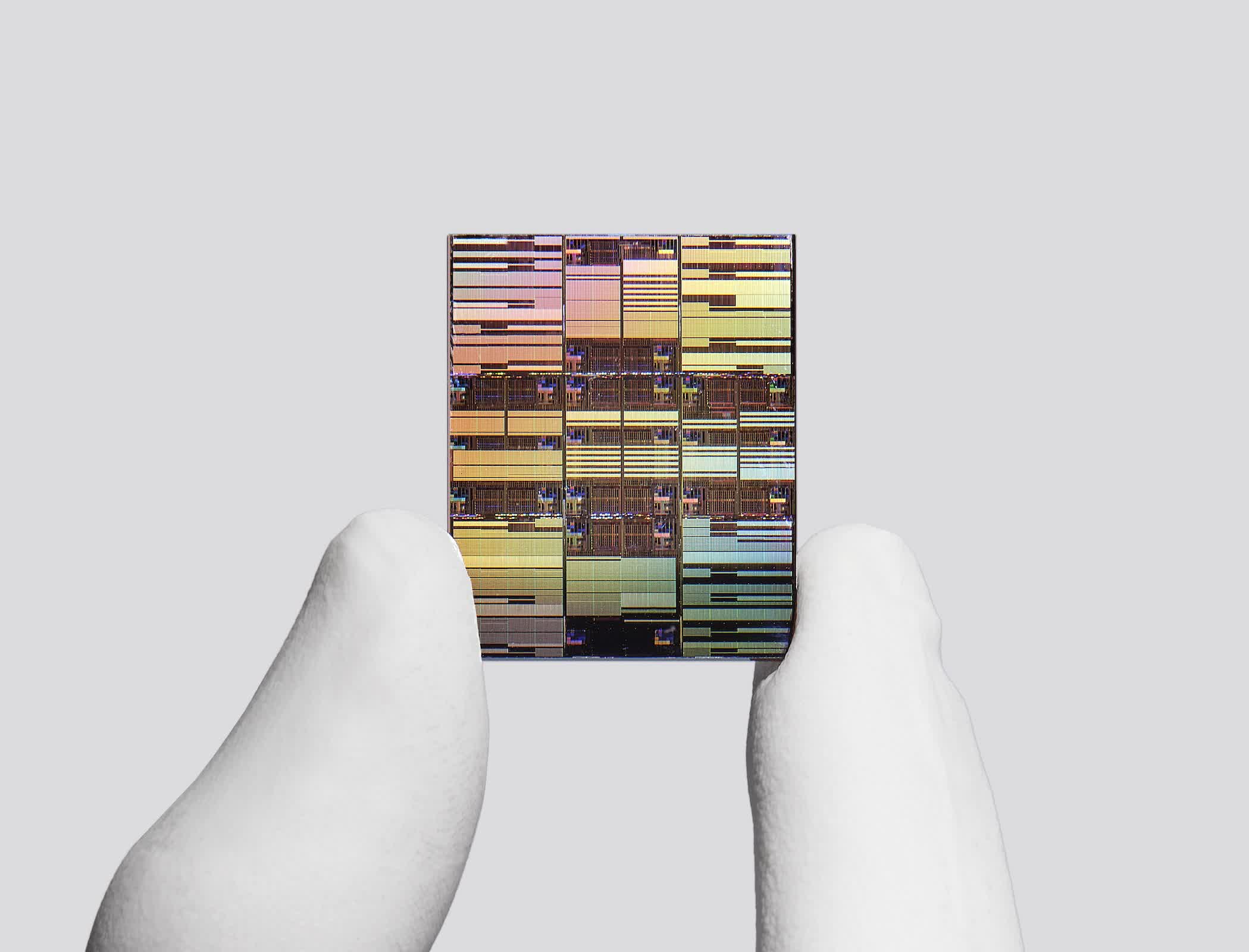
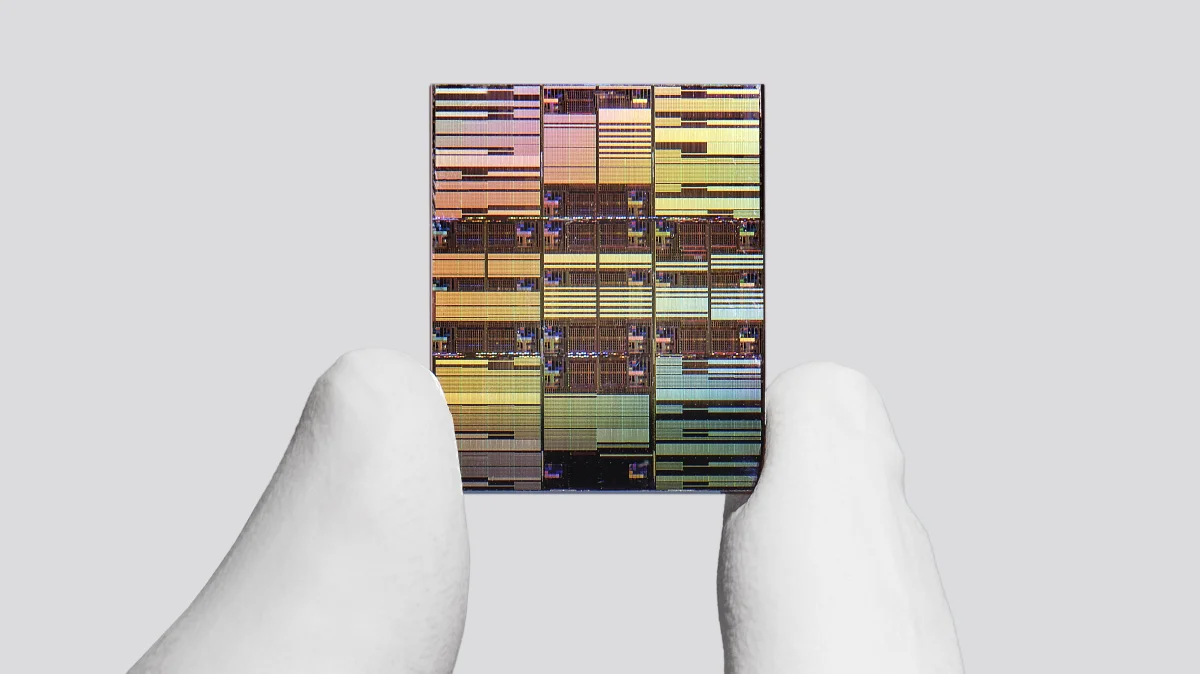
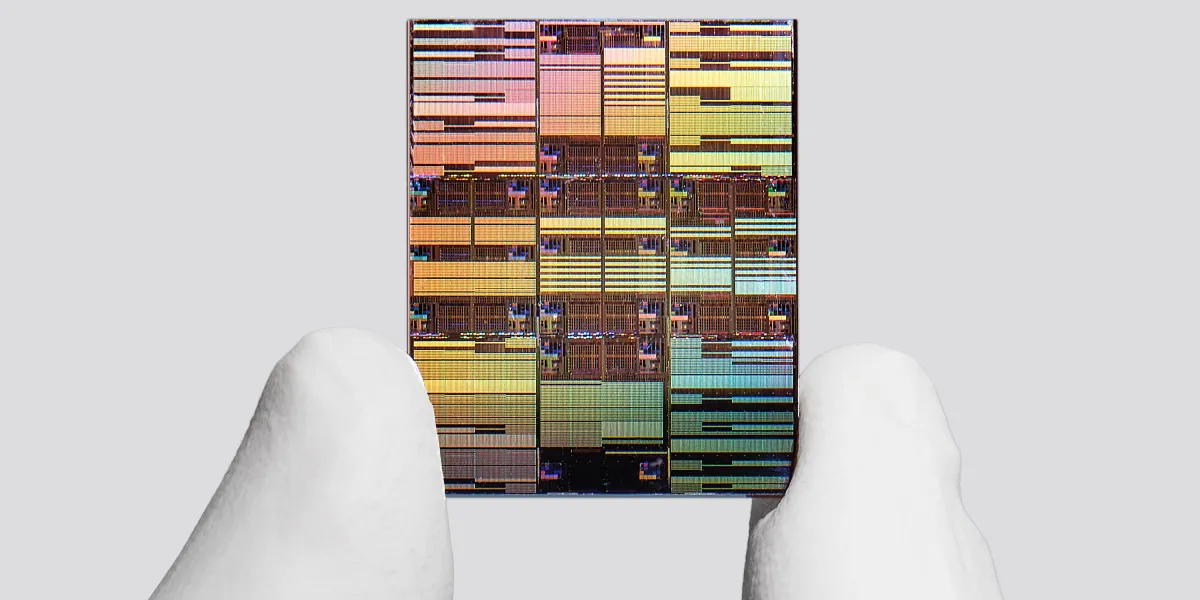
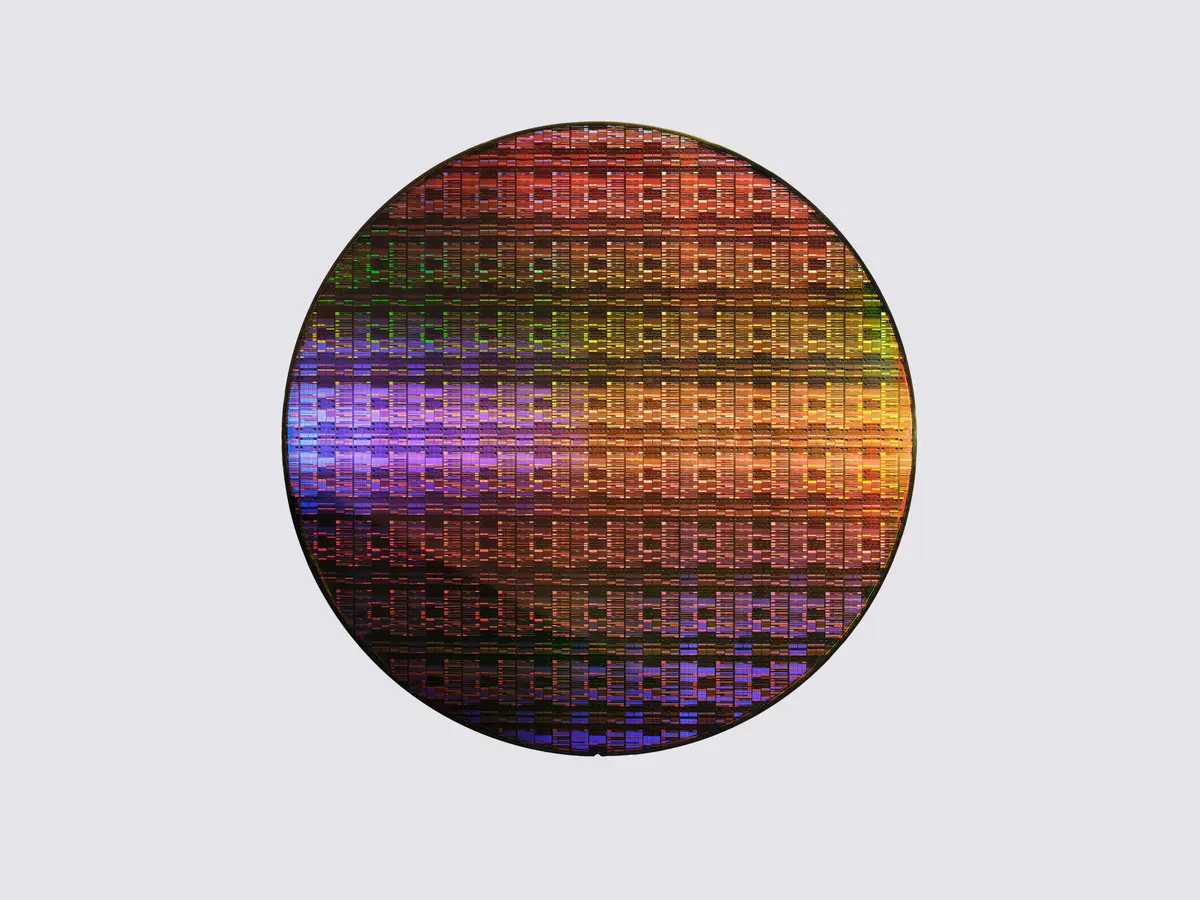
IBM Unveils World’s First Sub-1nm Chip With 100 Billion 3D-Stacked Transistors

IBM just unveiled the world's first sub 1-nanometer chip: 100 billion transistors. IBM also says they've produced functioning devices with this technology.
Leggi questa versione → originale

Timeline cronologica

  1. mercoledì 24 giugno 2026·datacenterdynamics.com

    IBM details major chip breakthrough with new sub-1nm ‘nanostack’ 3D architecture

    Company claims technology provides up to 50 percent more performance or 70 percent greater energy efficiency

  2. giovedì 25 giugno 2026·forbes.com

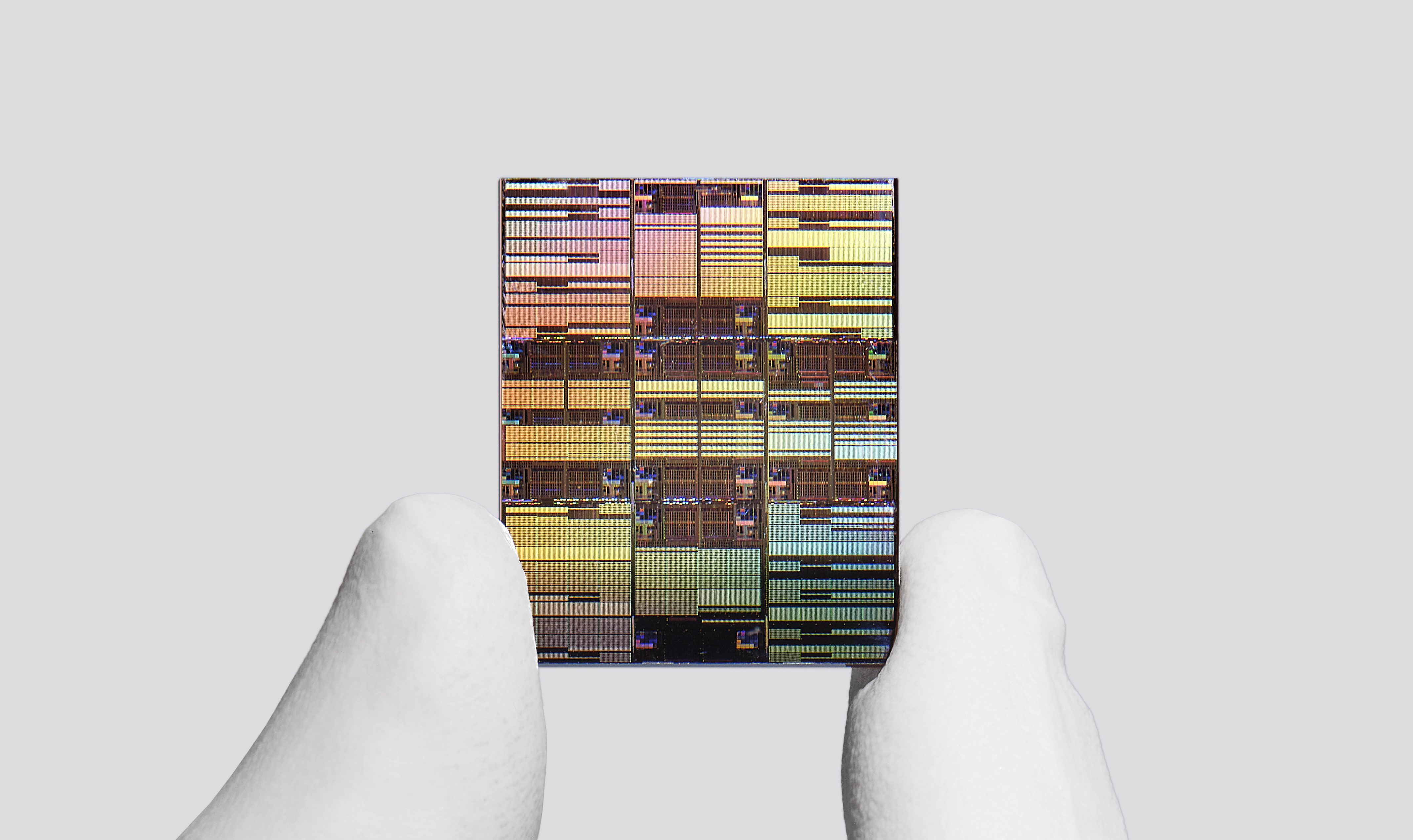
    IBM Unveils World’s First Sub-1nm Chip With 100 Billion 3D-Stacked Transistors

    IBM just unveiled the world's first sub 1-nanometer chip: 100 billion transistors. IBM also says they've produced functioning devices with this technology.
  3. giovedì 25 giugno 2026·technologyreview.com

    IBM has unveiled chip technology that could help extend Moore’s Law another decade

    The company, along with others, is pursuing a new paradigm for cramming more transistors on chips—building up.

  4. giovedì 25 giugno 2026·research.ibm.com

    What is IBM’s nanostack chip architecture?

    This new microchip architecture from IBM builds up, not out, to overcome the spatial limitations of scaling transistor density.

  5. giovedì 25 giugno 2026·siliconangle.com

    IBM says new sub-nanometer architecture paves the way for the next decade of chip design - SiliconANGLE

    IBM says new sub-nanometer architecture paves the way for the next decade of chip design - SiliconANGLE

  6. giovedì 25 giugno 2026·cryptobriefing.com

    IBM proposes NanoStack architecture for ultra-dense 3D chips

    IBM's NanoStack architecture promises 50% area scaling and 70% power reduction versus 2 nm chips, targeting next-gen AI accelerators and high-performance

  7. giovedì 25 giugno 2026·cryptobriefing.com

    IBM unveils world's first 0.7nm chip technology with 100 billion transistors

    IBM unveiled 0.7nm chip technology with 100 billion transistors using nanostack 3D architecture, projecting 50% more performance or 70% better energy

  8. giovedì 25 giugno 2026·spectrum.ieee.org

    Is This Stacked CFET Architecture The Ultimate CMOS Platform?

    IBM chooses a different path from Intel, Samsung, and TSMC

  9. giovedì 25 giugno 2026·neowin.net

    IBM reveals sub-1nm chip technology, production expected in another 5 years

    IBM has just announced a massive breakthrough in semiconductor research: the world's first sub-1-nanometer chip technology.

  10. giovedì 25 giugno 2026·theverge.com

    IBM crams 100 billion transistors on a chip the size of a fingernail.

    The company claims its new nanostack tech is the first sub-nanometer chip manufacturing process. IBM also says that nanostack can deliver up to 50 percent more performance, or 70…

  11. venerdì 26 giugno 2026·news.bitcoin.com

    IBM Unveils Sub-1 Nanometer Chip With 100 Billion Transistors, Extending Moore's Law

    IBM unveiled the world's first sub-1 nm chip at the 0.7 nm node, packing 100B transistors with 70% better efficiency.

  12. venerdì 26 giugno 2026·silicon.co.uk

    IBM Unveils 3D-Stacked .7nm Chip Design | Silicon UK Tech News

    IBM says 'nanostack' approach could fit nearly 100 billion transistors into fingernail-sized area, amid soaring demand for processing power

  13. venerdì 26 giugno 2026·techspot.com

    IBM unveils sub-1-nanometer chip architecture that stacks 100 billion transistors onto a fingernail-sized processor

    Rather than continuing to shrink components along a flat plane, IBM is stacking transistors vertically. That change comes as semiconductor designers run up against the physical…

  14. venerdì 26 giugno 2026·heise.de

    0,7 Nanometer: IBM zeigt die ersten Chips mit CFET-Transistoren

    IBM zeigt, wie Chips der Zukunft aussehen könnten. Leistung, Effizienz und Transistordichte steigen enorm.