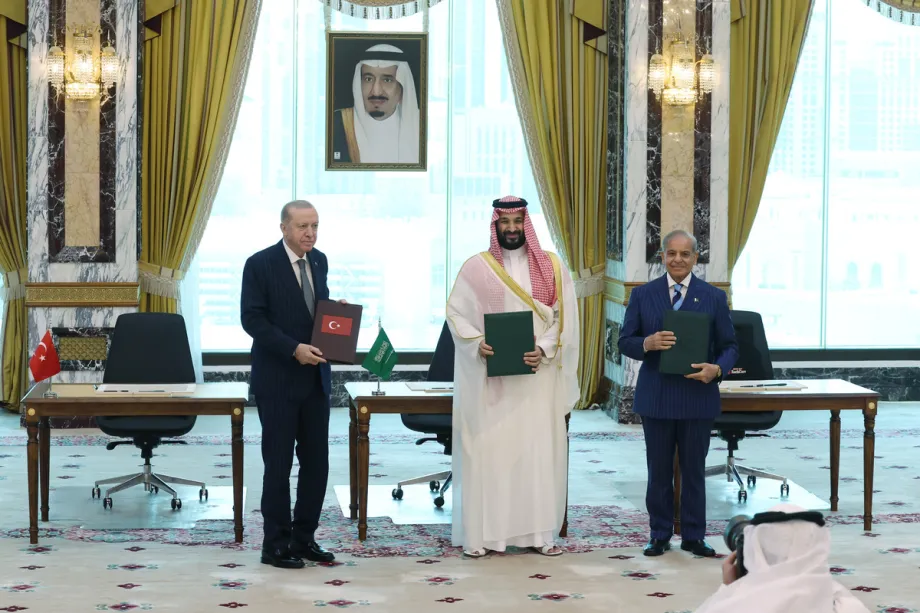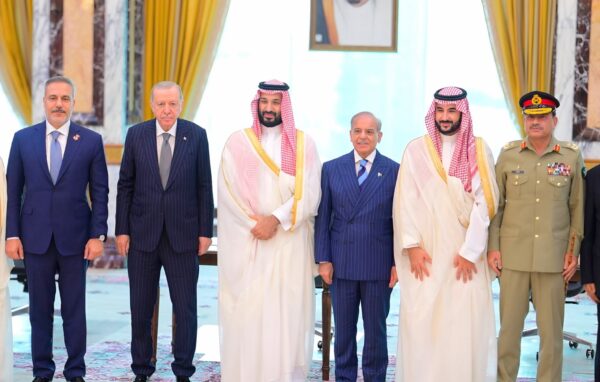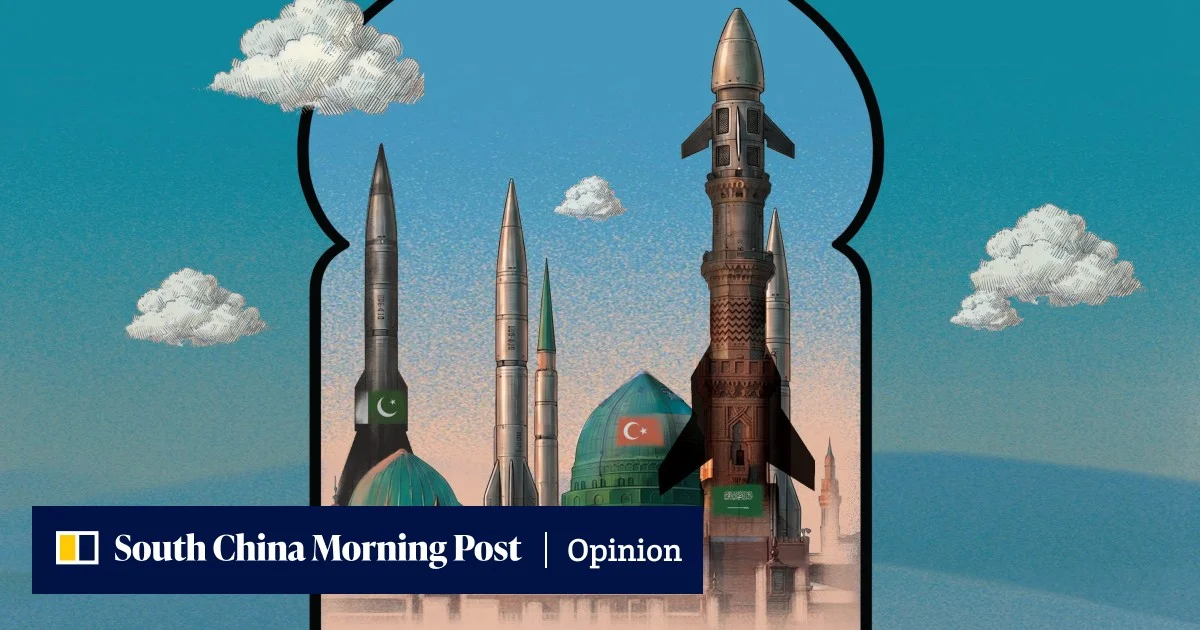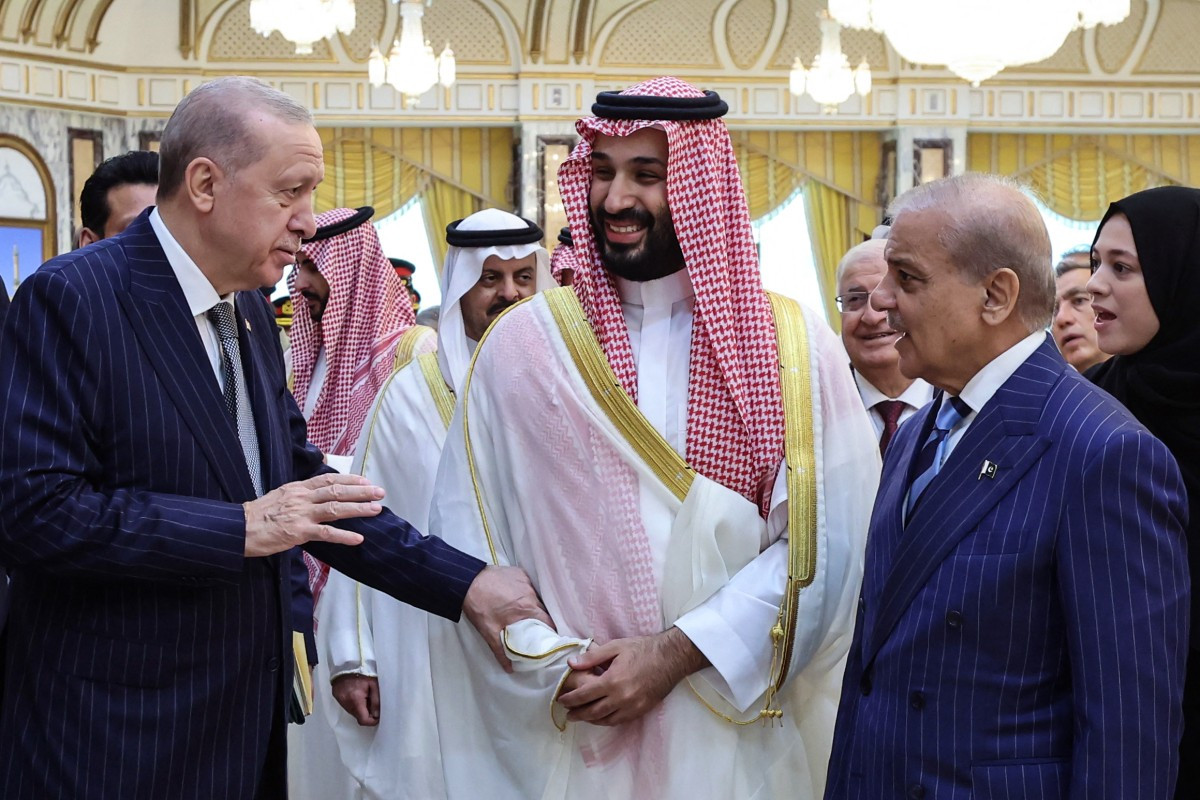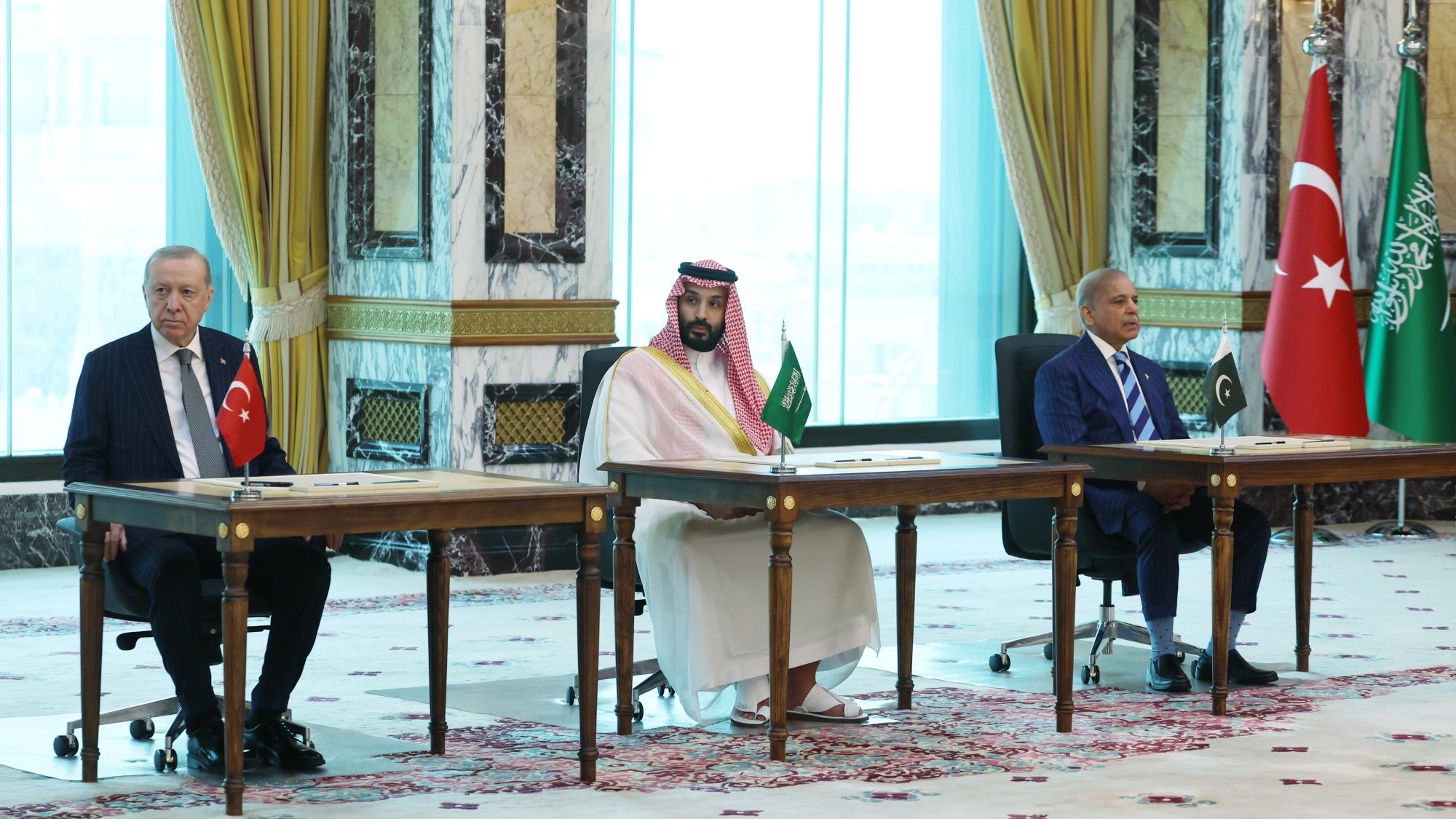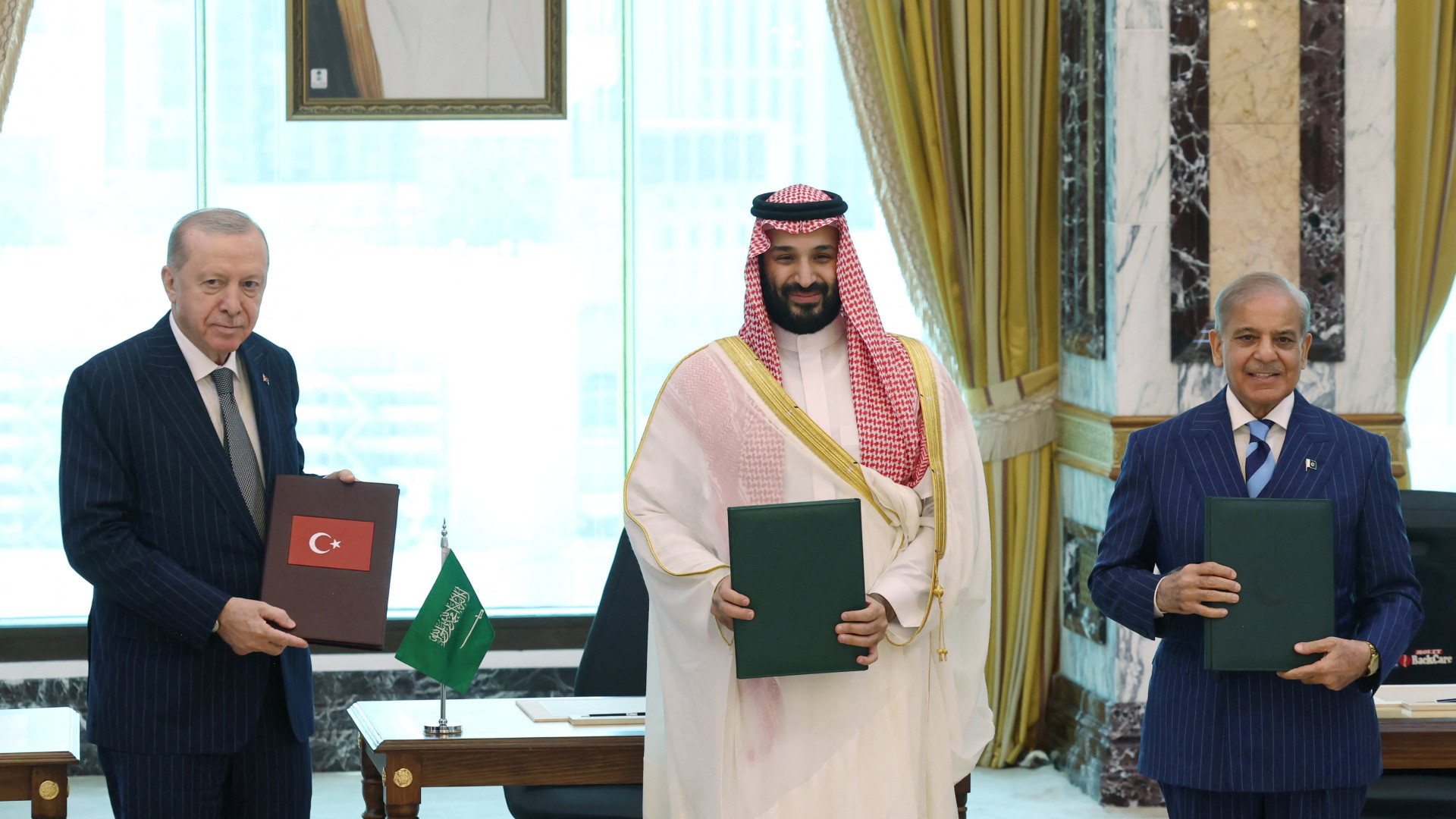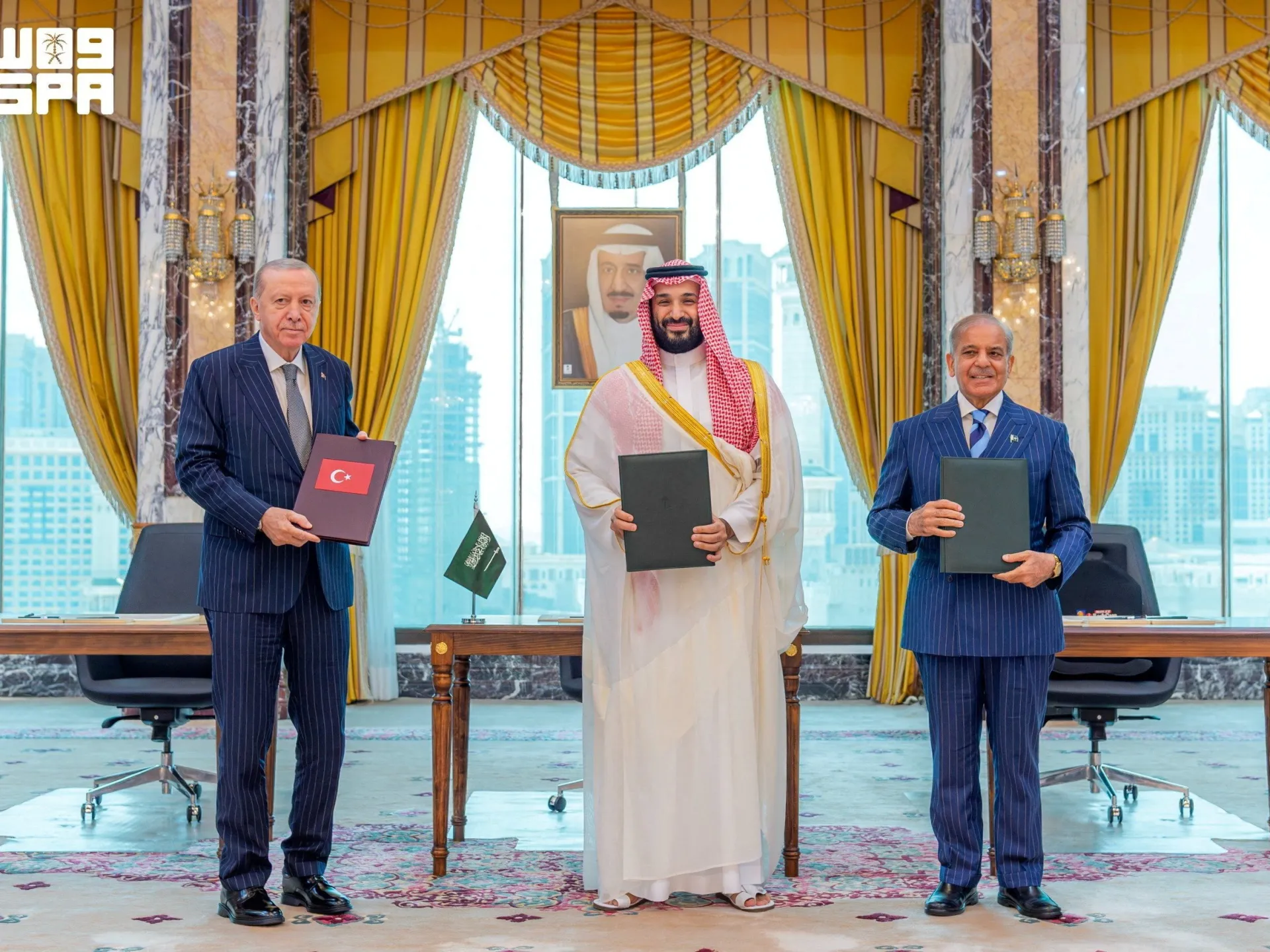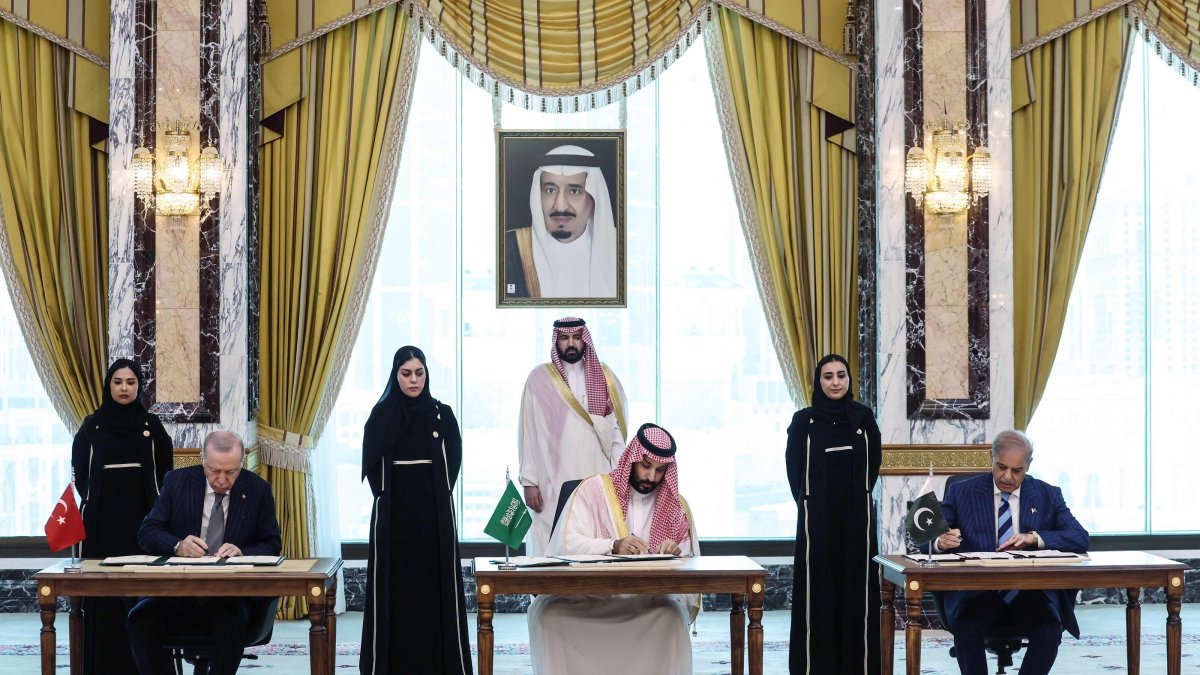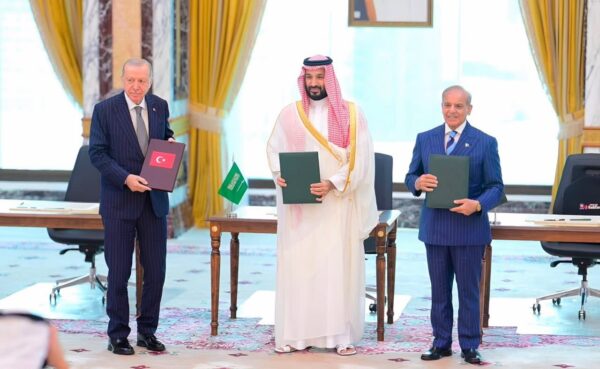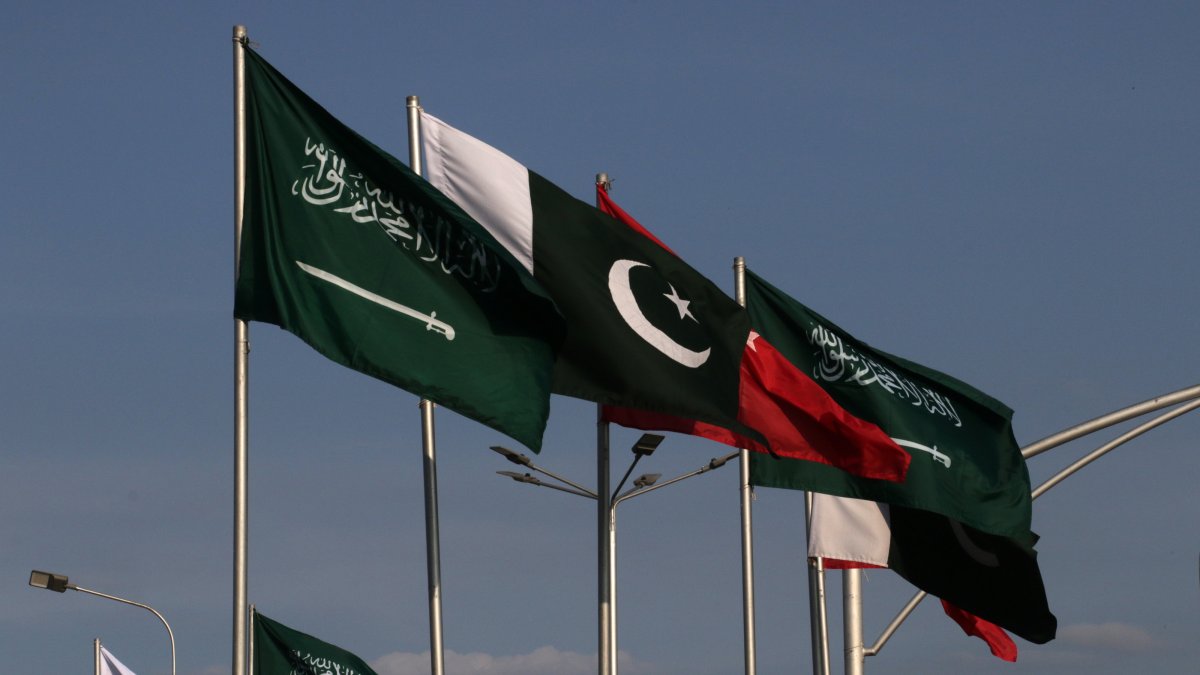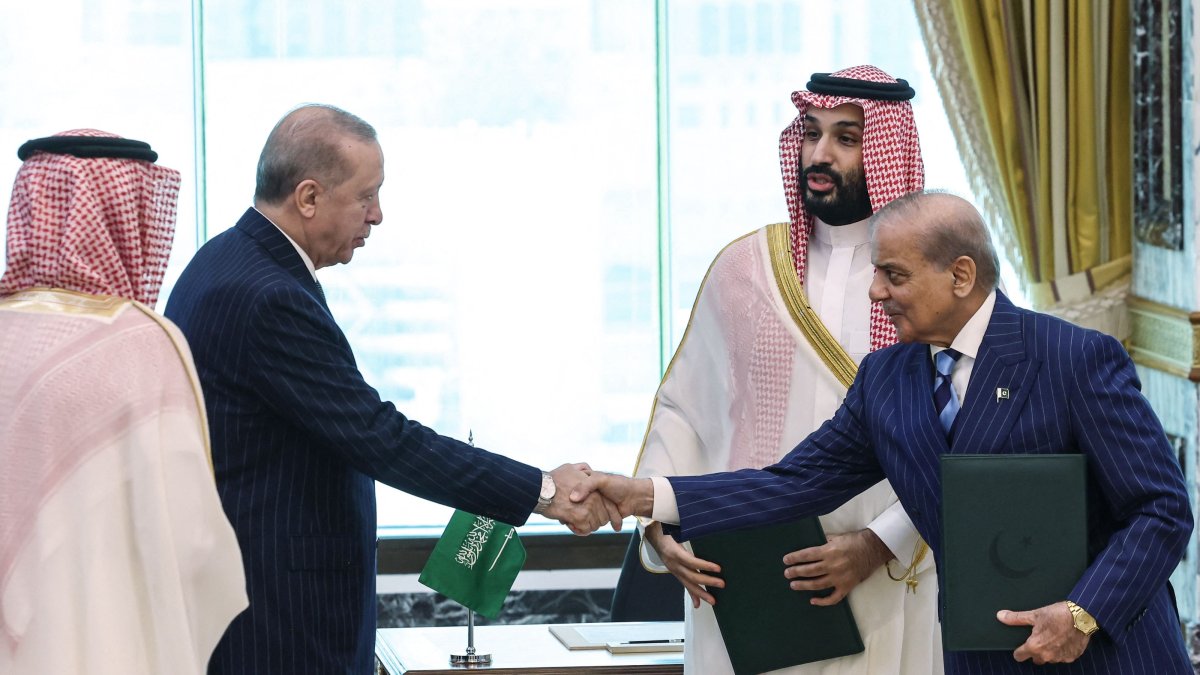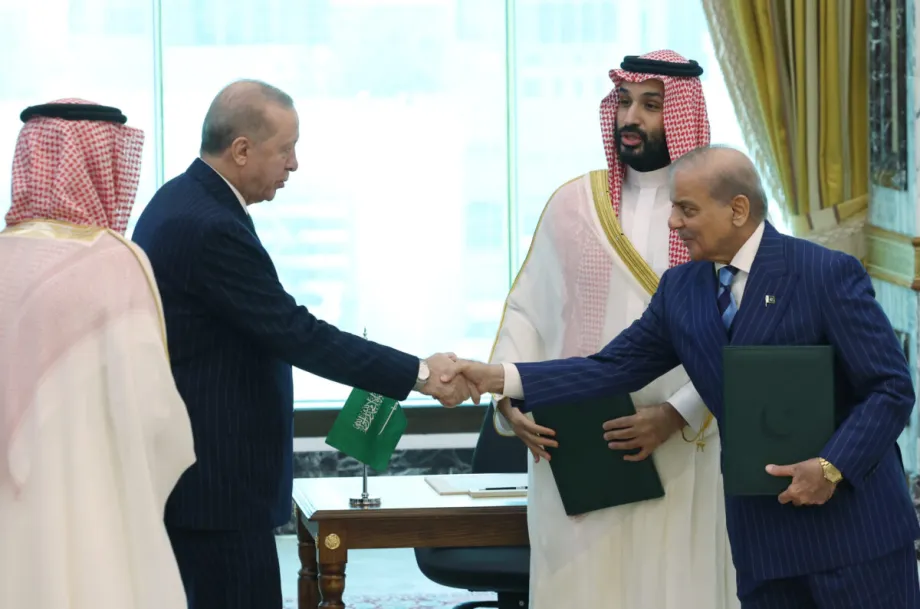
The Mecca Joint Defense Agreement, signed by Saudi Arabia, Türkiye, and Pakistan, is formally framed as an open-architecture agreement. However, that openness has yet to translate into the integration of a regional country into its institutional framework. The real question worth asking is whether it can expand within the Gulf itself, and whether it will do so alongside the Gulf Cooperation Council (GCC) or in tension with it.
Saudi Arabia’s signature is currently the only Gulf signature on the agreement, and that fact deserves more weight than it usually gets. Riyadh is arguably the most influential GCC actor in many respects, including historically, militarily and financially. A framework anchored by the GCC’s central power, yet joined by no other Gulf state, is an unusual starting point for something billed as regionally open.
The foundations for further Gulf involvement in the institutional framework are not weak. Türkiye’s security relationships across the Gulf have deepened steadily, from Qatar’s embrace of Turkish military cooperation to growing coordination with Kuwait on maritime and energy-route security, as well as greater Emirati willingness to cooperate with Türkiye. Pakistan’s ties with the Gulf run just as deep, built on decades of military training partnerships and personnel exchanges. Both external partners already have working relationships with Gulf capitals independent of this pact. In principle, that gives Riyadh, Ankara and Islamabad a solid foundation on which to build.