Read The Diplomat, Know The Asia-Pacific
New Delhi needs a new roadmap for navigating relations in the Gulf and increasing its security profile.
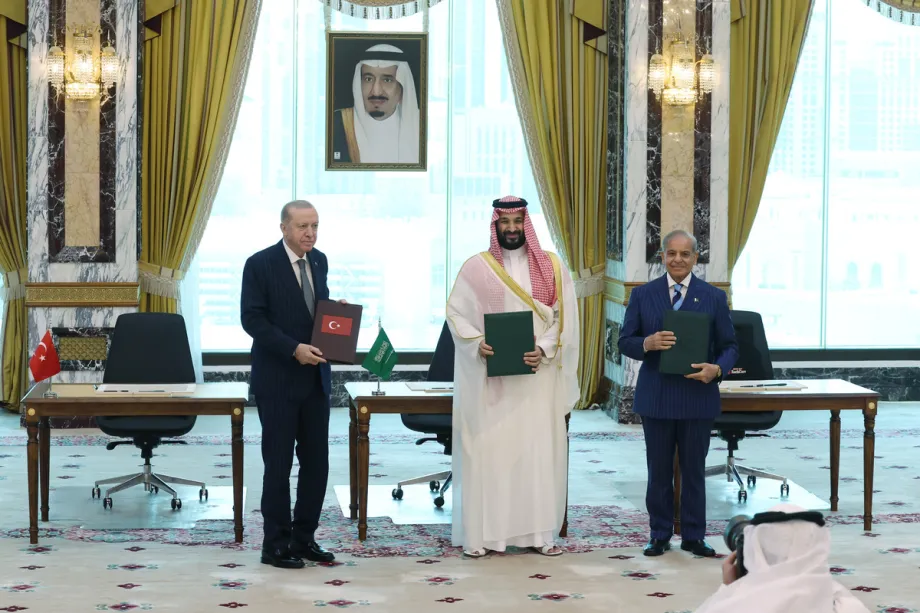
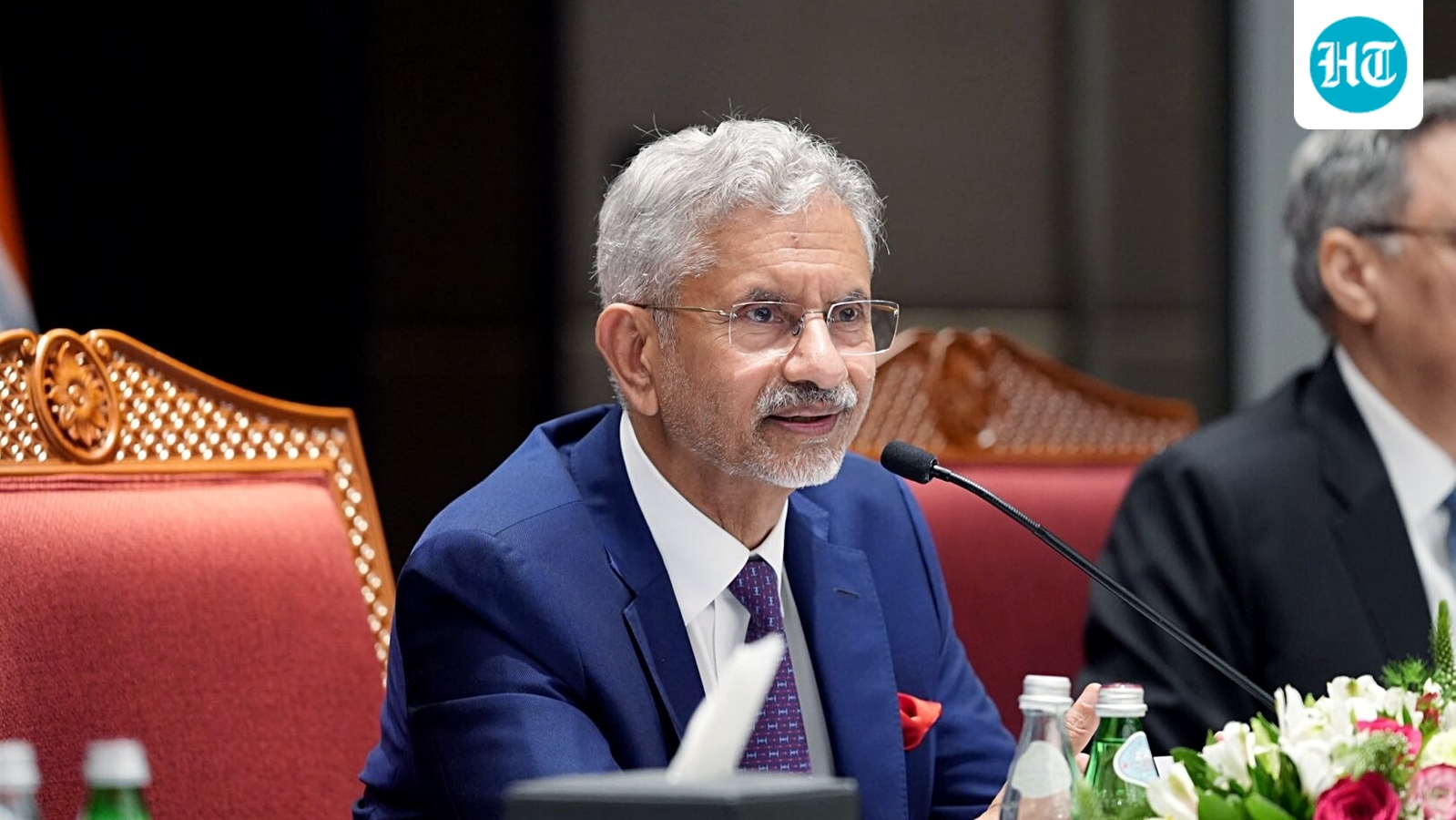
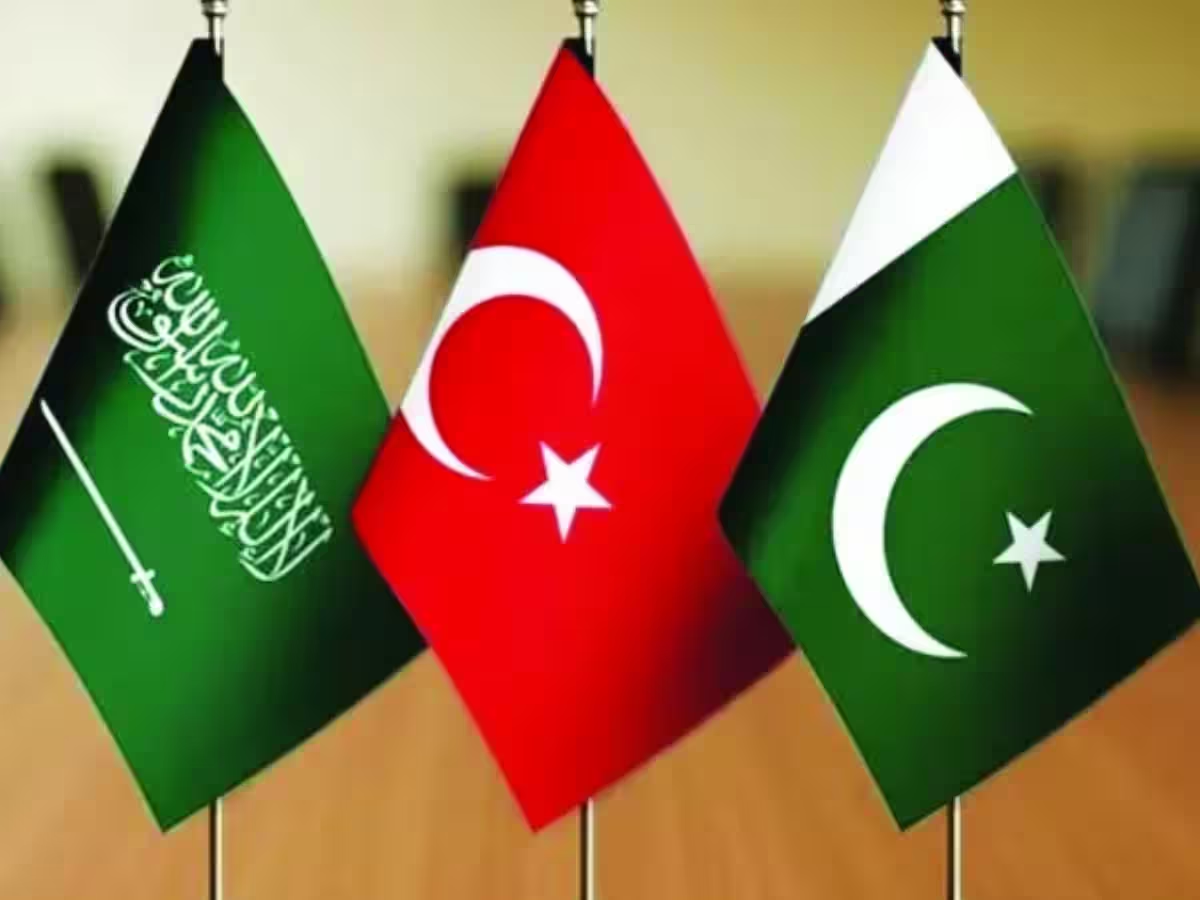
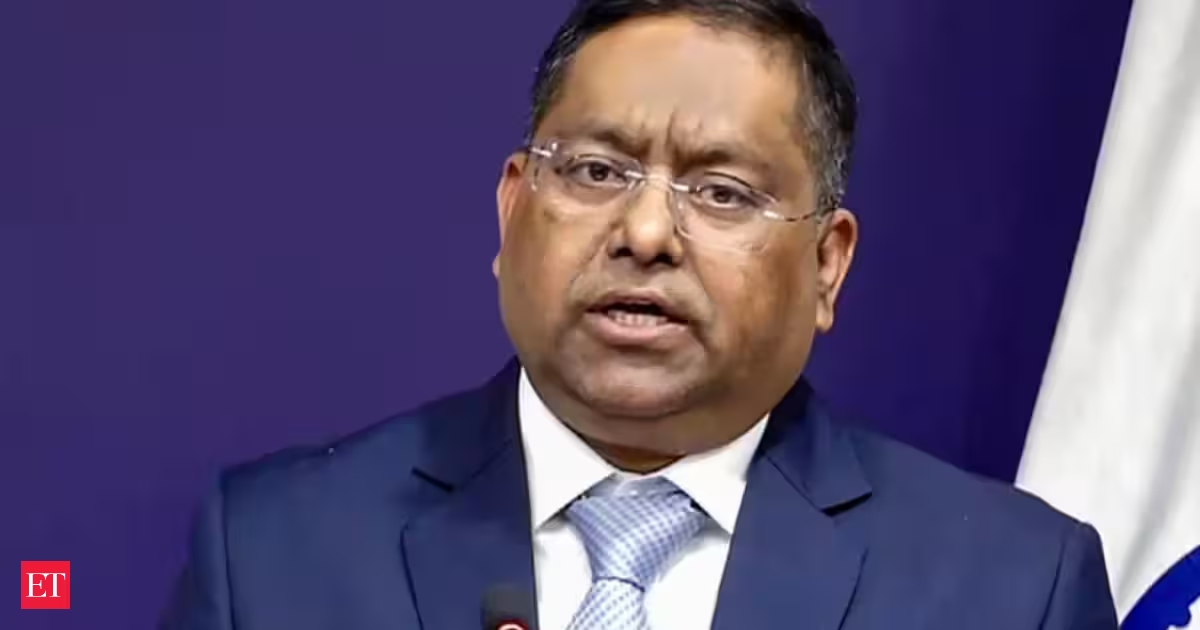
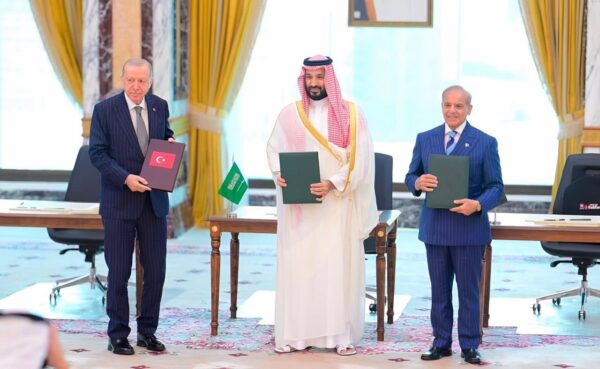
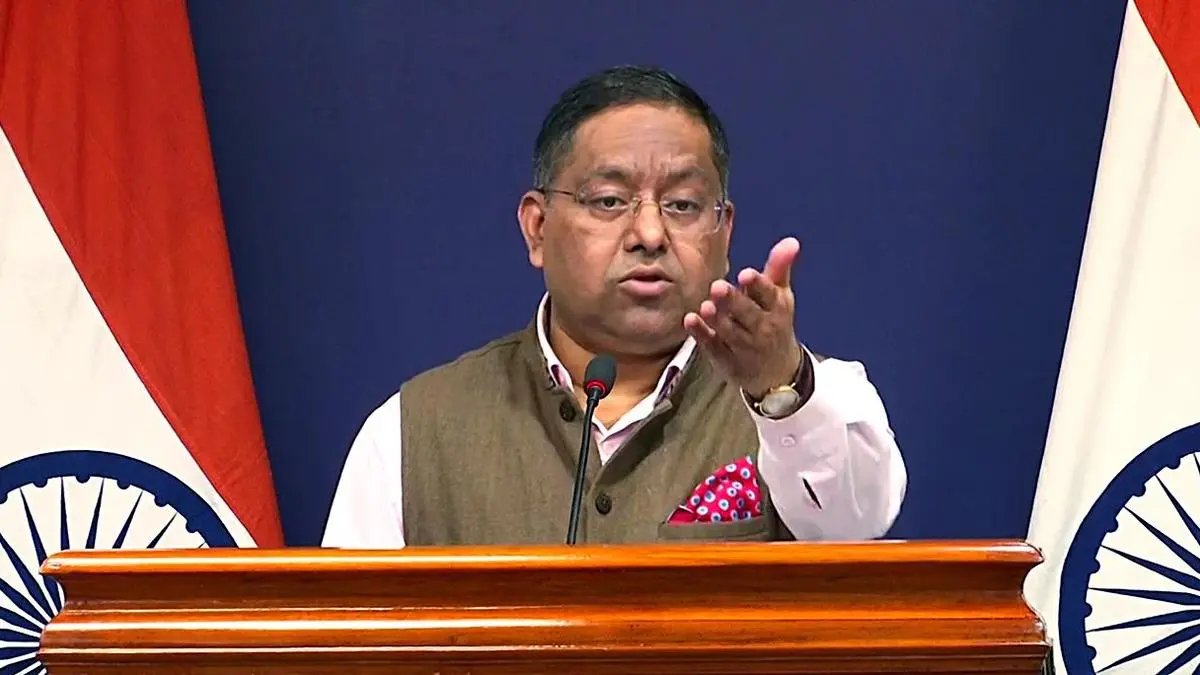
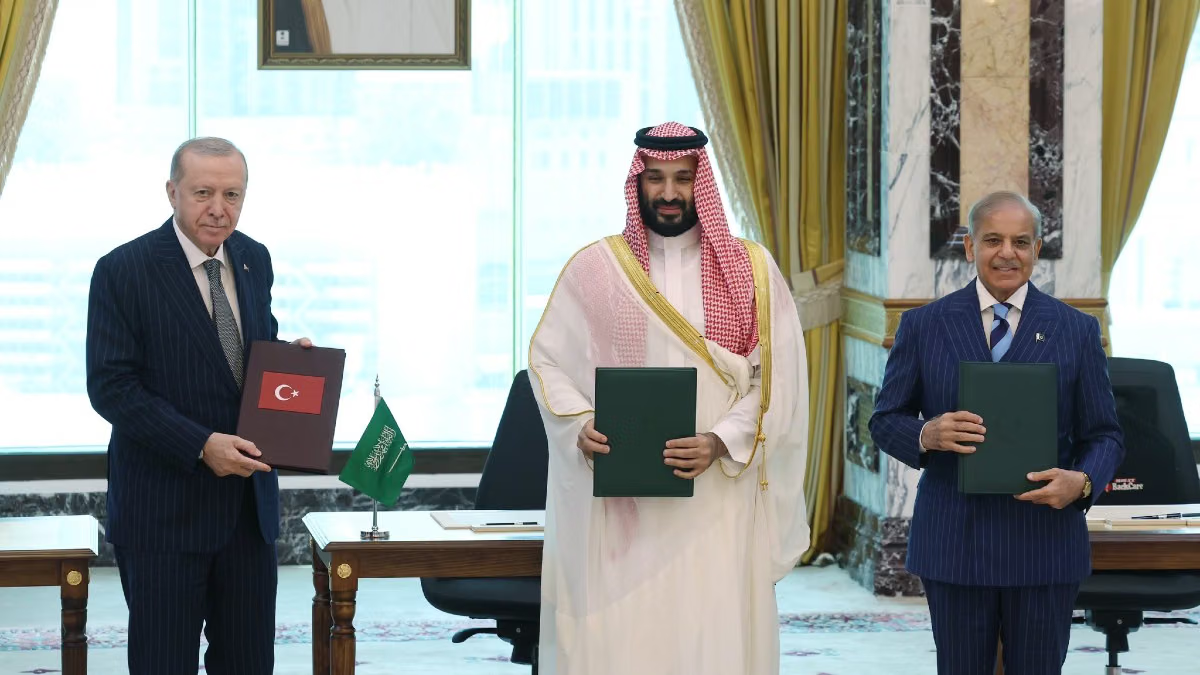
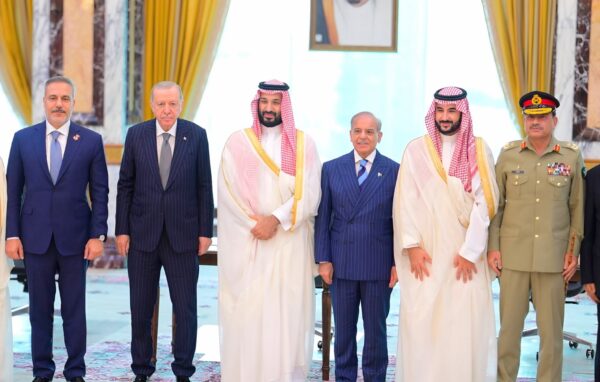
The Mecca Joint Defence Agreement between Saudi Arabia, Pakistan, and Turkiye, signed on August 7, evoked both disconcertion and skepticism in New Delhi’s strategic circles. The official reaction, delivered by the spokesperson of India’s External Affairs Ministry, to the sudden unveiling of what is being increasingly referred to as an “Islamic NATO” was one of quiet concern. The spokesperson observed that the Indian government – in a typical diplomatic aphorism that gives little away – is “examining its implications” from the perspective of “our national security” and “regional peace and stability.” He said that India would “safeguard its national interests.”
Still, most of the country’s strategic community was more openly alarmed. Although many have dismissed the agreement as more optics than substance, the pact is seen by some as a master stroke by Pakistan, India’s arch-rival.
It may be time for New Delhi to recalibrate its approach to the Gulf, a region of immense economic and strategic importance. Approximately 8.8 million Indian nationals reside in the region. The Gulf Cooperation Council (GCC) is India’s largest regional-bloc trading partner, comprising 15.4 percent of India’s total trade. India and the GCC signed a free trade agreement in February this year.