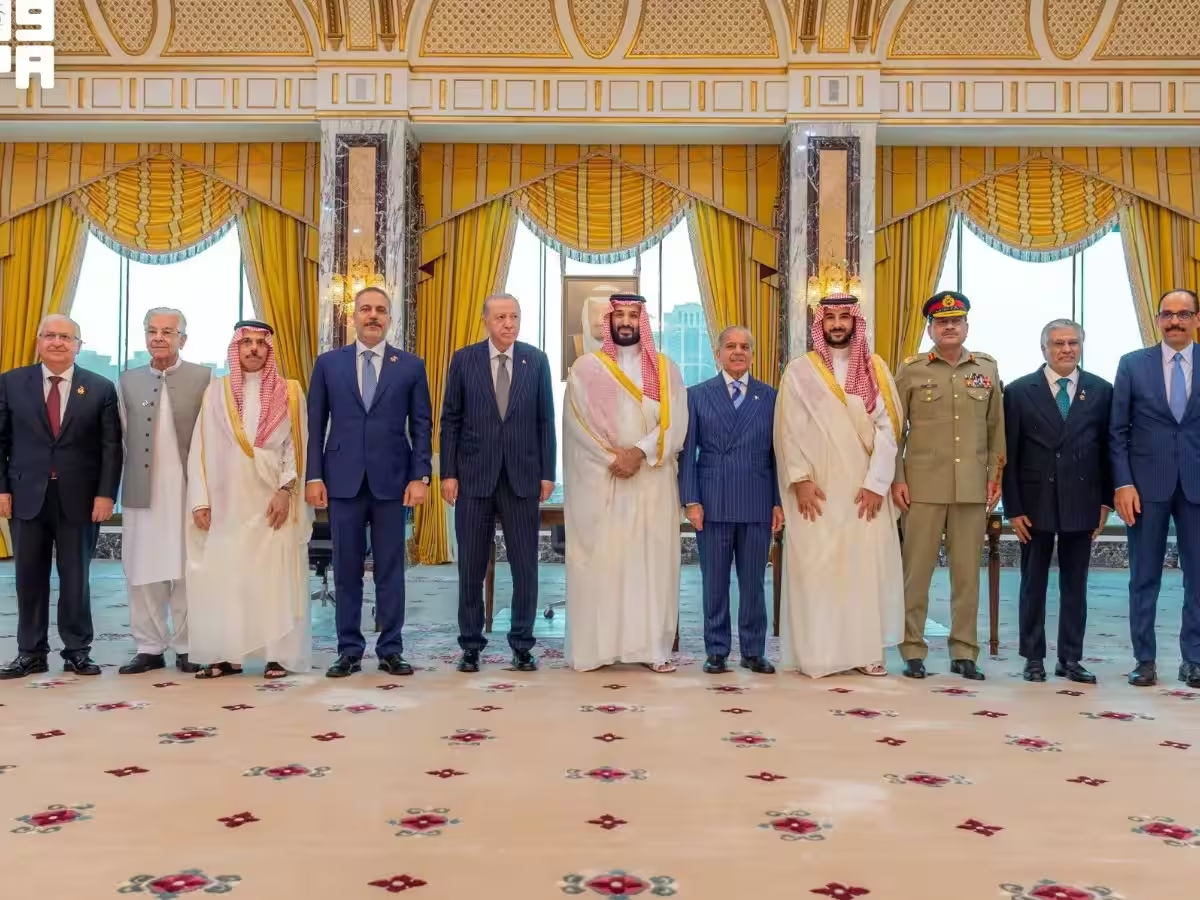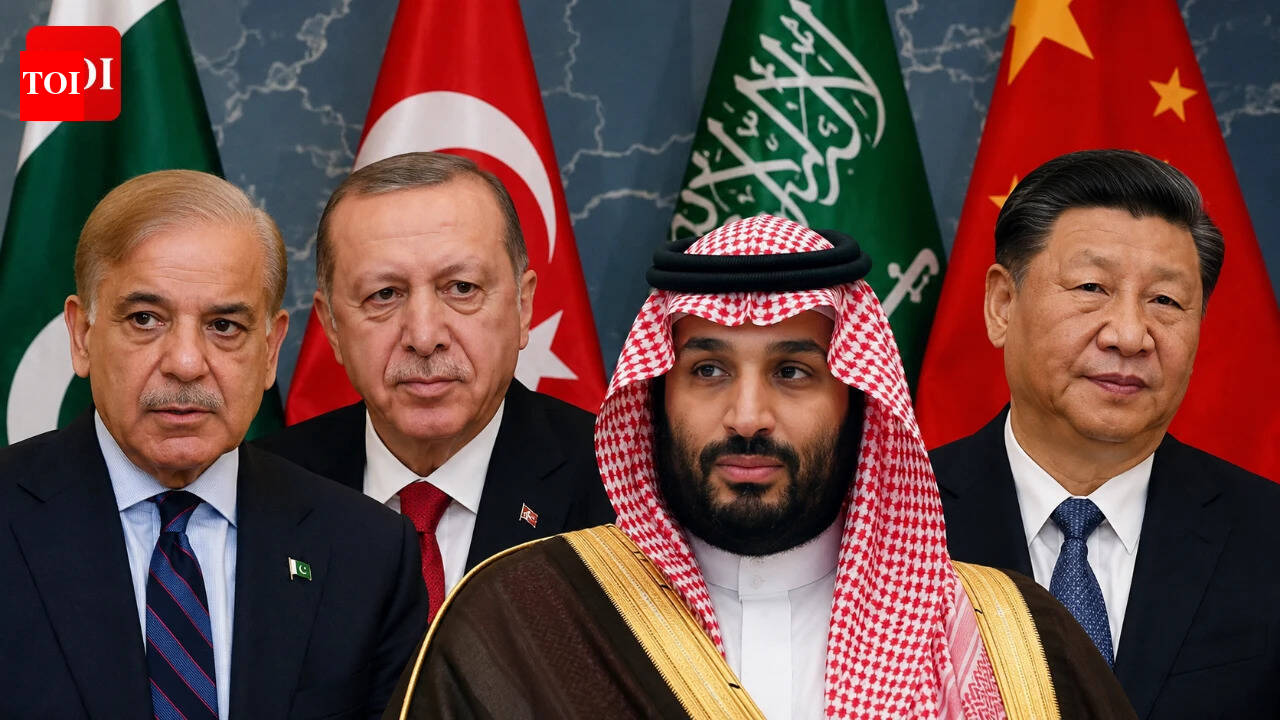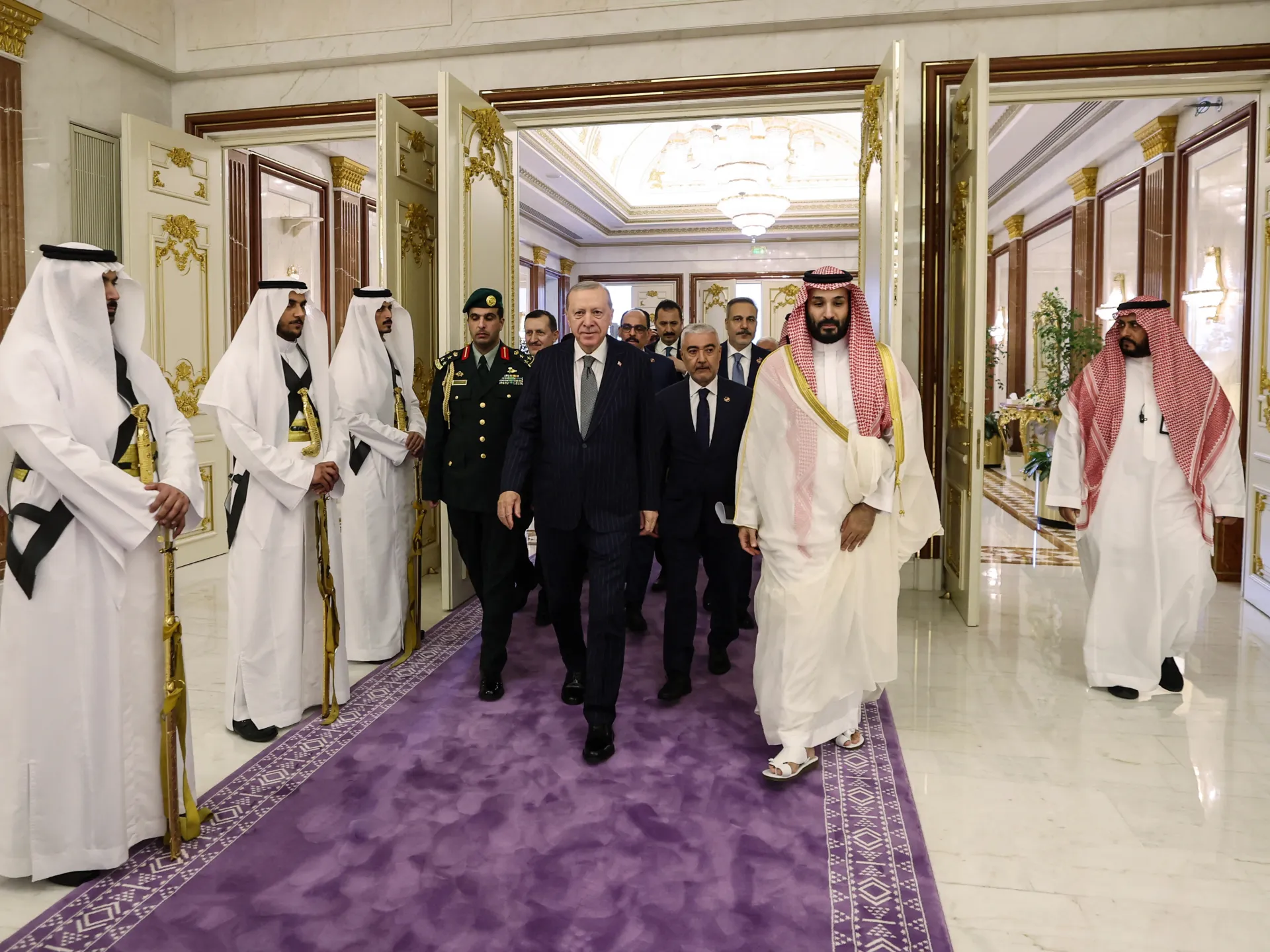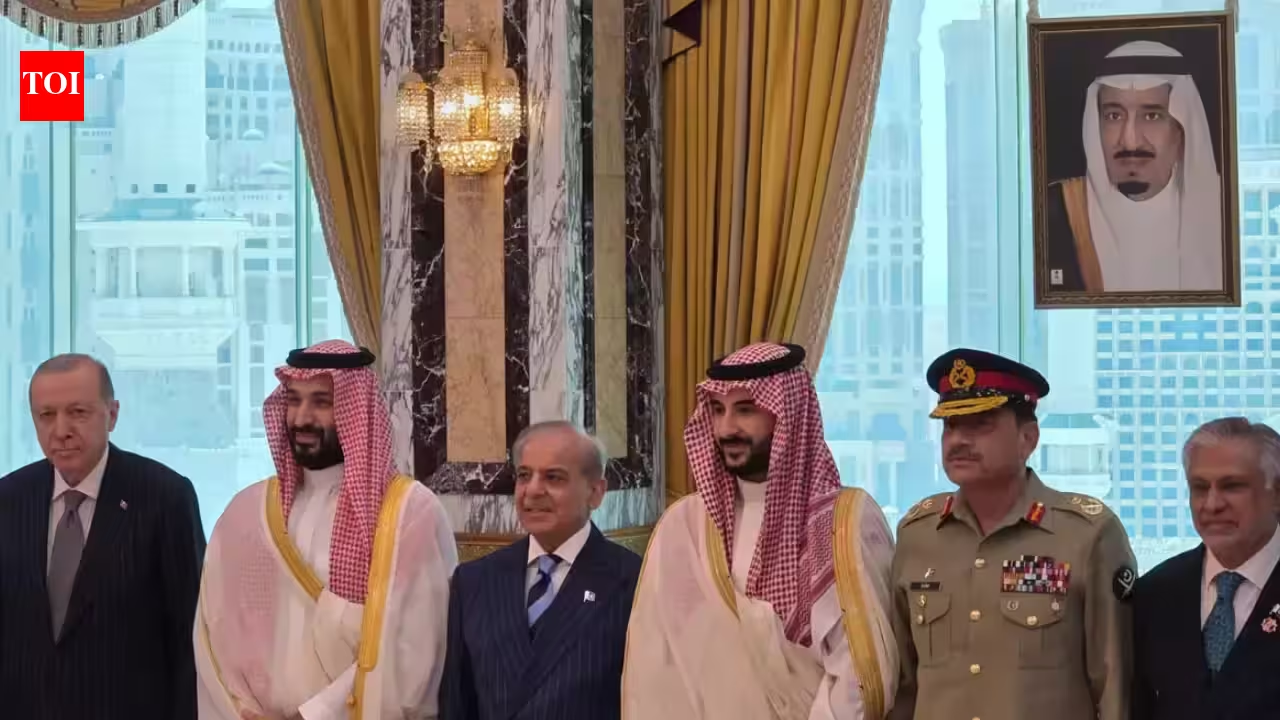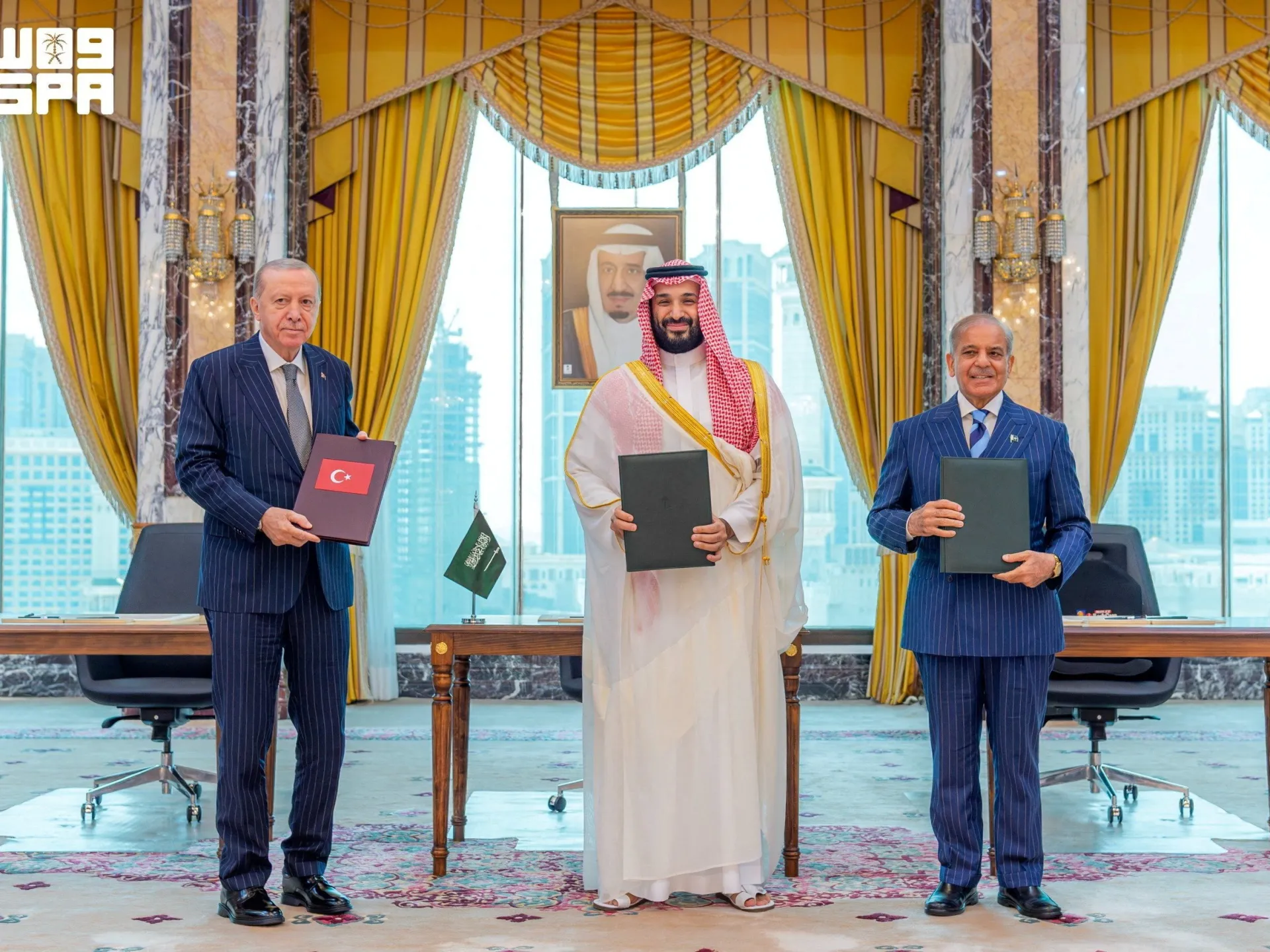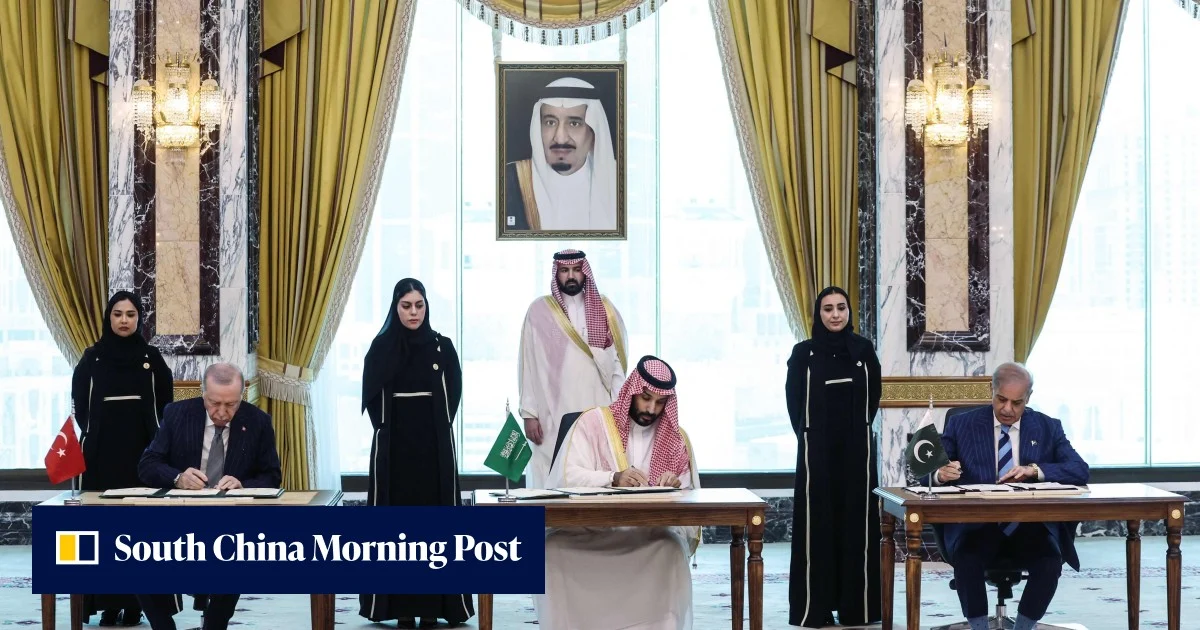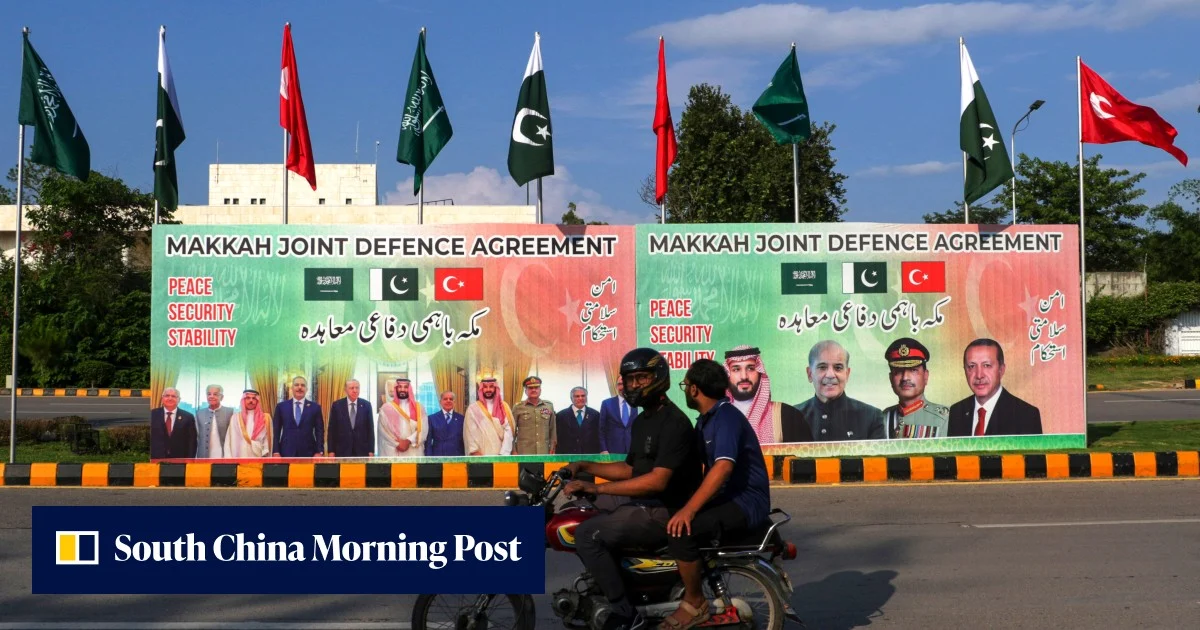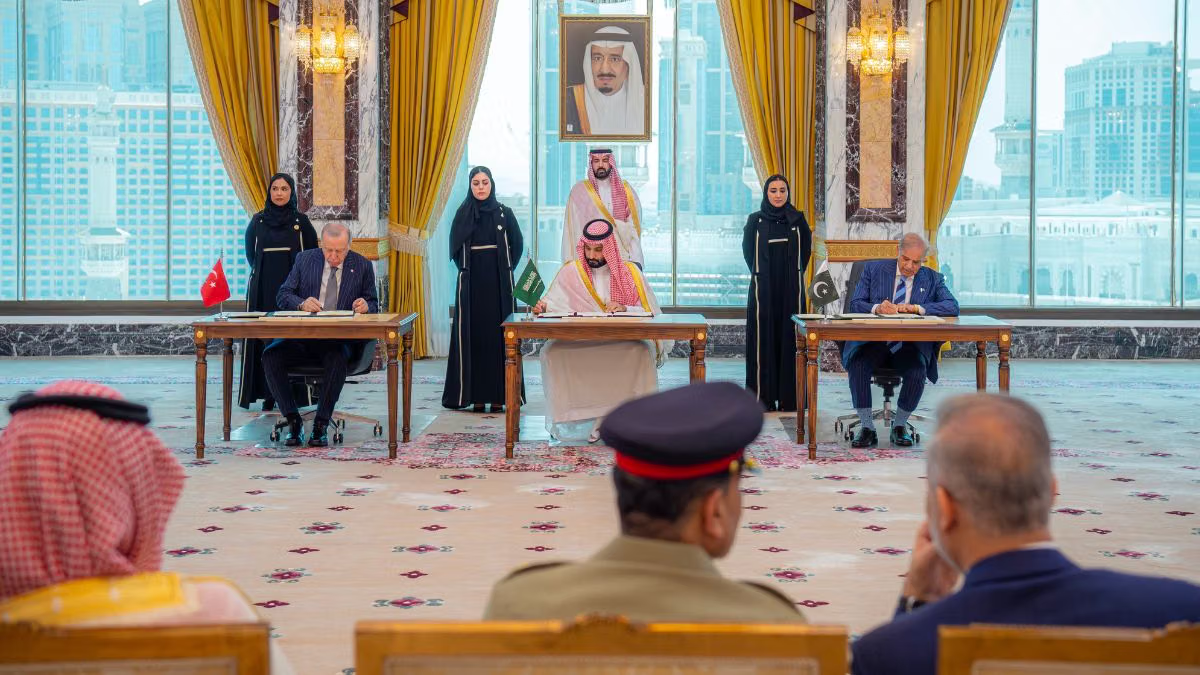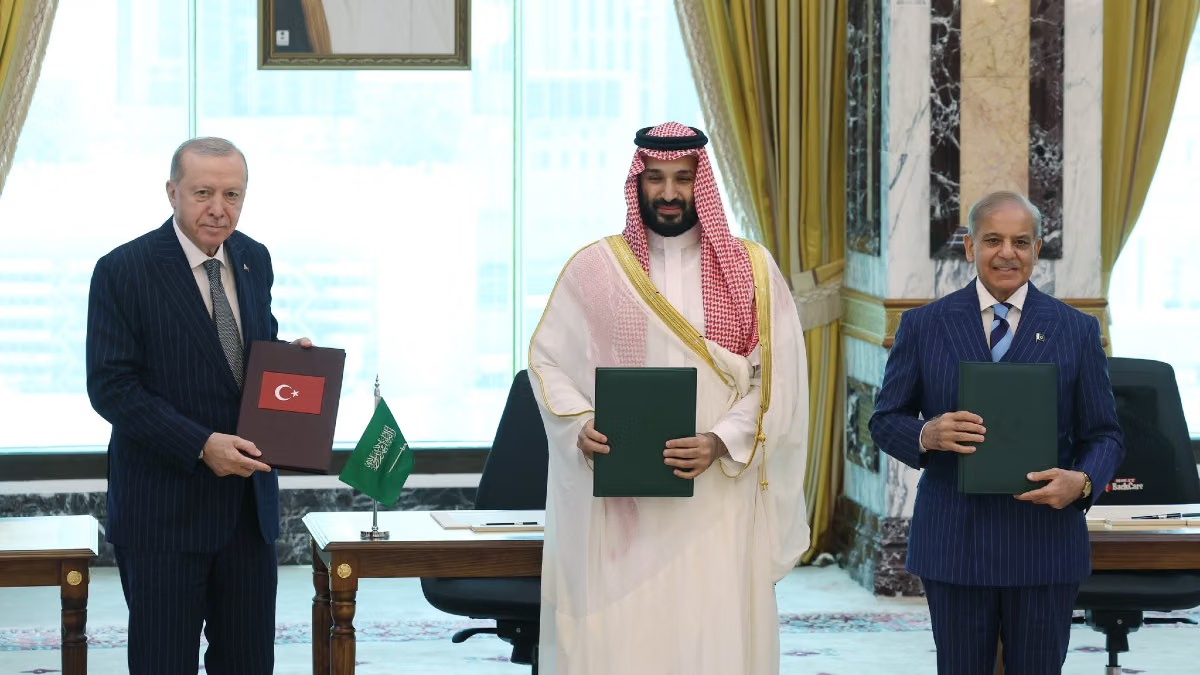
The Gulf has learned that buying American weapons and hosting US bases is not the same as having a guarantee from America that holds. Washington’s appetite for absorbing the costs of being the Gulf’s permanent security guarantor has visibly diminished. A sobering realisation now dawns: there is no going back to the status quo ante.The Mecca pact is, therefore, principally about Saudi insecurity and its inability to protect itself and its interests. As a collective, it has a 3E gap.But first, let’s deconstruct the headlines.The N bluff
The biggest headline is that Pakistan has extended its nuclear umbrella to the Saudis. However, no public protocol establishes this. Pakistani officials previously walked back suggestions that nuclear weapons were covered even by the bilateral Saudi-Pakistani agreement signed last year.Yet an ambiguity on the nuclear front has strategic value.The UAE has moved considerably closer to Israel, an undeclared nuclear power, since the 2020 Abraham Accords. During this year’s war, Israel reportedly sent surveillance equipment, air-defence systems and an Iron Beam laser to help the UAE intercept Iranian missiles and drones. Israeli defence companies now maintain a continuing presence in the Emirates.This does not amount to an Israeli nuclear guarantee to Abu Dhabi. Nor has Pakistan promised nuclear retaliation on behalf of Riyadh. Nevertheless, optics are part of deterrence and regional posturing.If the Emiratis have Israel, Riyadh now has an answer in Turkey and Pakistan.Beneath the surface, though, the collective-security claim—and especially its nuclear shadow—is a bluff that is hard to call, but equally hard to dismiss.For now, the pact’s real challenge is the three Es— the questions of common enemy, economic challenges and efficiency – which has impeded clarity on its contours.