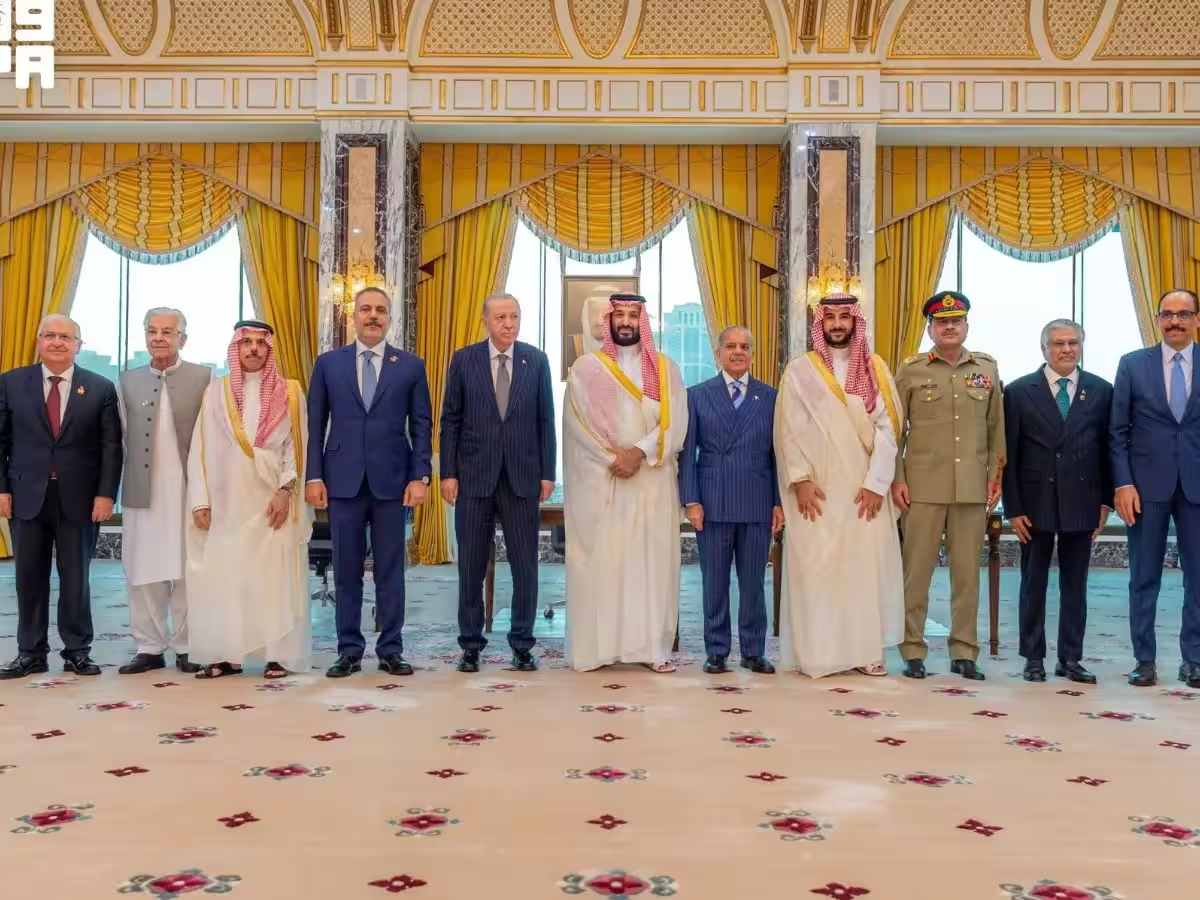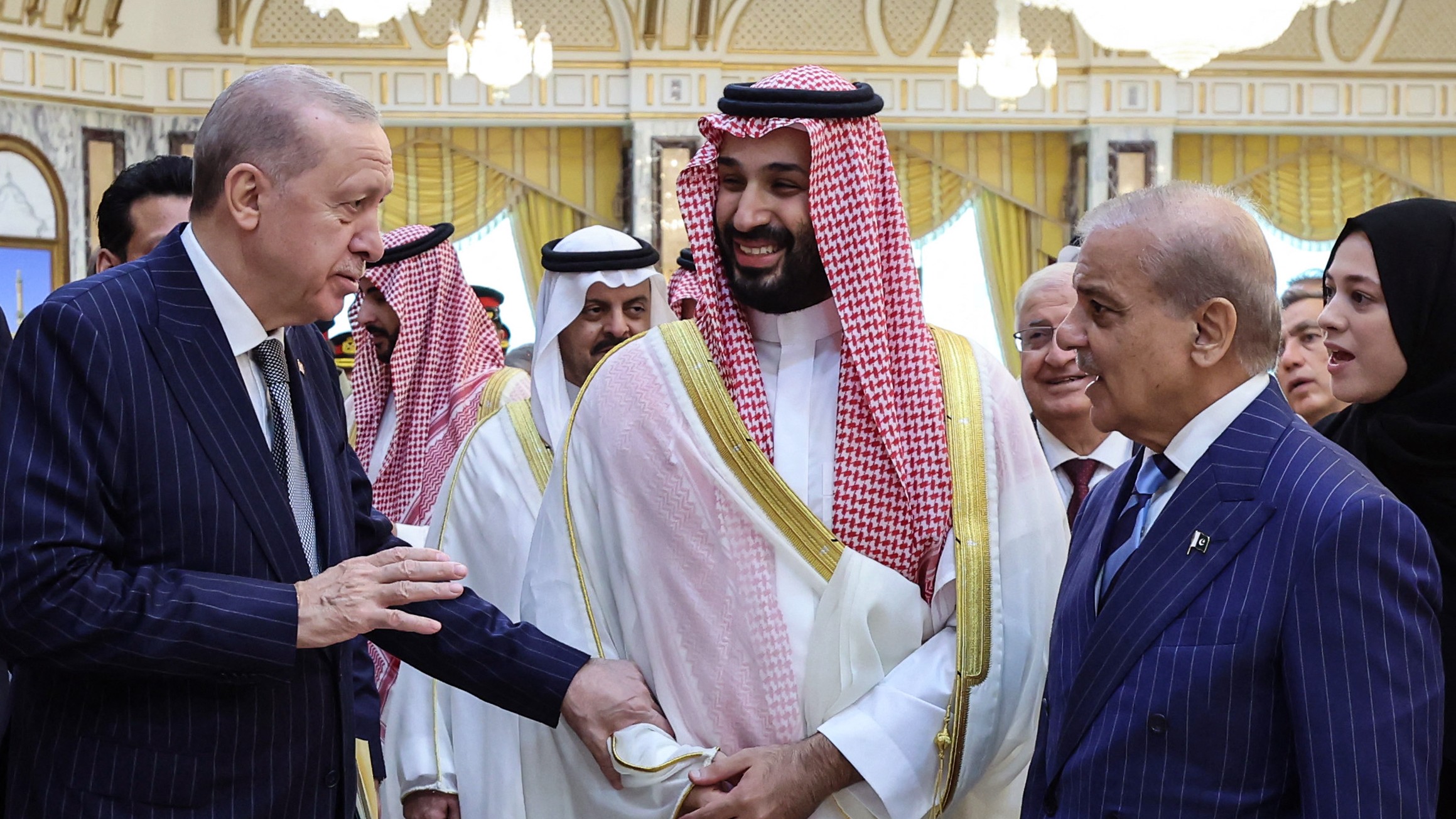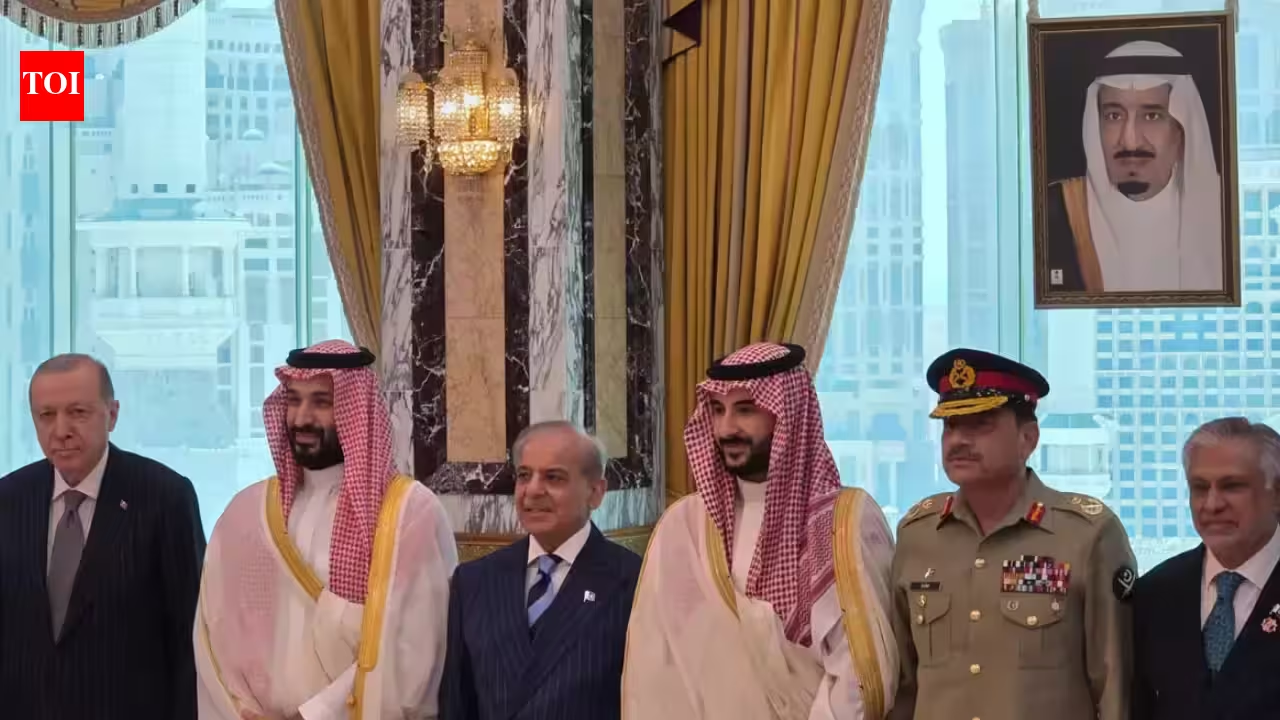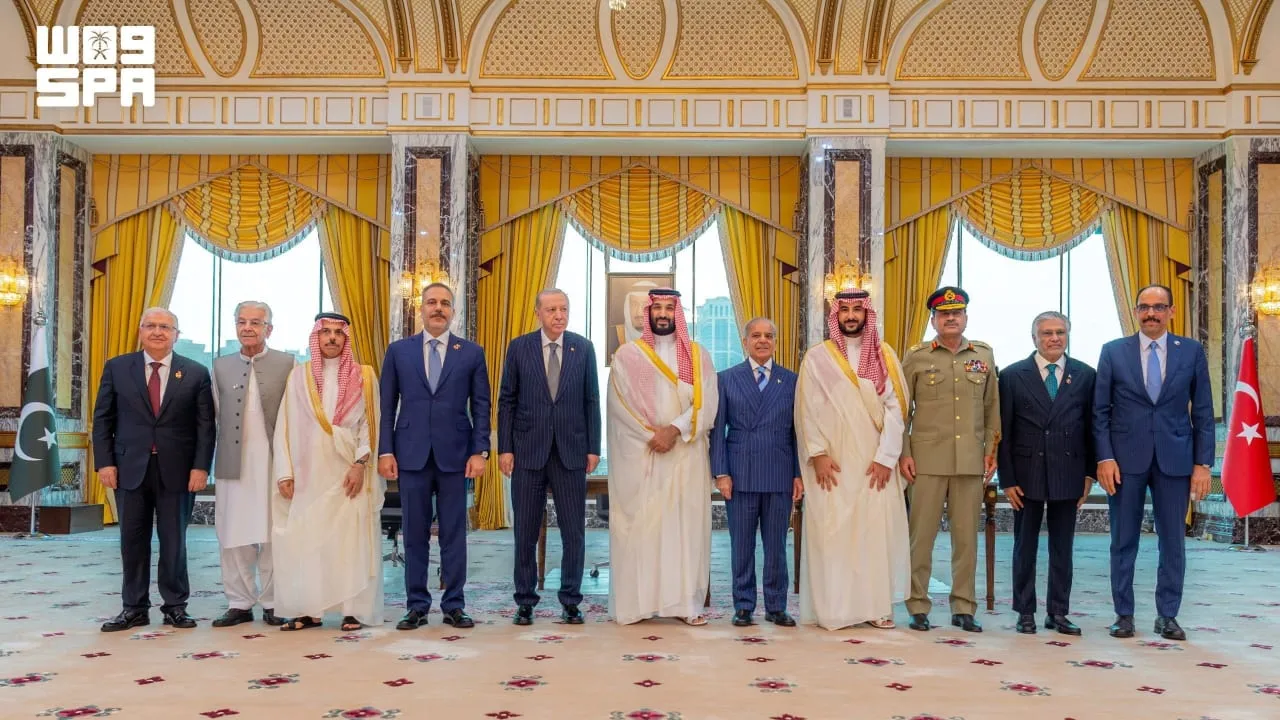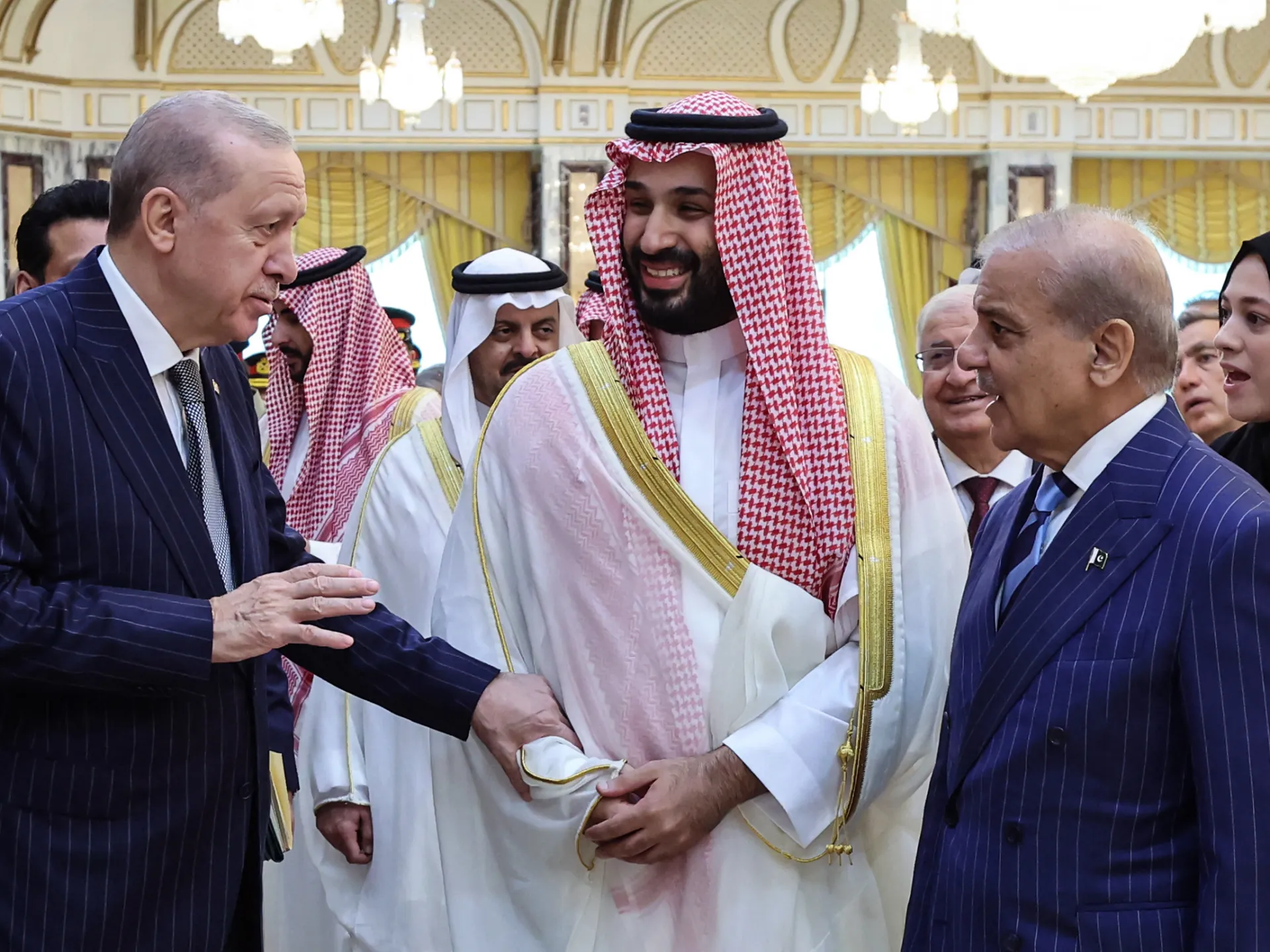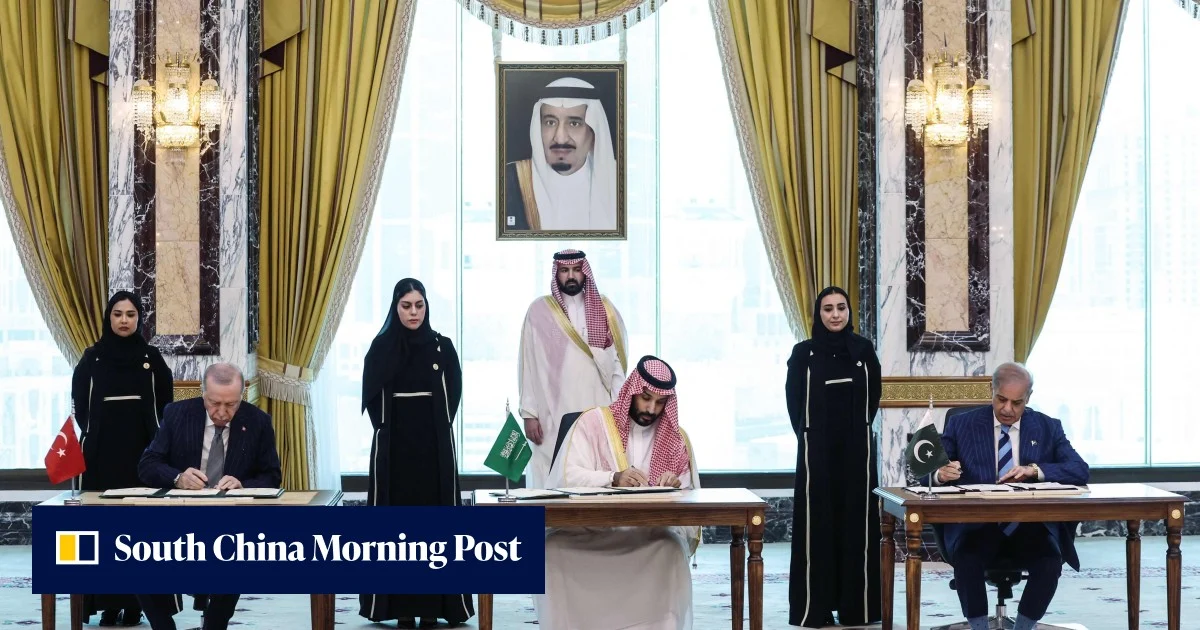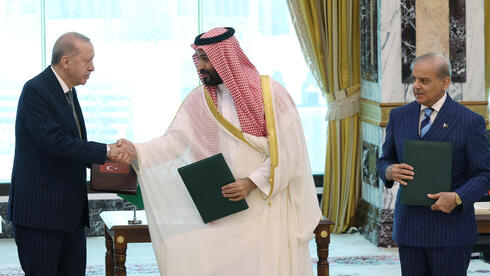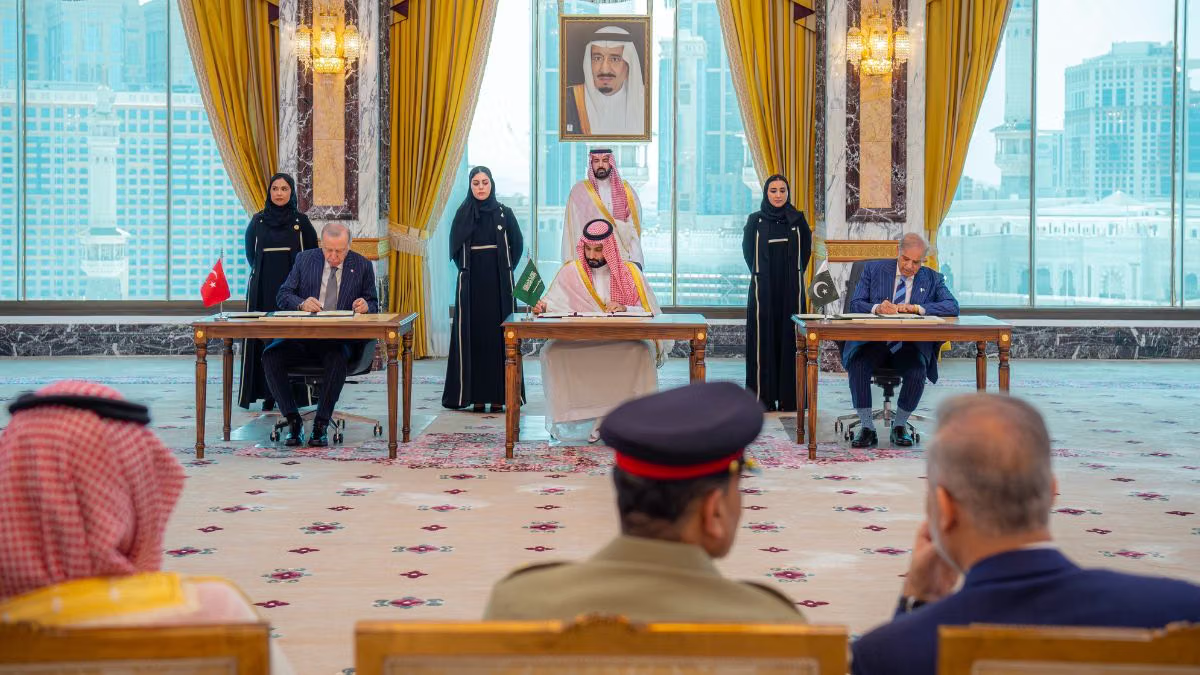
The recently announced Mecca Agreement grouping Pakistan, Turkey, and Saudi Arabia deserves careful attention from Indian defence planners. In the build-up to it, Delhi read it through a geopolitical lens, asking whether it represents another alignment in the Middle East or a diplomatic signal to regional rivals. The commentary has overwhelmingly focused on regional and strategic implications.
The question for the Indian military, however, is operational. Military campaigns are shaped by two key paradigms: the battlefield on which they are fought and the political conditions under which they are conducted. This grouping can alter both. It can strengthen Pakistan’s battlefield capability while adding to the political pressure that ends hostilities early, which shortens the time India has to turn military success into strategic outcomes.The shrinking political timeline
Operation Sindoor indicated that future India-Pakistan conflicts are likely to be politically compressed campaigns rather than prolonged wars of attrition. Such operations would unfold under intense international scrutiny, with diplomatic efforts to end the fighting beginning almost as soon as it starts.
The effect of a shorter conflict is more adverse for Indian strategy. India fights for credible objectives that require sequenced operations: degrade, exploit, consolidate, and demonstrate a result large enough to alter Pakistani calculations. Each stage takes time. Pakistan fights to absorb and hold until the ceasefire is declared. Every day removed from the political timeline costs India more than it costs Pakistan.Saudi Arabia holds substantial interests on both sides of the divide. It has deep energy, investment, and economic ties with India. And it has expanding defence cooperation, financial support, and strategic engagement with Pakistan. Riyadh’s interest lies in preventing a prolonged conflict that threatens regional stability, energy markets and its economic ambitions under Vision 2030. Those interests existed before the grouping, and Riyadh acted on them during Op Sindoor.What the grouping changes is Saudi standing. The nation transforms from a benign third-party mediator to Pakistan’s treaty partner. It has direct equity in Pakistan’s military establishment, institutional access to its command structure, and a claim to be consulted. And Pakistan too has a legitimate right to Saudi treaty support. Riyadh’s motive may stay constant, but the authority behind it and the speed of its application will both increase. Indian commanders are left with a narrower window in which to convert tactical success into operational gain.