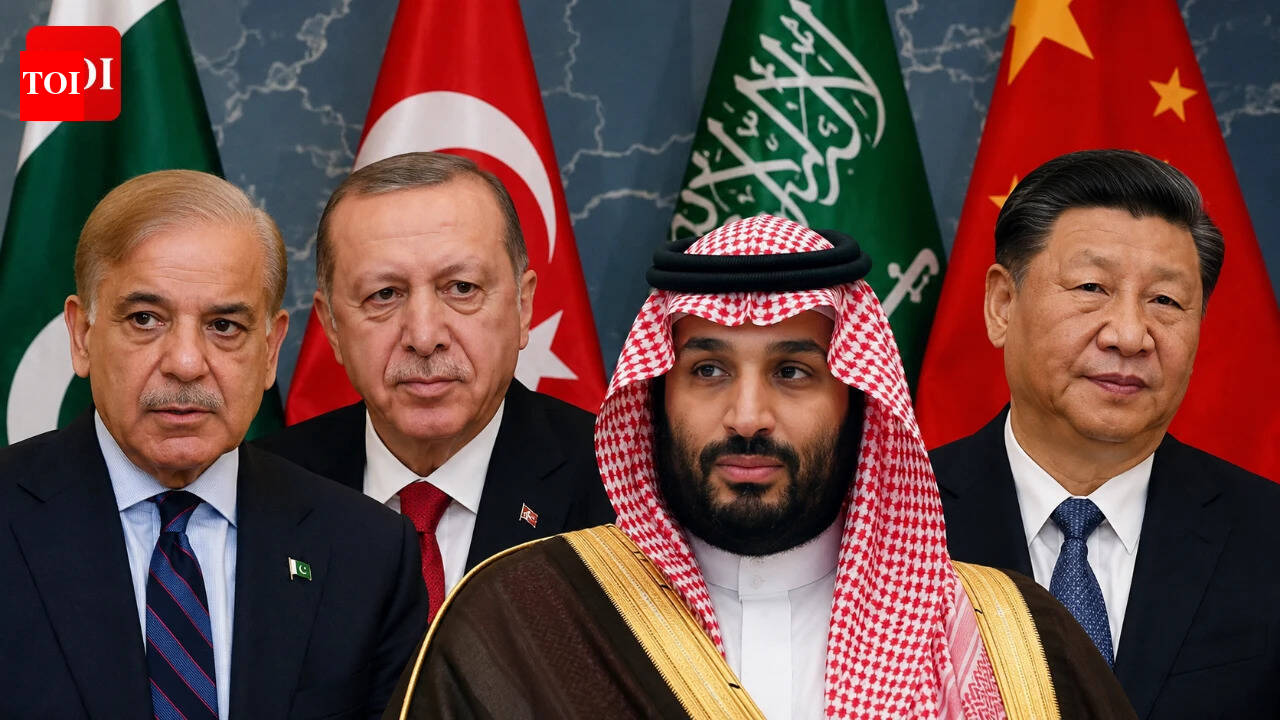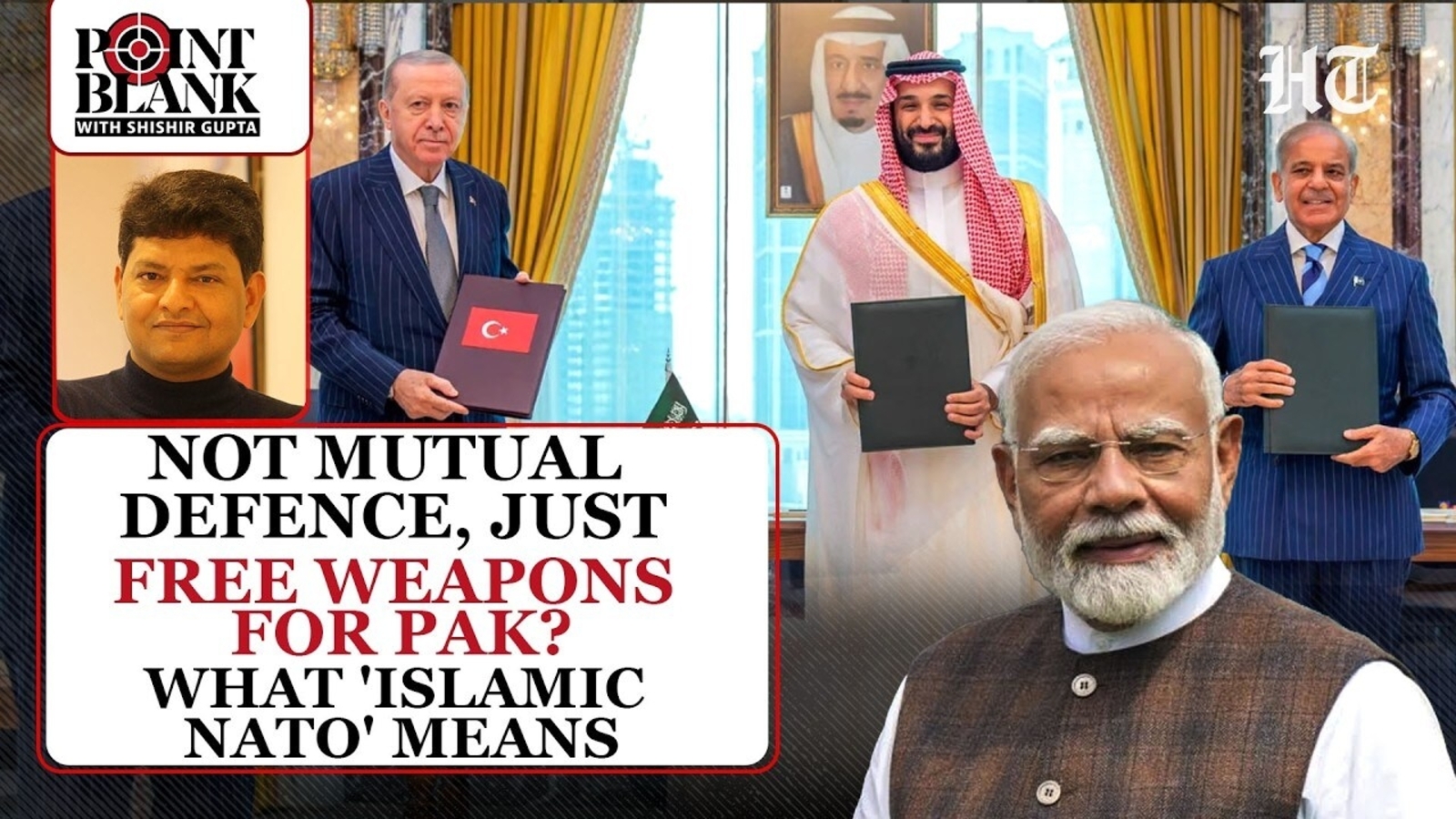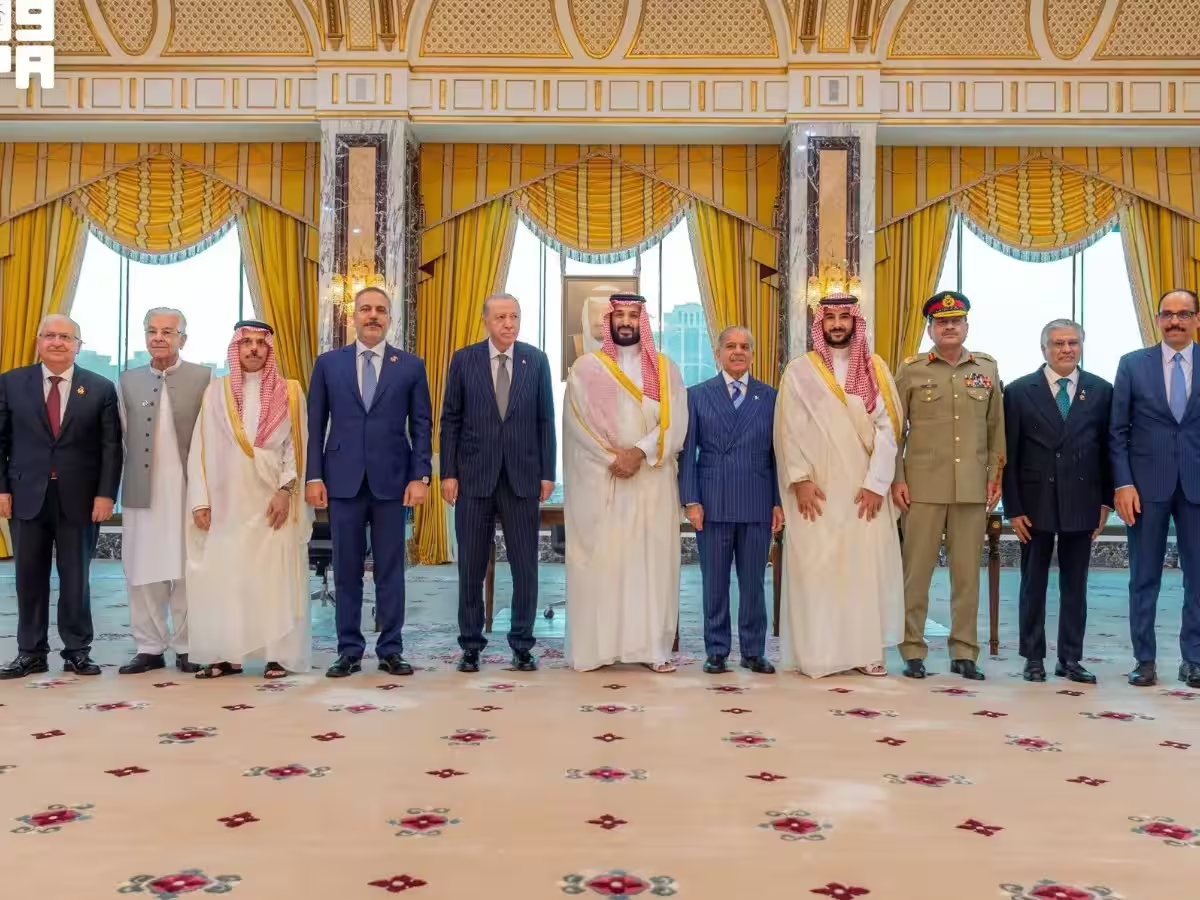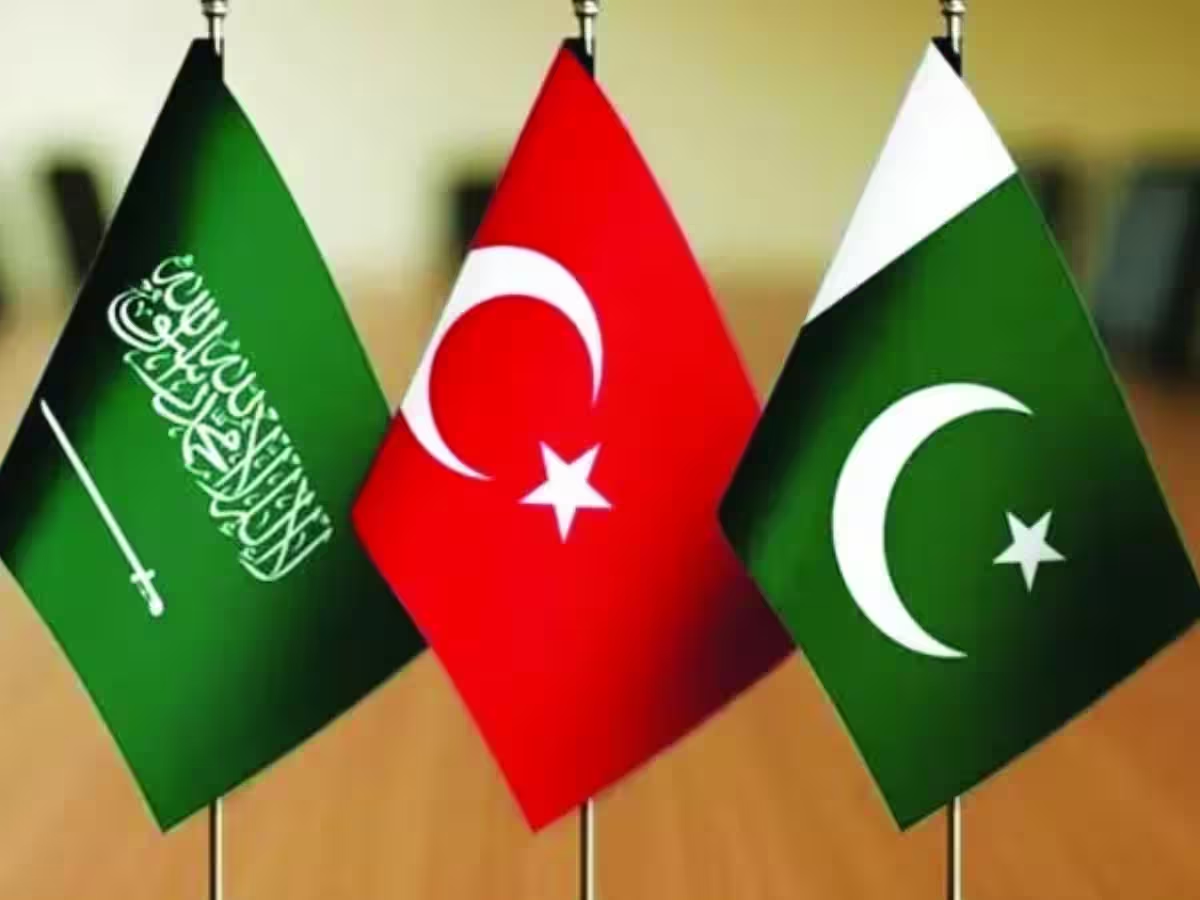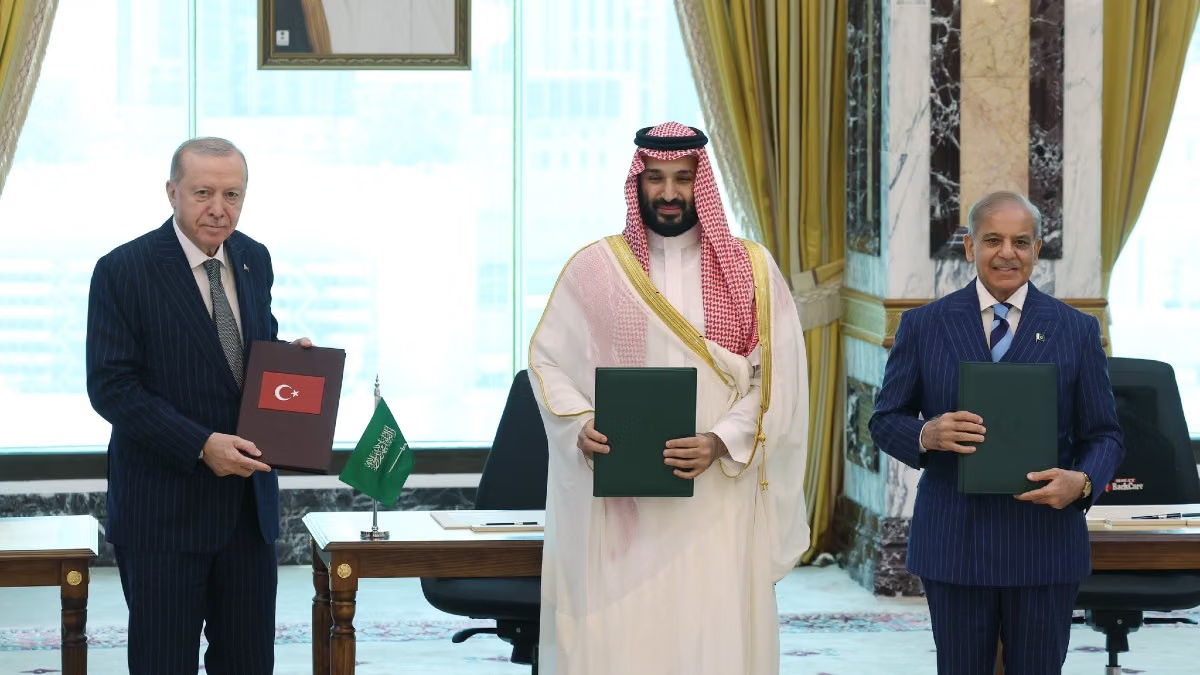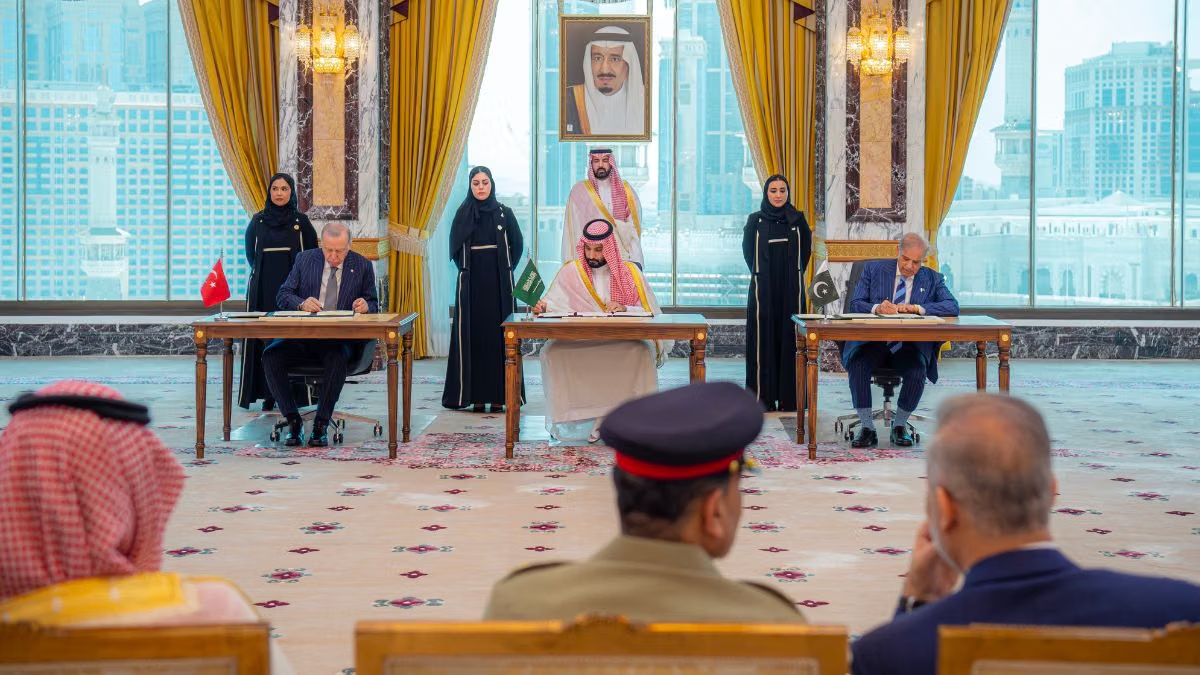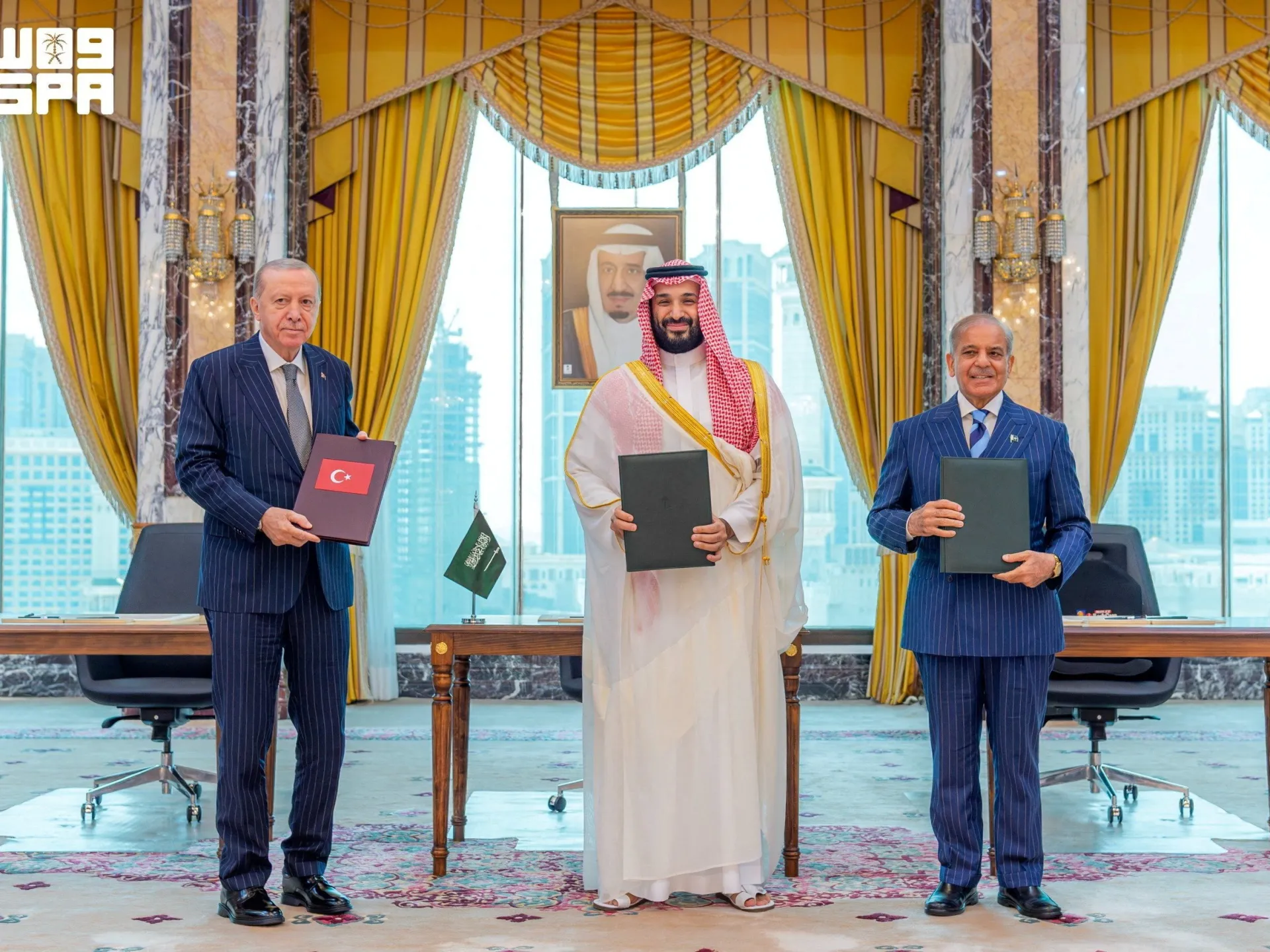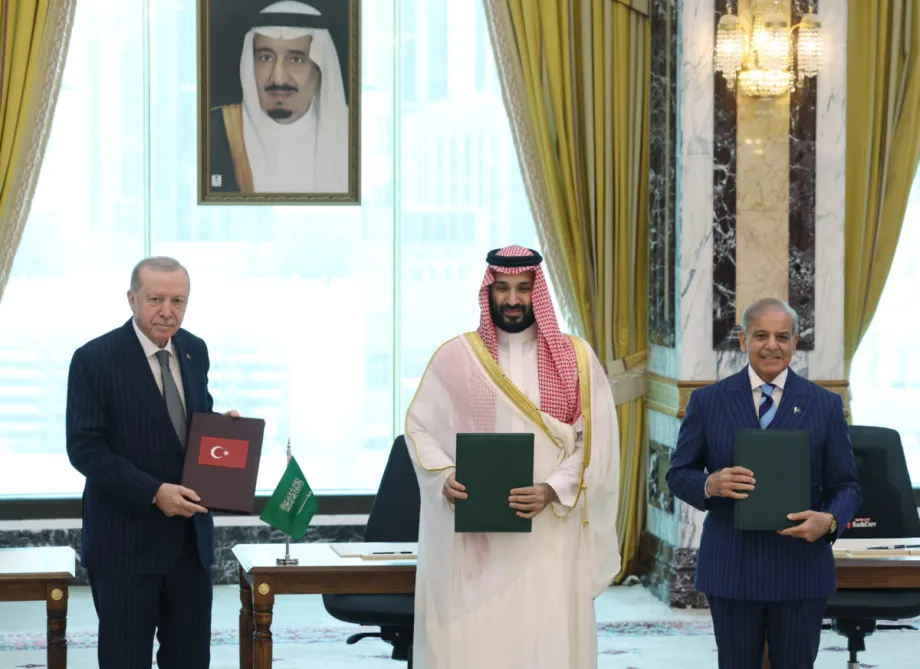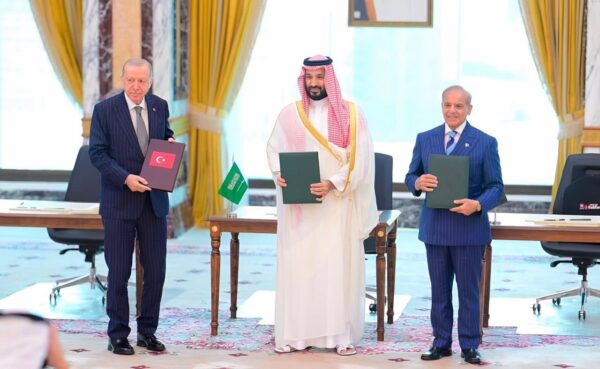
On August 7, the leaders of Saudi Arabia, Türkiye, and Pakistan signed the Mecca Joint Defense Agreement, committing themselves to consider an attack on one as an attack on all. The Turkish Foreign Minister has indicated that the alliance could expand. This stands out as one of the most consequential shifts in the region’s ever-shifting power dynamics. That promise may well reshape the security dynamics of the entire region.
For New Delhi, the emergence of this framework warrants scrutiny. The agreement is not directed against India, but it alters the strategic environment in which India-Pakistan relations play out. Its implications for India, however, cannot be understood without first looking into why Pakistan sought such an arrangement.
Before May 2025, Pakistan’s concept of deterrence was not premised on fighting a prolonged war of attrition or achieving conventional military dominance. It was designed primarily to deny India escalation dominance in limited theaters while relying on nuclear deterrence to prevent a broader war.
The May 2025 conflict called that assumption into question. The conflict rapidly climbed up several rungs of the escalation ladder and spread geographically beyond what many observers had anticipated. The conflict demonstrated that nuclear deterrence does not necessarily rule out sustained conventional fighting below the nuclear threshold.