Academia
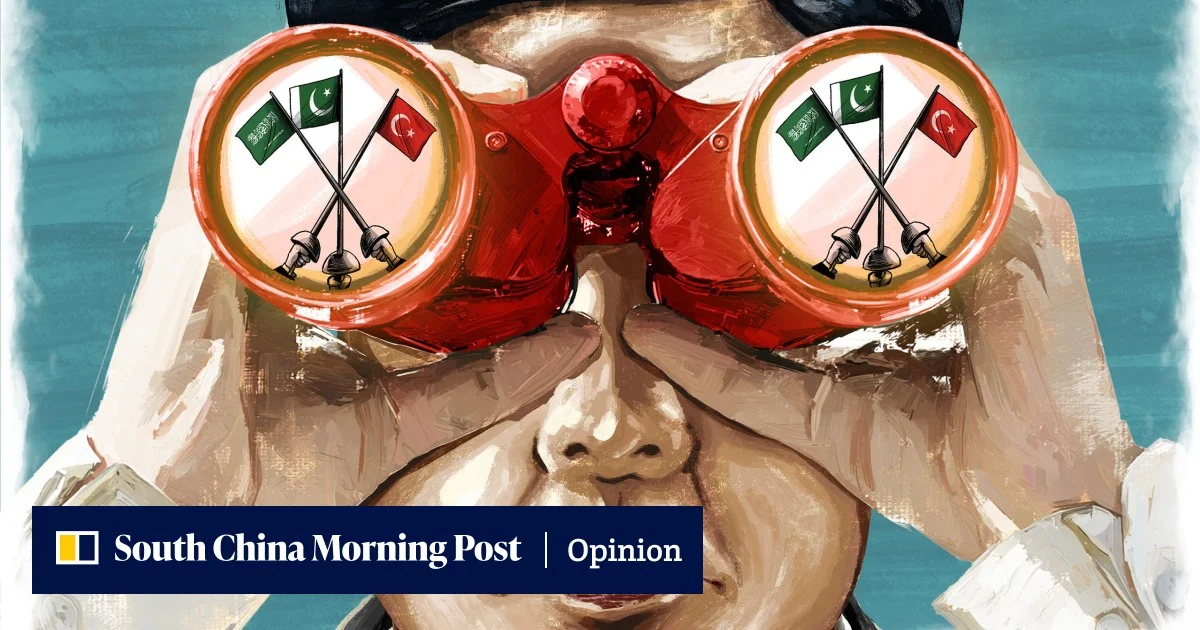
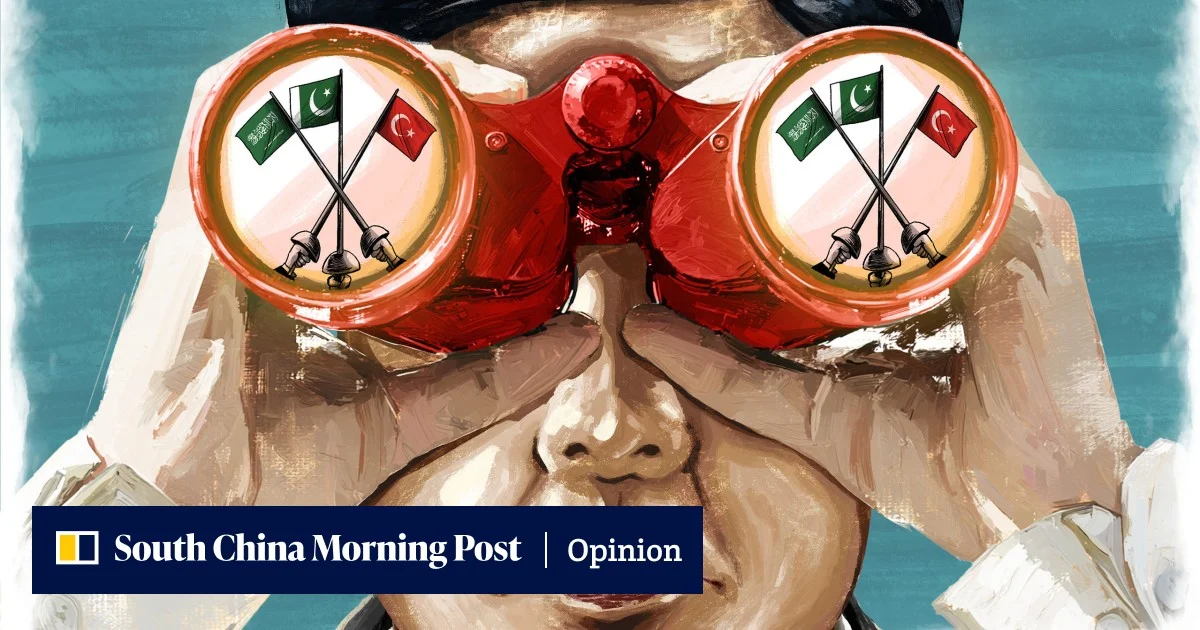
For now, the pact’s principal strength may lie in its political message and deterrent effect.
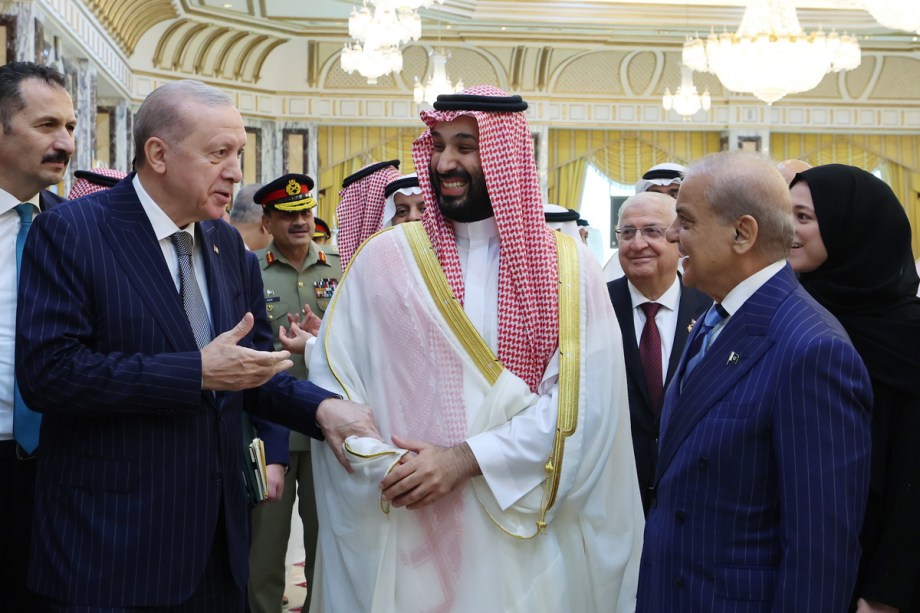
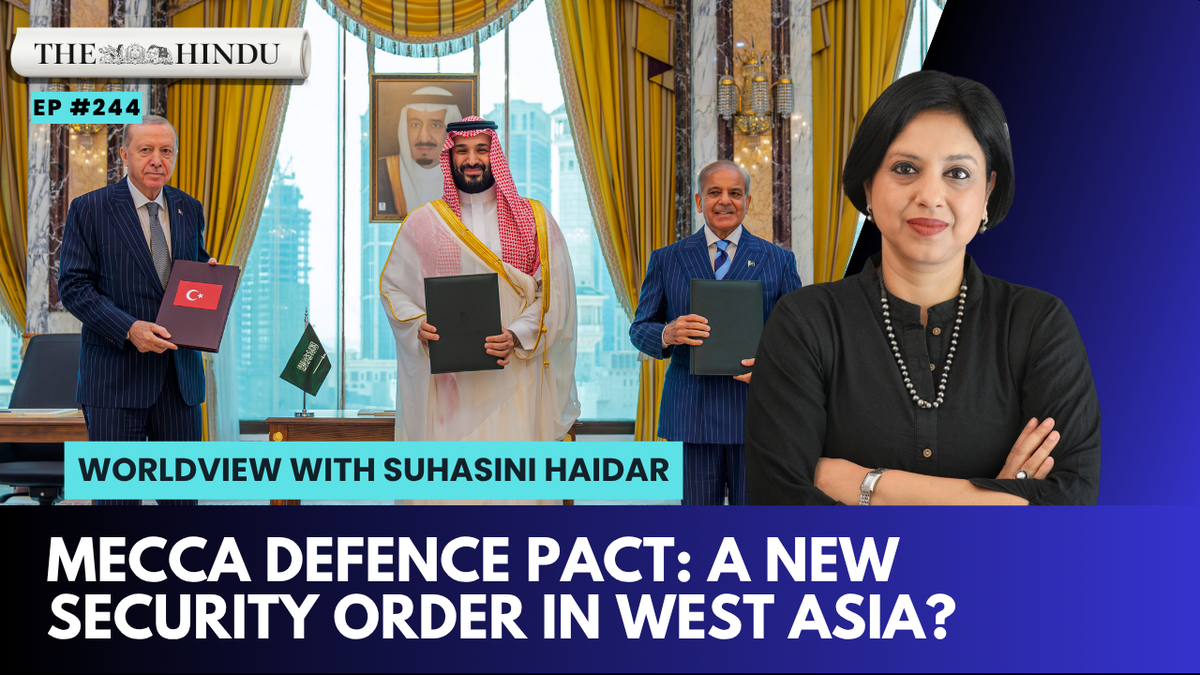
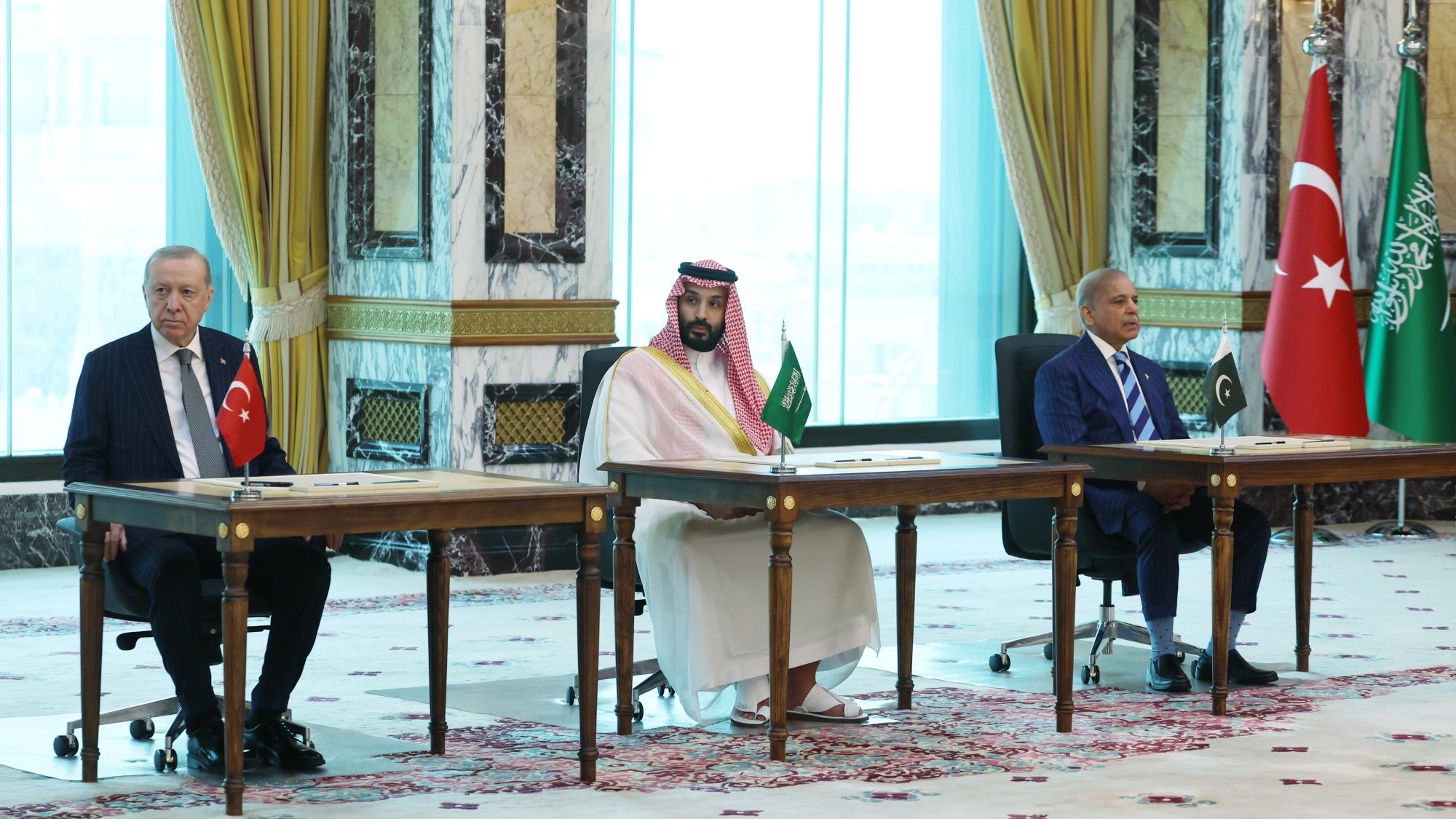
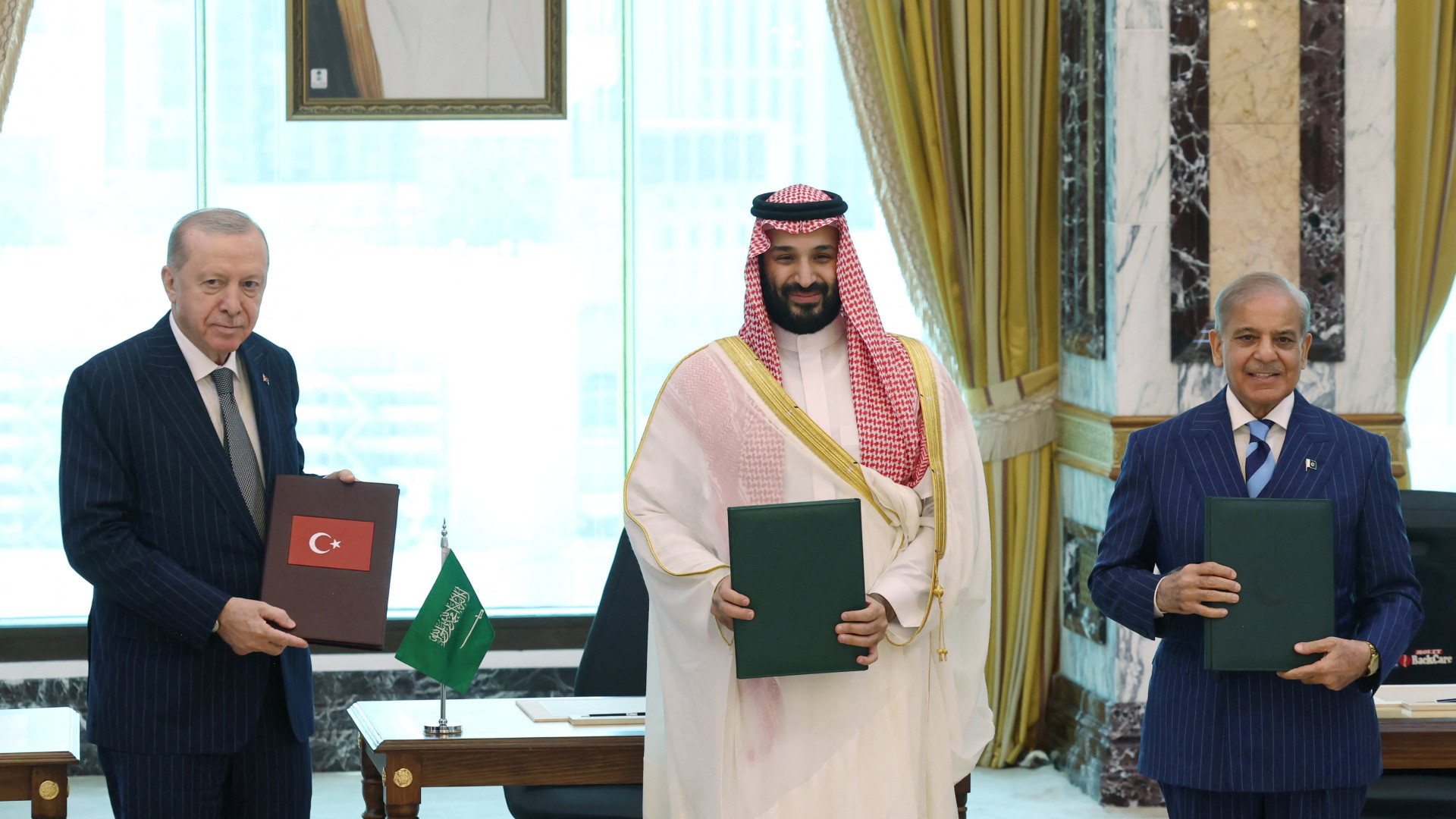
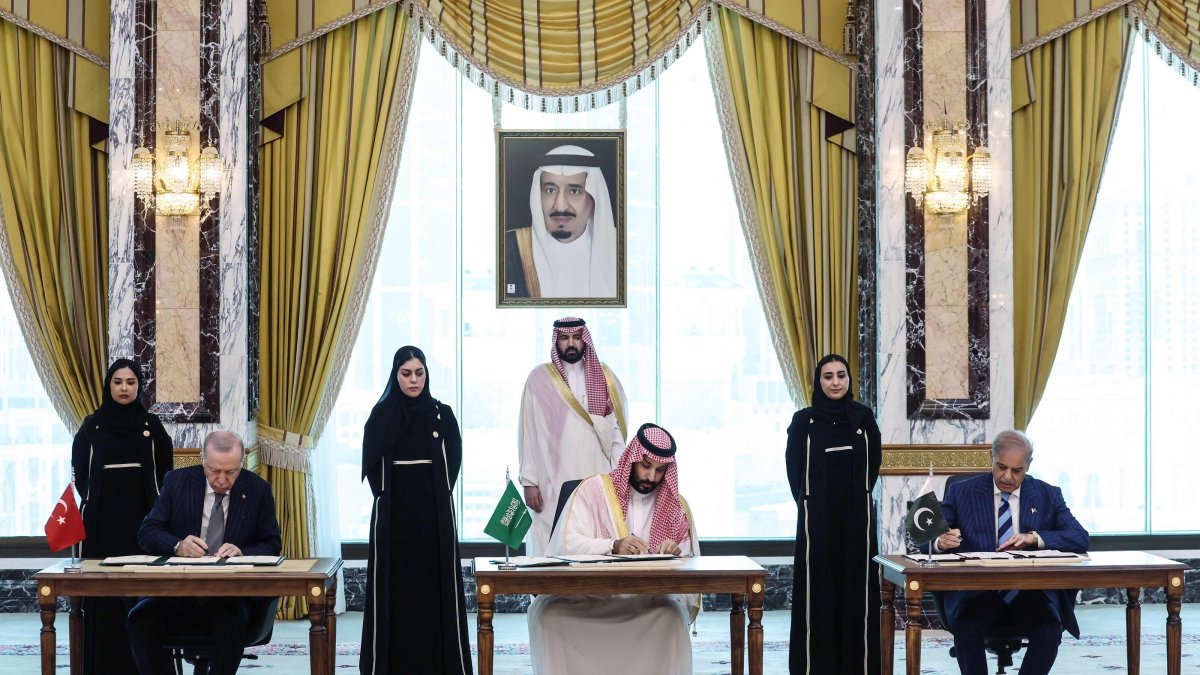
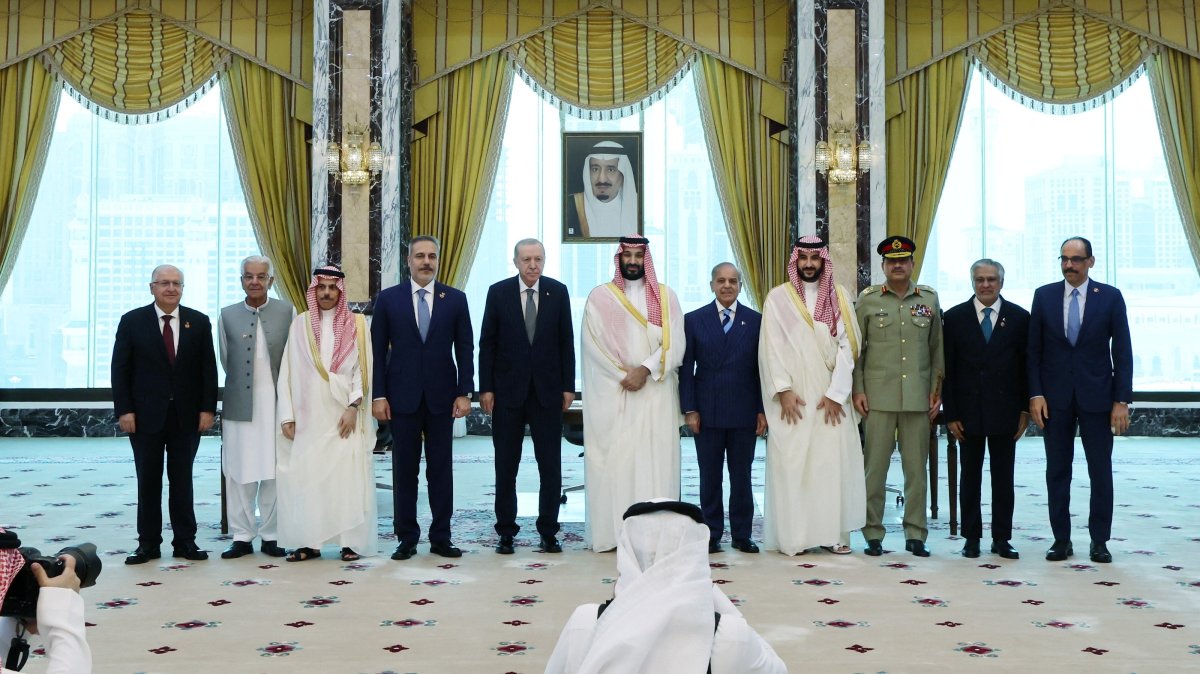
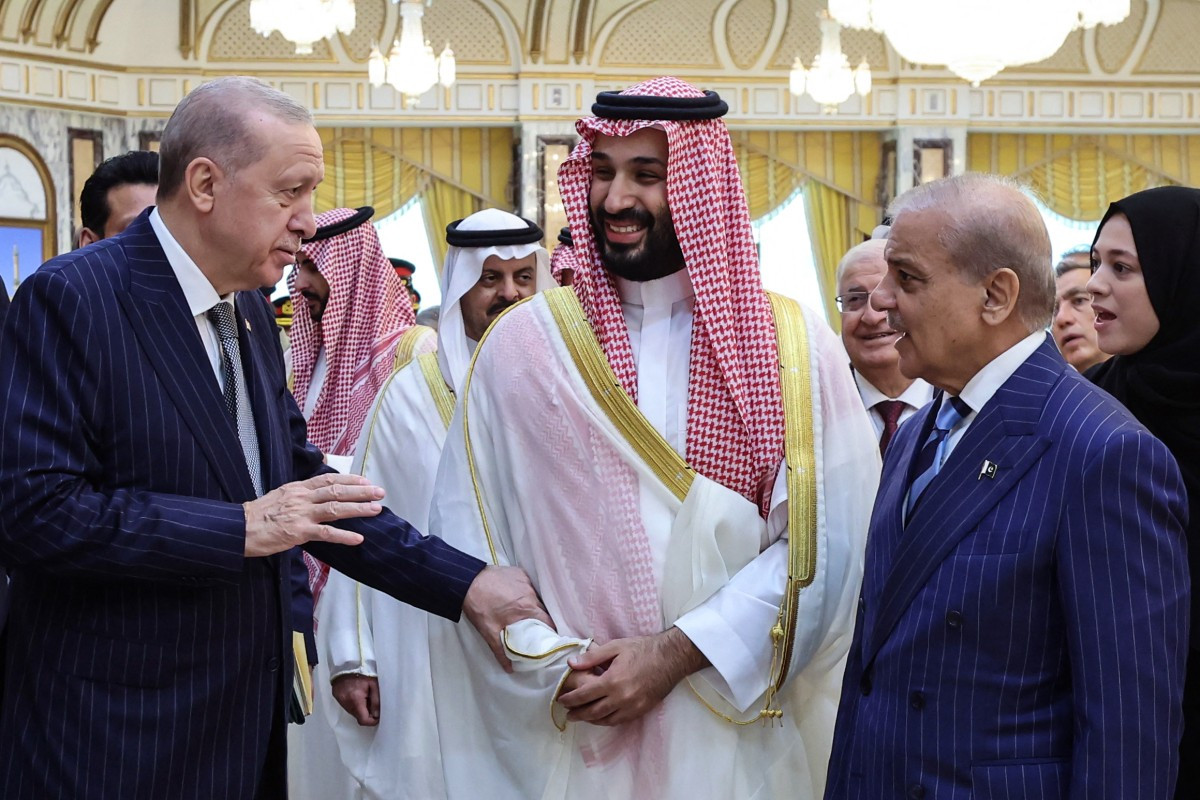
Turkey's President Recep Tayyip Erdogan (left), Saudi Arabia's Crown Prince Mohammed bin Salman (center) and Pakistan’s Prime Minister Shehbaz Sharif meet in Mecca, Saudi Arabia, on Aug. 7, 2026. Saudi Arabia, Turkey and Pakistan signed a joint defense agreement on Aug. 7 amid violence in the region from Houthi attacks and the United States-Iran war. (AFP/Turkish Presidency Press Office)
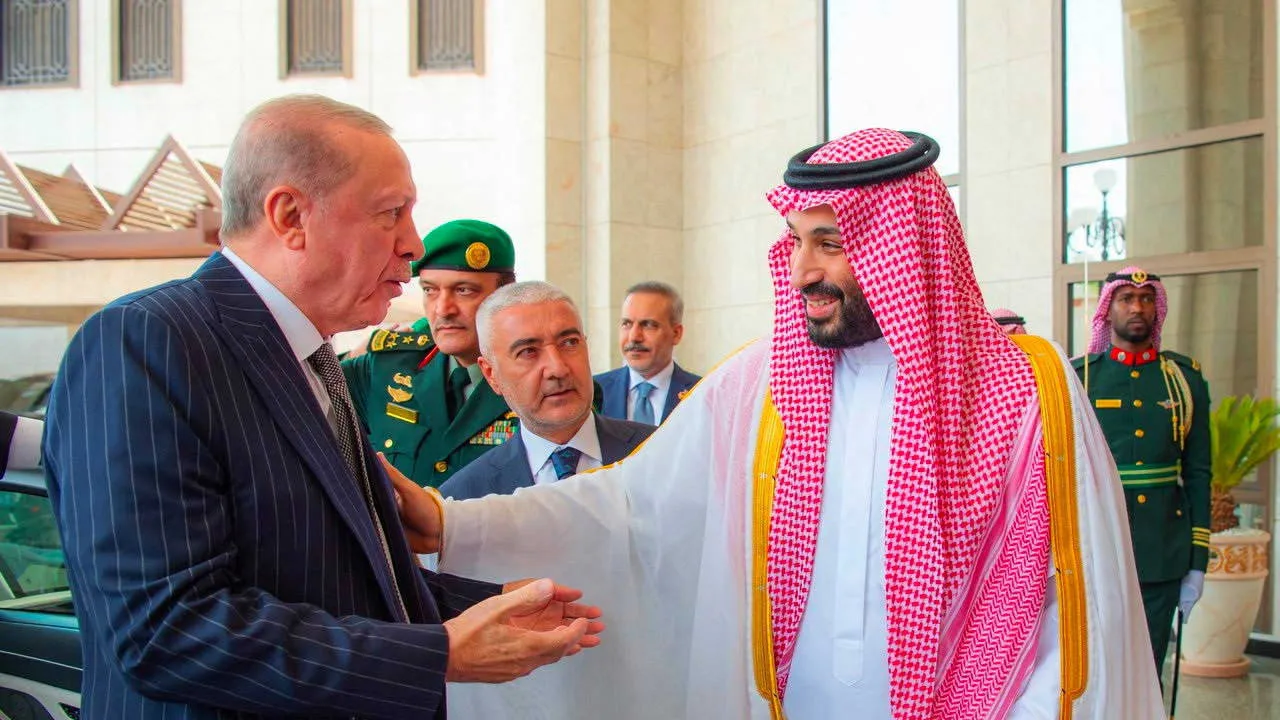
The signing of the Mecca Joint Defence Agreement by Saudi Crown Prince Mohammed bin Salman, Turkish President Recep Tayyip Erdoğan and Pakistani Prime Minister Shehbaz Sharif in Saudi Arabia's Mecca on Aug. 7, marks an important development in Middle East security politics. The pact comes as the United States-Israeli war against Iran has expanded into a broader regional conflict. Pakistan described the agreement as an effort to strengthen “collective deterrence” against all forms of aggression. Yet details about its command structure, troop deployment procedures and military obligations remain unclear. For now, therefore, the pact’s principal strength may lie in its political message and deterrent effect.