Creating new perspectives since 2009
August 15, 2026 at 9:33 am
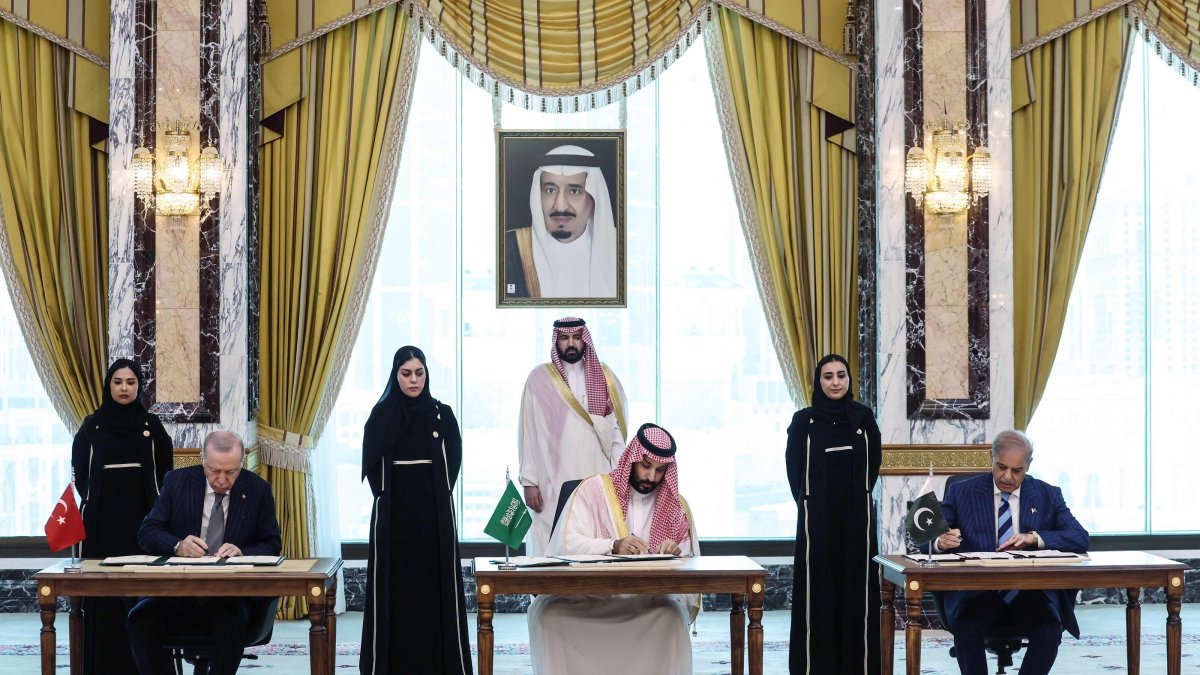
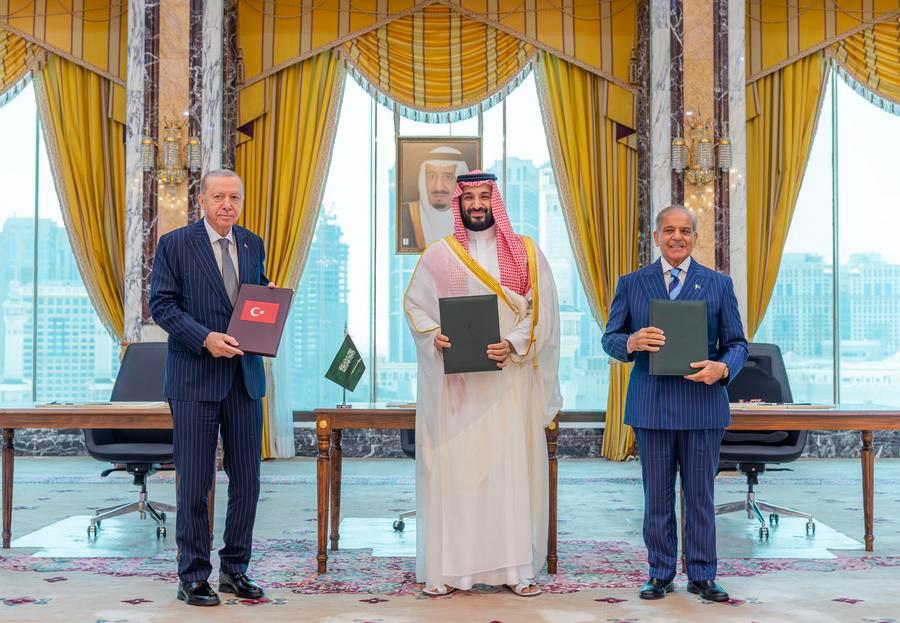
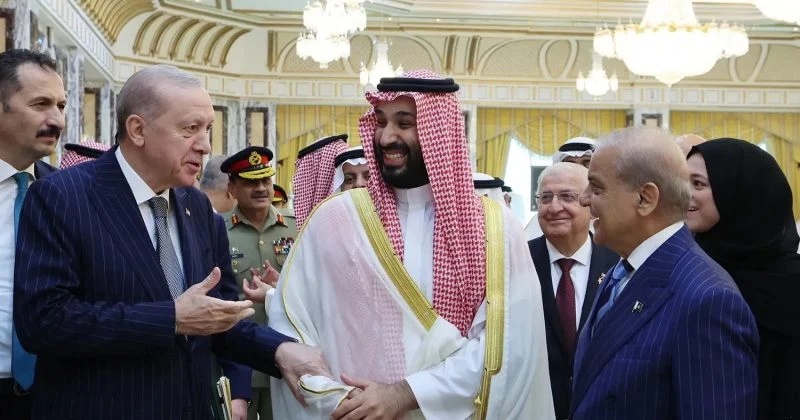
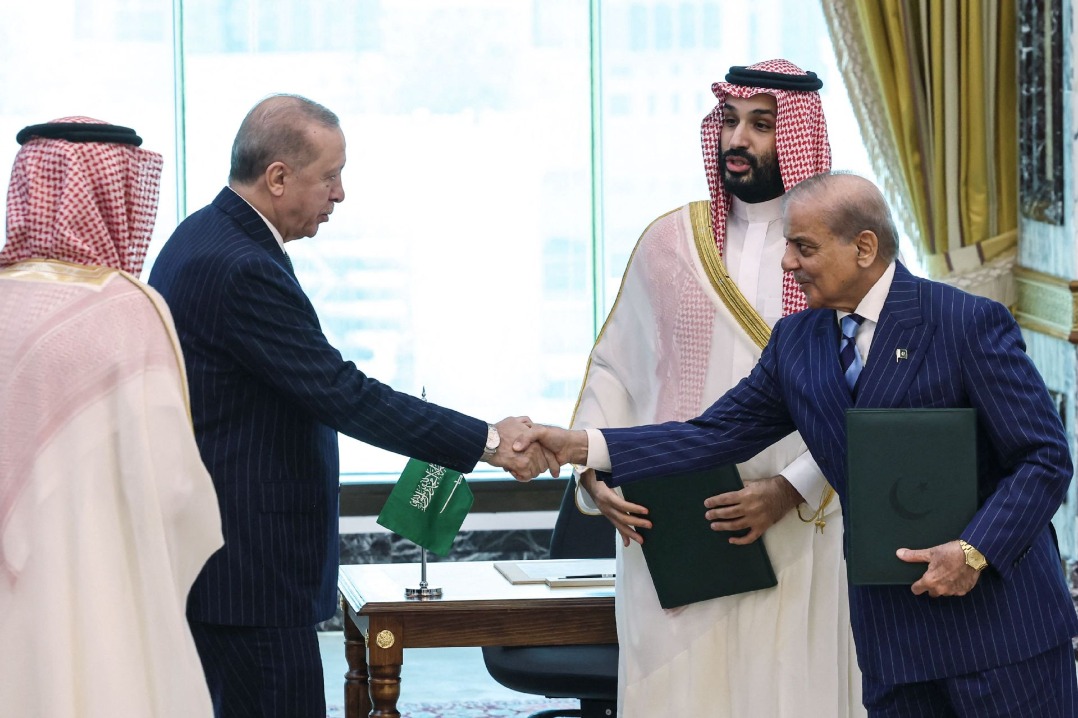
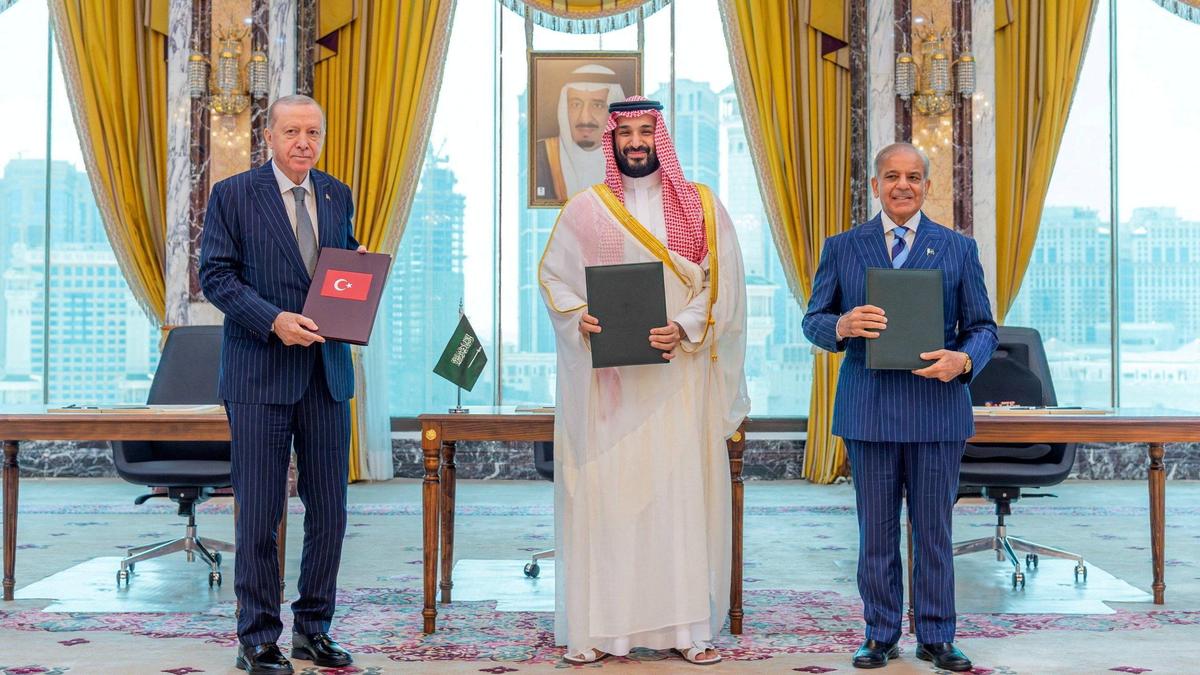
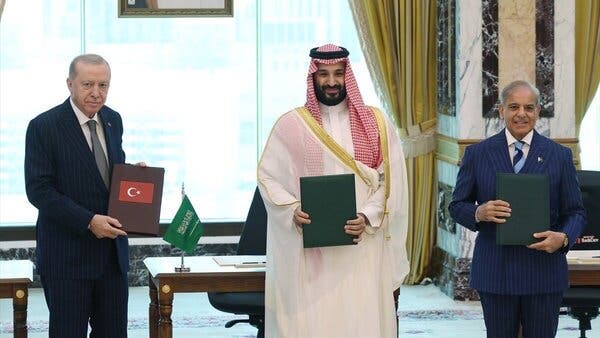
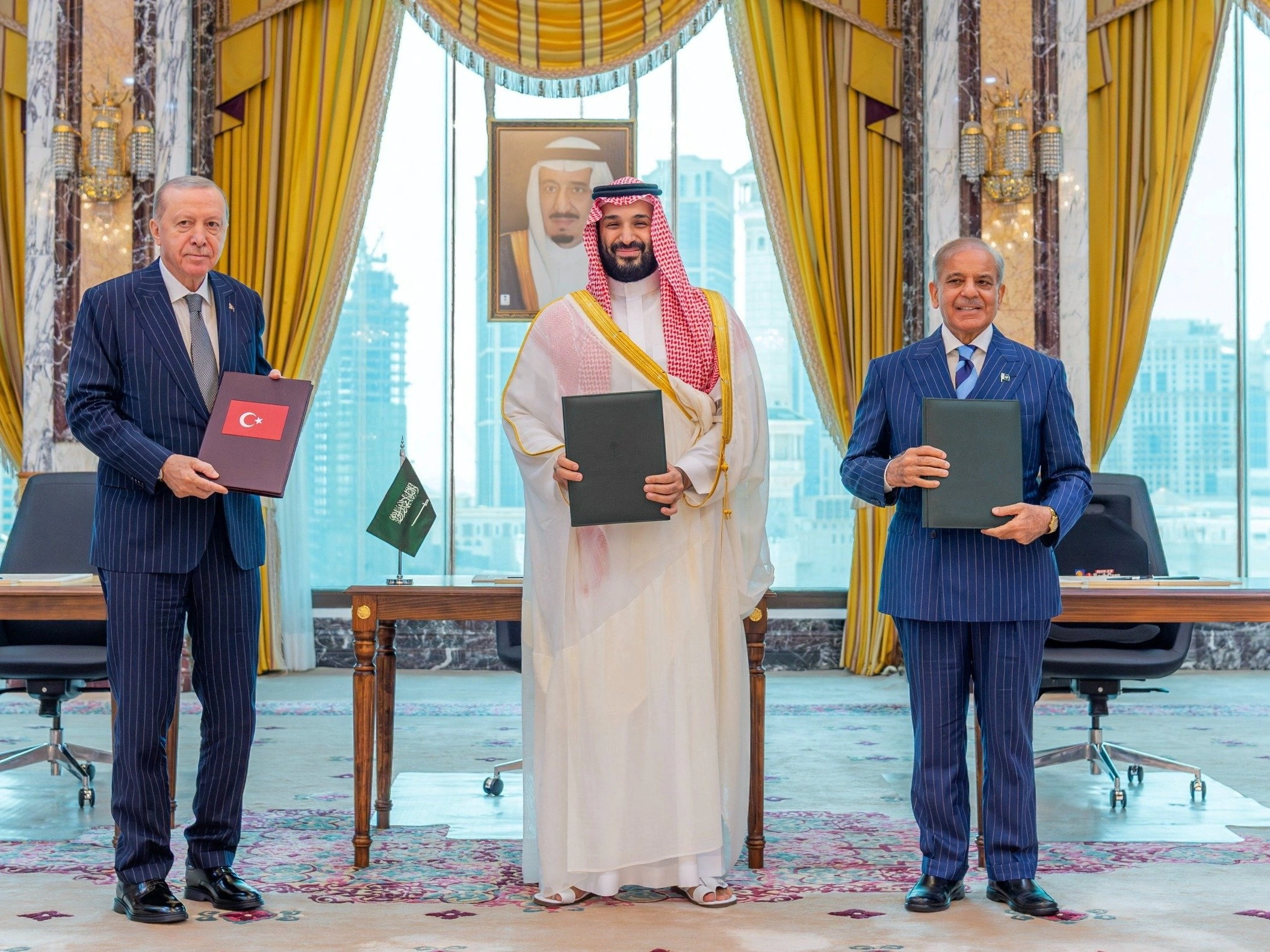
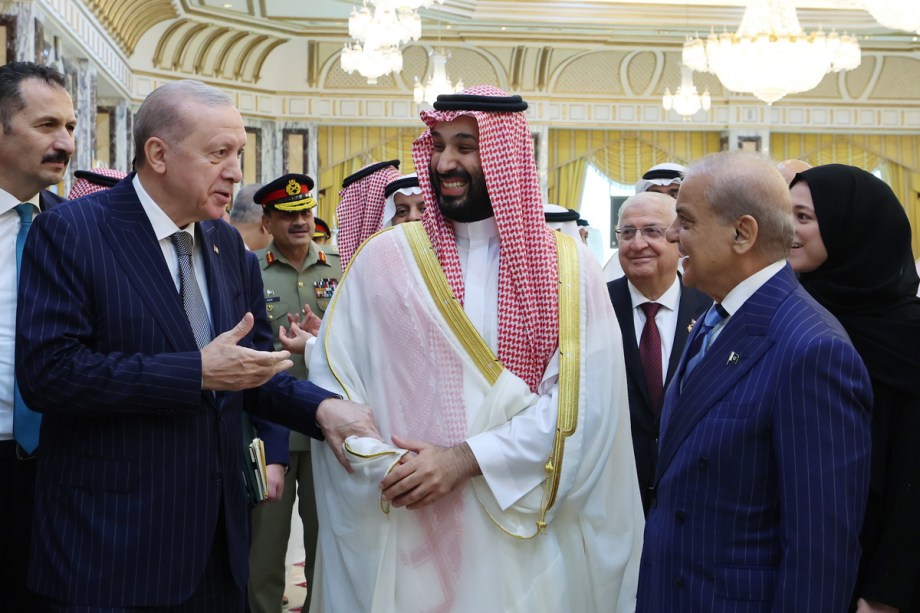
Turkish President Recep Tayyip Erdogan (L), Saudi Crown Prince Mohammed bin Salman (C) and Pakistani Prime Minister Shehbaz Sharif (R) sign a trilateral joint defense agreement in Mecca, Saudi Arabia, on August 7, 2026. [TUR Presidency /Murat Cetinmuhurdar – Anadolu Agency]
The Mecca Agreement, signed on 7 August, may not be the first step in a series of moves that key states in the region have begun to take, reflecting significant strategic shifts. Although the challenges facing the countries of the region are not new, they have intensified markedly in recent years. The Israeli war on Gaza, and its expansion into the US-Israeli war on Iran during the current presidency of Donald Trump, have undoubtedly provided the most significant impetus for countries in the region to reconsider their external strategic calculations, their roles, and their standing within the region. The collective security and deterrence nature of the agreement between these states carries a particular significance and represents an important development in regional security equations and deterrence strategies, in a region where the United States has long worked to establish a different set of arrangements. The agreement can be regarded as a particular message to the United States, especially as it calls on other influential states to join it, foremost among them Egypt and Qatar. These countries share a number of characteristics relating to their standing, their military and security systems, the threats surrounding them, and the regional alliances arrayed against them, which help to explain the importance of their alliance, its purpose, the reasons for their concerns, and their efforts to protect themselves. The challenge, however, remains in implementing the agreement, which depends on establishing a mechanism for activating its collective security clause namely, treating an attack on one member of the alliance as an attack on all the others. The question, then, is whether the agreement can succeed in the complex and consequential task of establishing new realities that must be taken into account in the region’s balance of power, whose relative weights have long been determined by the United States alone.