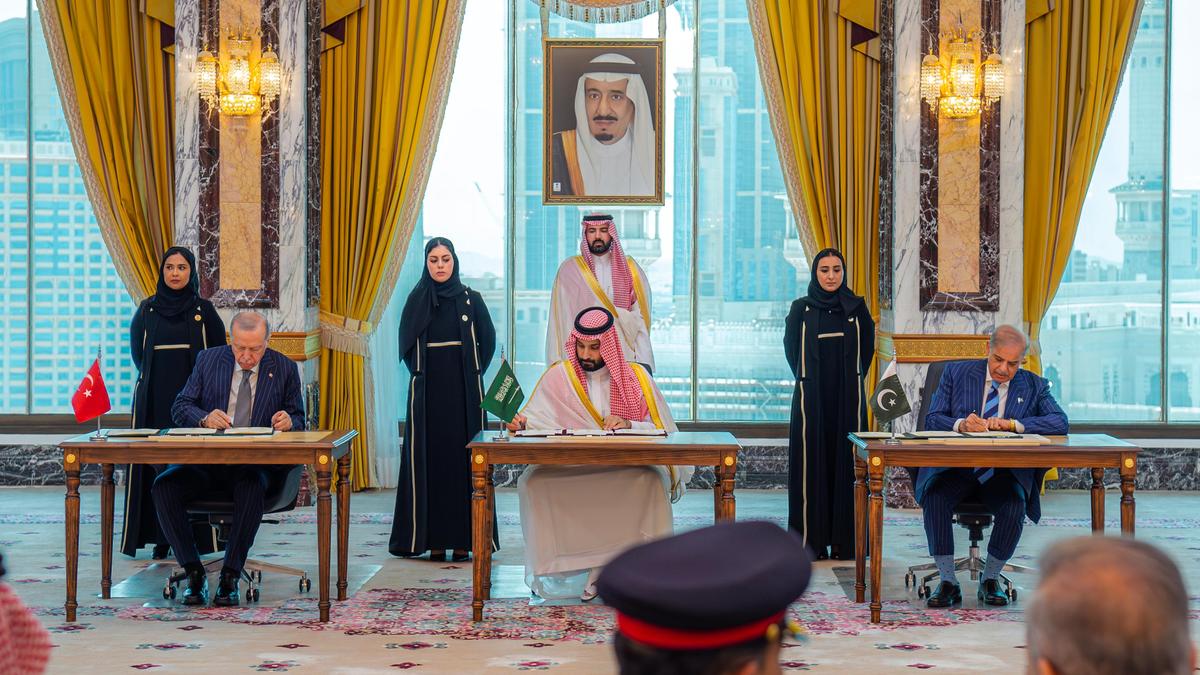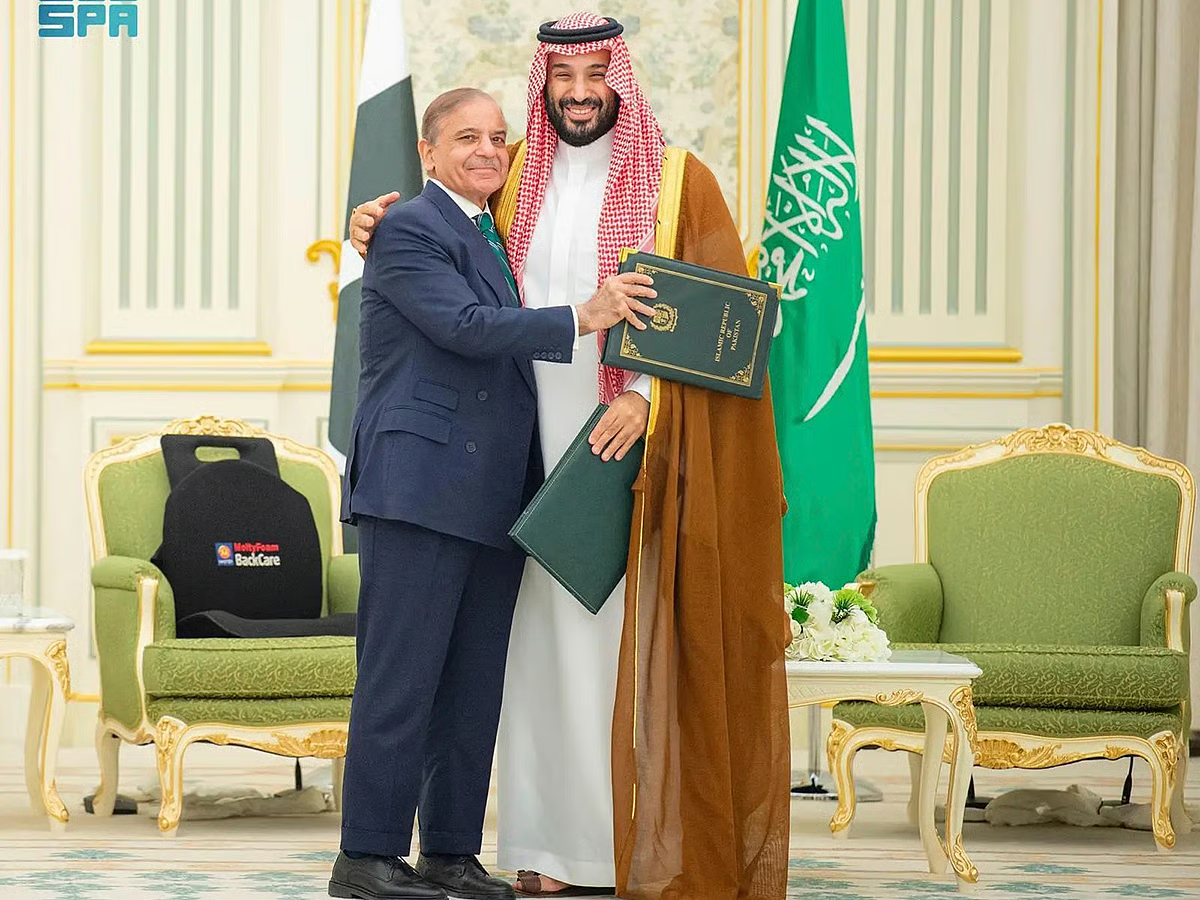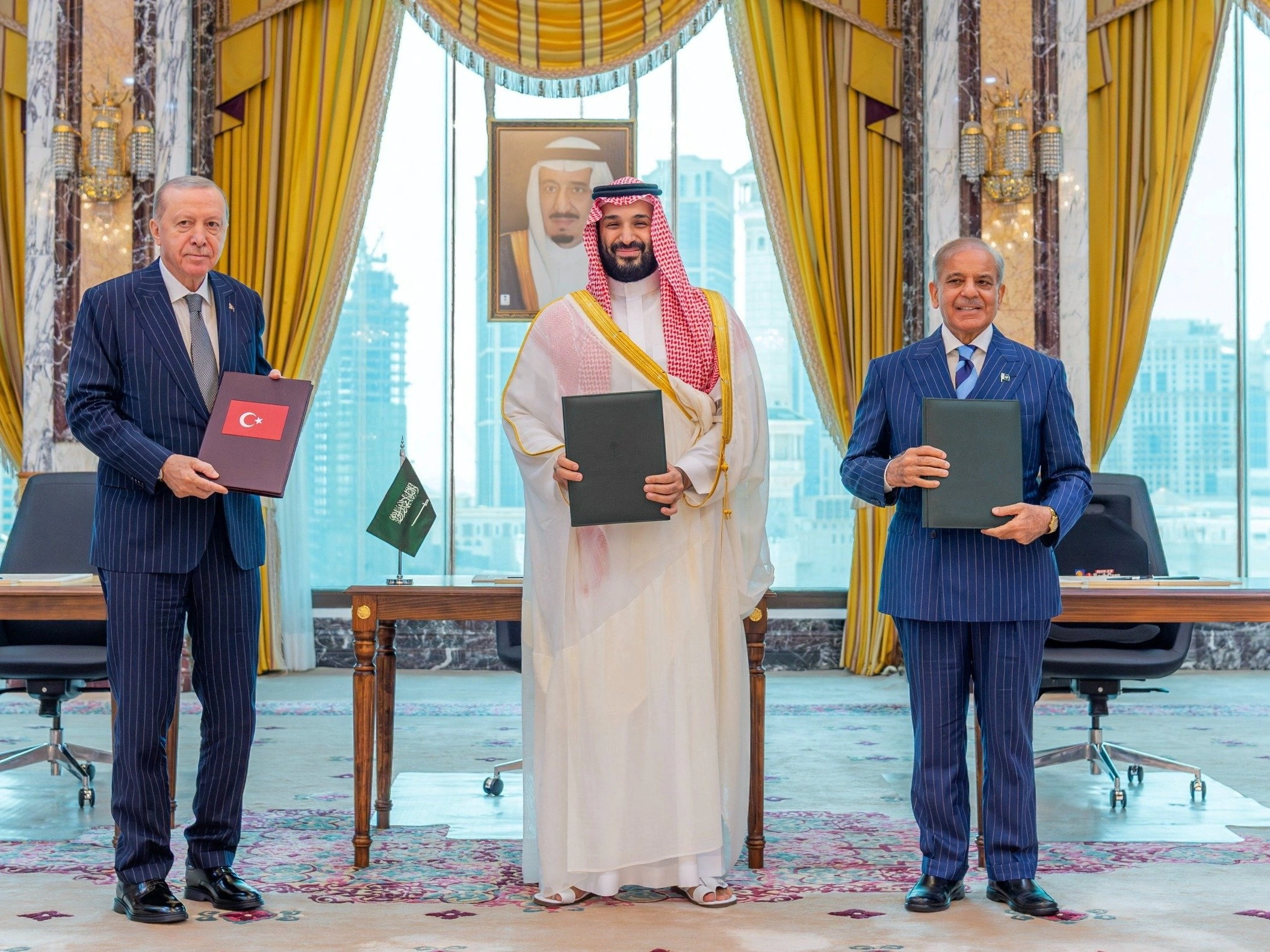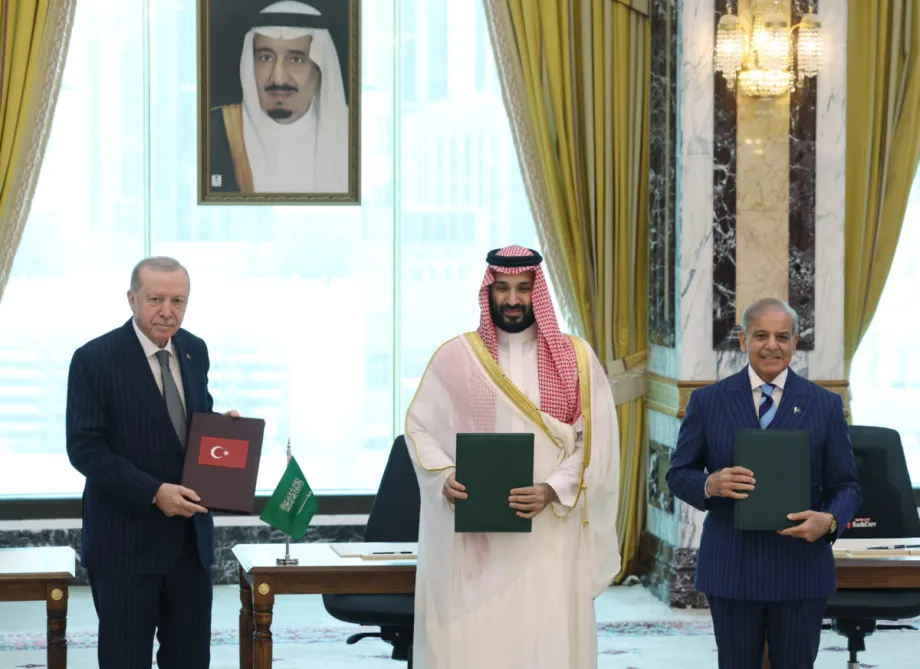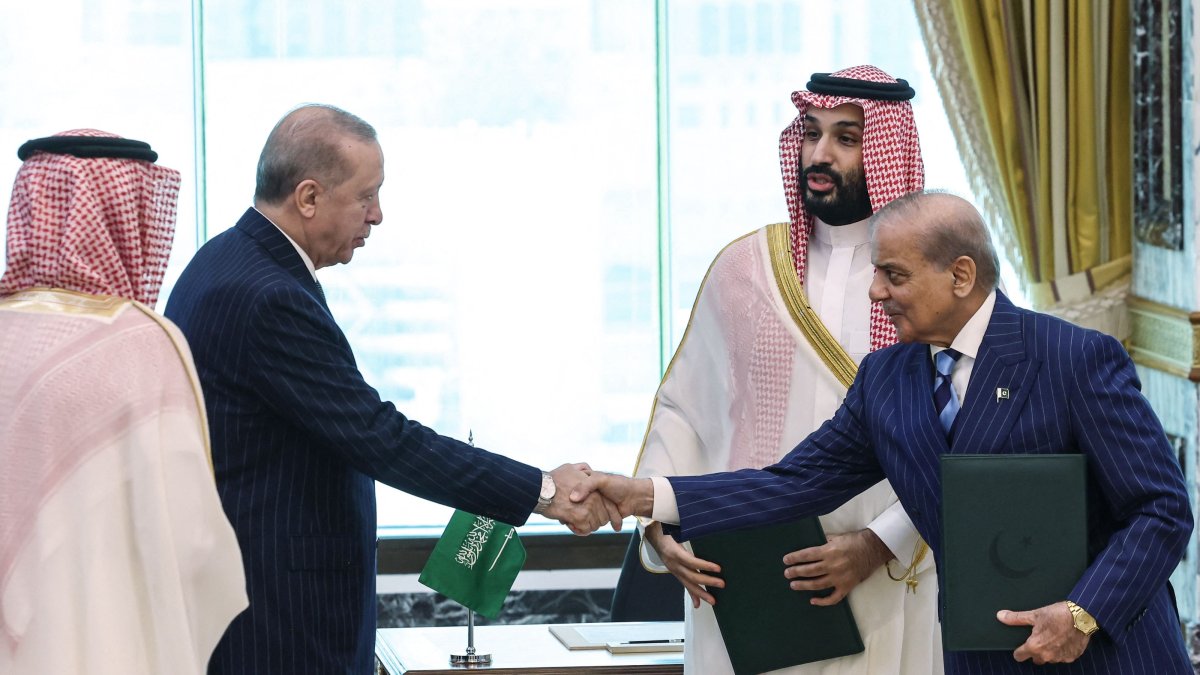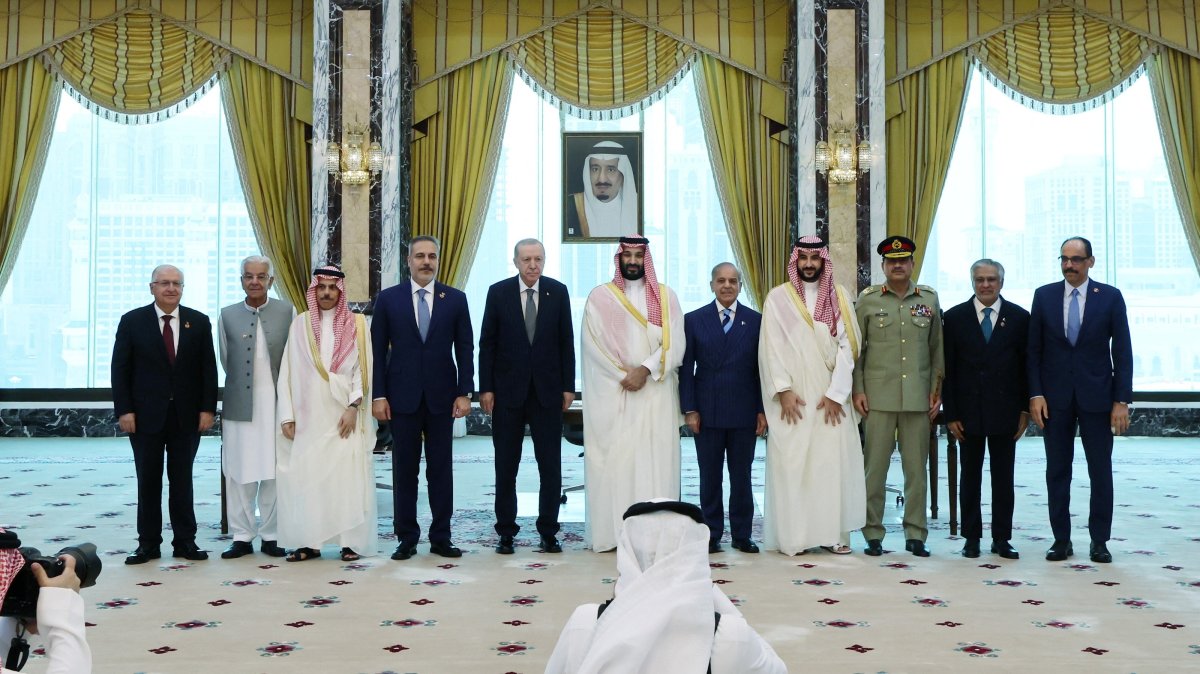
The Mecca Joint Defense Agreement between Türkiye, Saudi Arabia and Pakistan could mark an important turning point in the regional security architecture. By declaring that an armed attack against one party will be regarded as an attack against all three, the agreement goes beyond conventional defense cooperation and lays the foundation for collective deterrence.
Yet it should not be interpreted simply as a response to declining confidence in the United States, a balancing coalition against Iran and Israel, or an emerging new military bloc. Each explanation captures part of the regional context but misses the agreement’s broader significance. The Mecca Agreement represents an attempt by three middle powers to move from consuming externally provided security toward jointly producing it.
Its deeper logic lies in collective strategic autonomy: the capacity to preserve strategic choice, distribute security risks and mobilize complementary resources without placing the regional order under the control of a single external power. This does not mean that the three countries seek independence from existing alliances or share identical threat perceptions. Their cooperation rests on a more limited recognition: no one can manage the emerging security environment alone, while excessive dependence on a single security provider creates strategic vulnerability.