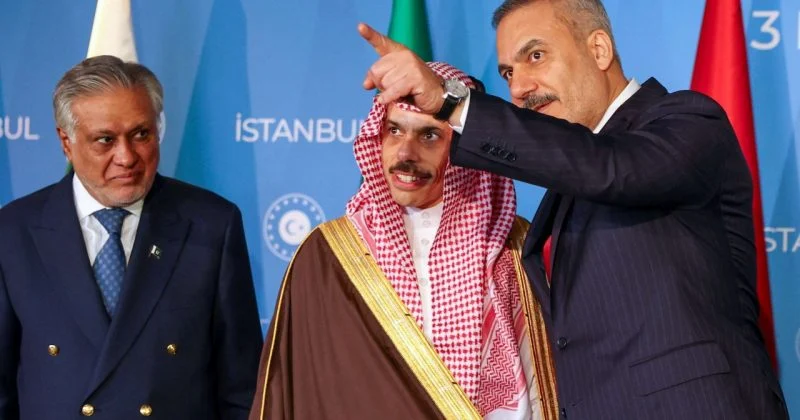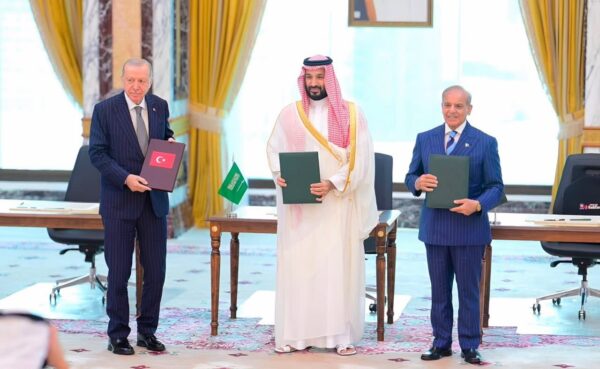
At the time of their exploratory trilateral talks in February, Turkiye, Saudi Arabia, and Pakistan had no formal defense commitment. It was unclear whether the discussions would produce much beyond political coordination. That has now changed.
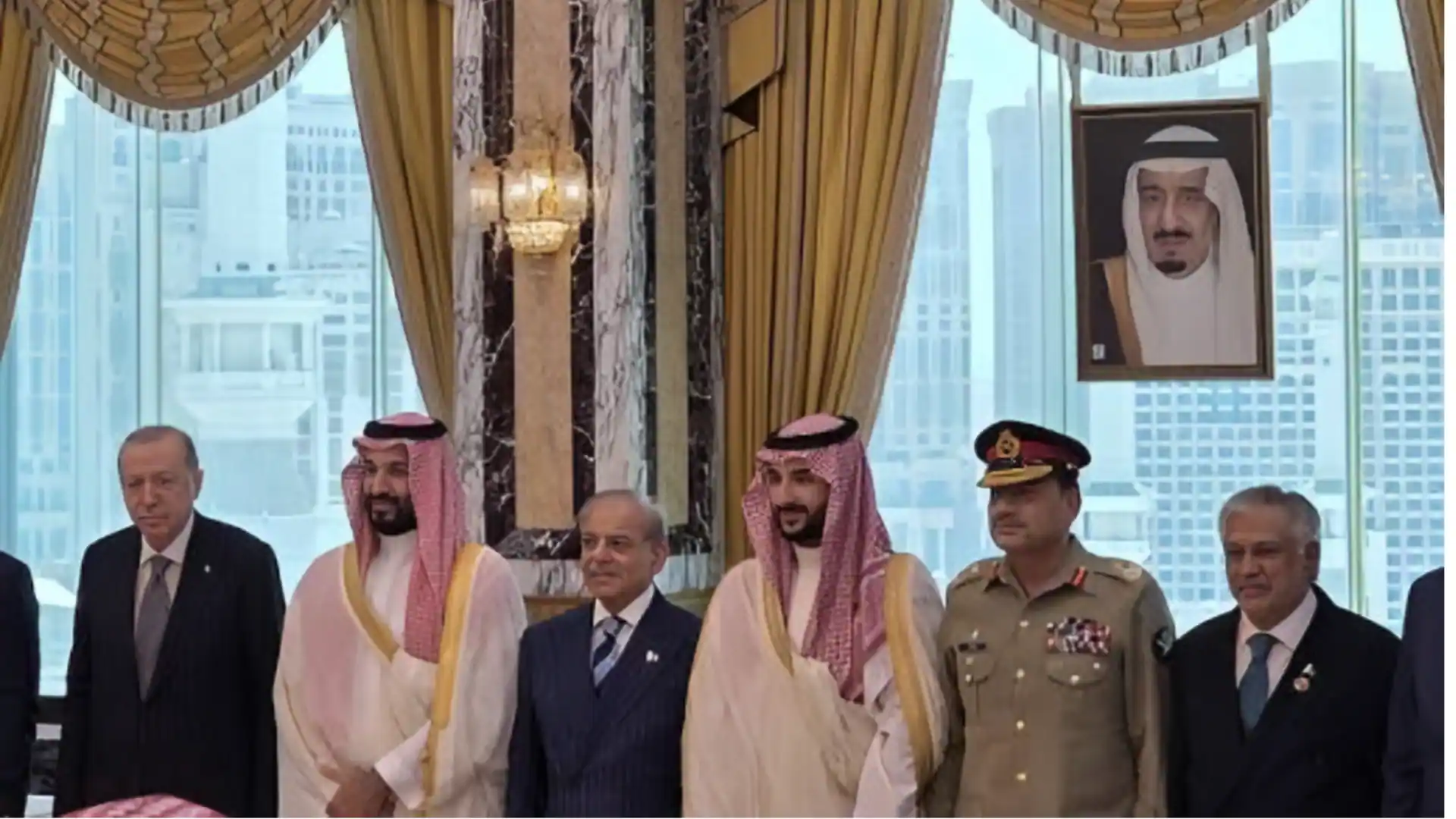
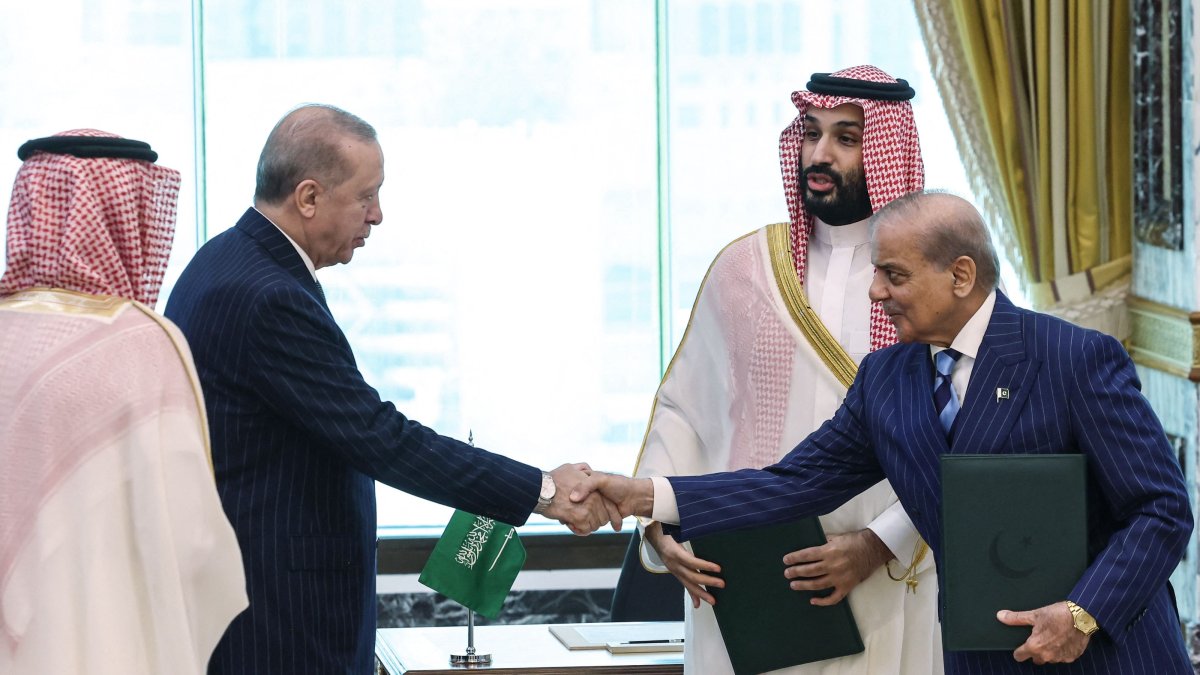
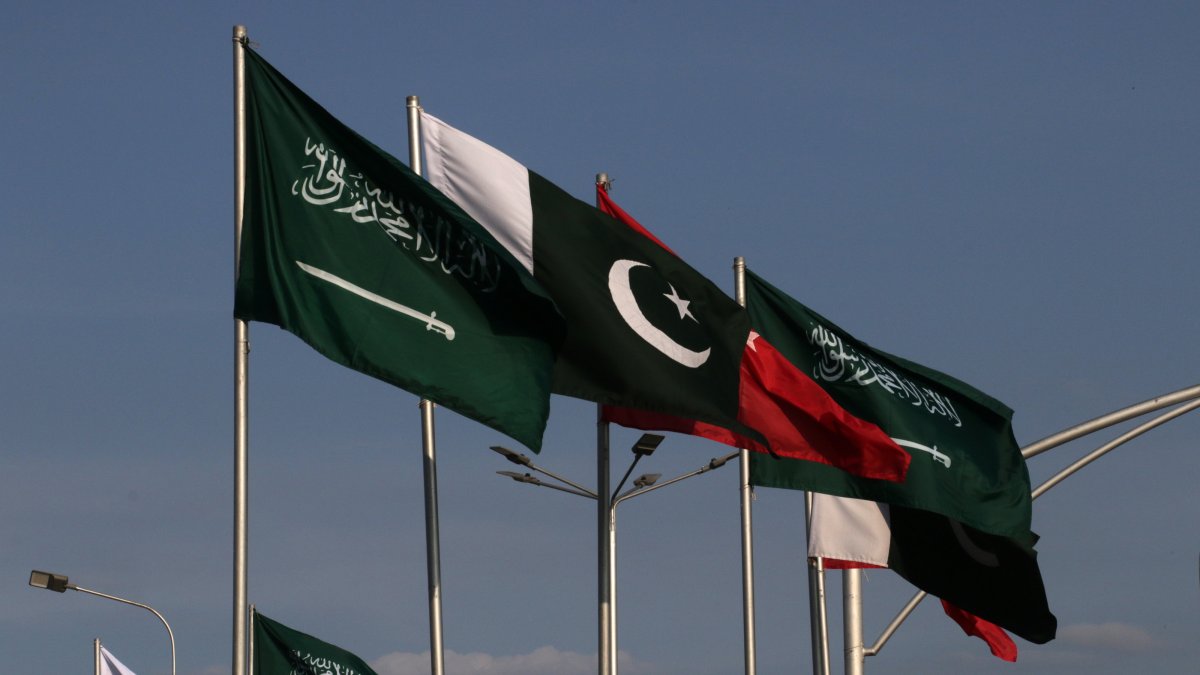
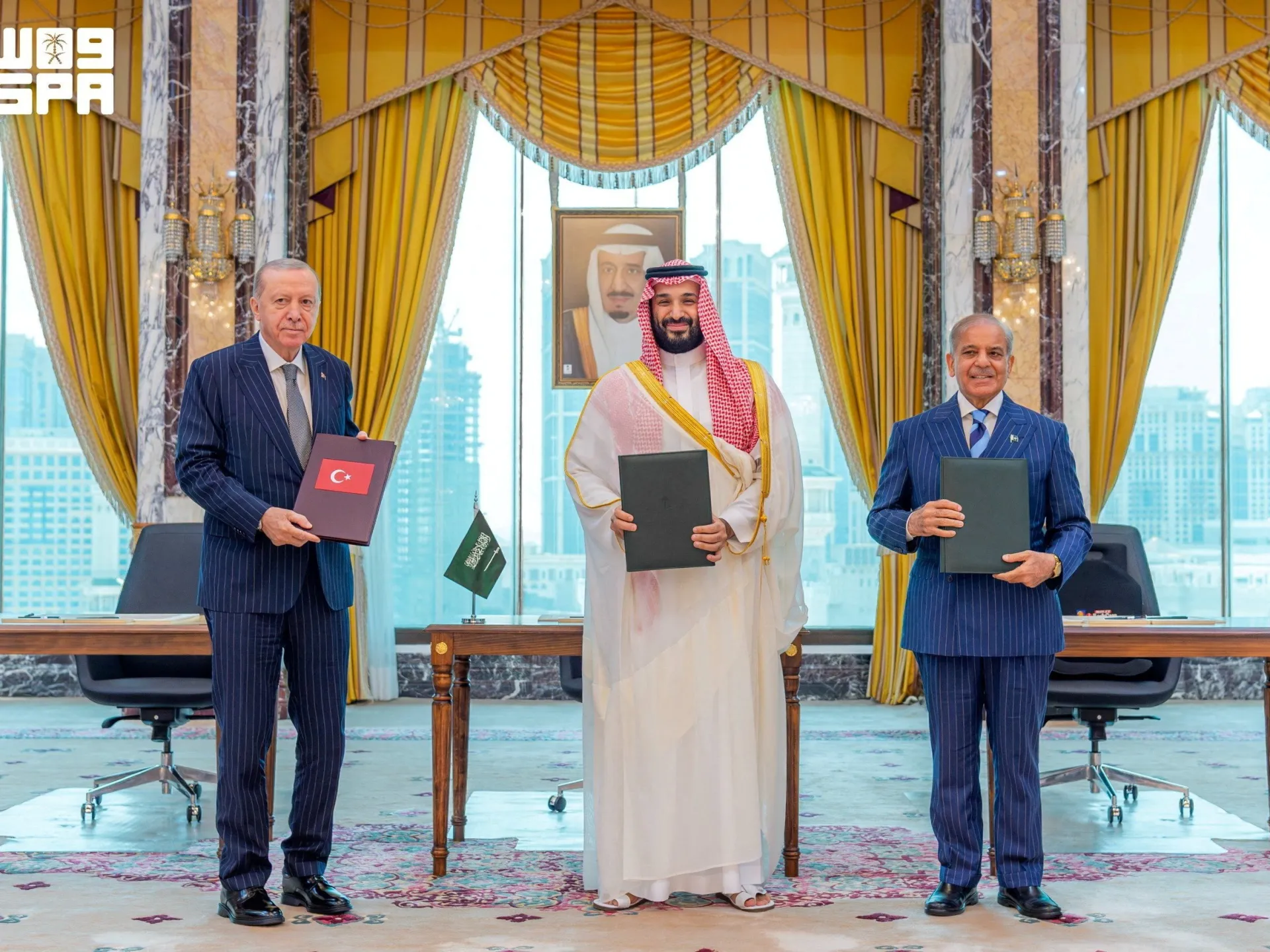
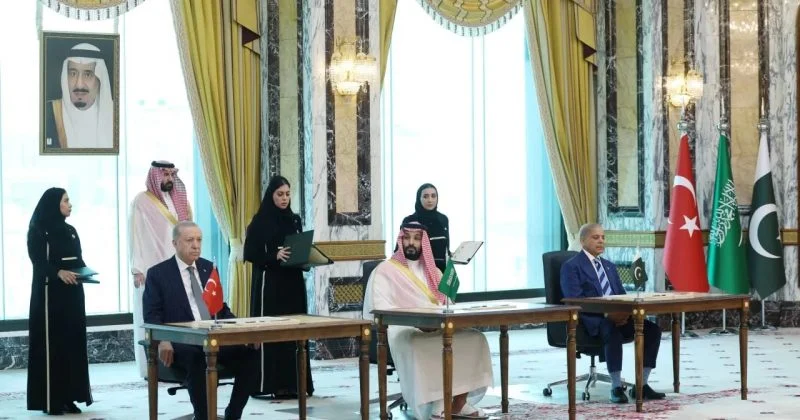
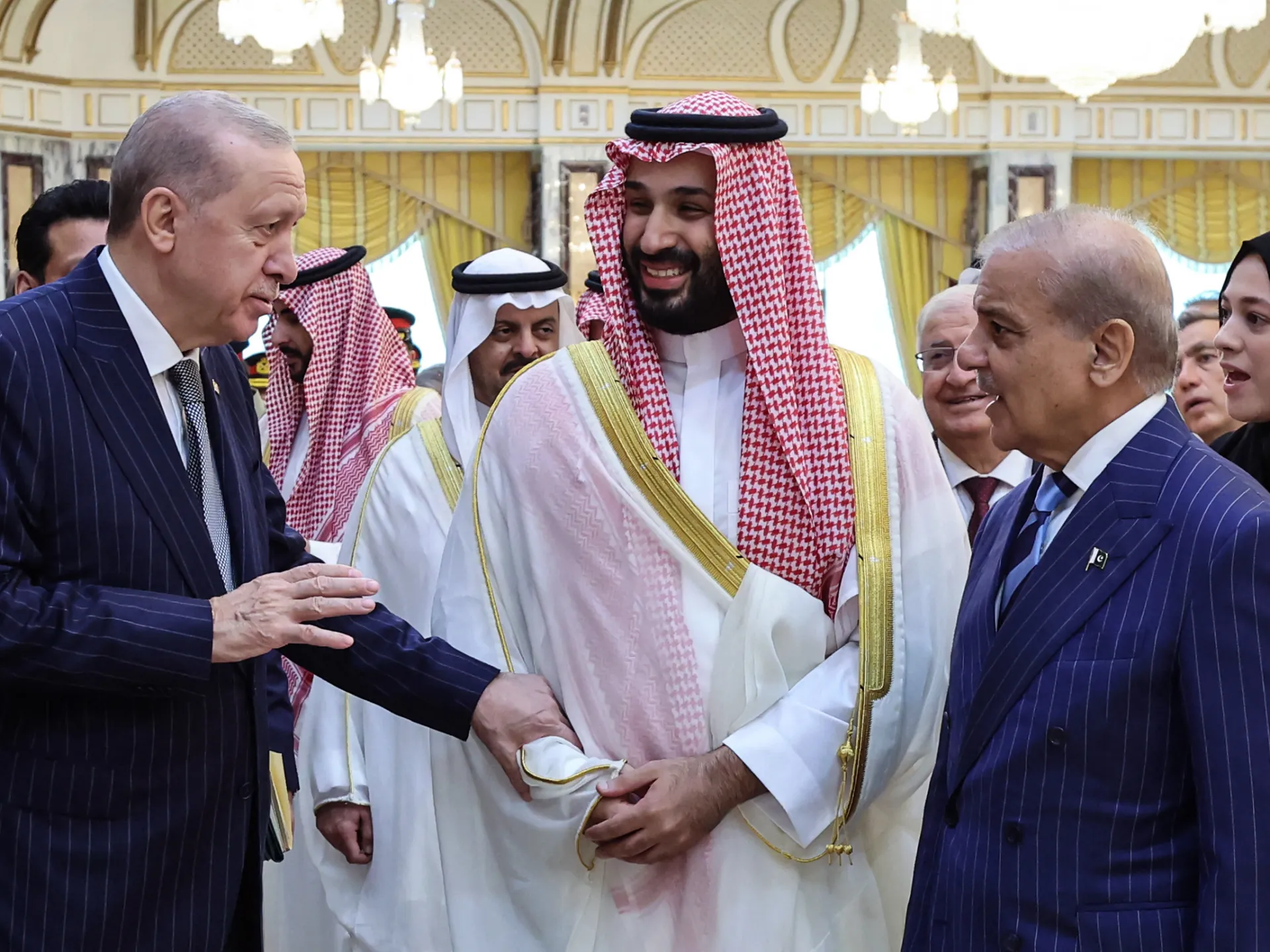
On August 7, the three governments signed the Mecca Joint Defense Agreement. Its main provision stipulates that an armed attack on one party will be regarded as an attack on all three. Yet the public account of the agreement leaves the resulting military obligations undefined. There is no disclosed procedure for deciding that an attack has triggered the pact, no announced geographical limit, and no public explanation of what assistance each country must provide.
The comparison with NATO’s Article 5 is useful, but only in a limited sense. Article 5 leaves each ally discretion over the action it considers necessary. NATO also has decades of military planning and cooperation behind it. Nothing comparable has yet been publicly disclosed for the Mecca pact.
Saudi Arabia has made similar attempts before. The Islamic Military Counter Terrorism Coalition, announced in 2015, eventually brought together 41 states under a Saudi-led structure. A former Pakistani army chief, Raheel Sharif, became its military commander. Participation still depended on each country’s own decisions, and member sovereignty was explicitly preserved. This history makes the “Muslim NATO” label for the Mecca pact premature. Mecca has far fewer members, but its mutual-defense pledge does go much further.