Get the latest news and updates from Dawn
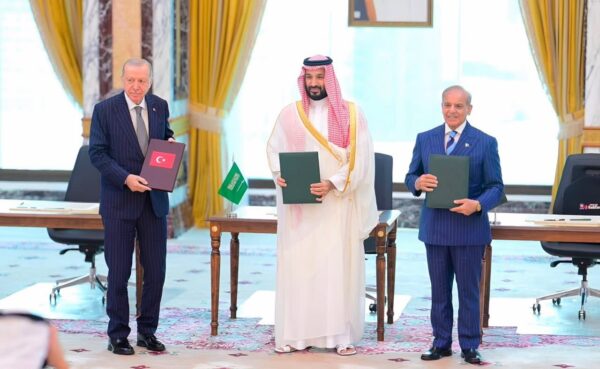
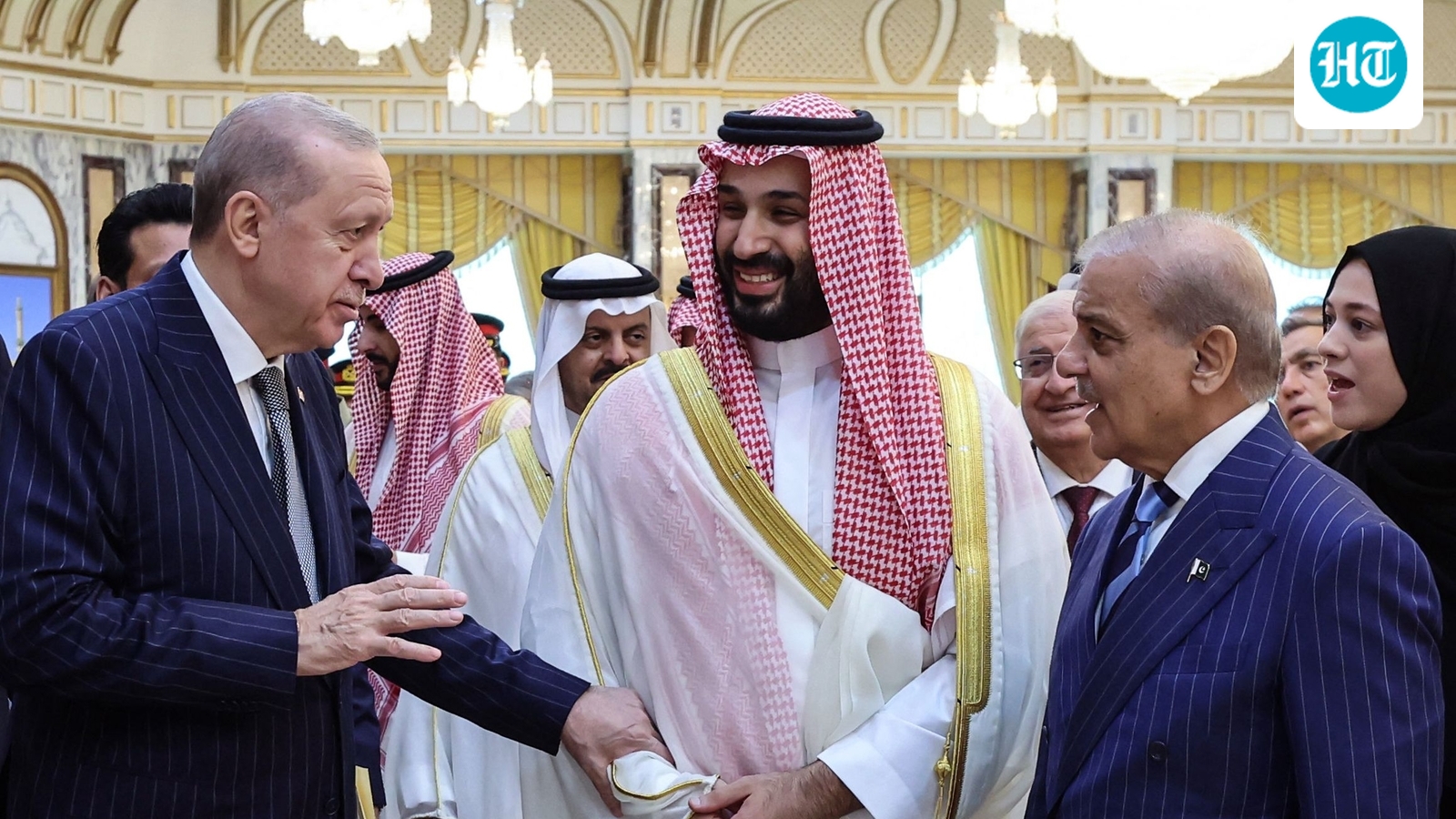
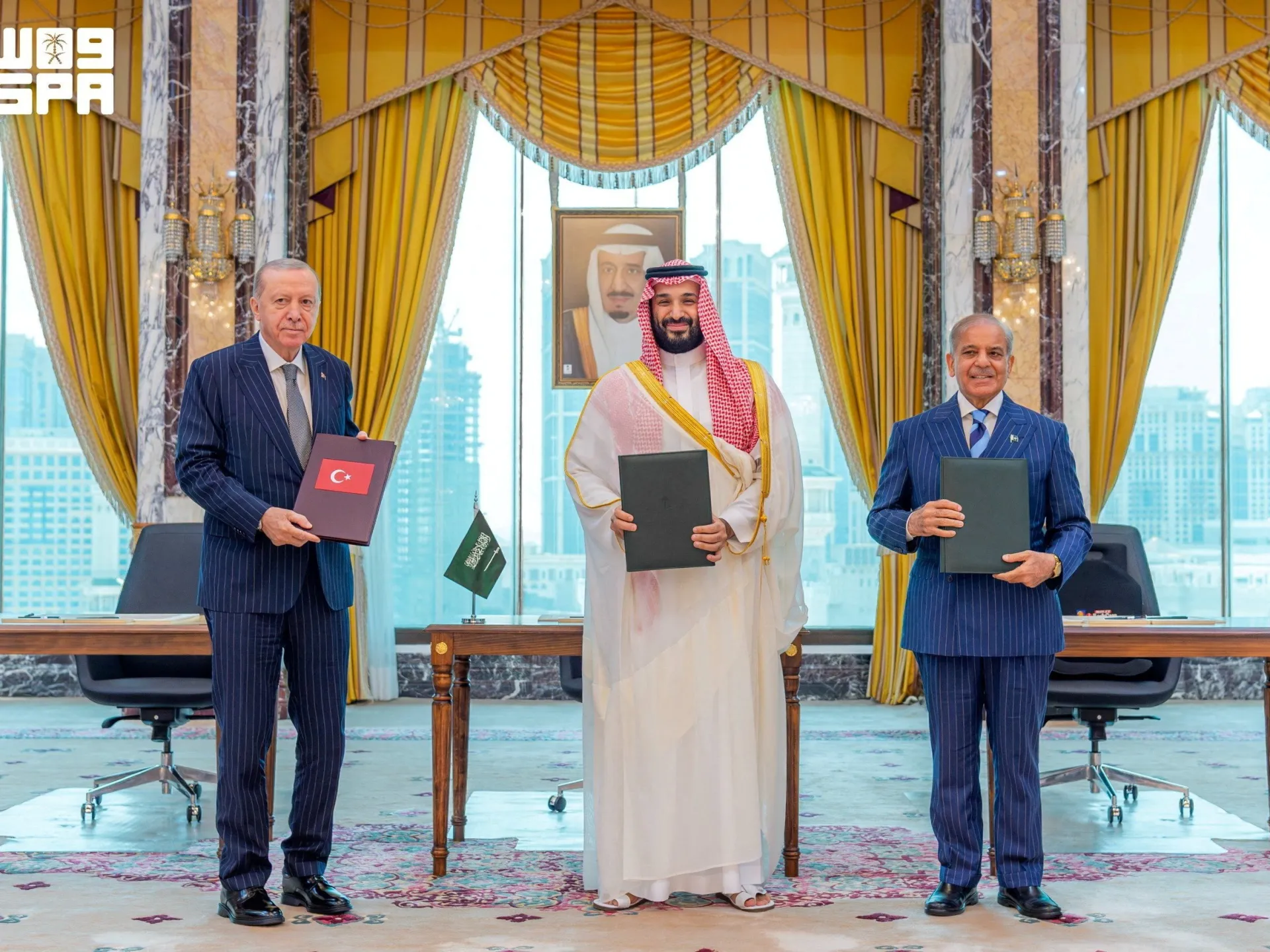
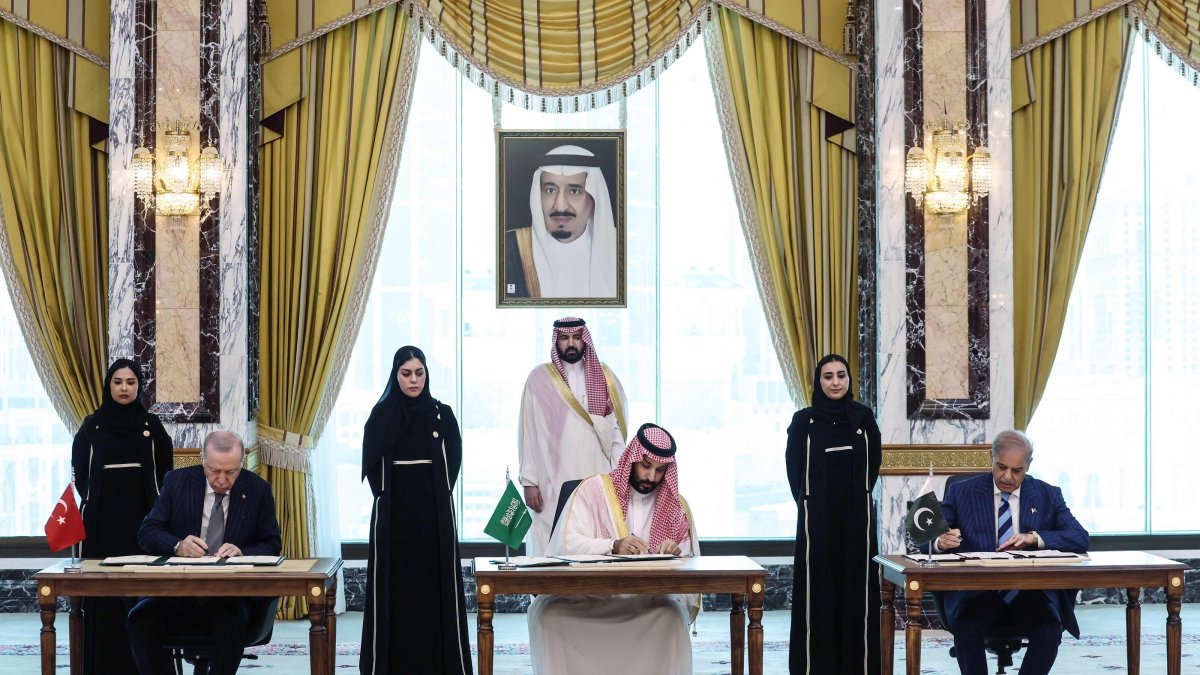
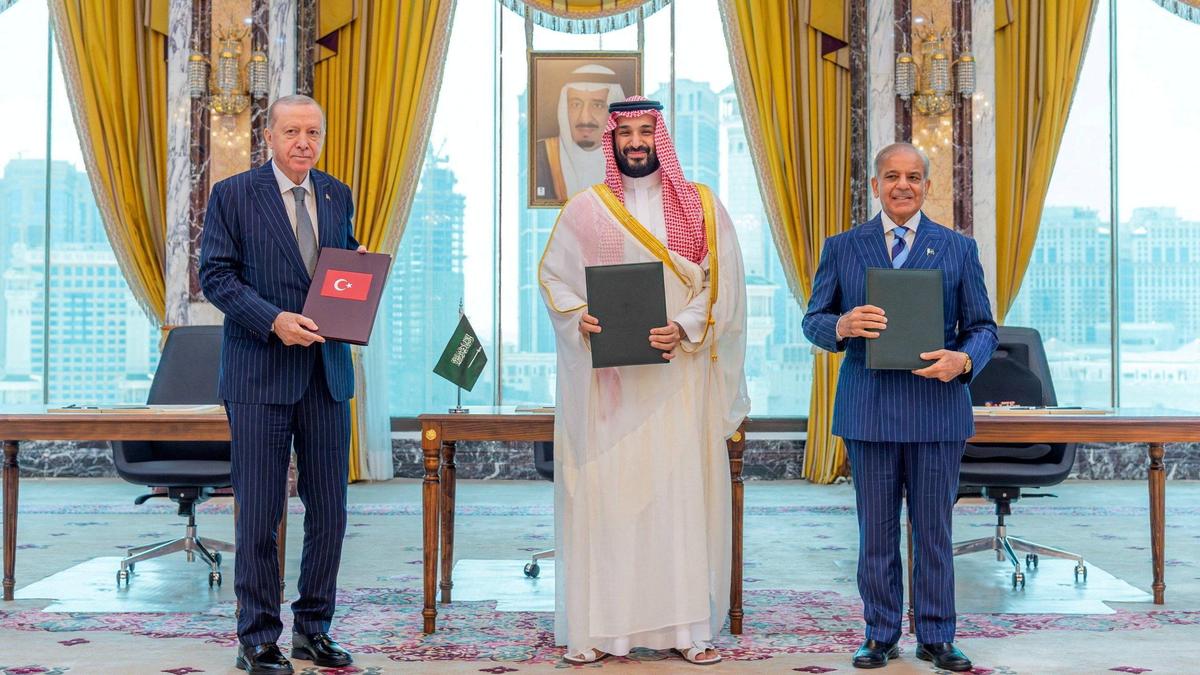
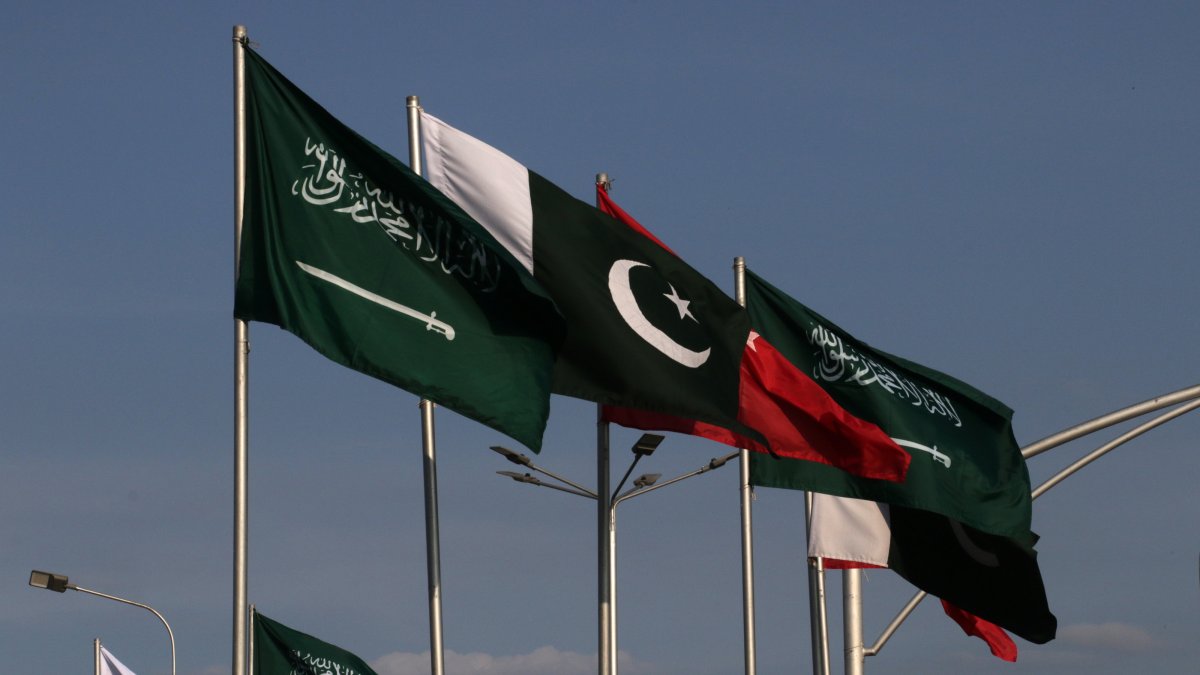
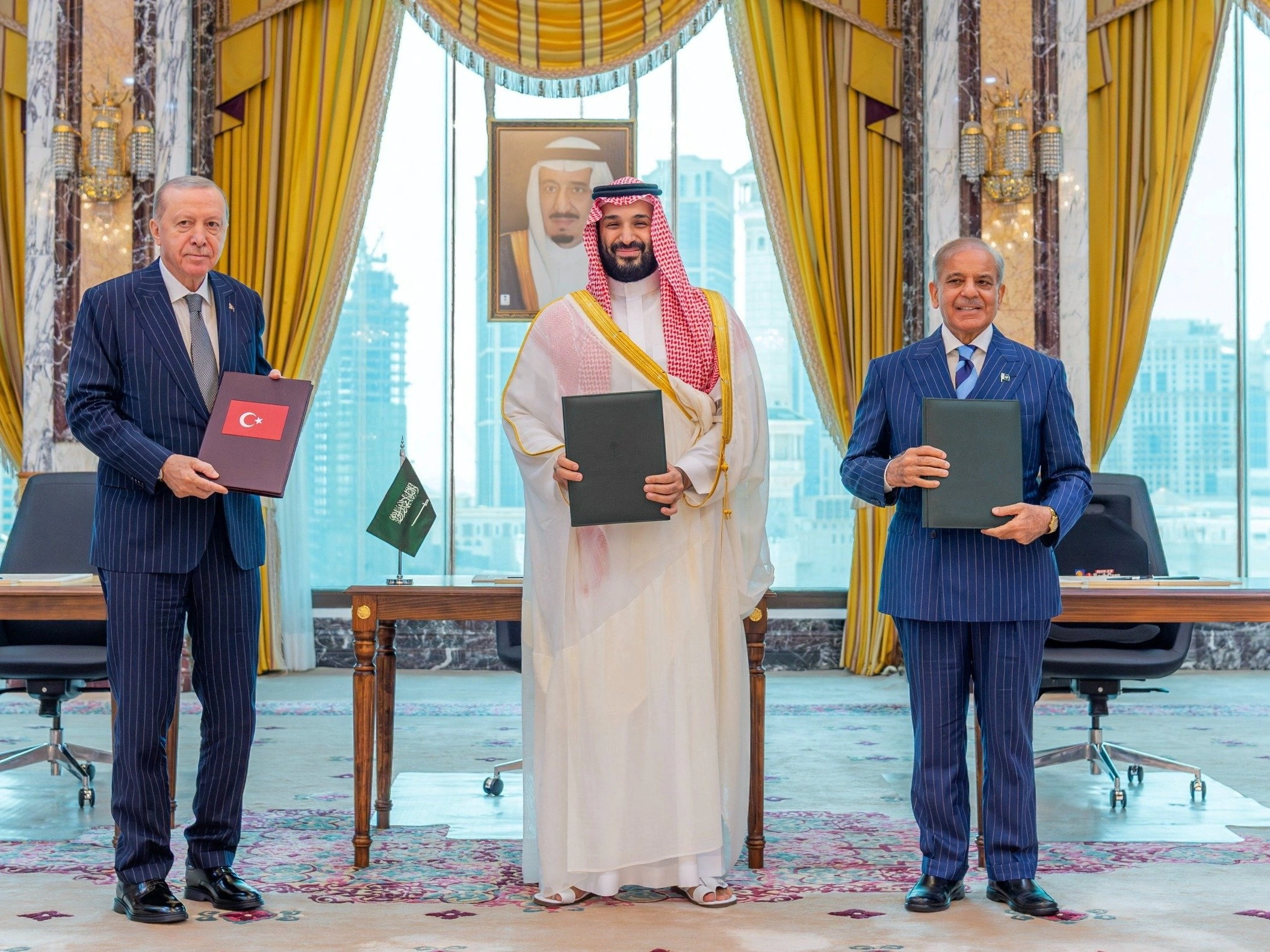
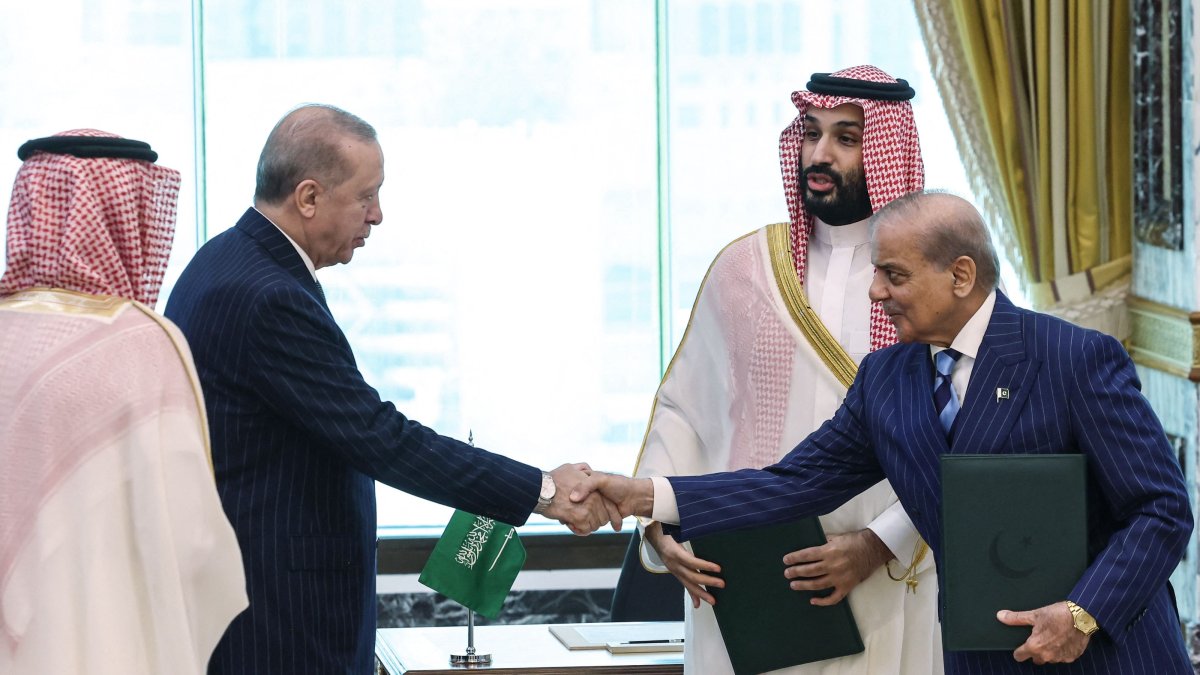
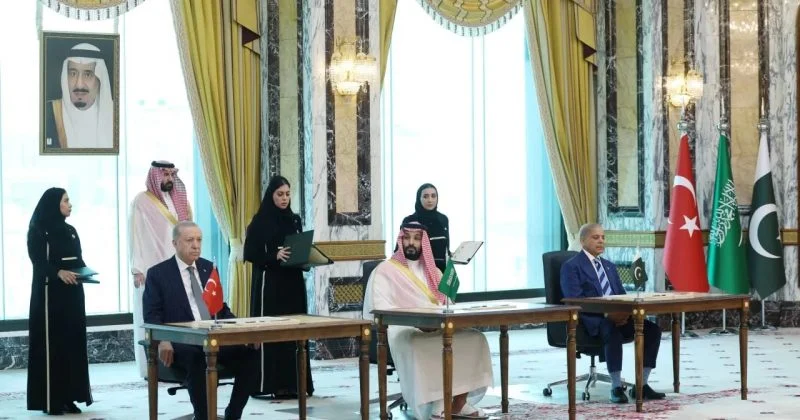
The Mecca Joint Defence Agreement, signed on August 7, 2026, by Saudi Arabia, Turkey, and Pakistan, represents a watershed moment in the evolving security order of the Middle East. By affirming the collective defense principle that an armed attack against one state will be treated as an attack against all three, the pact has introduced a new bout of debate on the future of the regional order in the Middle East. Early commentary has interpreted the agreement as a departure from the U.S.-led security order and a formal arrival of a “Muslim NATO,” driven by the integration of the Muslim world’s most politically influential and militarily capable states. Rather than signaling a complete geopolitical rupture, however, the agreement represents a pragmatic attempt by regional and regionally adjacent states to hedge against growing strategic uncertainty.
From dependence towards regional self-help
For now, the U.S. remains central to the regional security order across the Middle East. Its forward military bases, integrated air defense networks, real-time intelligence capabilities, and logistical depth cannot be replaced by any other great power. Even the three signatories to the Mecca Agreement maintain vital security ties with Washington: Saudi Arabia remains dependent on the American defense technology and seeks a civil nuclear deal with the U.S.; Turkey is a NATO member hosting U.S. nuclear weapons on its territory; and Pakistan retains long-standing military cooperation with the U.S., while coordinating closely with the U.S. Central Command across Middle East and Central Asia.