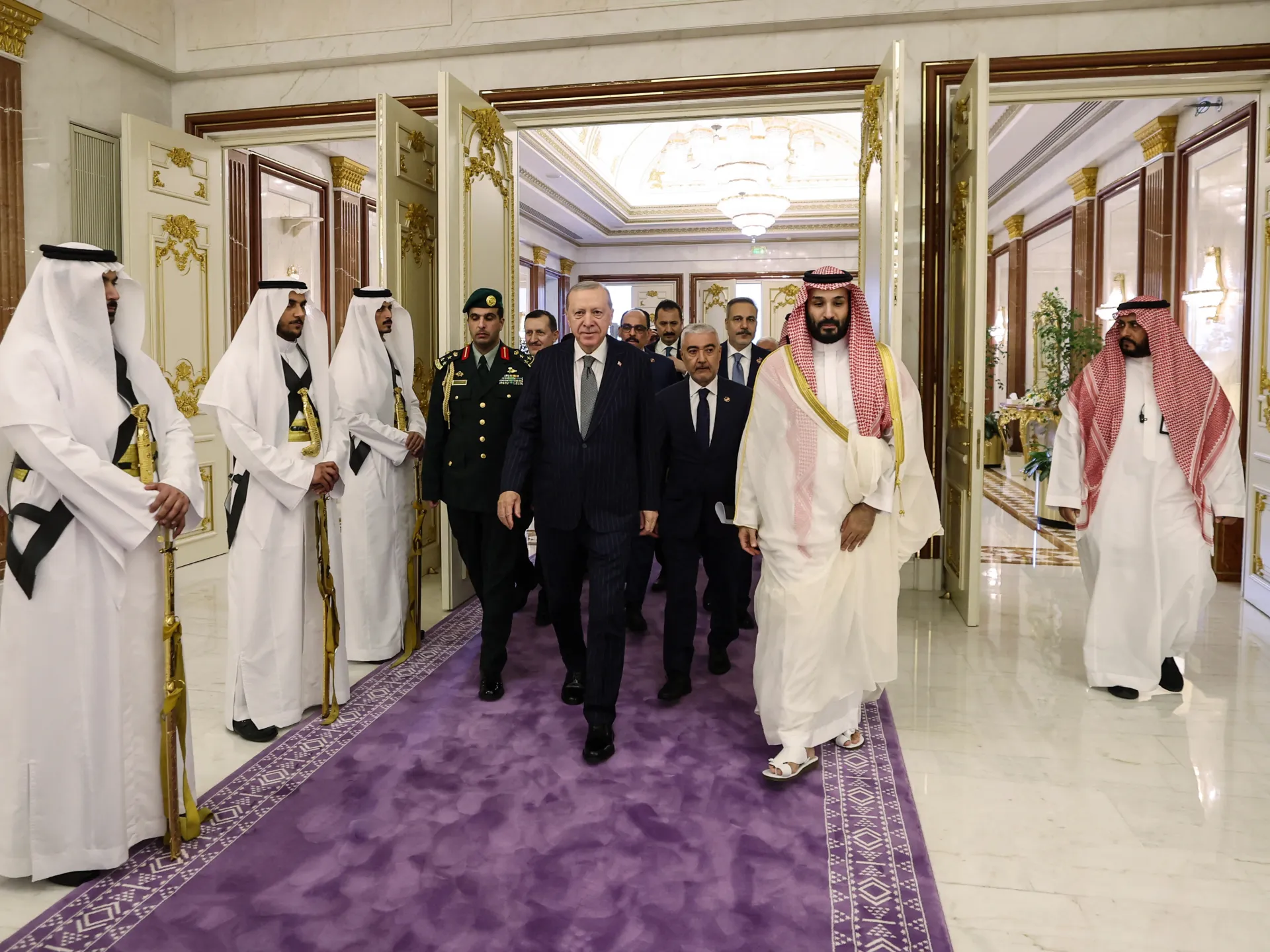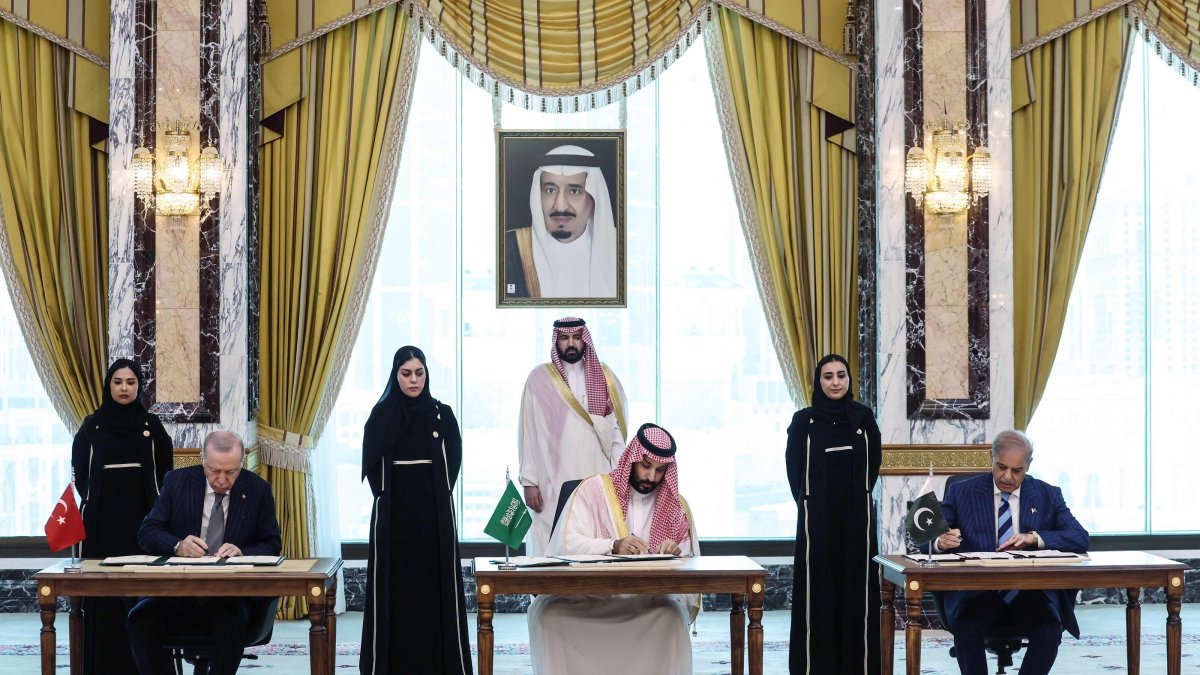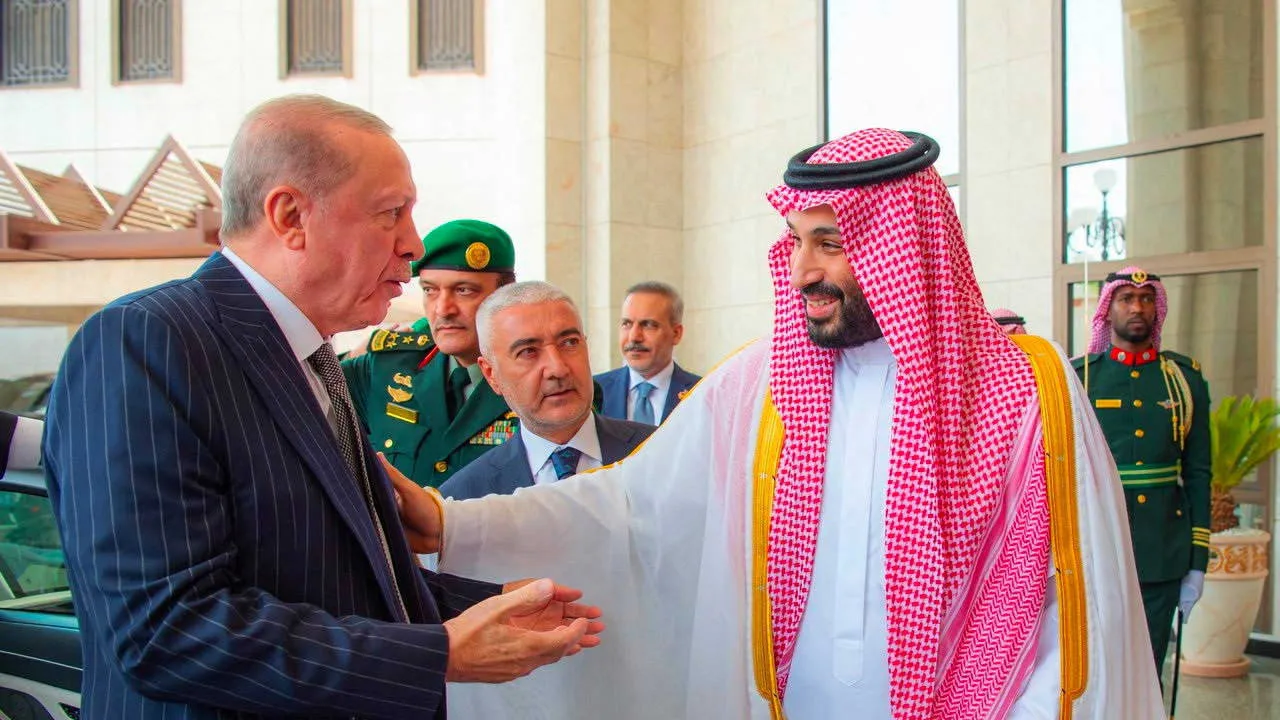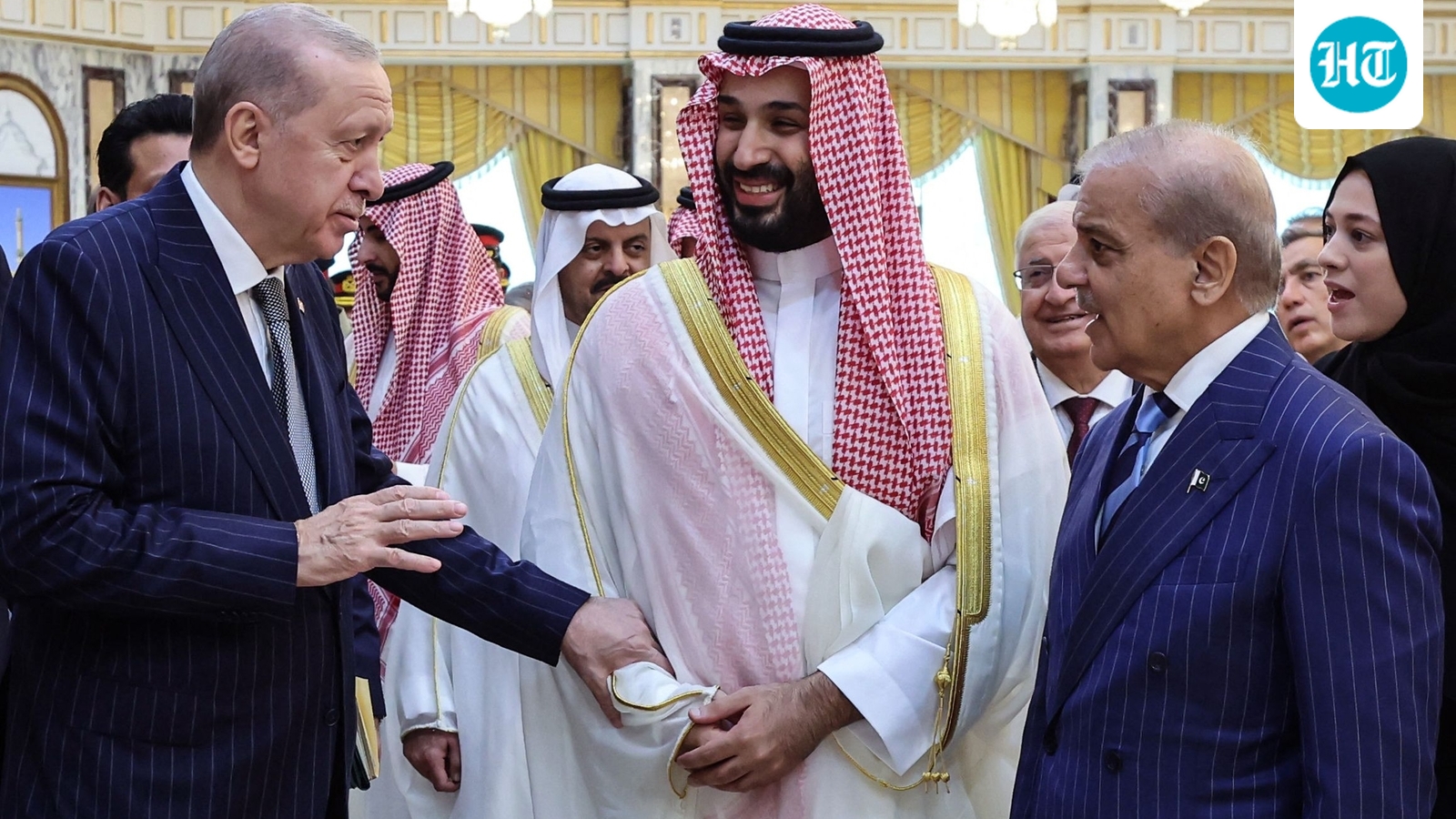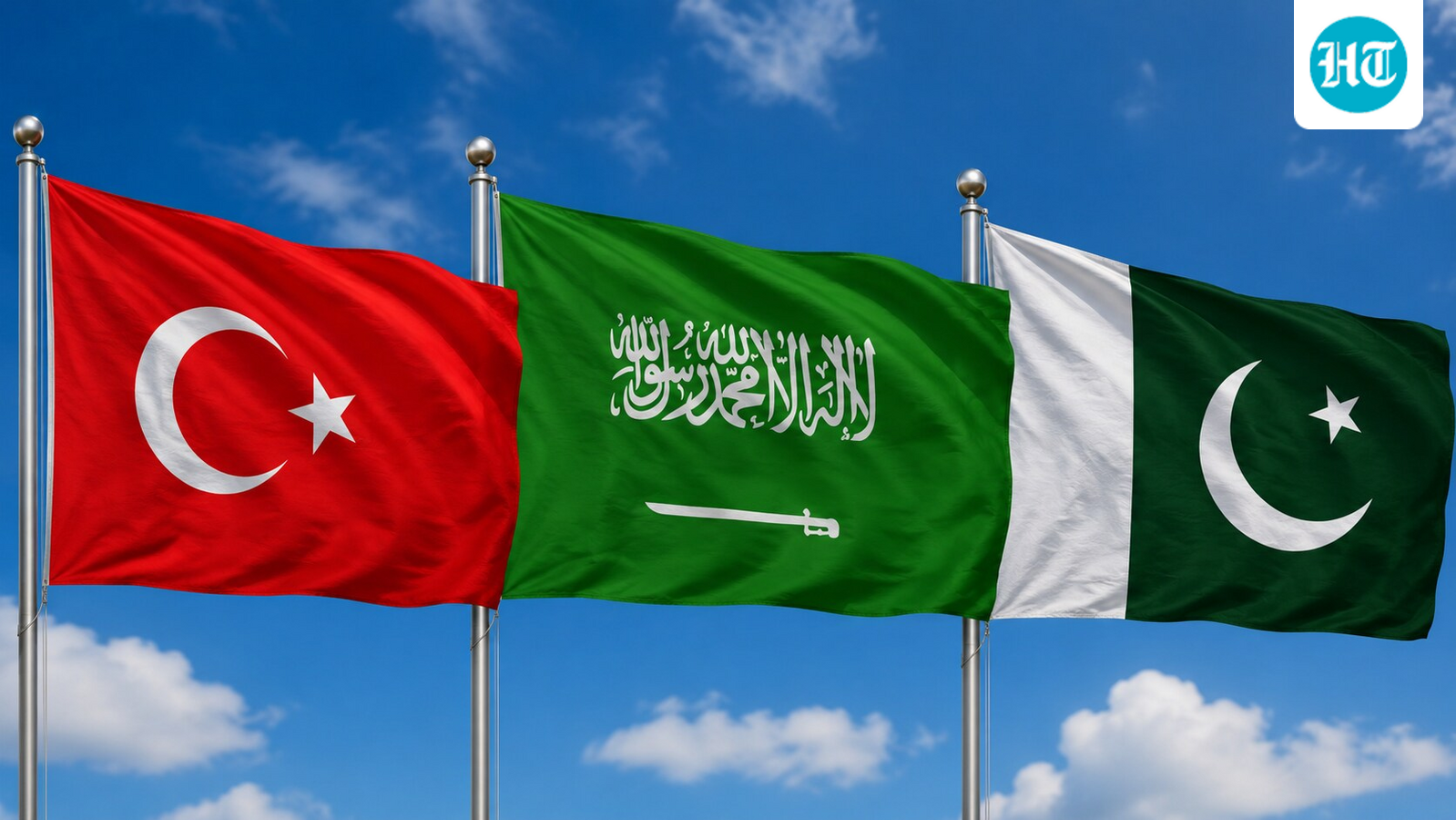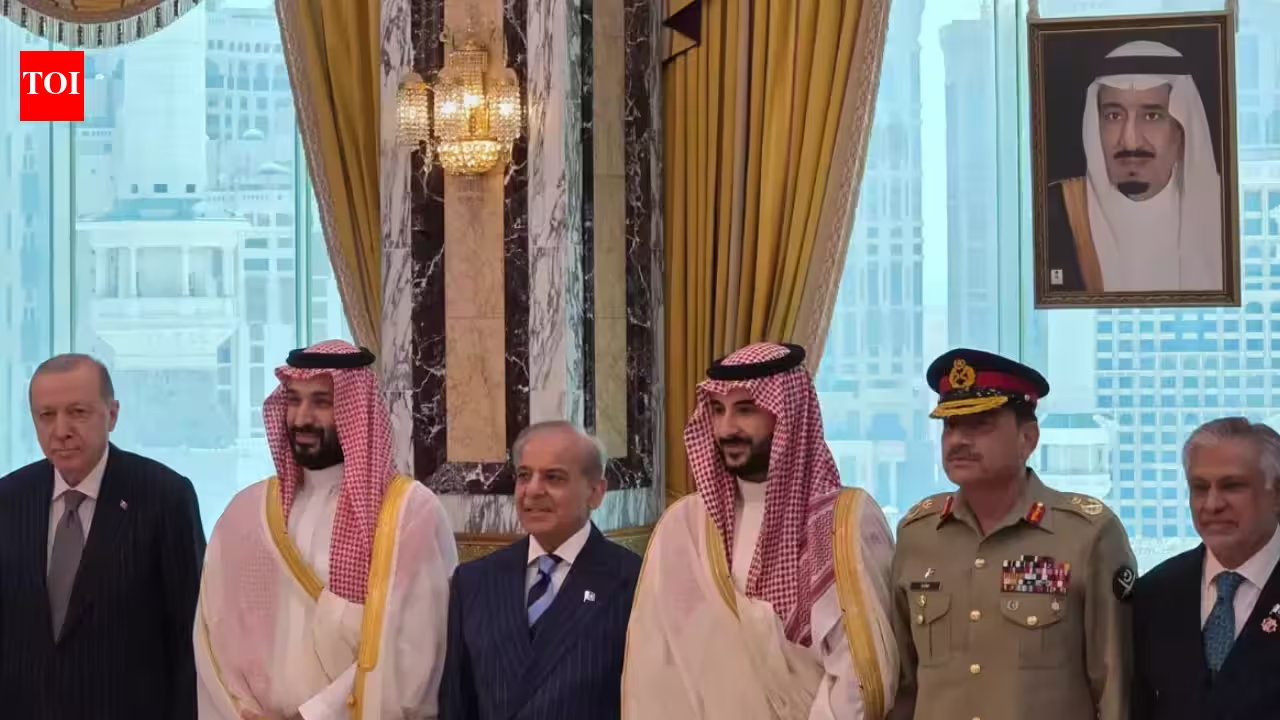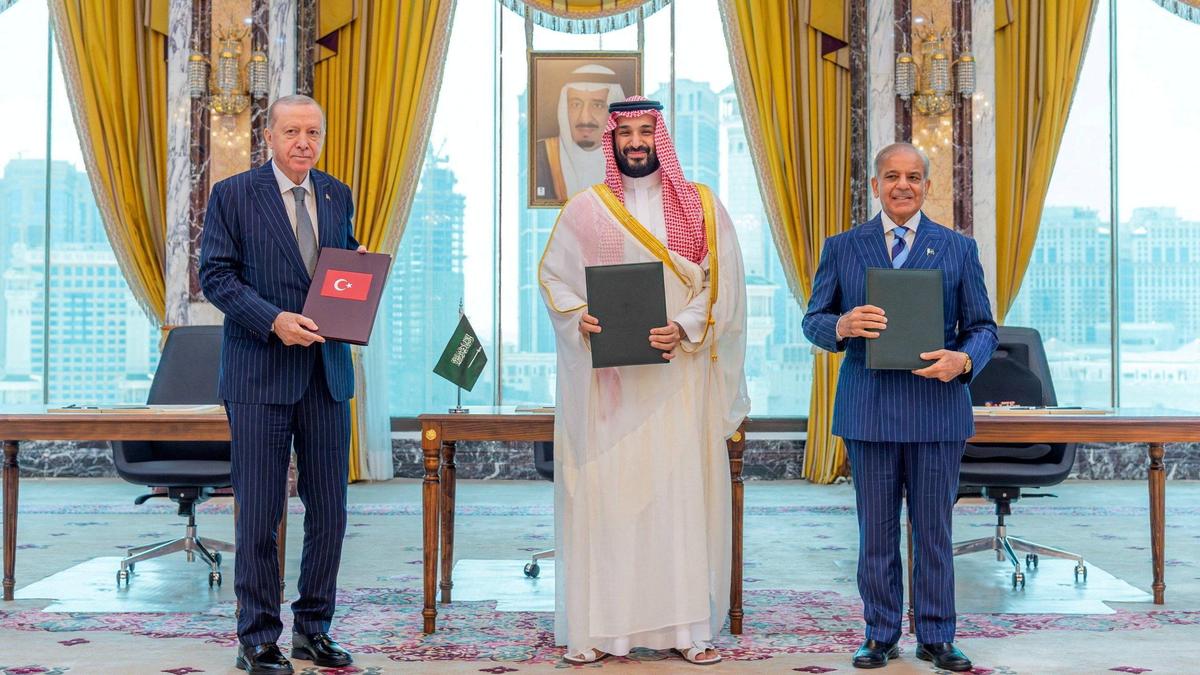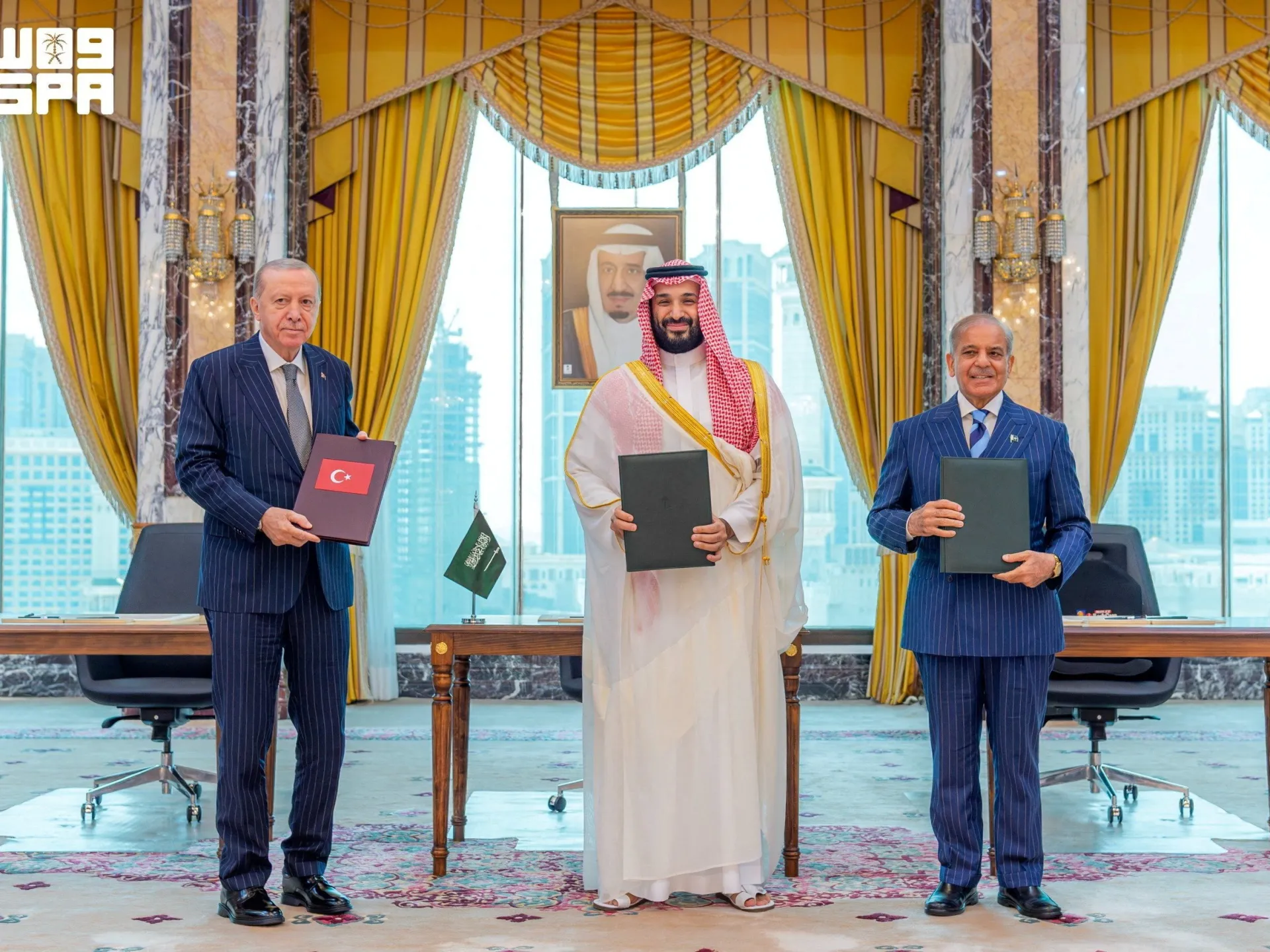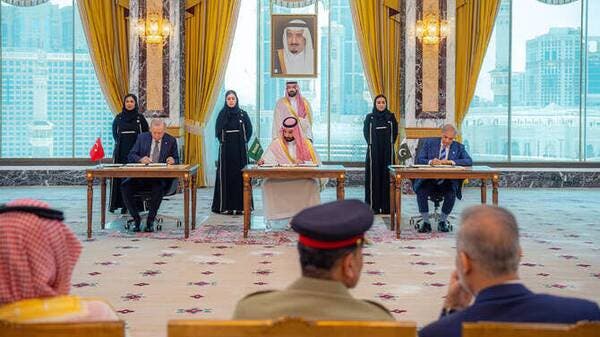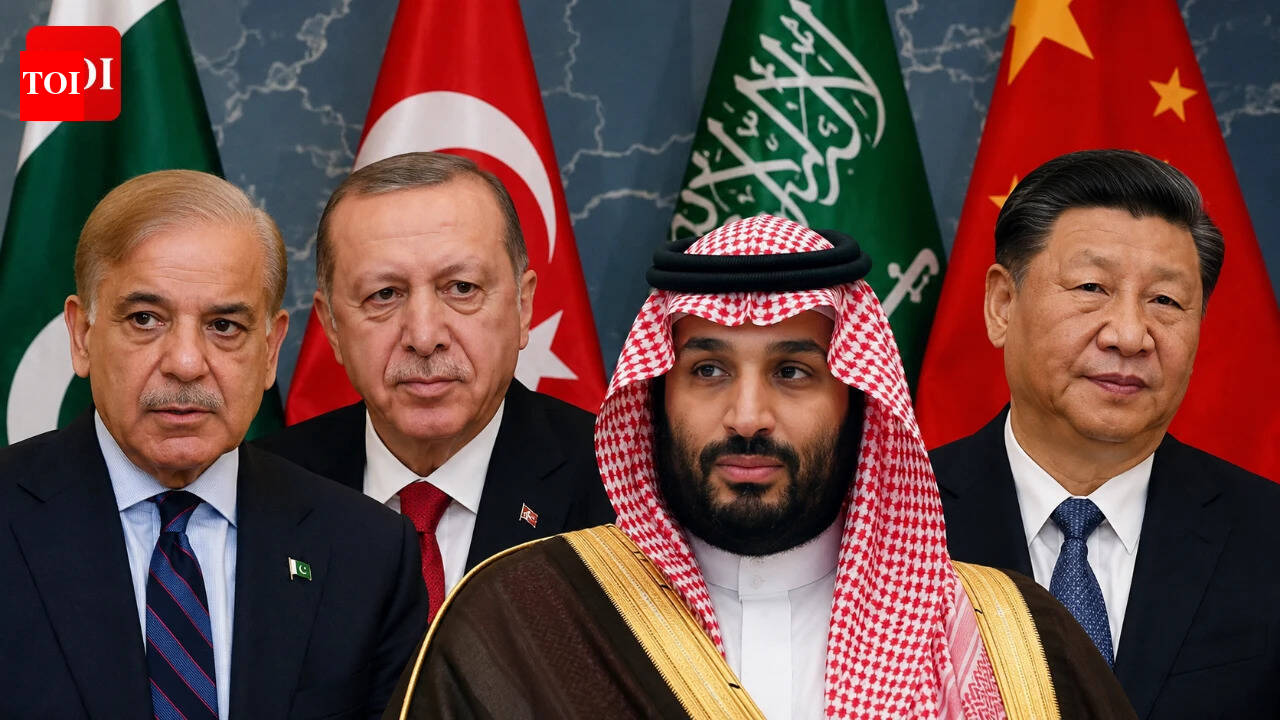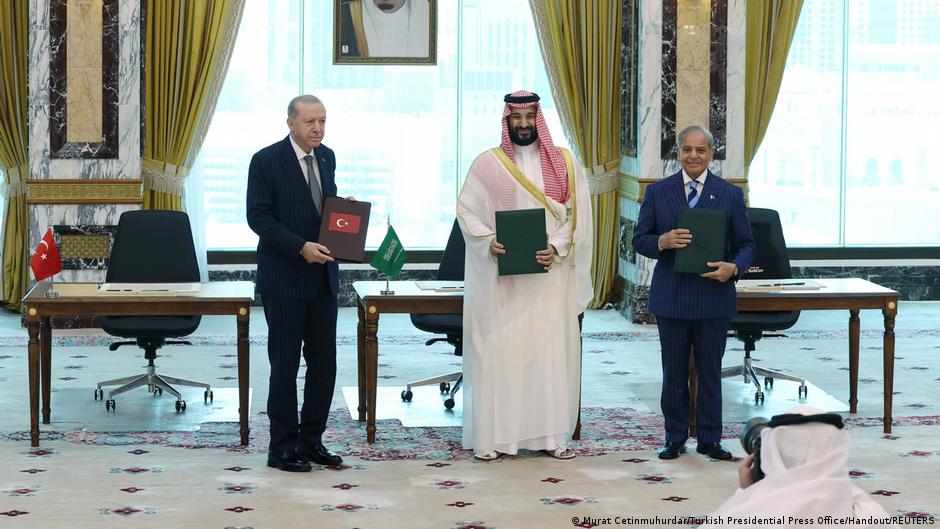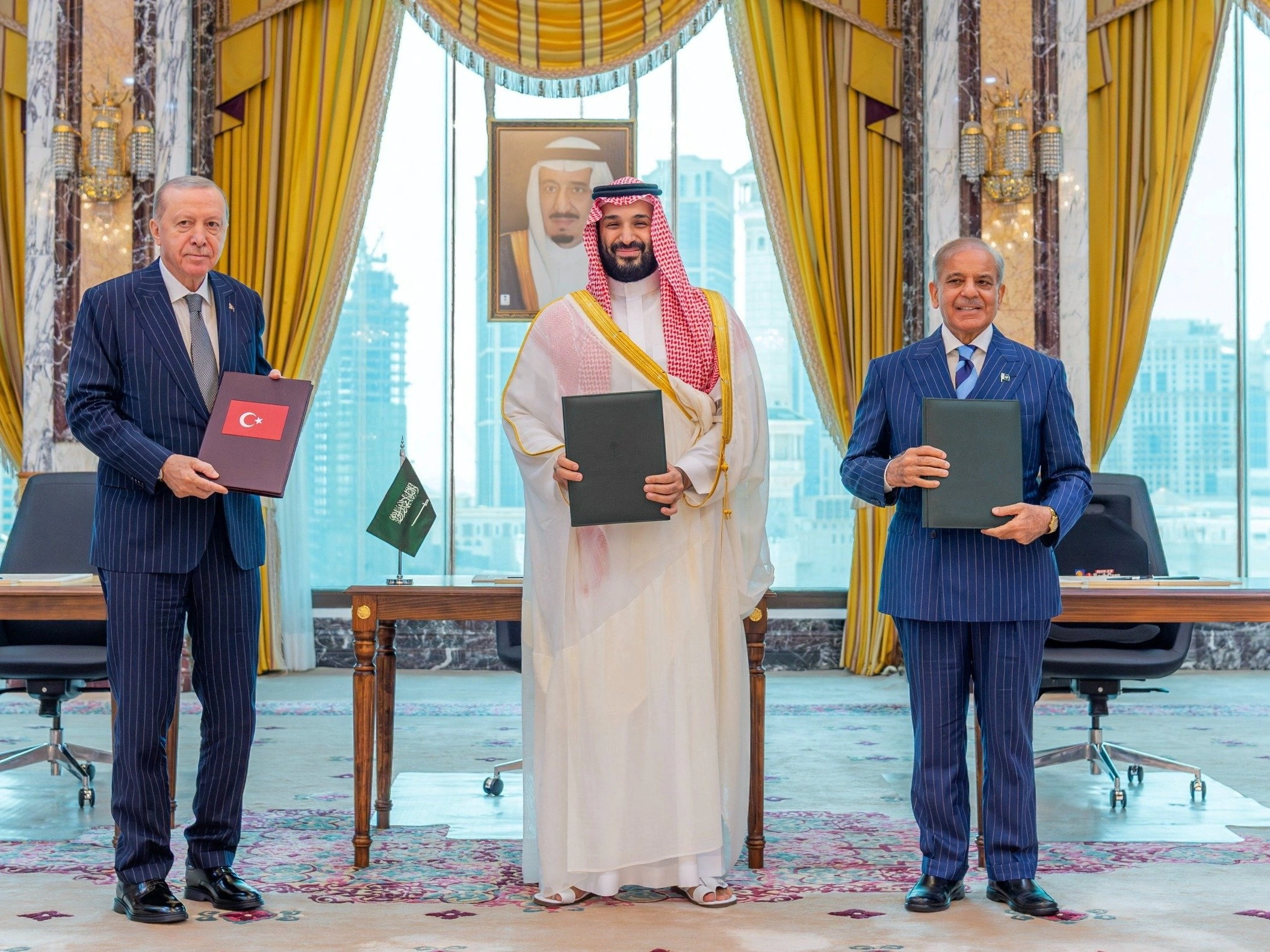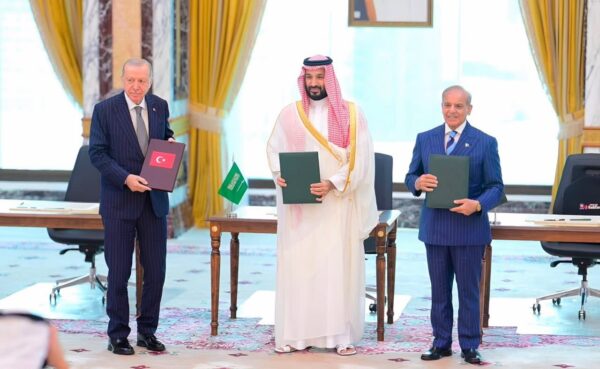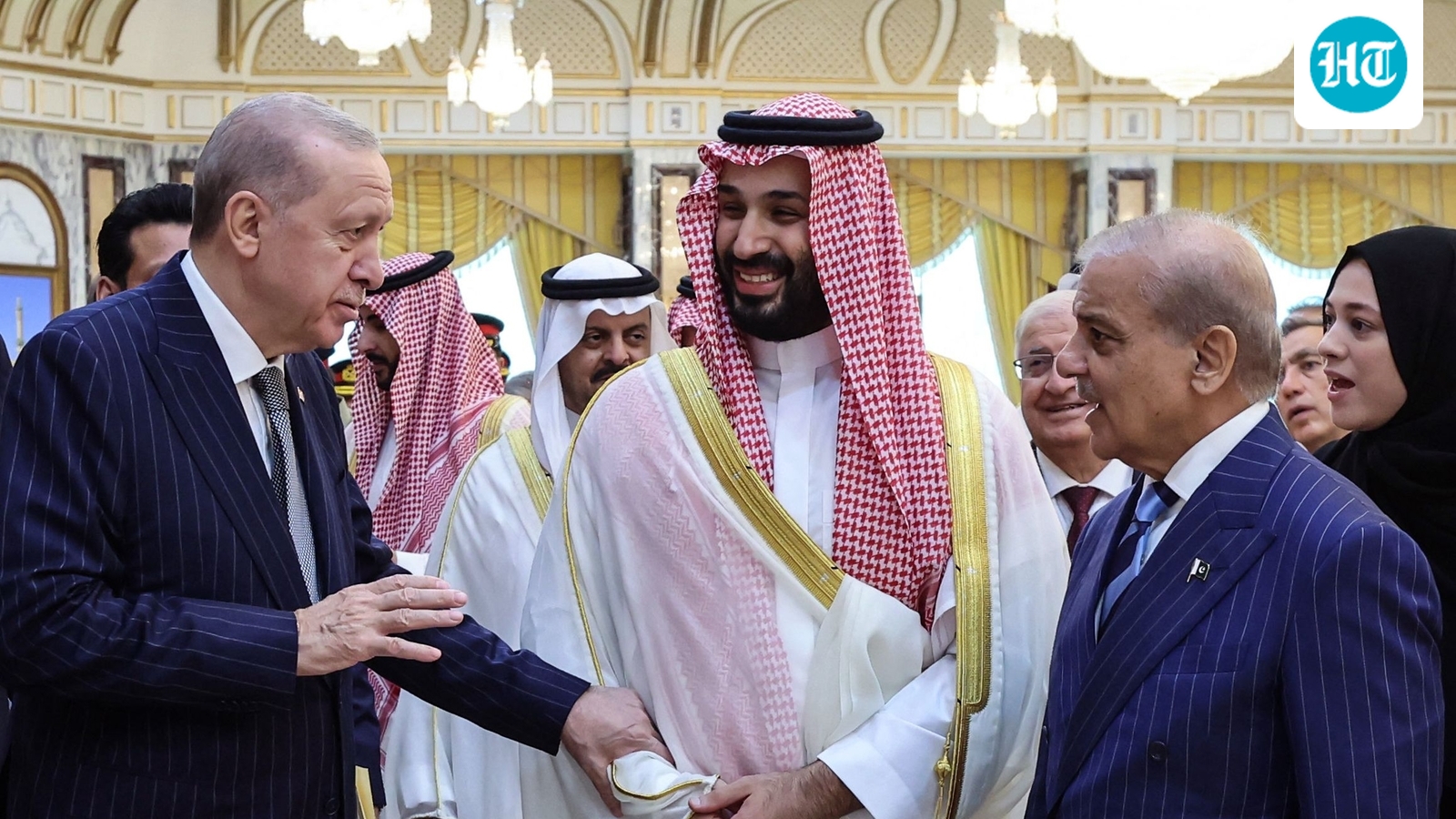
It carries symbolic significance over a century after Western powers made West Asia dependent on others for security Saudi Arabia, Pakistan, and Turkey signed a defence agreement on August 7 in Mecca, Islam’s holiest city, stating that an attack against any of the three countries will be regarded as an assault on them all. The Mecca Joint Defense Agreement comes amid growing doubts about the US as a security provider, even as Saudi Arabia signed a civilian nuclear pact with Washington in July.Protecting the rights of survivors is not an act of paternal sympathy for helpless victims; it is a rigorous, evidentiary method that takes trauma seriously while protecting the dignity of the survivor as a non-negotiable constitutional right. (HT file)In 1963, the then-Saudi Crown Prince Faisal told US ambassador Parker T Hart that “after Allah, we trust America,” underlining the depth of their relationship. The Saudi-US ties remain strong, but successive US administrations have sought to reduce their involvement in West Asia. President Donald Trump has vocally articulated the need for allies across regions to spend more on their defence and take more responsibility.The Trump administration’s National Defense Strategy is categorical in saying the US is stretched and cannot shoulder the responsibility alone amid simultaneous threats. Months before taking office for the second time, Trump in 2024 went to the extent of saying he would encourage Russia to attack any North Atlantic Treaty Organization (NATO) member that fails to pay its bills.In the Persian Gulf, the US left allies to fend for themselves when Iran retaliated after the February 2026 attack. The Associated Press (AP) reported in March how Trump confronted mounting discontent from these allies. It quoted a Gulf official complaining about the American focus on defending Israel while their stock of interceptors was depleting. In May, The Washington Post reported the US military used more of its advanced missile defence interceptors to defend Israel from Iranian attacks than its ally spent defending itself. The situation is believed to have hastened Gulf allies’ reassessment of the American role as a provider of stability and continuity, and prompted them to assume that role themselves.ALSO READ | The Mecca defence pact: A new Sunni bloc or a strategic tool against India?Pakistan, a nuclear power, and Turkey, NATO’s second-largest military power, are part of Saudi Arabia’s separate maritime alliance to guard shipping in the Red Sea from the attacks of Iran-backed Houthis in Yemen. Red Sea is key to Saudi economic diversification. It became one of the most vulnerable waterways as it emerged as an alternative route for energy exports and international trade following the closure of the Strait of Hormuz as a consequence of the Iran-US war.Turkey's President Recep Tayyip Erdogan (L) shaking hands with Saudi Arabia's Crown Prince Mohammed bin Salman as Pakistan's Prime Minister Shehbaz Sharif looks on after signing a joint defence agreement in Mecca. Saudi Arabia, Turkey and Pakistan signed a joint defence agreement on August 7. (AFP)Houthis sought to expand the regional conflict to the Red Sea. On July 25, they hit Saudi Arabia’s Red Sea oil export hub five days after announcing a blockade of Saudi shipping through the Bab al-Mandab Strait. Saudi Arabia, the guardian of Islam’s holiest cities and an energy powerhouse, had reduced tensions with Iran over the years as it pursued the ambitious Vision 2030 to diversify its economy.Saudi Arabia is widely believed not to be averse to normalisation with Israel either. But it found common ground with Turkey, with whom it has had a complicated relationship, amid regional concerns about Israel’s aggressive posturing. Israel’s leaders have spoken about potential conflict with Turkey after attacking Yemen, Lebanon, Syria, Qatar and Iran, prompting West Asian countries to seek collective defence measures.ALSO READ | Challenges India faces from the Mecca pactIn February, Israel’s Prime Minister Benjamin Netanyahu spoke about a new hexagon of alliances to outflank an “emerging radical Sunni axis”, as he announced his Indian counterpart Narendra Modi’s visit to Israel. Greece and Cyprus, the other two countries in the proposed alliance, have historically had hostile ties with Turkey. The Mecca pact assumes greater significance against this backdrop.The pact was signed less than a year after Riyadh inked a defence agreement with Pakistan, which has deployed troops and air defences in Saudi Arabia. Riyadh has negotiated and managed escalation with Tehran through Islamabad. The Mecca pact consolidates Pakistan’s role in a changing regional security framework. It helps Islamabad project a rosy image on the international stage and divert attention from economic crisis and political repression at home. The Mecca pact could bolster Pakistan’s historically transactional ties with the US as Washington seeks burden-sharing from allies, and Islamabad’s relevance as a mediator with Iran is not going to last forever.Saudi Arabia's Crown Prince Mohammed bin Salman (C-R) walking alongside Turkey's President Recep Tayyip Erdogan (C) during their meeting in Mecca. Saudi Arabia, Turkey and Pakistan signed a joint defence agreement on August 7. (AFP)ALSO READ | Assessing ramifications of new defence pact between Pak, Türkiye and Saudi: MEAThe Mecca agreement also marks an inflection point, over a century after Britain and France signed the secret Sykes-Picot Agreement to redraw West Asia’s boundaries, literally by drawing straight lines on a map with a ruler and a pencil. Britain promised Arabs independence after World War I if they revolted against the Ottoman Empire, from whose rubble present-day Turkey emerged. Britain and France did the opposite by dividing them without allowing Arabs to determine their future. The colonial borders, which remain largely intact, were created to sharpen fault lines and embed them within State structures. Many problems in the region can be traced to the Sykes-Picot Agreement.The US replaced Britain as the major player. It has for decades used its influence to advance its interests in West Asia in defending Israel, ensuring the free supply of oil, and checking Soviet influence during the Cold War. The US is now a net energy exporter and no longer relies on imports. The stalemate with Iran has made the American people more war-weary. It is expected to increase pressure to end foreign entanglements, explaining why Saudi Arabia needs to expand its partnerships.The Mecca agreement also seeks to address security issues with regional solutions. It is too early to predict whether it will succeed. But it carries immense symbolic significance over a century after Western powers arbitrarily divided West Asia and made the region dependent on others for security. The region is now attempting to build a new security architecture. Whether it can overcome the long shadow of Sykes-Picot’s colonial geopolitics, however, remains to be seen.The views expressed are personal.
Mecca pact: Regional fix to hedge against a fickle US
It carries symbolic significance over a century after Western powers made West Asia dependent on others for security
1,101 words~5 min read