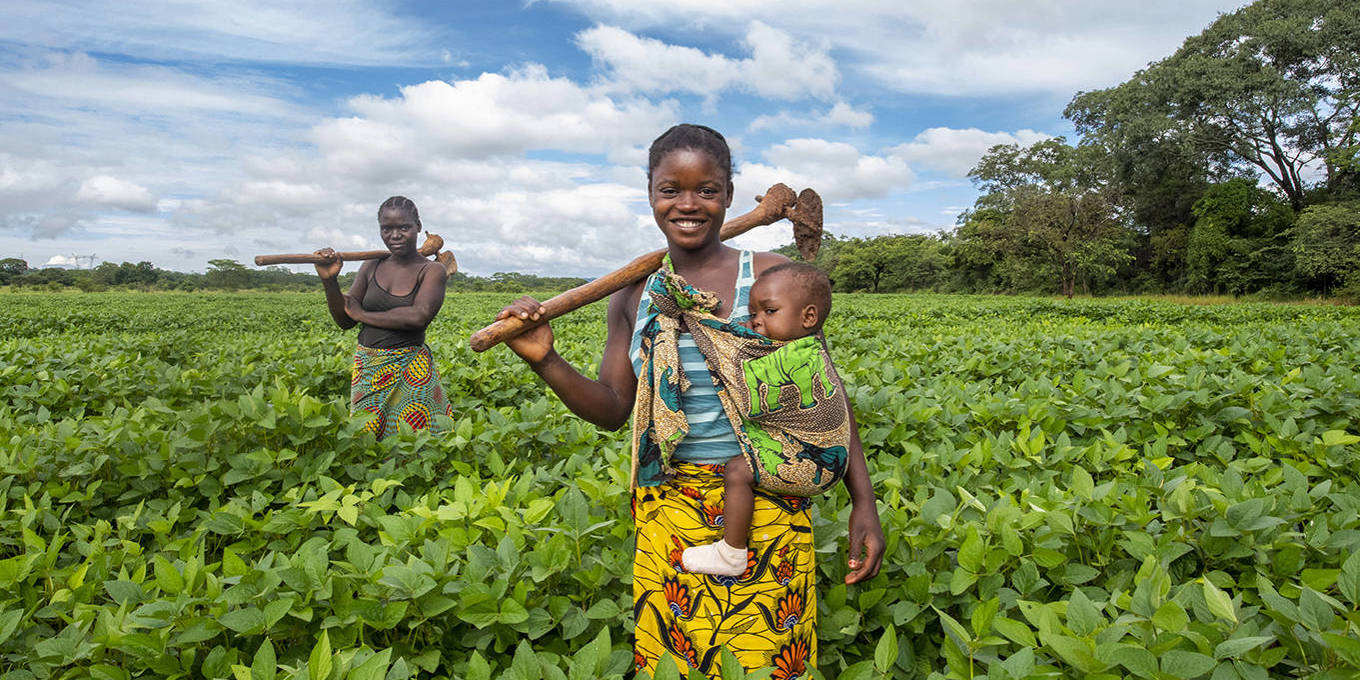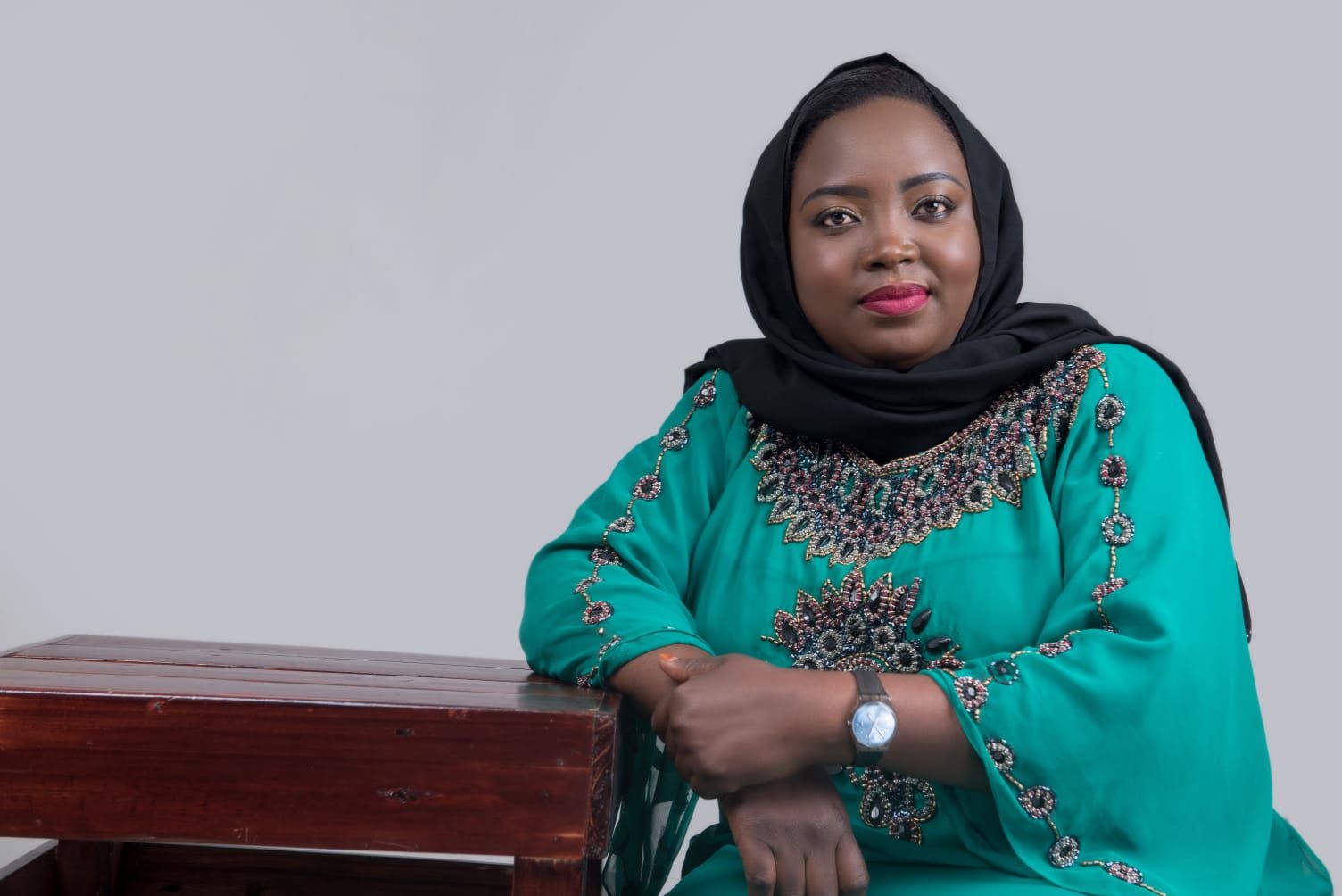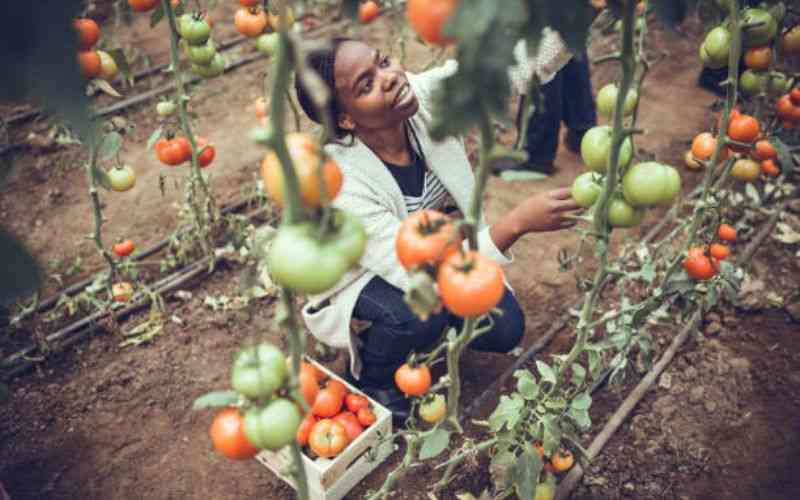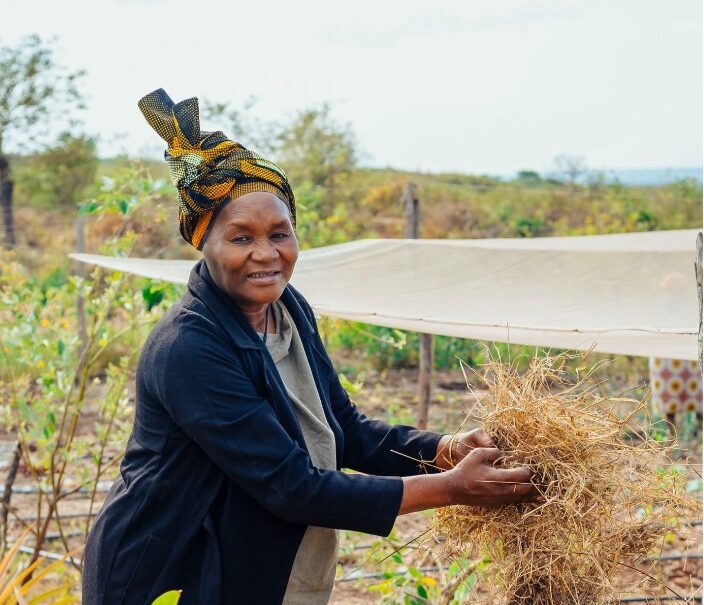
In an interview with Mongabay, Mozambican social activist Olga Muthambe advocates agroecology as a response to the challenges confronting rural women affected by extractive industries and armed conflict.Muthambe is a co-founder of NGO Hikone Moçambique, a civil society organization that has been active in the African nation for over a decade. Since its inception, the organization has connected more than 5,000 women to socioeconomic training initiatives.According to Muthambe — who currently serves as the NGO’s executive director — agroecology enables women to produce pesticide-free food for both family consumption and trade, thereby improving food security and generating income.
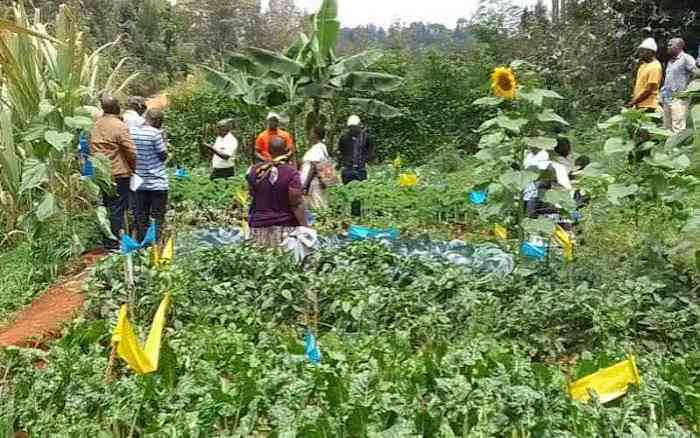
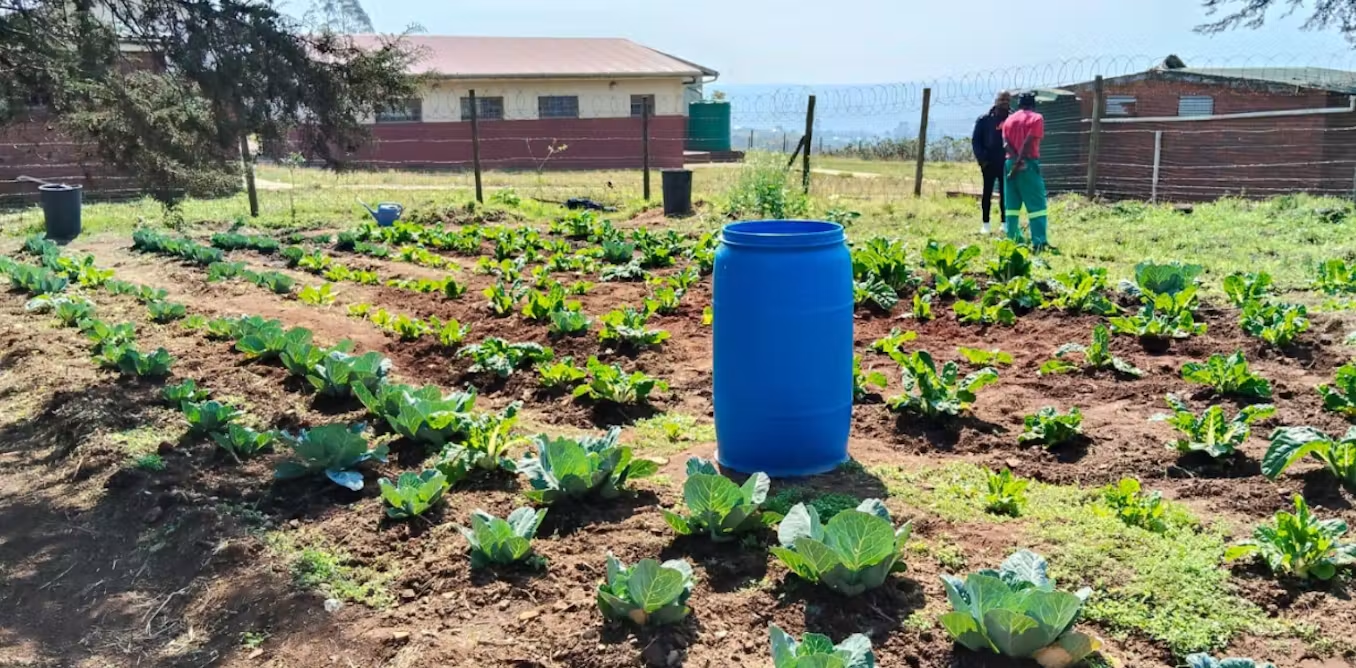
In Mozambique, southeast Africa, more than 1,600 women participate in agroecological practice programs across the provinces of Maputo and Gaza (both in the south), Tete (central region) and Cabo Delgado (far north). These initiatives are led by Hikone Moçambique, a civil society association founded in 2013 that seeks to empower rural women. The organization’s work focuses primarily on Mozambican women facing social vulnerability.
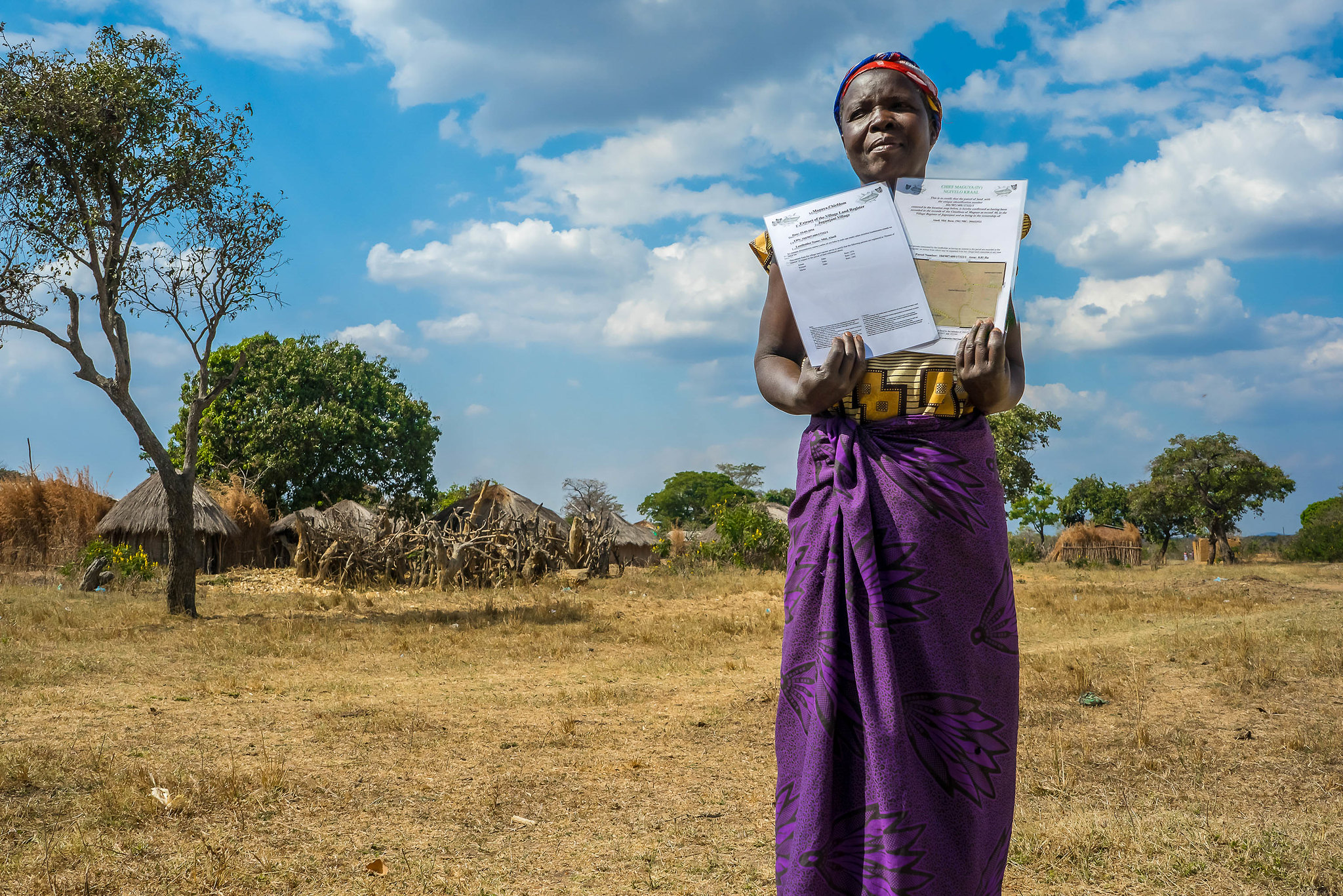
The displacement of local populations, with resulting impacts on livelihoods, along with expropriation and concentration of land and resources, are some of the most common adverse effects associated with extractive industries that often amount to appropriation of nature through labor exploitation.