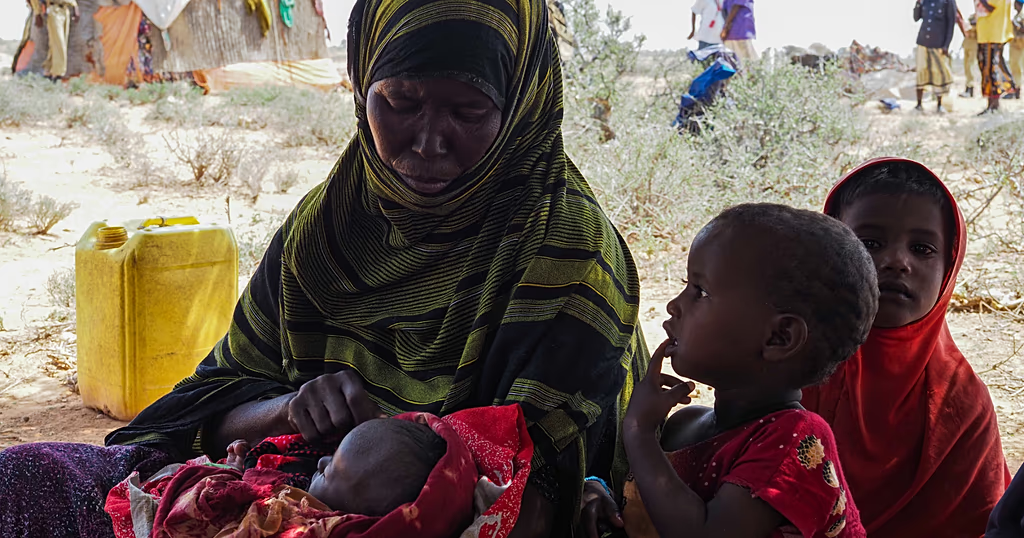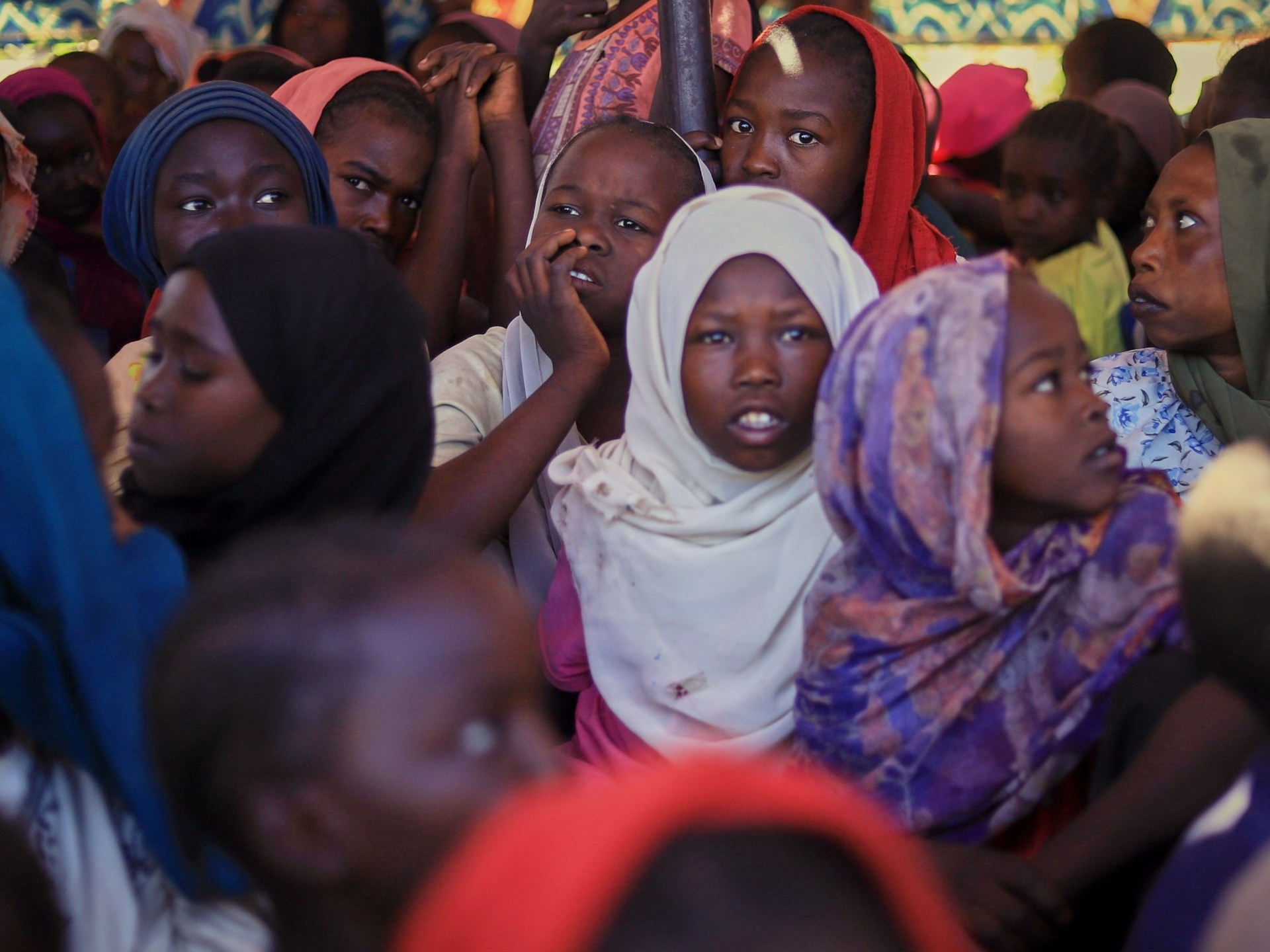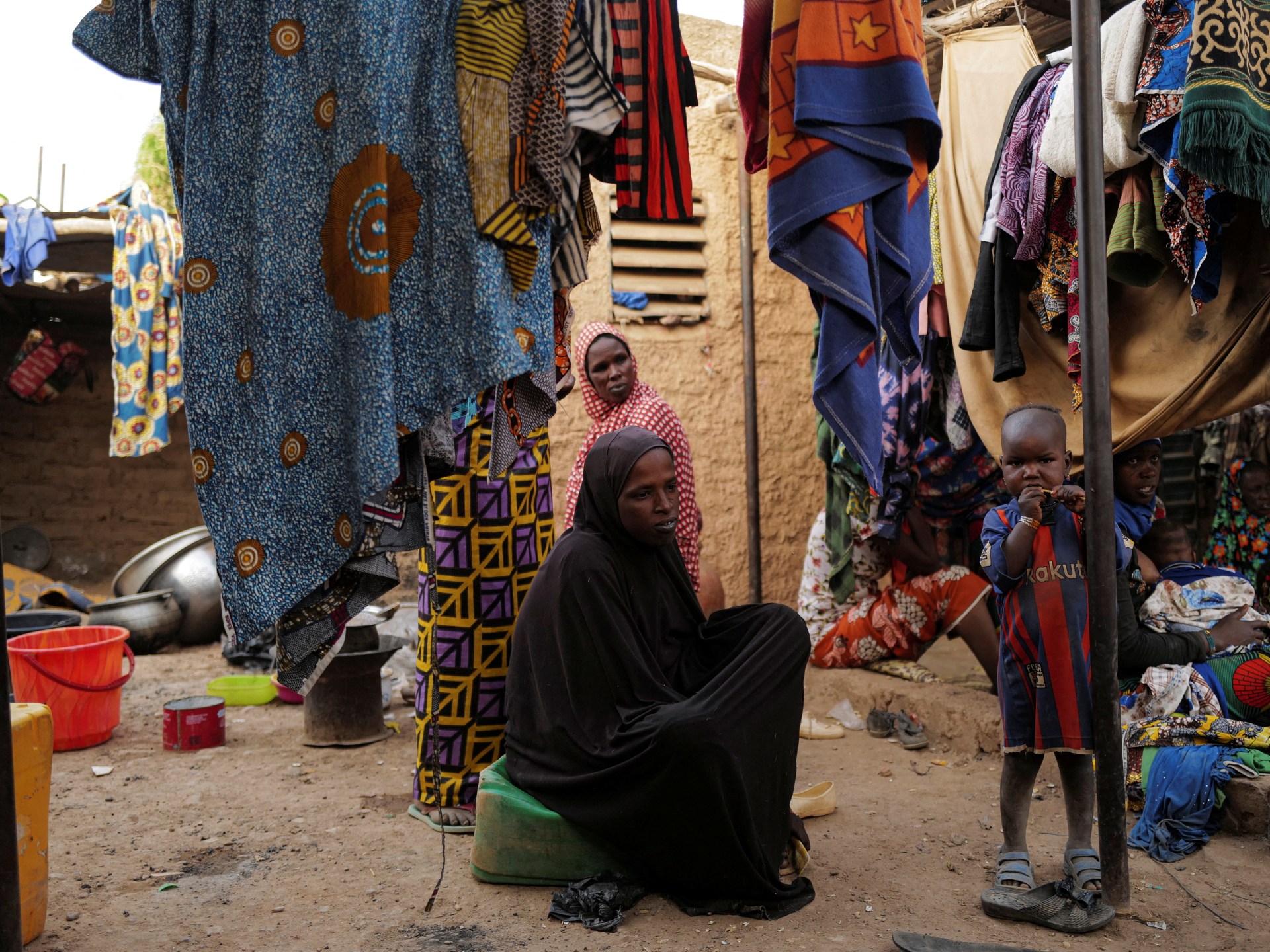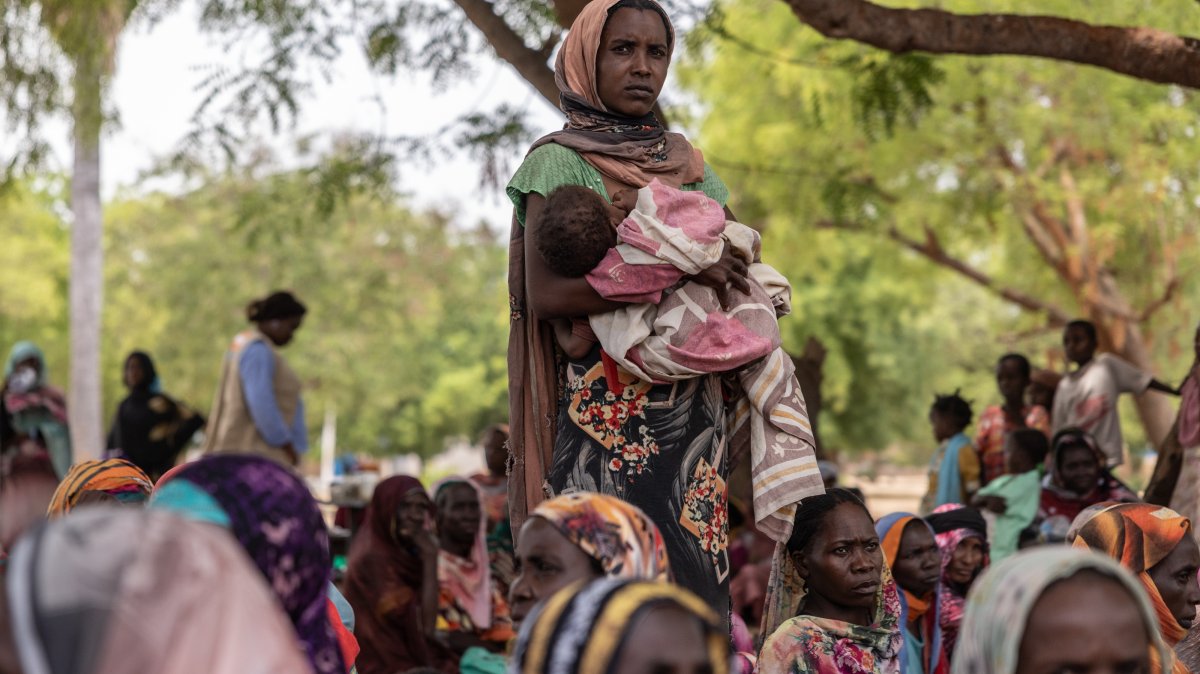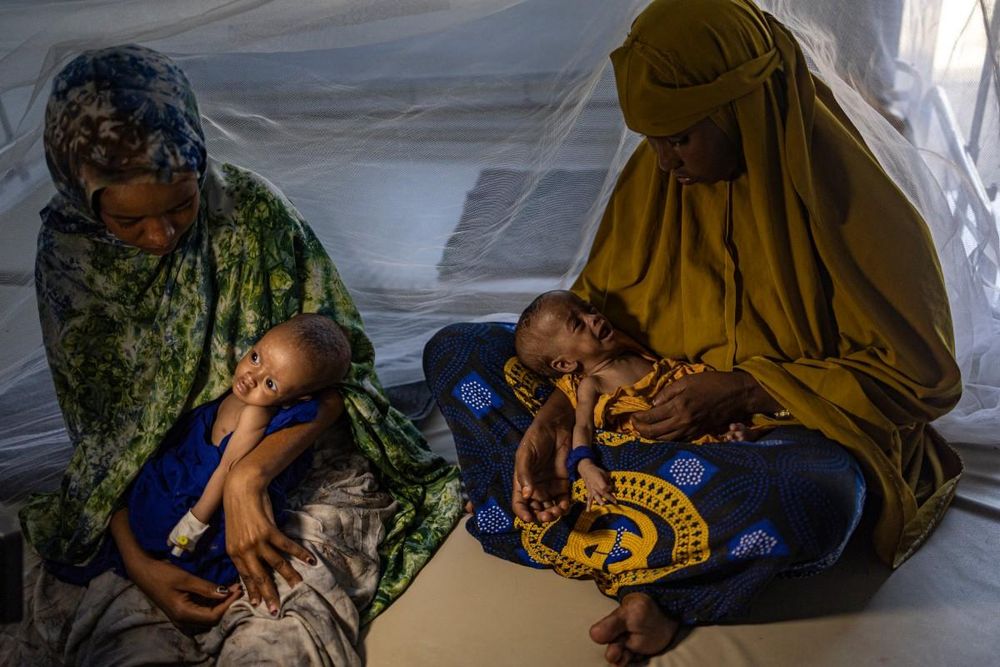
Displaced Somali women hold their severely malnourished babies in a stabilization centre for children suffering severe accute malnutrition in Kismayo, Somalia on April 22. Today across Africa, women and girls remain caught in a confluence of armed conflict, forced displacement, food insecurity, climate shock and systemic poverty, says the writer.
Kim Heller
On Sunday, as South Africa commemorated the 70th anniversary of the 1956 Women's March, Nobel Peace Prize laureate Malala Yousafzai stood at the Union Buildings in Pretoria and delivered a heartfelt tribute to the brave women who had participated in this historic march seven decades ago.
Close to 20 000 women had marched to the seat of power to protest the apartheid pass laws which deprived Black South Africans of their right to move freely in their own country. Yousafzai spoke of how Black South African women had to battle racial discrimination and patriarchy. "Yet they chose to lead and demanded to be seen. It is their legacy of courage that brings me back to South Africa today," she said.
Her presence carried symbolic significance. It reminded the gathering that the struggle for women's emancipation knows no borders or geography. In 2012, at the tender age of fifteen, Yousafzai was shot in the head by the Taliban in Afghanistan for insisting that girls be allowed to learn.