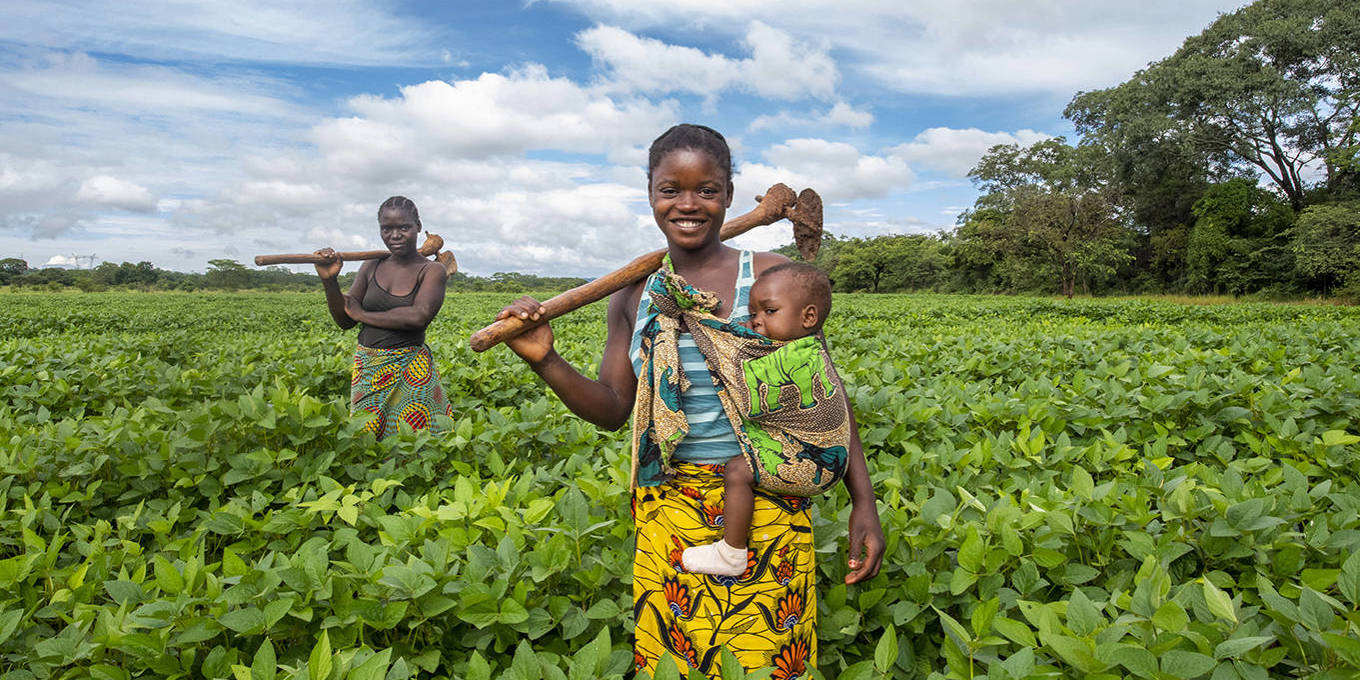
The Rural Women’s Assembly, which claims a membership of 170,000 women across Southern Africa, promotes agroecology as a strategy for its members’ autonomy and resilience.One obstacle to the association’s members choosing this agricultural pathway is that relatively few women own the land they cultivate, limiting their decision-making power.Rural development specialist Richard Mkandawire says enabling women who work the land to control it is key to resolving food security issues.
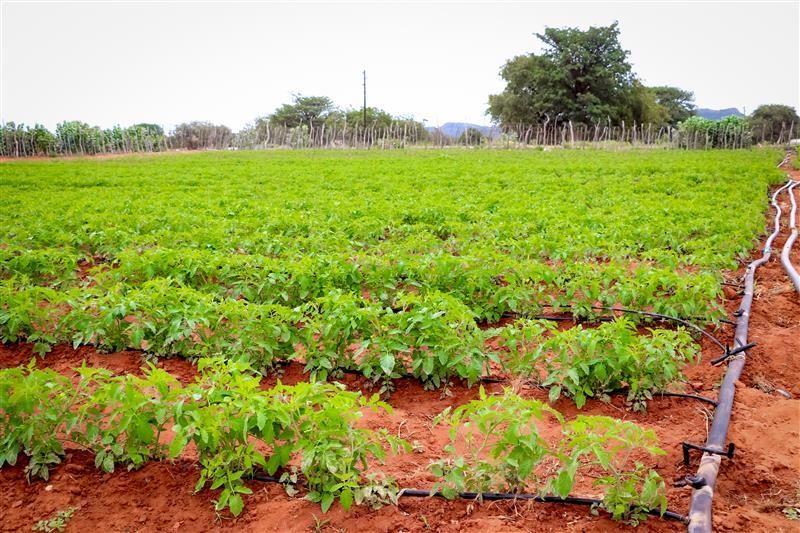
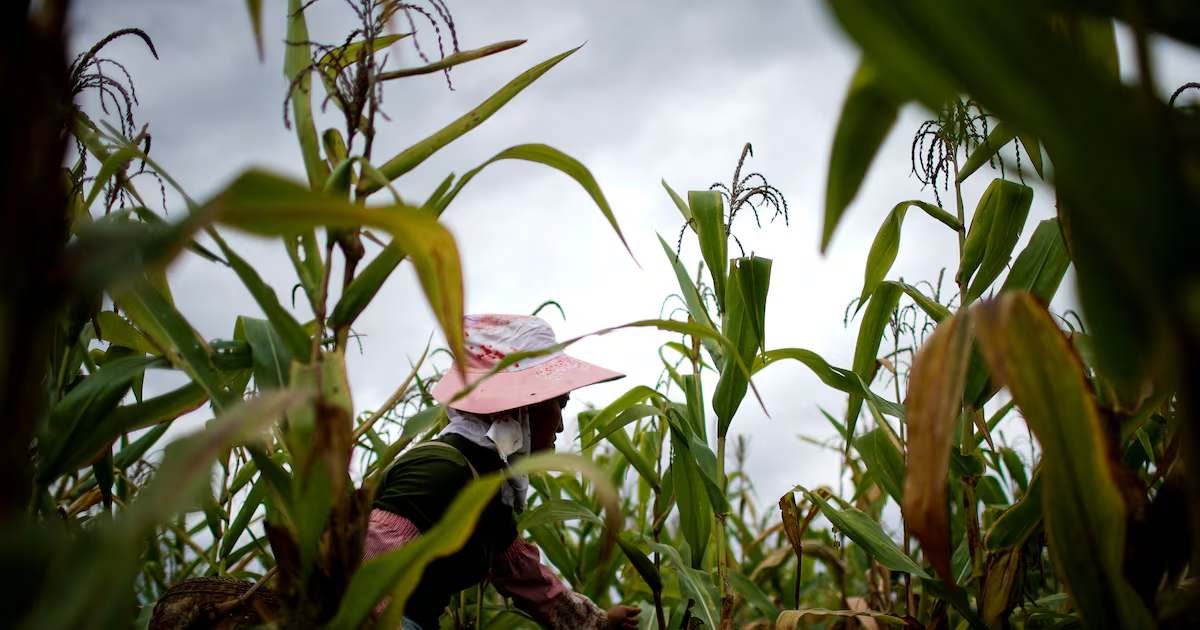
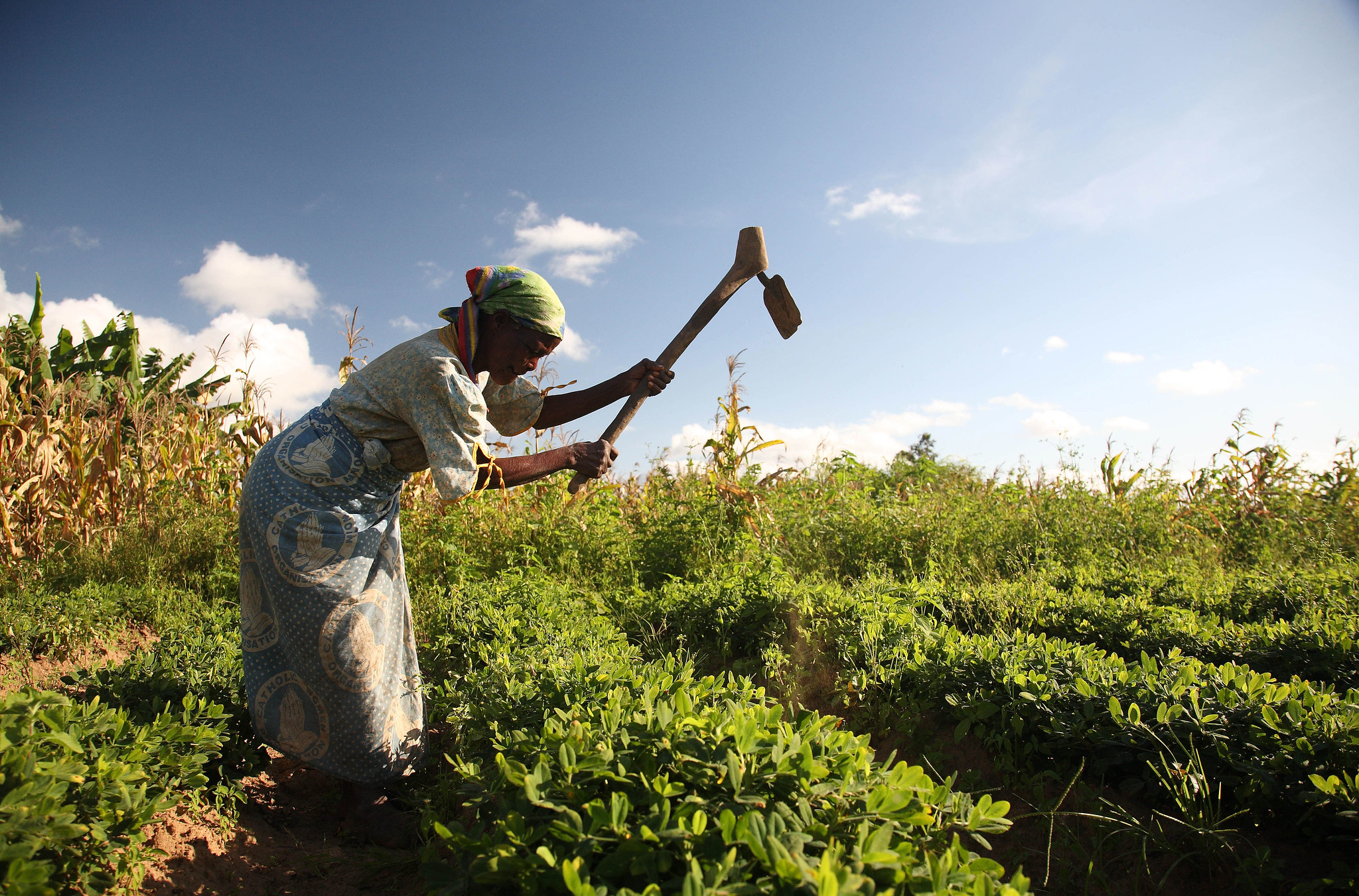
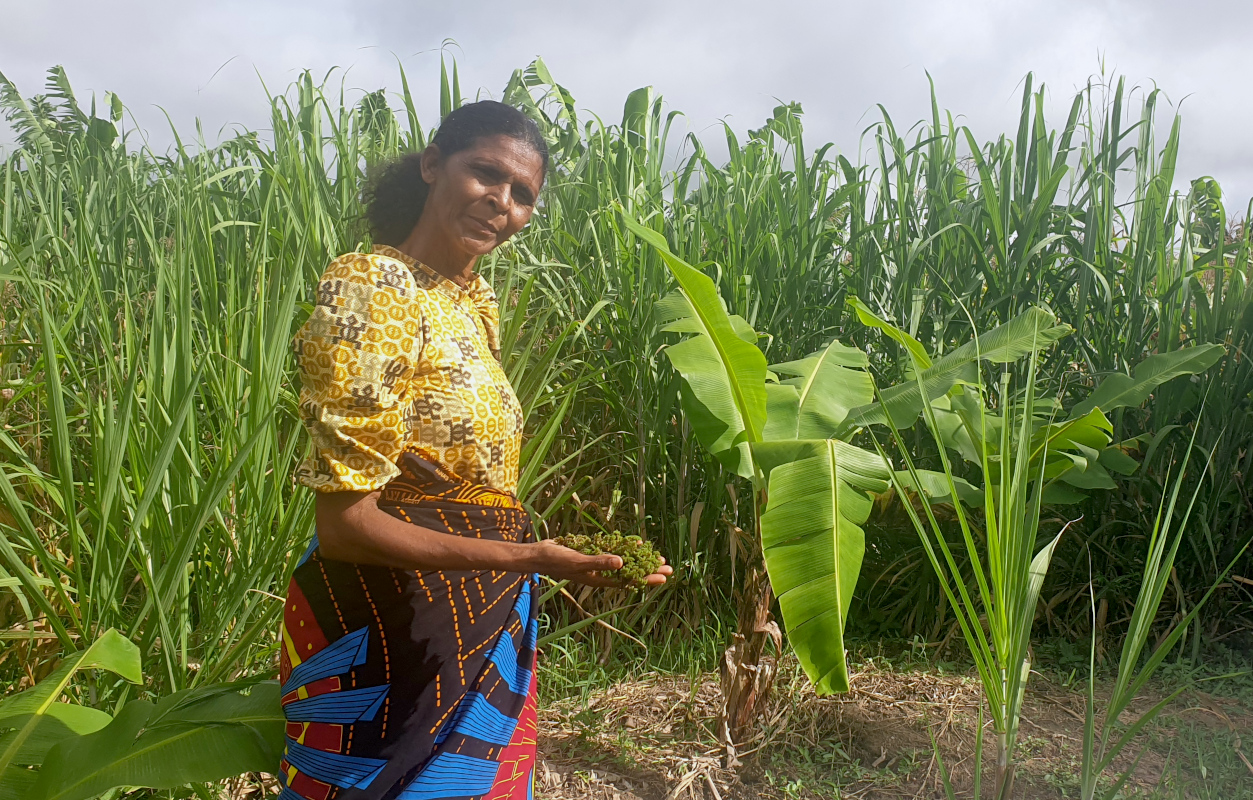
CHIRADZULU, Malawi — In Chiradzulu district in southern Malawi, 60 women who are members of the Rural Women’s Assembly grow fruits and vegetables alongside their staple crop, maize. In recent years, there’s been growing demand for their organically produced crops from buyers in the nearby city of Blantyre, Malawi’s commercial capital.
The assembly’s chair in Chiradzulu, Diana Sitima, runs a 3.5-hectare (8.6-acre) organic farm here. She says when she started the farm in 1993, she used to take the produce to consumers in Blantyre.
“Now they are coming to us. They say our produce has a good taste,” Sitima says.
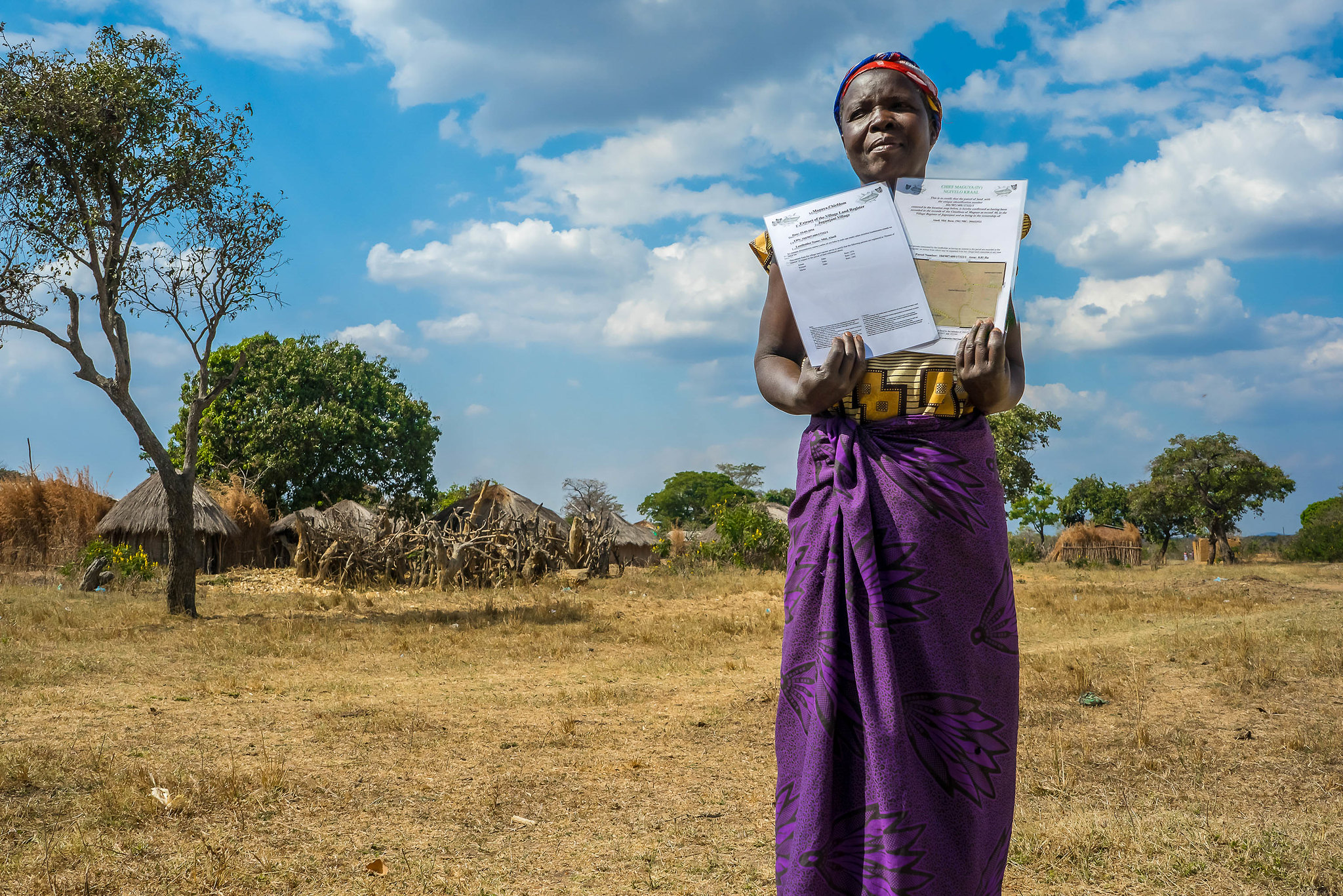
According to the women, the biggest obstacles they face as farmers is that they lack land titles and capital to invest in their farming. As members of the RWA, these are the issues they discuss at their meetings and bring to their local council and central government for solutions.