Rather than designing solutions for half the farming population, agricultural researchers, policymakers, and others must consider the specific needs and preferences of women farmers in developing countries. Only then can the huge female agricultural labor force reach its potential to ensure food security and drive economic growth.
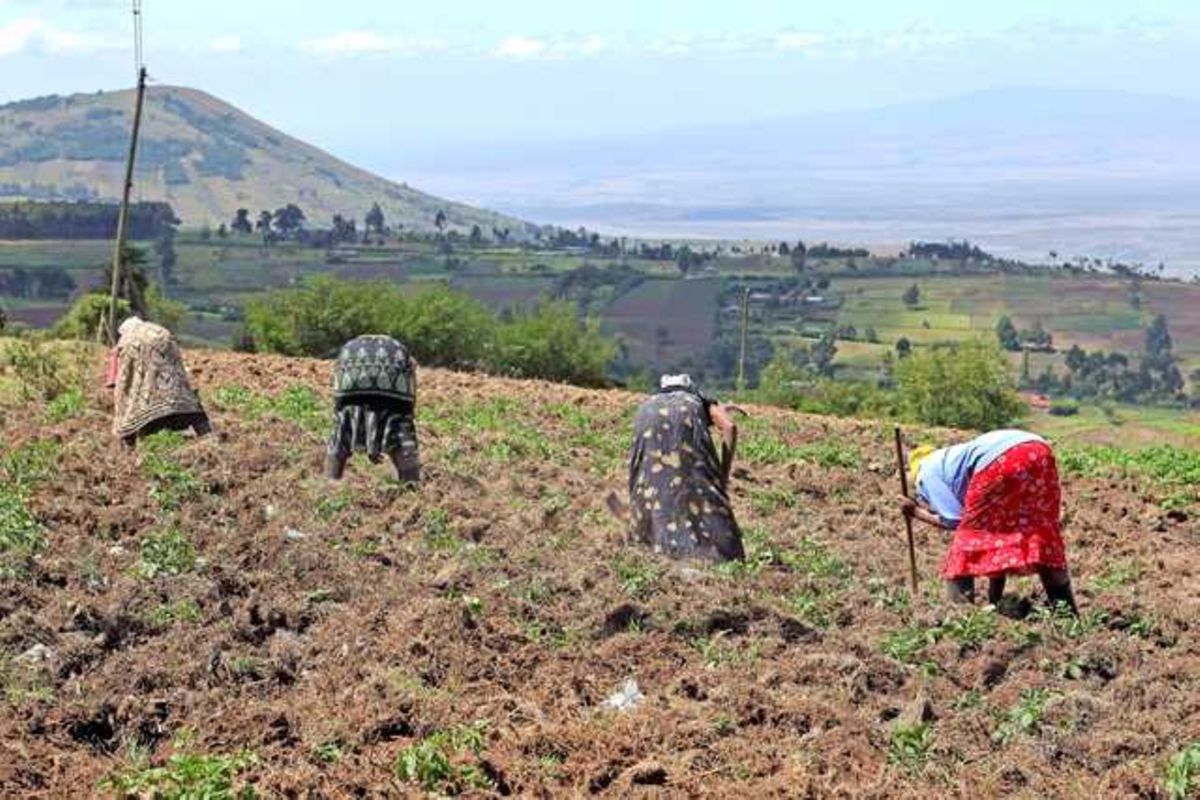
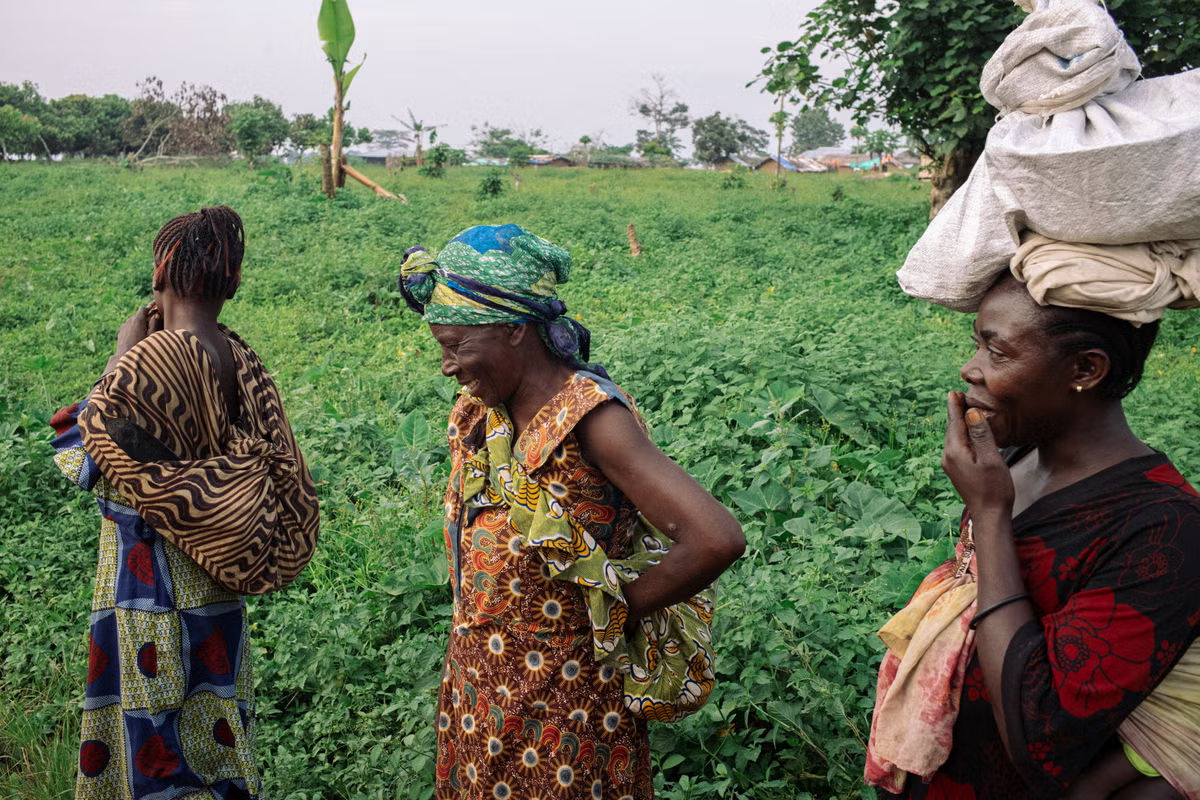
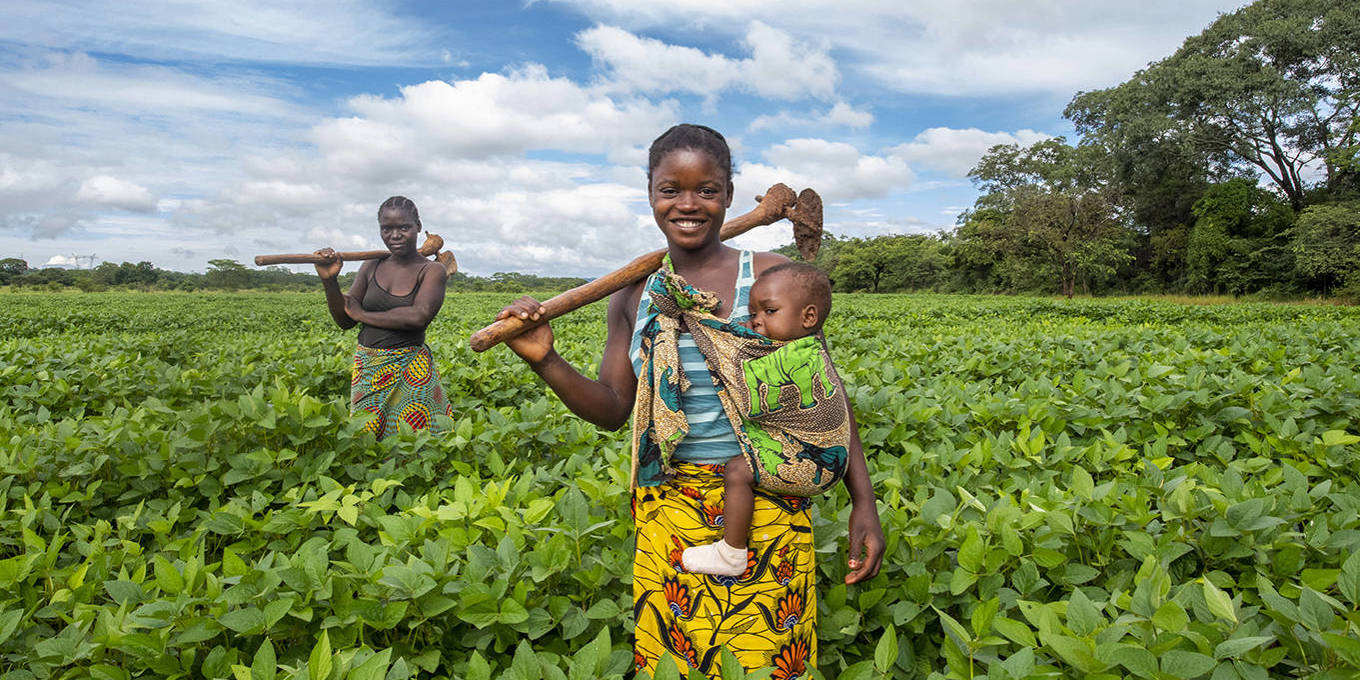
NAIROBI/SEATTLE—As the war in Iran disrupts fertilizer supplies and undermines food security around the world, the need to build more resilient food systems has never been clearer. The hundreds of millions of women who farm across the Global South have a vital role to play in meeting this challenge, but their ability to do so continues to be systematically undermined. Though women comprise over 40% of the agricultural labor force in developing countries, women farmers are less likely than their male counterparts to have access to quality seeds, fertilizer, and tools, and less likely to be connected to markets. They are also less likely to be visited by extension agents responsible for delivering agricultural innovations and practical solutions directly to farmers. And agricultural researchers are less likely to consider their experience and interests. These failures compound one another, undermining yields, nutrition, incomes, and, ultimately, economic growth and development. Meanwhile, pressure on the global food system is intensifying, owing not only to conflicts like the Iran war, but also to population growth and proliferating floods and droughts, which climate change is making fiercer and more frequent. One crop—the Bambara groundnut—illustrates the cascading costs of overlooking women farmers and illuminates a potential pathway toward strengthening food security. This protein-rich legume, widely cultivated by Africa’s female farmers, is a marvel of resilience, capable of thriving in harsh, drought-prone conditions. It also fixes nitrogen in depleted soil, thereby improving fertility. And women farmers grow it much as their mothers and grandmothers did, planting unimproved seeds, passed down from season to season, in fields fed by fickle rains. The resulting yields average some 300–800 kilograms per hectare. That is less than a third what researchers believe could be produced even with unimproved heritage seeds. With more advanced seeds, the gains could be tremendous: a triple dividend of significantly higher yields enhancing nutrition, improved soil health, and economic empowerment of women. And yet, the Bambara groundnut has received scant attention from agricultural researchers. Ghana’s Council for Scientific and Industrial Research–Savanna Agricultural Research Institute is seeking to change this—and to ensure that women, in particular, reap the benefits. With support from my (Kelly) organization, Grow Further, the CSIR-SARI carried out separate large-scale surveys of male and female farmers about what they wanted in an improved Bambara groundnut variety. This gender-based approach is rare in agricultural research, and the results were revealing. Whereas the men wanted simply to increase yields, the women emphasized the importance of quicker maturation. As they explained to researchers, when the planting season approaches, they must first help with their husbands’ planting before turning to their own fields. This isn’t personal preference; it’s the reality of gendered labor patterns. That delay leaves less time for women’s Bambara groundnut crops to mature, impacting the harvest. This is precisely the kind of game-changing insight that goes unnoticed for decades, simply because women have no opportunity to voice it. Instead, solutions are designed to suit a generic—implicitly male—farmer and framed as being for everyone. The result is land-titling systems that document male ownership by default; credit markets that demand collateral that women are legally or customarily barred from holding; and policy processes that discuss food security in aggregate terms, ignoring the gendered distribution of its costs and benefits. Rather than designing solutions for half the farming population, while leaving the other half struggling to adapt to systems that were not built for them, researchers, policymakers, and others whose decisions affect agricultural operations and outcomes must consider the specific needs and preferences of female farmers. That means using gender-disaggregated data, like that collected by the CSIR-SARI. It also means collaborating with women in research and policy design, instead of treating them as passive beneficiaries. And it means redesigning financial systems, land frameworks, and extension services to reflect the reality of women’s lives. Technology also has a role to play. AI is accelerating the pace of crop improvement by enabling researchers to analyze genetic traits, predict breeding outcomes, and identify groundbreaking seeds in a matter of months rather than years. And genomic editing technologies are putting unprecedented precision and power in the hands of breeders and researchers. These are powerful tools, which must be harnessed to serve the interests of male and female farmers equally. The Bambara groundnut has been dubbed a hidden superfood—astonishingly resilient, capable of sustaining communities, and tragically overlooked. The same could be said about the women who grow it. In an era of intensifying food insecurity, that is not an oversight the world can afford. This year, which the United Nations has declared the International Year of the Woman Farmer, offers a critical opportunity to correct this mistake.