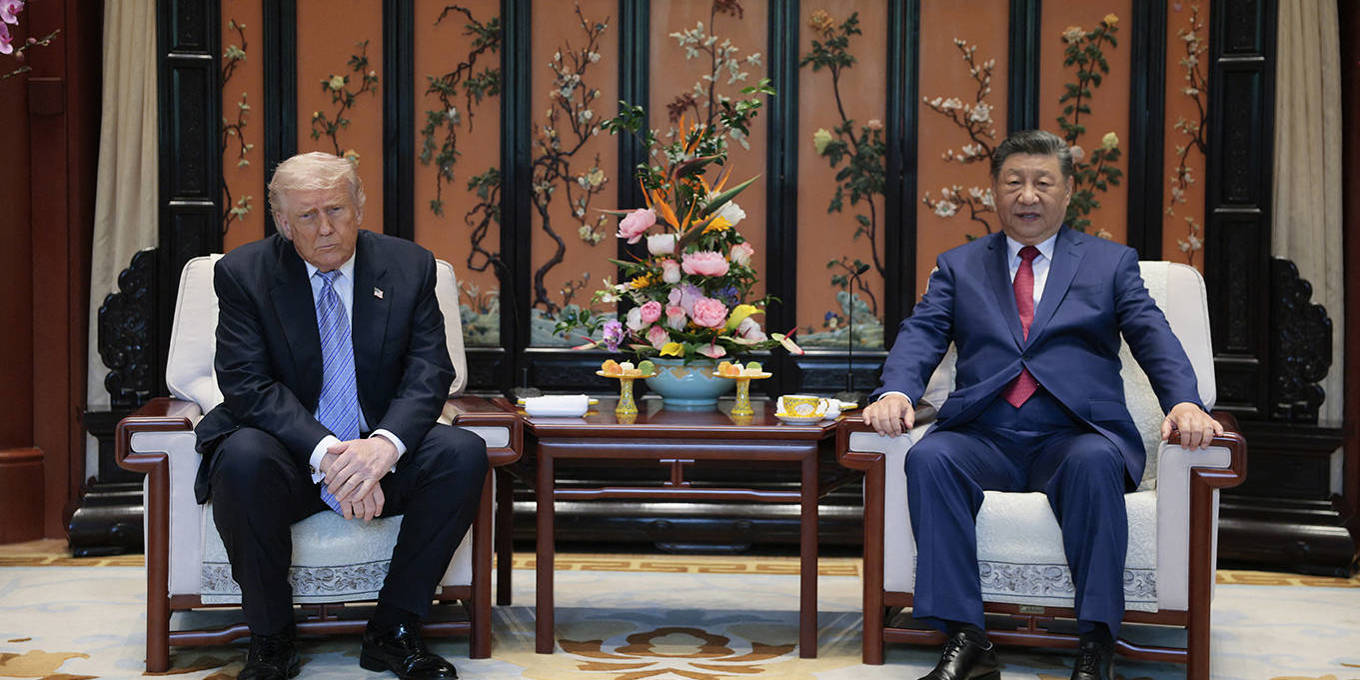
The World Economy After the Trump-Xi Summit
Shang-Jin Wei explains how this week's meeting between the US and Chinese presidents could improve the global economic outlook.
54articoli totali nell'archivio
Shang-Jin Wei explains how this week's meeting between the US and Chinese presidents could improve the global economic outlook.

Lenny Mendonca & Laura Tyson explain how the state’s uniquely successful model can be applied to today’s most pressing challenges.

J.P. Singh sees many countries and organizations quietly learning from each other and adopting shared strategies.

Erik Berglöf calls for fresh thinking about how we govern and invest in the planet's life-support system.
Djoomart Otorbaev thinks Uzbekistan’s upcoming London IPO could reshape investors’ perceptions of a long-overlooked region.

David Miliband urges the international community to fund high-impact, low-cost immunization efforts in conflict zones.
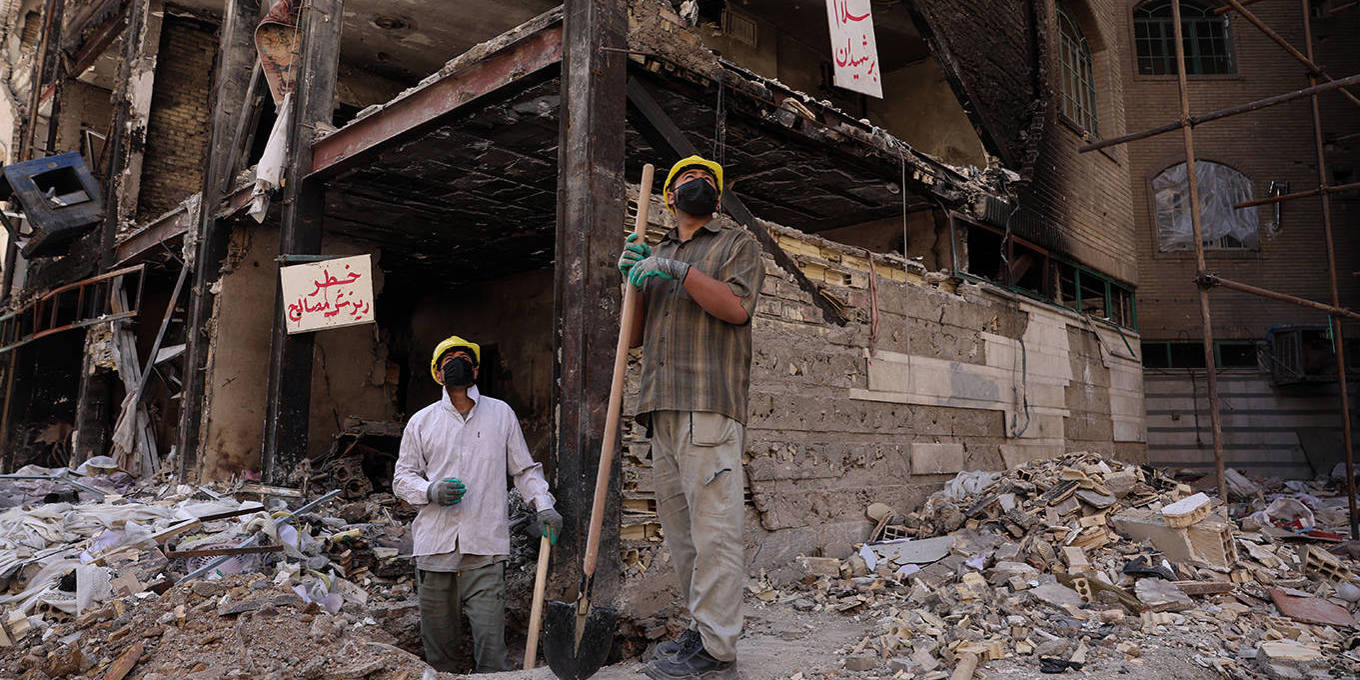
Shlomo Ben-Ami envisions a less stable, more fragmented future, with China benefiting from declining faith in the US.
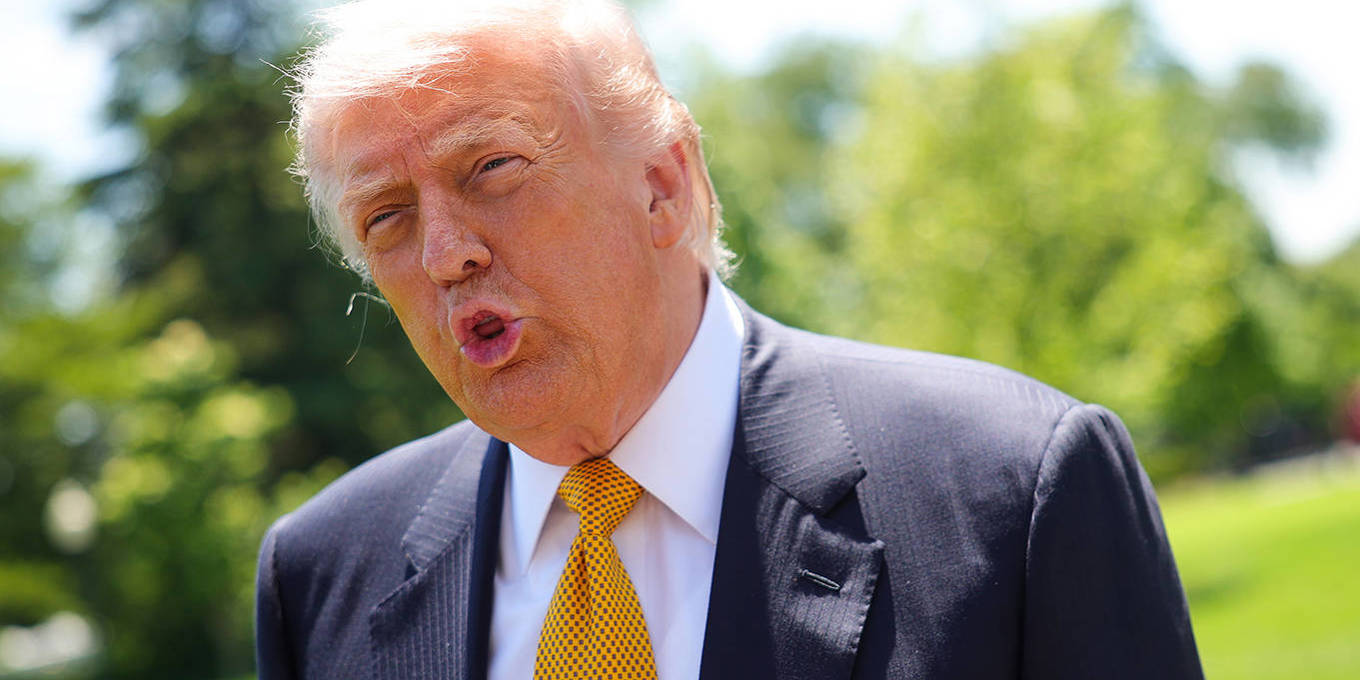
Timothy Snyder shows how the Trump administration’s war in Iran and policies at home have undermined US global primacy.

Brian Judge urges EU leaders to champion the initiative as vital to the bloc’s strategic autonomy.

Christopher Marquis warns that seemingly symbolic moves can permanently reshape political systems if they go unchallenged.

Ivan Ascher examines the factors that could be driving the country’s fascination with neurodivergence.
Michael R. Strain argues that proposals for punitive taxes on the ultra-wealthy threaten to do far more harm than good.
Nina L. Khrushcheva chronicles the Kremlin’s betrayals and alienation of allies since the Ukraine war began.
Ralph Regenvanu calls attention to a new UN resolution that would enshrine states’ legal obligation to combat climate change.
Dani Rodrik reviews the evidence that convinced him that developing countries’ hope lies in services.
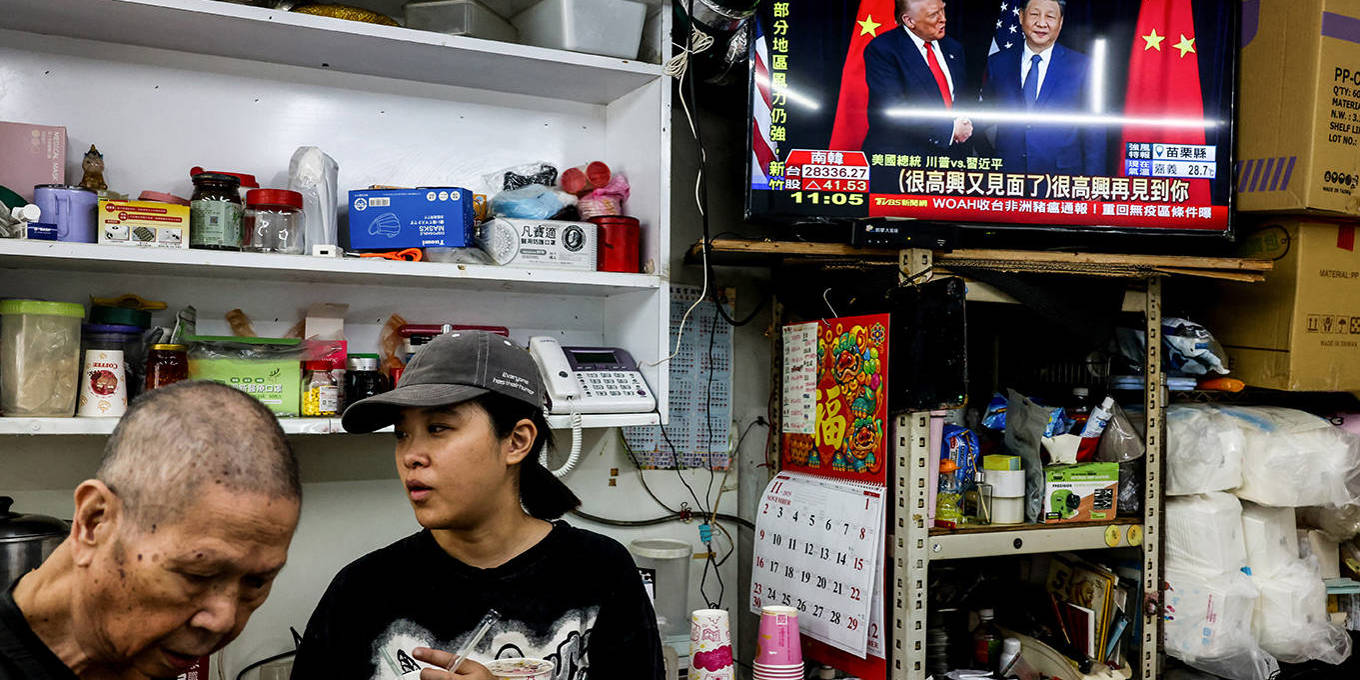
Eyck Freymann warns that this week’s summit with Xi Jinping could make China’s takeover of the island more likely.
Hippolyte Fofack proposes a redesign of the financial system so that it no longer costs the continent more to borrow less.

Dana Humaid Al Marzouqi & Joanna Shields argue that technological progress divorced from ethical reasoning is neither safe nor…

Robin Rivaton shows that value lies in reorganizing overall production processes, not in improving individuals’ output.

Barry Eichengreen examines what’s behind the rising volume—and, increasingly, the domestic vaulting—of official reserves.
Emmanuel Guerin says the main reason is the absence of a coherent strategy for investing in industrial electrification.
Viri Ríos notes that Mexico’s relatively new president has already cut violent crime faster than her Salvadoran counterpart.

Amy Brouillette highlights the indispensable role of independent journalism in defending against autocratic rule.
Gomez Agou notes that the continent currently lacks three key elements of financial intelligence.

Shashi Tharoor shows how the country has shifted from fearing global competition to embracing it fully.
Ahmed Kouchouk touts a new platform that can help developing economies coordinate on debt management and technical assistance.
Ian Bremmer foresees the greatest shift in the global balance of power since the end of the Cold War.

María Lombardi shows how the technology can reduce inequality between workers of different educational levels.

Mohamed A. El-Erian wonders if the outgoing Federal Reserve chair’s policy mistakes will even be remembered.


Andy Phippen calls attention to a major new review of proven solutions and major enforcement gaps.
Joseph E. Stiglitz weighs the economic implications of America’s reckless war of choice against Iran.
Sunru Yong & Saliem Fakir highlight the need to translate nationally determined contributions into a pipeline of bankable…
Ana Toni & Kevin Watkins show how national programs for addressing poverty can also help the poorest people adapt to global…

Frederik Obermaier & Bastian Obermayer explain why, ten years after the publication of the Panama Papers, financial crime havens…

Bruna Borges & Fernanda Estevan show that having more female peers and professors benefits women and does not harm men.
Shashi Tharoor considers how to overcome key risks and harness the country’s advantages in talent, stability, and scale.

Chiara Cordelli shows how right-wing populism and war in the Middle East are inspiring renewed democratic and green activism.
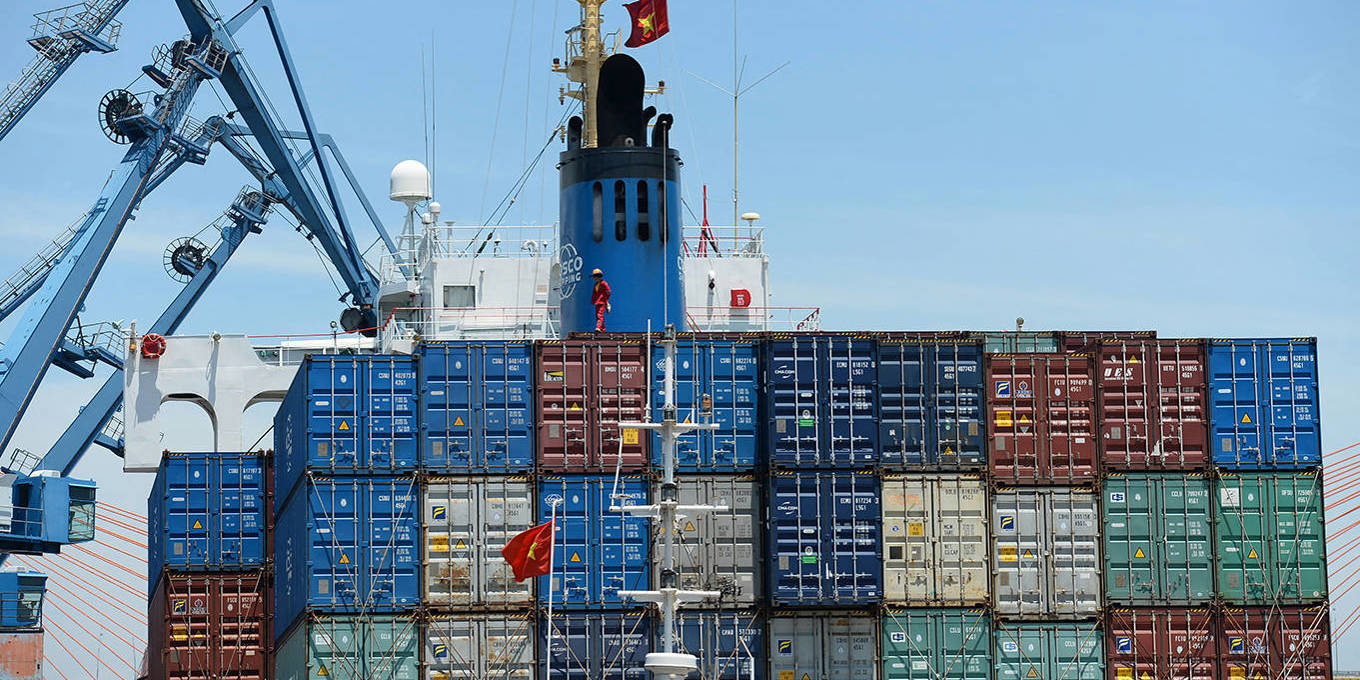
Robin Hu points out that policies meant to bifurcate the global economy are producing the opposite effect.
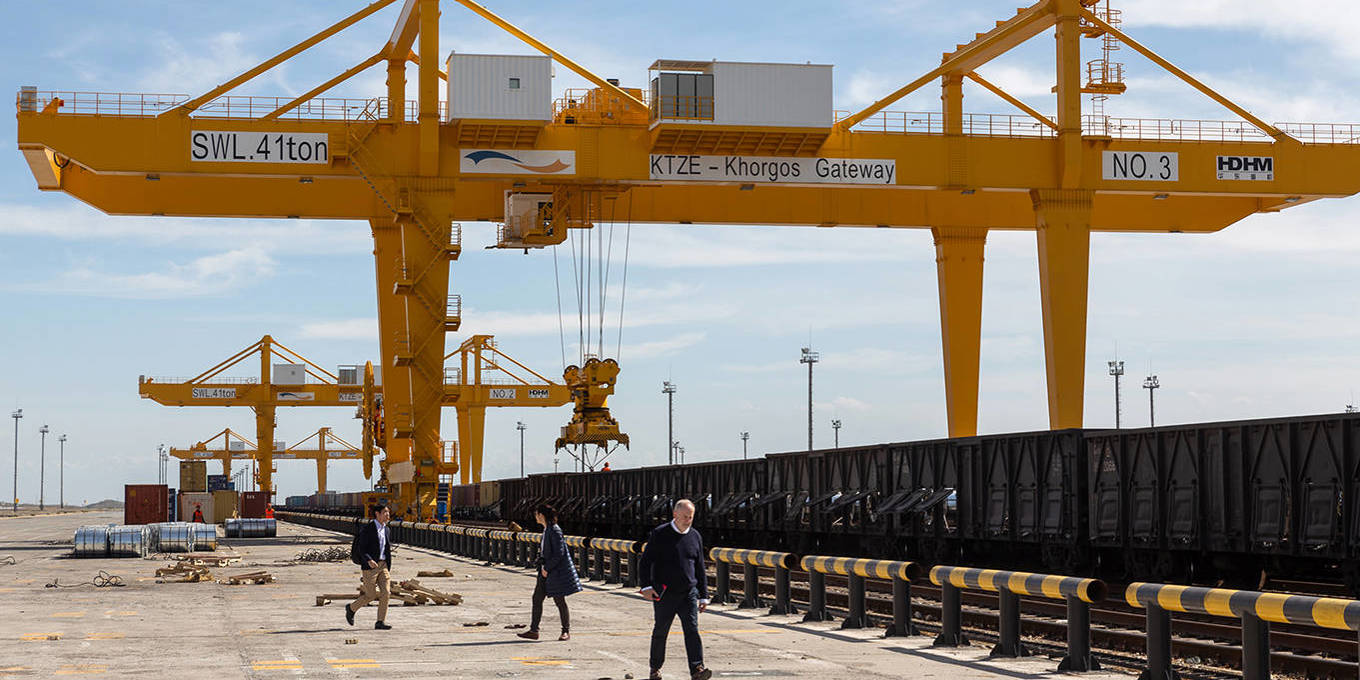
Djoomart Otorbaev rebuts Western depictions of Chinese “debt-trap diplomacy” in the region.

Anya Schiffrin & Roberta Carlini call for a new legal framework that requires Big Tech to compensate publishers and creators.
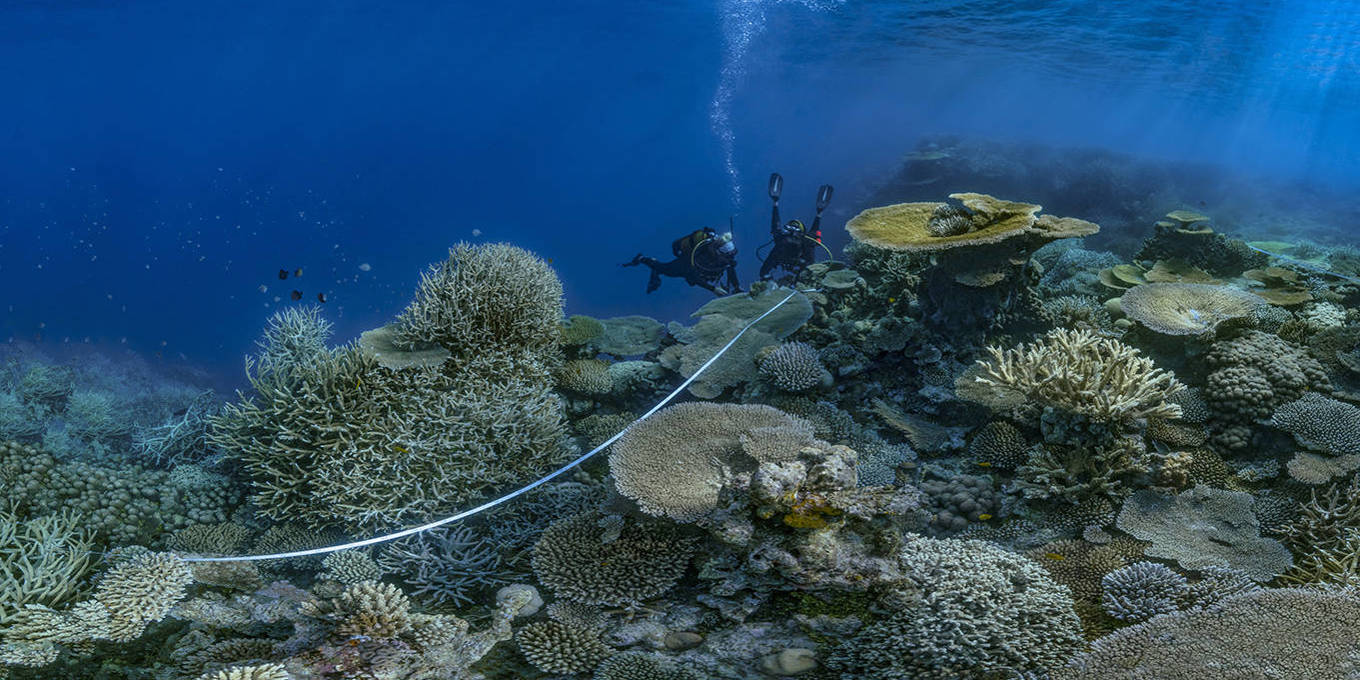
Arthur Peter Mutharika explains why even landlocked countries have a pressing interest in creating stronger protections for the…

J.P. Singh sees in Donald Trump the antithesis of the values that made America so prosperous and powerful.

Shaun Seow highlights how the sector can help turn isolated preservation efforts into meaningful progress.
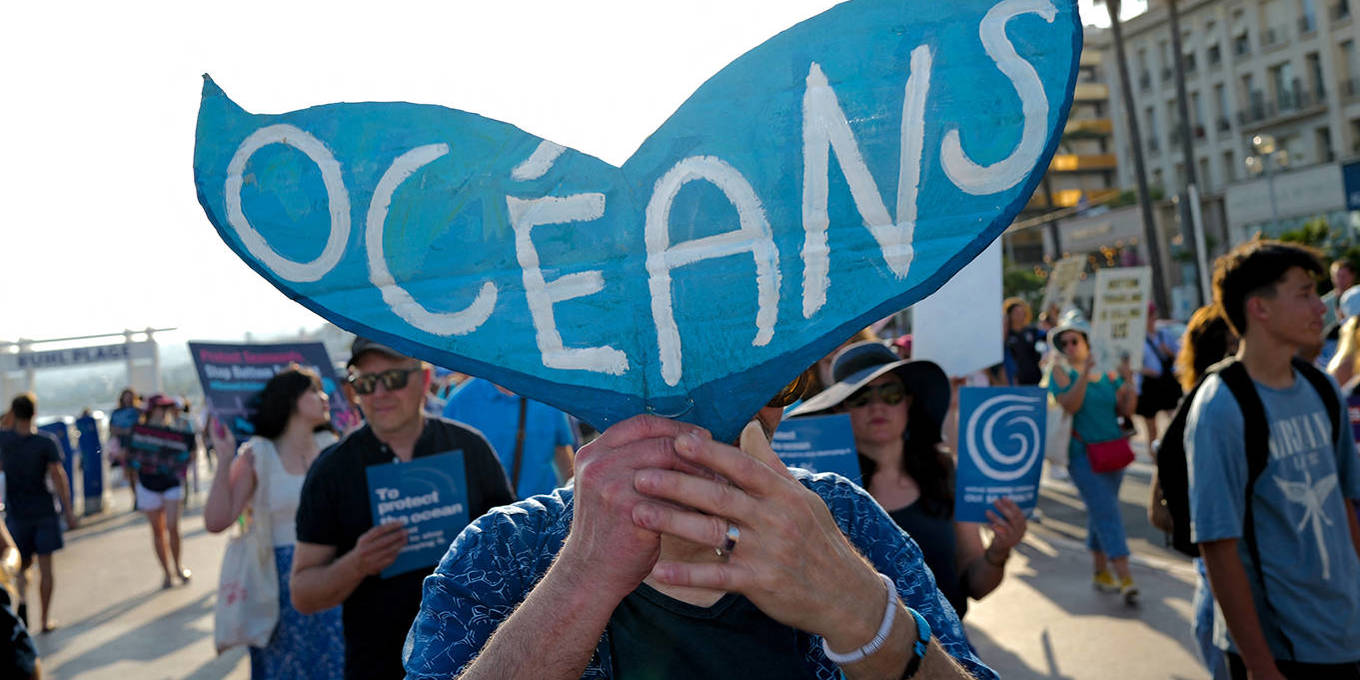
Peter Thomson reflects on the significant achievements of 2025 and proposes ways to maintain momentum in 2026.

Miles Kellerman concludes that it will marginally improve the pressure campaign on the Kremlin but risks collateral damage.
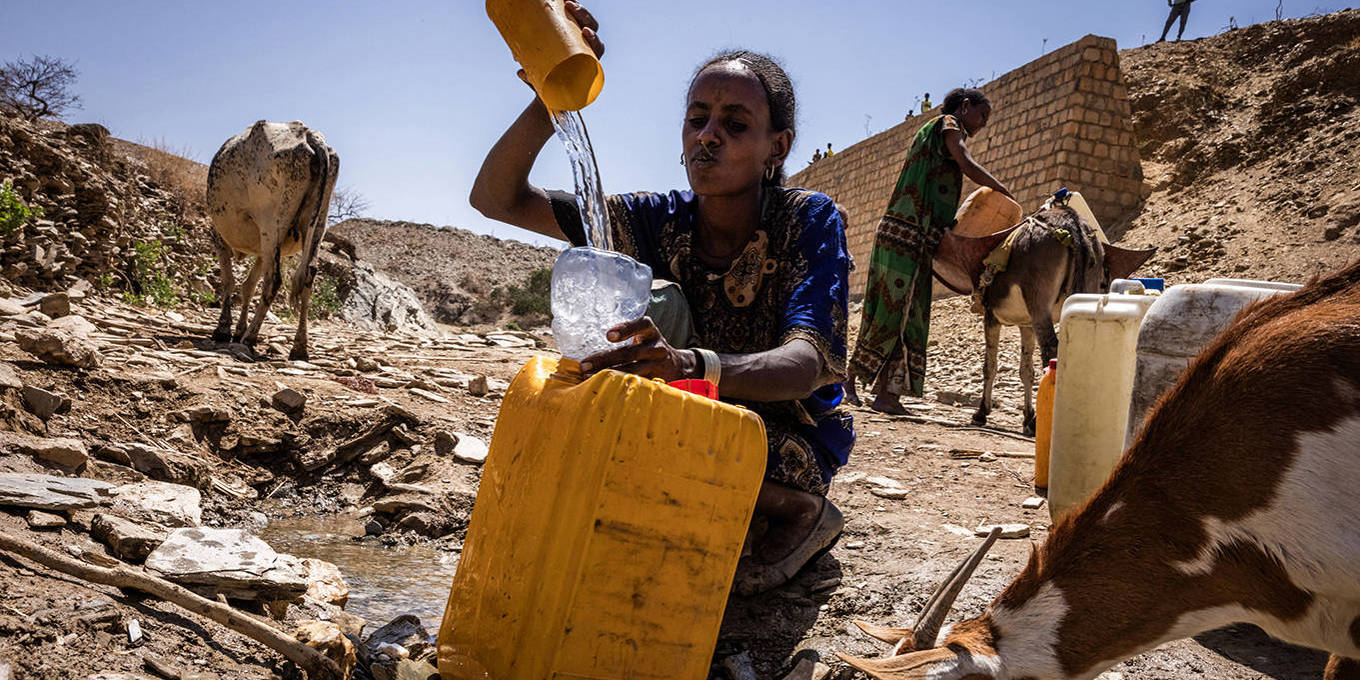
Mariana Mazzucato proposes a radical change in perspective toward humanity's most precious resource.