Despite growing pressure on marine ecosystems, ocean-health projects often remain underdeveloped because funding, policy, and implementation fail to move in sync. Philanthropy can help change that by aligning priorities, absorbing early risks, and providing the coordinating capacity that enables promising ideas to scale.
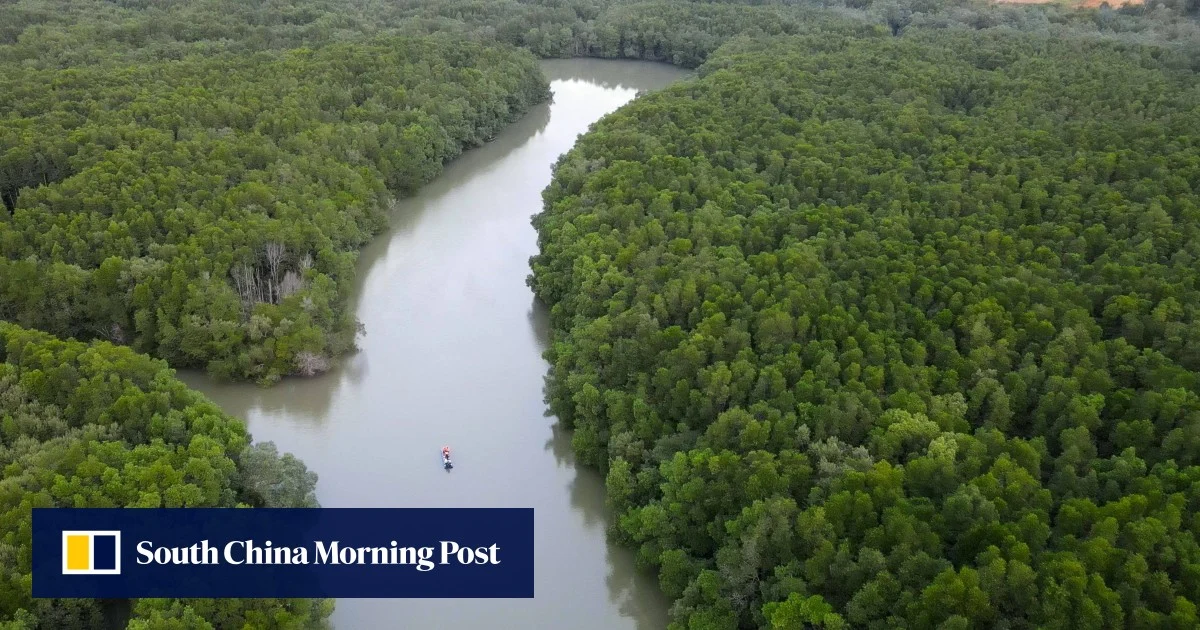
SINGAPORE – Long-term global stability depends heavily on what happens in the ocean. Nowhere is this more evident than in Asia, home to much of the Coral Triangle and vast mangrove and seagrass ecosystems that sustain fisheries, protect coastal communities, and store massive amounts of carbon. Together, these ecosystems underpin food security, employment, and climate resilience across the continent and beyond.
Yet, despite its importance, the ocean plays a marginal role in investment, governance, and planning decisions. Less than 1% of global philanthropic funding is directed toward ocean health, and an even smaller share reaches Asia. As a result, many conservation projects remain underdeveloped at a time when marine ecosystems and coastal communities face growing strain.
It doesn’t have to be this way. Philanthropy can make a decisive difference. By linking science, policy, finance, and communities more effectively than other forms of capital, it has a unique ability to foster collective action. It can take early risks, back emerging ideas, and fill gaps where markets and governments fall short.