https://arab.news/6uvxx
While the ocean’s health is perilously close to a tipping point, 2025 offered reasons for hope. In fact, over the next five years, we have an opportunity to pull back from the brink and ensure that the ocean continues to stabilize the climate, feed billions of people and support the livelihoods of coastal communities. If we fail to seize this chance, the consequences will be dire for generations to come.
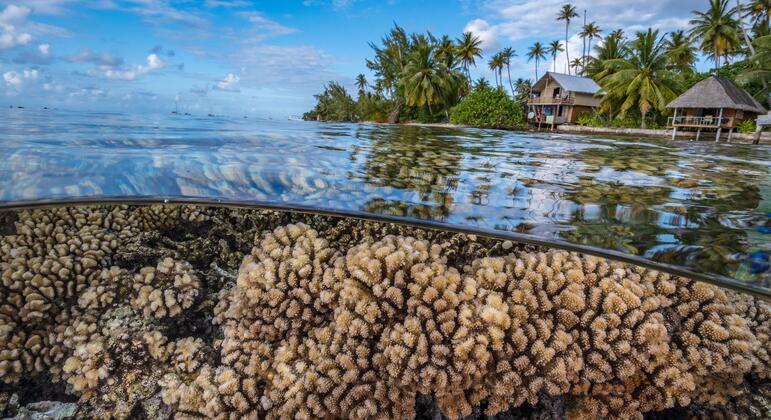
As a Fijian, I understand that the ocean’s irreversible degradation is not an abstract concern. Pacific Islanders live with the reality of rising sea levels claiming more of our coastline every year and contaminating the aquifers we use for agriculture and drinking water. Warming waters supercharge tropical cyclones and destroy the coral reefs that provide food security and coastal protection.
But amid these challenges, and following years of incrementalism, international efforts to protect the ocean gained momentum in 2025, leading to some landmark decisions. Despite the strains being put on multilateralism, it is now widely acknowledged that the ocean’s health is at the heart of global stability, climate resilience and economic prosperity.
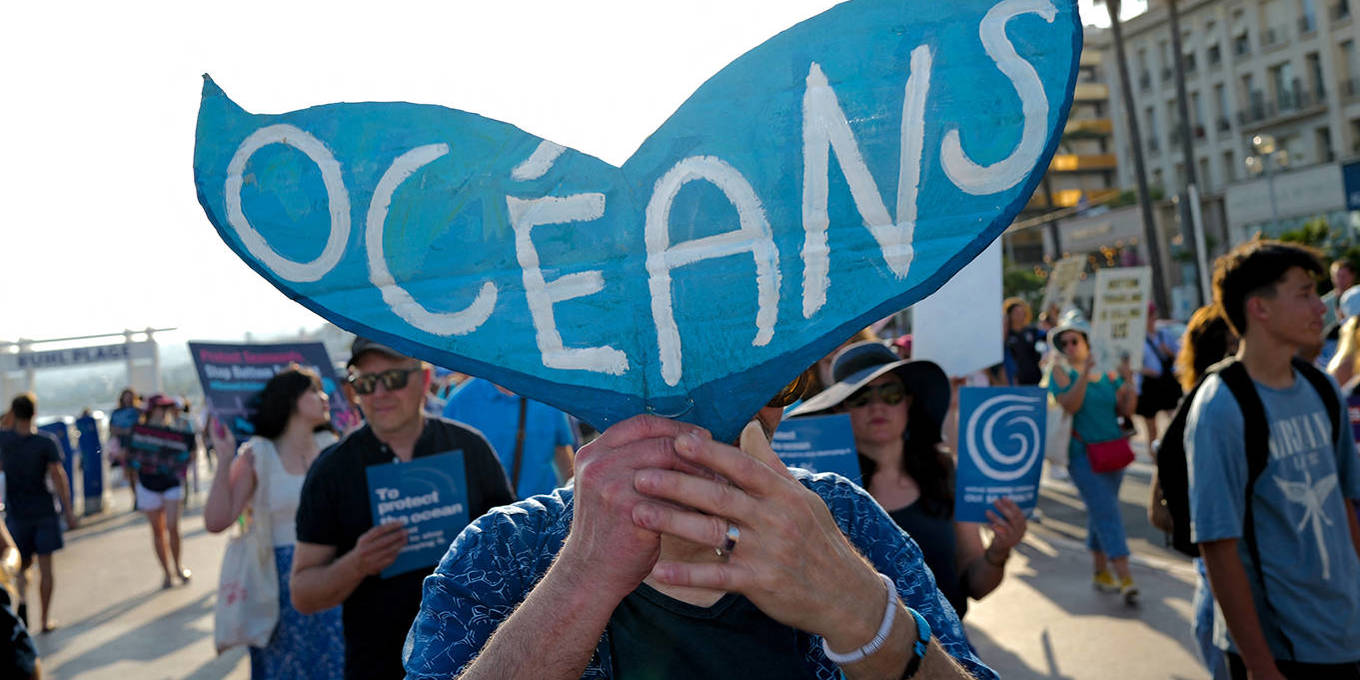
In June, we witnessed how powerful this recognition is at the third UN Ocean Conference, cohosted by France and Costa Rica in Nice. Some 15,000 people, including more than 60 heads of government and 100 ministers, participated in UNOC3, which also welcomed nearly 100,000 visitors. Attendees were united in demanding expanded marine protection, increased efforts to mitigate ocean pollution, high seas regulation and financial support for vulnerable coastal and island communities.