https://arab.news/z7b2p
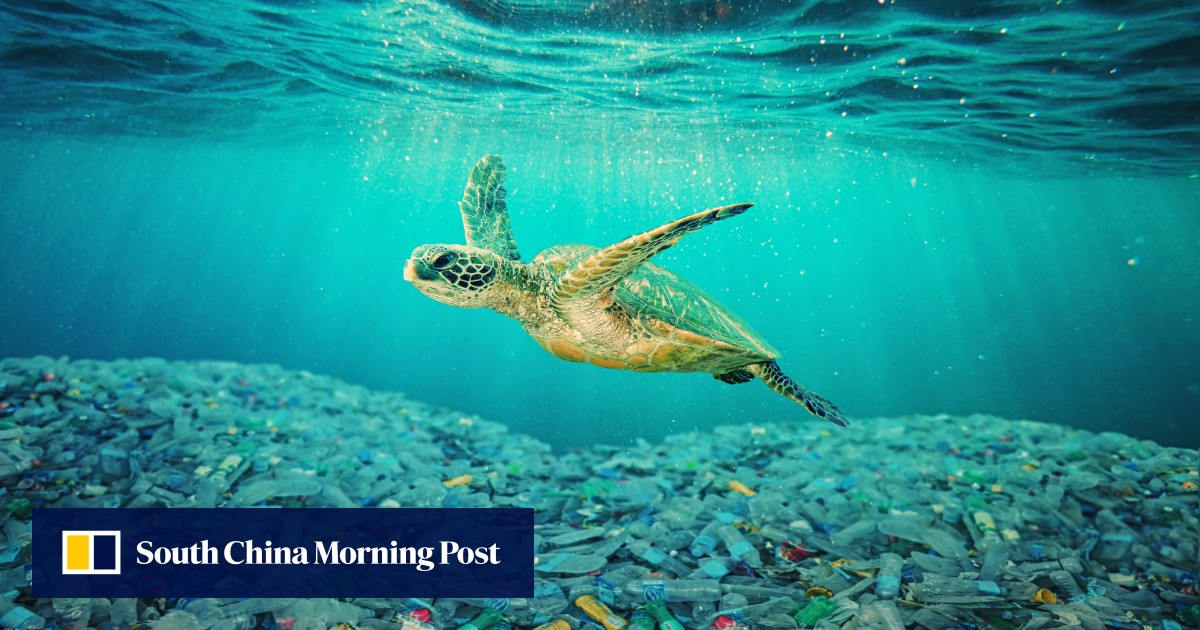
The world has come together in France this week to look for a way to save our oceans. It is no doubt an important mission, but it seems like an impossible one in our world of conflict.
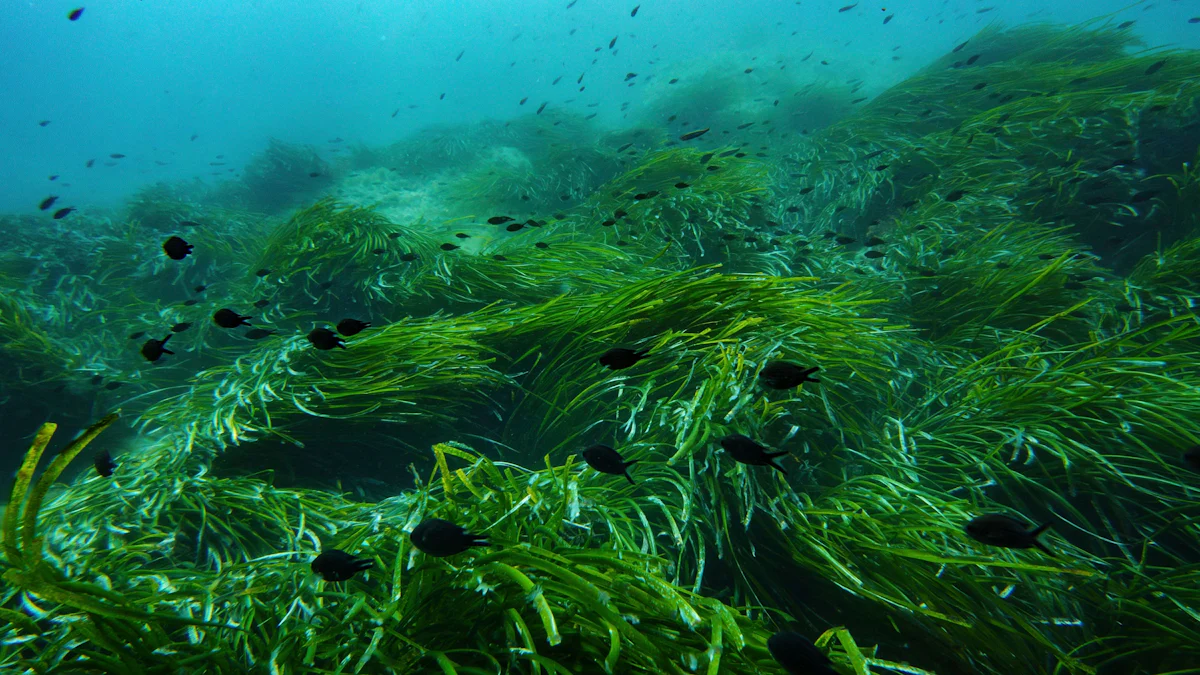
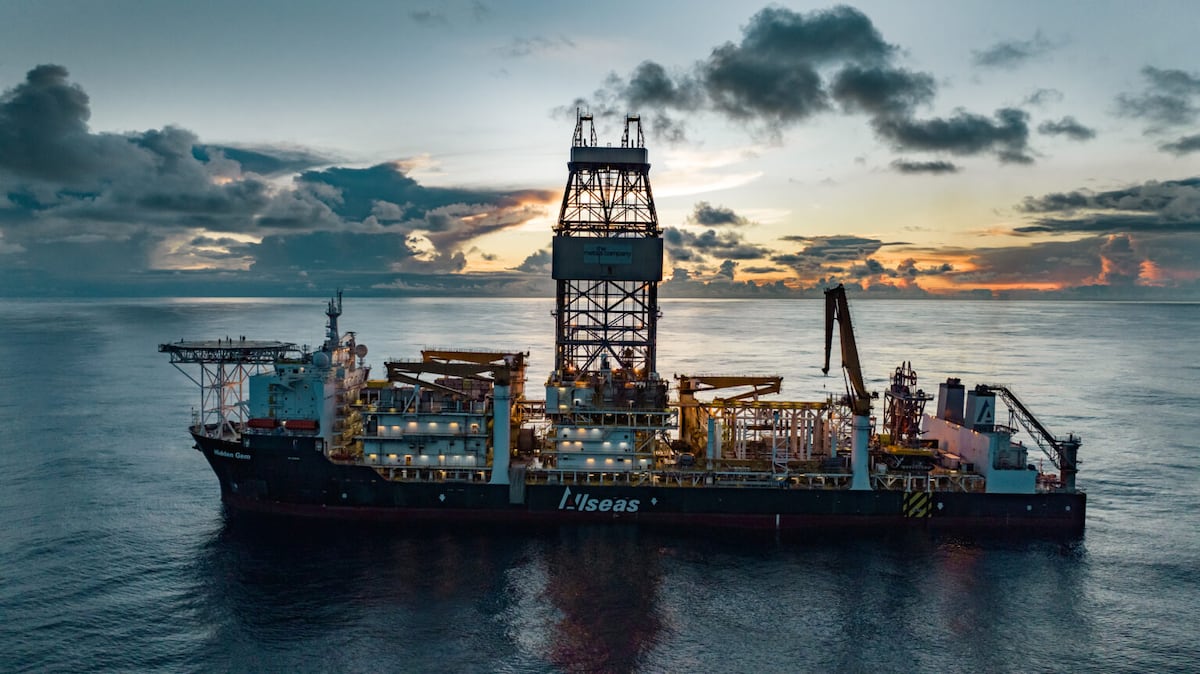
The third UN Ocean Conference in southern France is focused on adopting strict rules to govern deep-sea mining and has warned against racing to exploit the ocean floor, in a thinly veiled rebuke of the US. But one look at the real problems and adversities affecting the viability of our oceans goes beyond one’s imagination, especially since the actions to limit the damage do not measure up across the board.
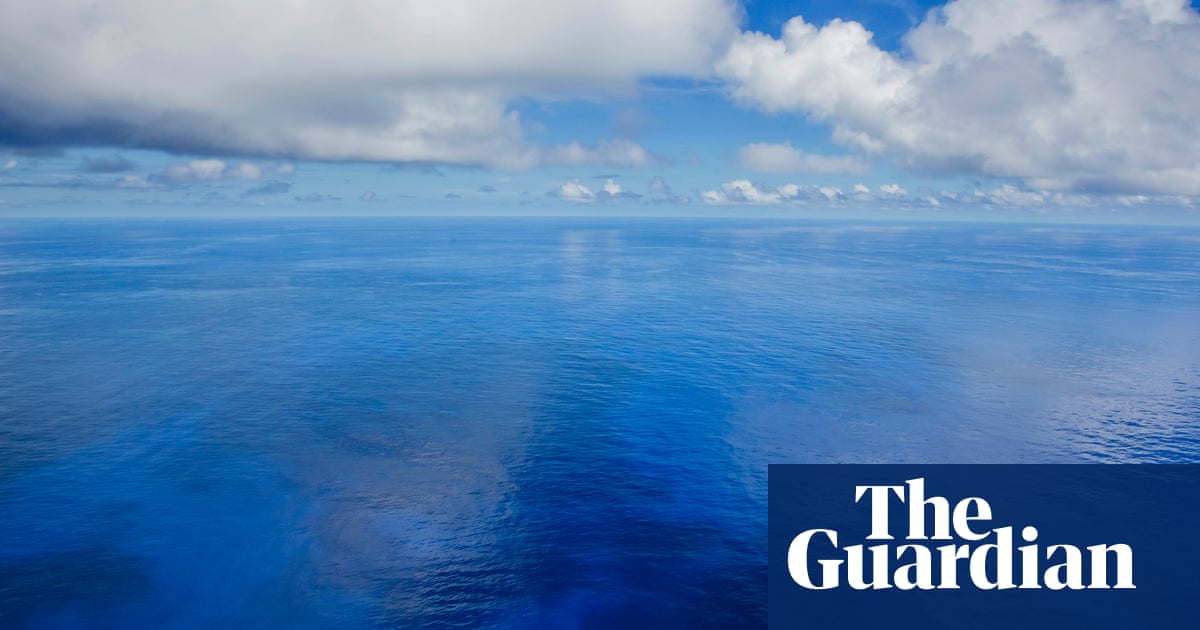
The anxiety of those gathered in Nice, including French President Emmanuel Macron, is justified, but not only due to the madness of certain predatory economic steps taken by individual countries that could harm the seabed, disrupt biodiversity and release irrecoverable carbon sinks in the name of profit and dominance. Scientists have also been warning about ocean acidification. Oceans are known to absorb about 30 percent of all carbon dioxide emissions and that starts chains of chemical reactions that result in increased acidity, which in turn affects human and marine life.
Although geoengineering is offering some respite to the conscience of some, the science of manipulating the Earth’s natural processes to try to solve the problem chemically or through other inventions is still in its infancy. Its efficiency has not been tested over time, despite the billions of dollars of investment poured into the adoption of such unproven solutions.