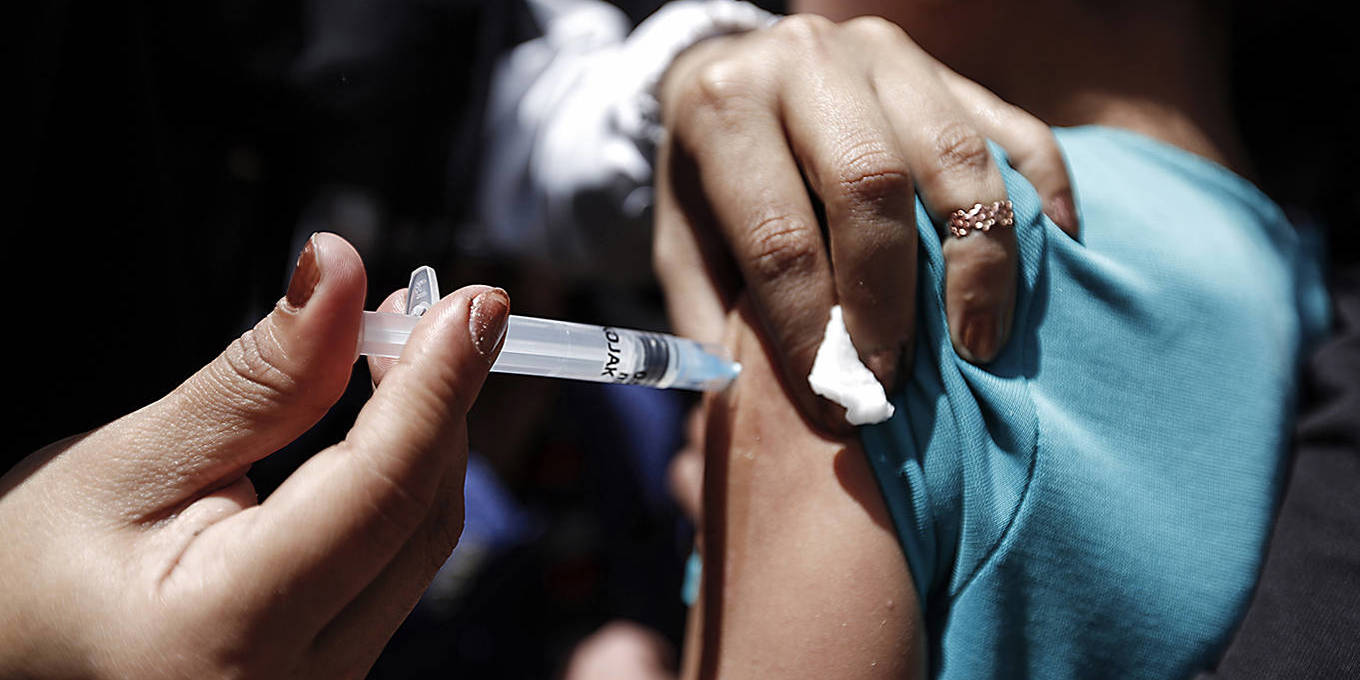
Childhood immunization is the world’s most cost-effective public-health intervention, with a single vaccine dose costing less than $2 to administer—even in active conflict zones. But local delivery in the hardest-to-reach places, where zero-dose children are concentrated, requires investment in models that depend on local partners.
NEW YORK—With so many intractable problems in global politics, it is all the more frustrating that the international community often neglects pressing ones that can, in fact, be solved. Vaccination, which has stalled worldwide after decades of remarkable progress, is one such issue. As leaders convene in Geneva for the World Health Assembly, they face a stark choice: recommit to childhood immunization, the world’s most cost-effective public-health intervention, or condemn millions of young people to a life of increased vulnerability.
Immunization has averted more than 150 million deaths over the past half-century, making it one of the most reliable ways to reduce child mortality. According to the Johns Hopkins Bloomberg School of Public Health, every dollar invested in immunization in low- and middle-income countries saves $20 in health-care costs and lost wages and productivity, and more than $50 when accounting for the full benefits of longer, healthier lives.