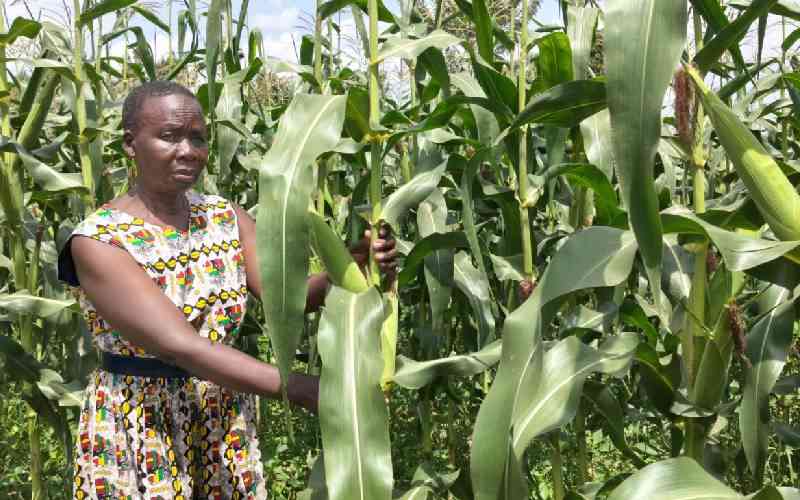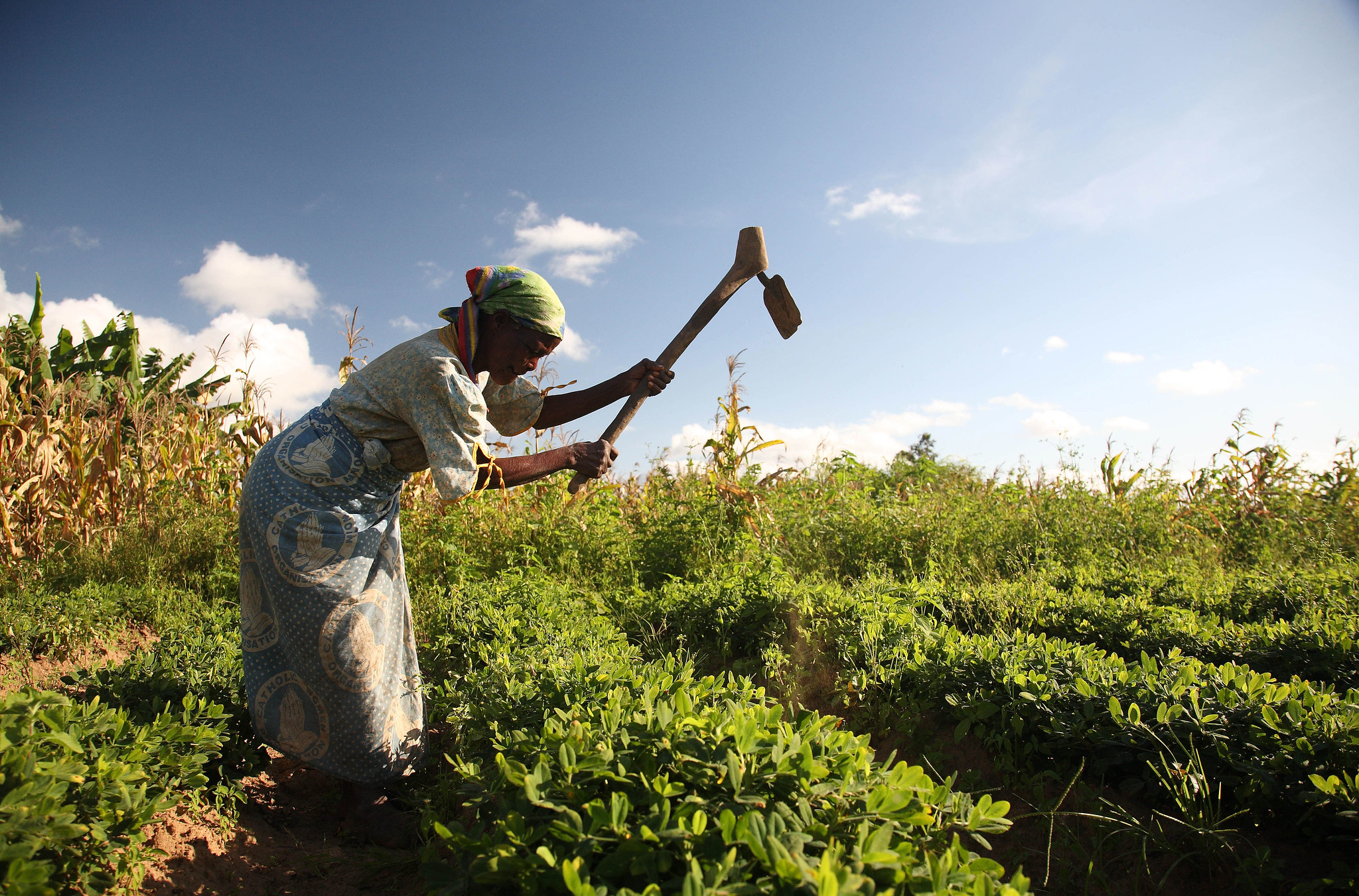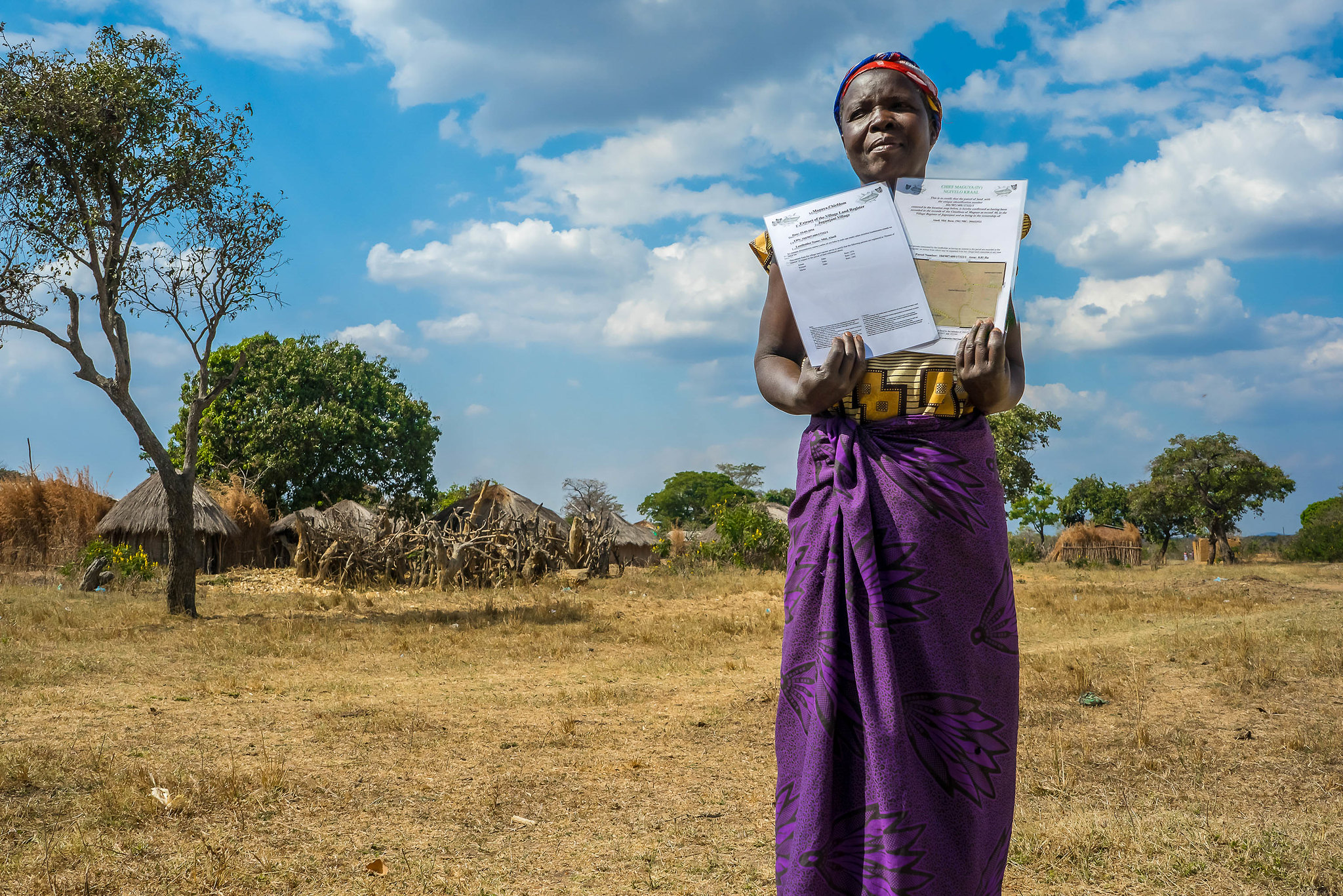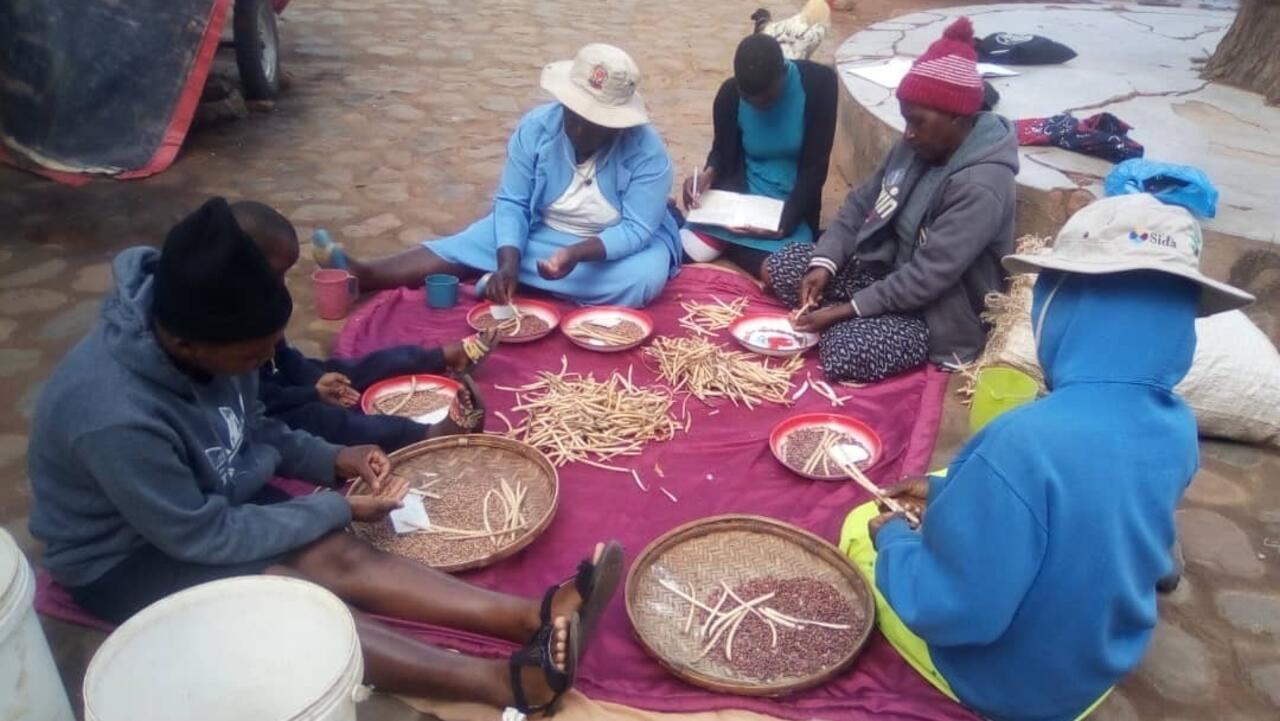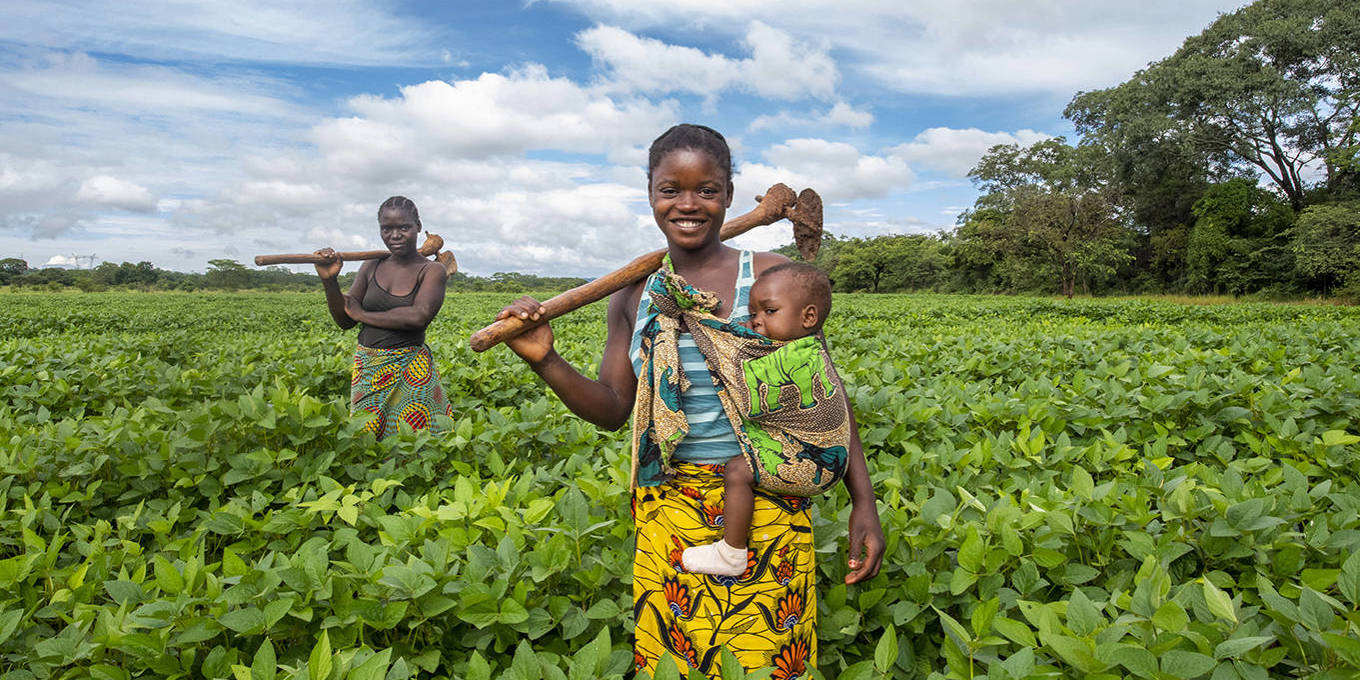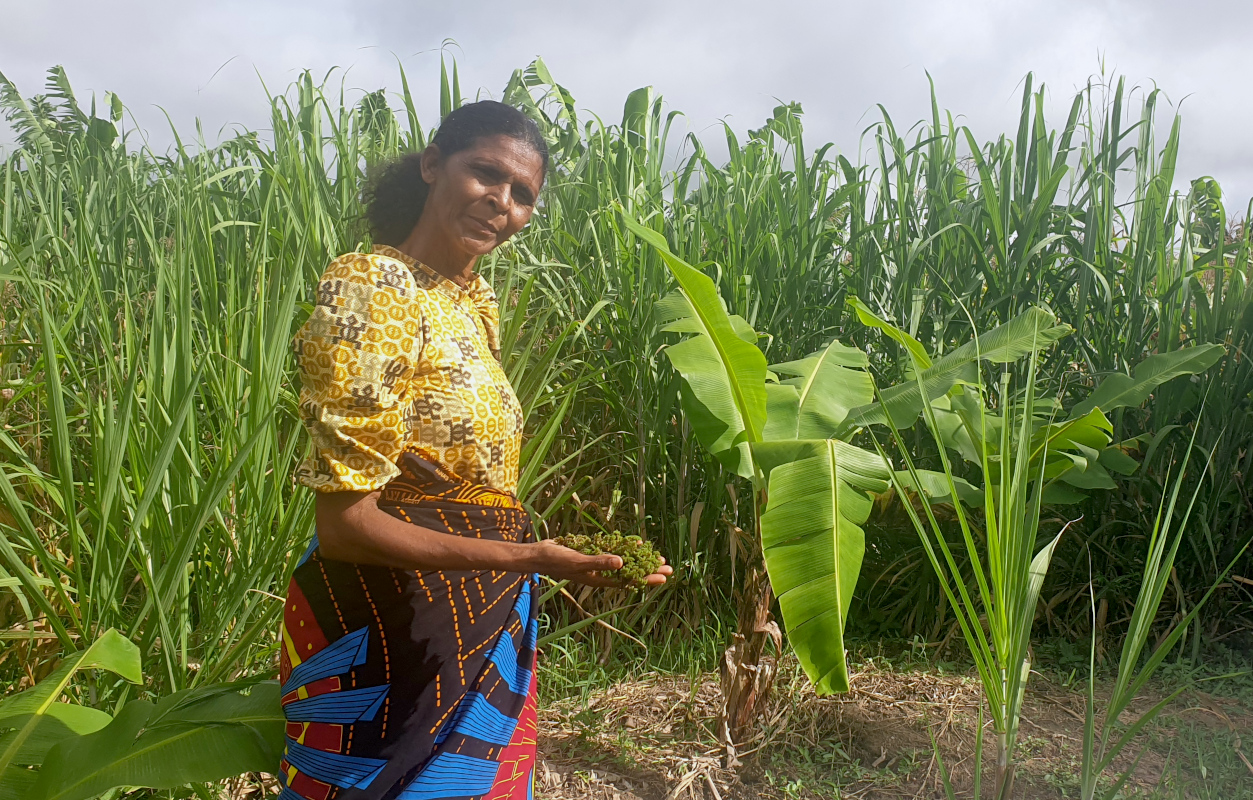
In 2006, Diane Sitima bought a plot of land on the outskirts of Malawi’s commercial capital and set about establishing an agroecological farm.She grows a variety of fruits and vegetables and keeps a range of livestock on her 3.5 hectares (nearly 9 acres), each element chosen as part of a system complementing the rest.Twenty years on, the sought-after produce from her farm in Chiradzulu district illustrates both the success that these agricultural techniques can bring and some of challenges that make her example hard for others to follow.As she mentors other farmers in her district, she notes the absence of financial and technical support needed to secure land and build up the knowledge and experience needed to prosper.
CHIRADZULU, Malawi — Diana Sitima’s farm on the outskirts of Malawi’s commercial capital, Blantyre, is both example and an exception. Where neighboring farmers have planted mostly maize for food and for sale in nearby markets, people drive out to buy sweet potato, pigeon peas and vegetables, bananas and avocado, and eggs produced on Sitima’s 3.5-hectare (8.6-acre) property.
Sitima started farming in 1993. Unlike her neighbors, farming was a side hustle to begin with: she worked as an office assistant in Blantyre and her husband had a good job with a bank. Over the next seven years, she and her husband took out a series of micro-loans, renting small parcels of land and hiring people from the village to grow tomatoes for sale in the city.