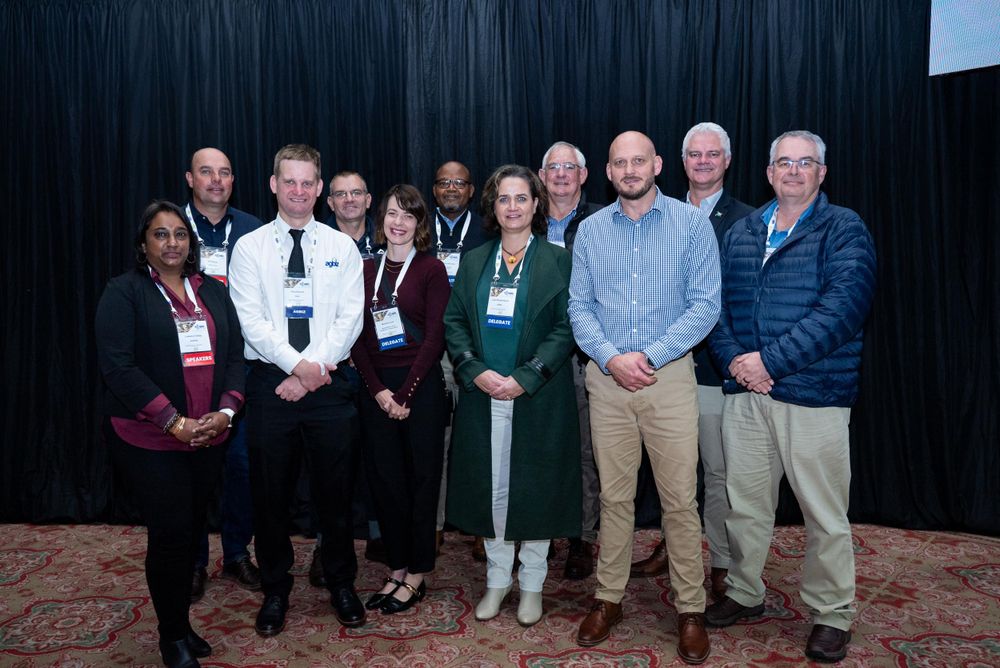
We had two days of engaging conversations in Gqeberha, Eastern Cape, during the Agricultural Business Chamber of South Africa’s (Agbiz) 2026 congress. The conversations covered a range of subjects, from threats posed by rising geopolitical tensions to international trade and export diversification opportunities, economic diplomacy, Southern African Customs Union (Sacu) reforms, agricultural finance and structural reforms in the South African economy. From the outset, the agribusinesses deliberated on the changing trade environment, with a clear view of how to strengthen South Africa’s position as one of the key agricultural exporters at a time when some markets are becoming harder to access and conflicts are disrupting trade. The central theme in all discussions was that the African continent, the EU region, the UK, the Americas and Asia remain South Africa’s key markets, and the country must work for better access to these markets while also deepening access for products that are not yet enjoying preferential or lower tariff access. Reflecting on the medium- to long-term outlook, there was broad consensus that the Middle East and Asia remain critical strategic regions with the potential to expand access to them for a range of agricultural products. These are the agricultural export growth regions, in addition to the access we enjoy elsewhere. Securing better tariff access to several of these new markets will require South Africa to negotiate bilateral trade agreements with some countries. This desire for better access to new markets prompted participants in and speakers at the congress to note the need for South Africa to more rigorously align its foreign and trade policies. Fortunately, a word of comfort came from the department of international relations & co-operation that its new economic diplomacy has begun to prioritise trade and investment far more strongly than before. However, there was recognition that a stronger economic diplomacy strategy alone will not suffice. We need well-equipped people at South Africa’s missions around the world. The country has more than 100 missions globally, which should play a vital role in promoting trade and investment opportunities in South Africa, among other things. This is an area agricultural stakeholders will continue to advance through engagements with the government. Also prominent in the discussions in Gqeberha was the urgent need to review Sacu, with the end goal of allowing South Africa greater flexibility to engage in bilateral trade agreements. In the current set-up, where South Africa must engage on trade issues collectively with other Sacu members, the country has not moved with the necessary urgency to open new markets. The world is changing, and countries are forming new trade agreements. South Africa risks being left behind if our approach to Sacu is not urgently reviewed. Trade agreements alone will not be enough to boost exports. We devoted one afternoon to focusing on reforms in the network industries. Improving the efficiency of ports and rail was the key issue that arose from the discussion. The input from the Transnet leadership was that they are open to collaboration with organised agriculture, agribusiness and private sector stakeholders to ensure continued improvement. Also worth noting was the time devoted to biosecurity, including plant and animal health issues. South Africa has been plagued by foot-and-mouth disease and African swine fever, all bringing immense costs to the sector. A discussion of long-term interventions to tackle these issues and improve plant health was part of the agenda. Overall, the congress’s discussions centred on deepening collaboration between the government, organised agriculture and other social partners to ensure the sector continues to grow. • Sihlobo is presidential envoy on agriculture and land, chief economist at the Agricultural Business Chamber of South Africa and a senior fellow in Stellenbosch University’s department of agricultural economics.
WANDILE SIHLOBO | Farmers call for better access to new markets
Biosecurity and plant health issues highlighted as key sector challenges
614 words~3 min read