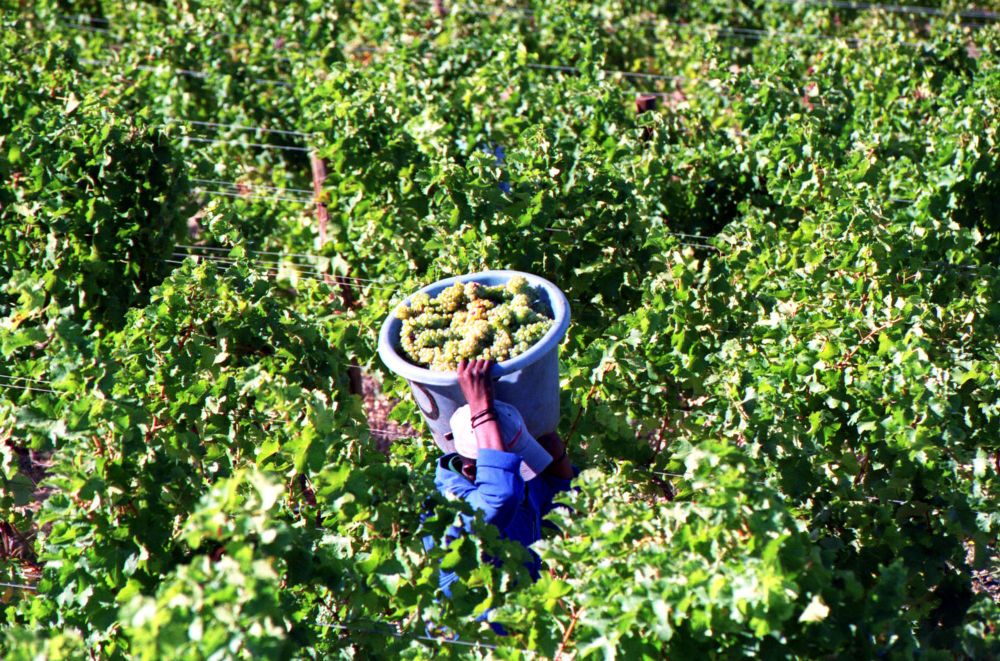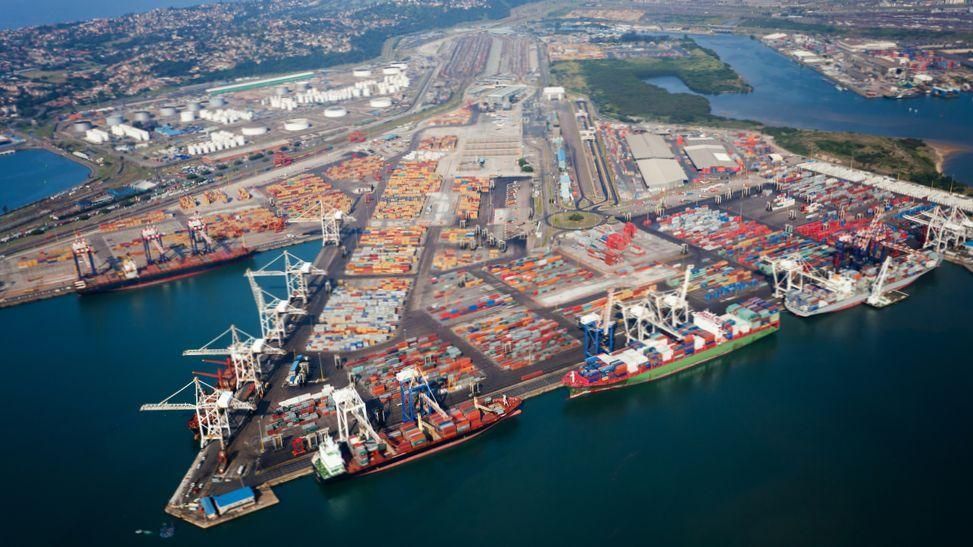
A critical element of the growth strategy for South African agriculture is expanding export opportunities. If we don’t open new export markets, efforts to expand production without growing international demand for our produce will not succeed. This is well understood by the government and in organised agriculture. The China-Africa Framework Agreement on Economic Partnership for Shared Prosperity, which came into effect at the beginning of the month, is a positive development because it zeroes out tariffs on African products entering the Chinese market for the next two years. China is a major export market for South African farmers, alongside the EU, UK, US, the rest of Africa and various smaller markets in Asia and the Middle East. South Africa is working to retain these markets while seeking broader access at lower tariffs in various other Middle Eastern and Asian markets. As we proceed with these export market expansion efforts, we urgently need to improve port logistics. In 2025 Transnet made significant progress, working with various private-sector organisations and organised agricultural groups. We saw efficiencies improve in the Port of Durban and in the Eastern Cape ports. The various agricultural subsectors, including the citrus industry, benefited from this improvement. In addition to the ample volume of agricultural produce, improved port efficiency boosted South Africa’s robust agricultural exports, which reached a record $15.1bn in 2025, up 10% from 2024.As we proceed with these export market expansion efforts, we urgently need to improve port logistics. But this improvement was not consistent throughout the year. The Port of Cape Town experienced delays in its agricultural activities at the end of 2025 and into the start of 2026. This was a peak export period for the table grapes industry. It was also at a time when the industry had an ample harvest. For example, figures released by the South African Table Grape Industry (Sati) show that the final figures for the 2025-26 table grape season inspected for export were 81.25-million 4.5kg cartons, a 3% year-on-year increase. But when these products came to be exported, various challenges confronted the Port of Cape Town, including weather-related problems. Some growers and exporters had to move some of the crop they would typically export from Cape Town to the Eastern Cape ports. For example, Sati data shows that the proportion of table grape exports shipped through the Port of Cape Town declined from 91% in the previous season to 76% in the 2025-26 season. Meanwhile, volumes shipped through Eastern Cape ports increased from 6% of total exports in 2024/25 to 21% this year. While higher export activity is generally welcomed at the Eastern Cape ports, transporting these volumes from remote regions to the Eastern Cape ports generally costs growers and exporters more than through the Port of Cape Town. What started as one of the best years in the table grape industry ended up as one of the most logistically challenging and cost-intensive seasons. Such inefficiencies provide a lesson that the South African agricultural sector needs to focus not only on widening export markets but also on consistently working with Transnet to improve port efficiency.This is a path the industry has taken, and Transnet has been collaborative in working to avoid a challenging season in the future. Moreover, one of the issues we have discussed in the past but which is equally important as a supportive measure for the sector’s growth is the state of the road network. Investment in improving roads also needs to be a priority, as this weighs on the agricultural industry’s profitability and could slow export activity. The export drive is key to the broader expansion of South Africa’s agriculture, and must always be paired with stronger logistical support. • Sihlobo is presidential envoy on agriculture and land, chief economist at the Agricultural Business Chamber of South Africa and a senior fellow in Stellenbosch University’s department of agricultural economics.
WANDILE SIHLOBO | China deal opens doors for South African farm exports
Record farm exports highlight need for efficient ports and roads to sustain expansion
644 words~3 min read